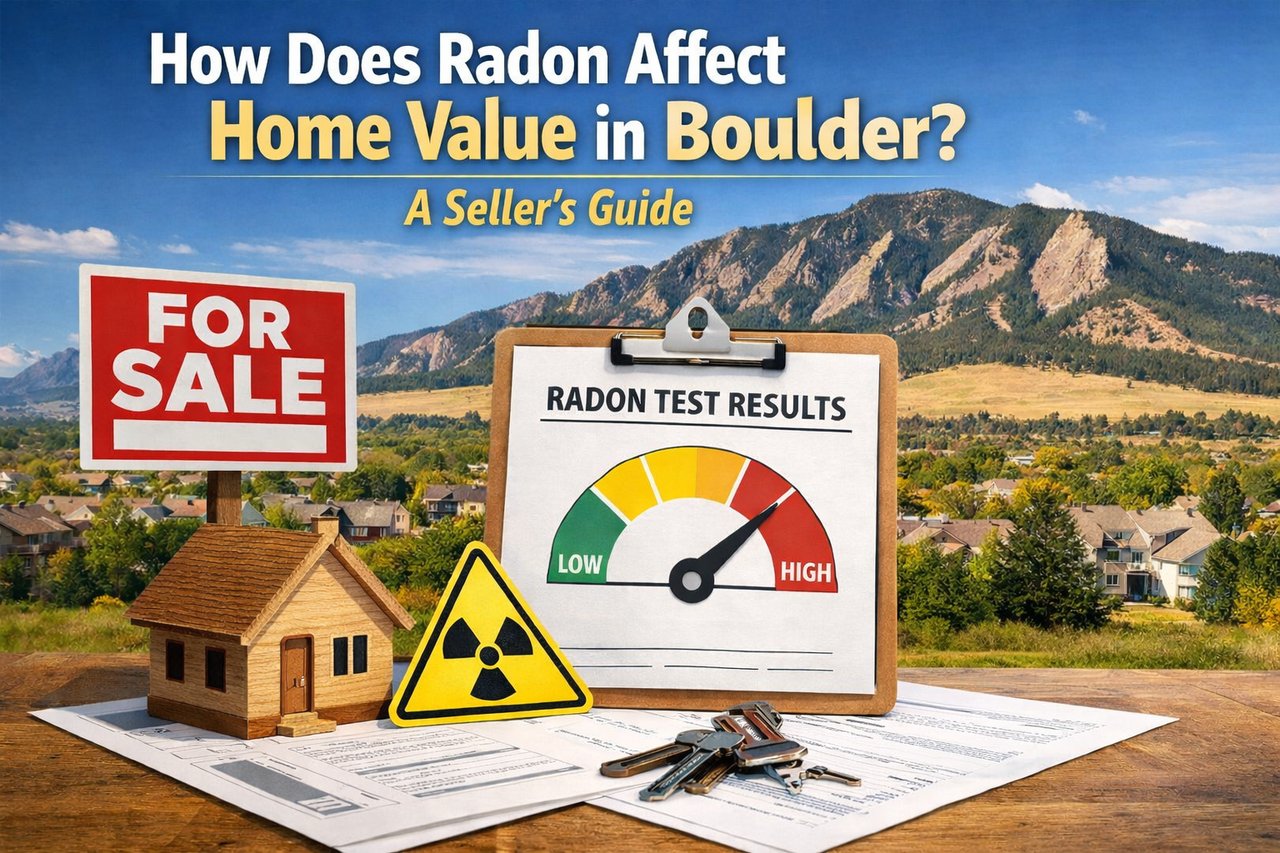
Are you wondering, “How does radon affect home value in Boulder, and could it impact my ability to sell?” If you’re preparing for selling a home in Boulder, Colorado, this is a smart question—and one that many homeowners ask before listing.
Radon is a naturally occurring radioactive gas that’s common in Colorado, including throughout the Boulder real estate market. While it’s invisible and odorless, it can play a role in buyer confidence, inspections, and negotiations. Understanding how radon affects your home’s value can help you position your property more effectively and avoid surprises during the selling process.
In this guide, The Bernardi Group—led by Karen Bernardi, a trusted Boulder Realtor and experienced real estate agent—explains what Boulder sellers need to know about radon, how it impacts home value, and how to navigate this issue with confidence.
What Is Radon and Why Is It Common in Boulder?
Radon is a naturally occurring gas formed when uranium breaks down in soil and rock. It rises through the ground and can enter homes through cracks in foundations, sump pits, crawl spaces, and construction joints.
Colorado has some of the highest radon levels in the country, and Boulder is no exception. Because of the area’s geology, many homes in Boulder test above the Environmental Protection Agency’s (EPA) recommended action level.
For sellers in the Boulder real estate market, this means radon is not unusual—but it is something buyers are increasingly aware of and concerned about.
How Radon Enters Homes
Radon typically enters through:
-
Foundation cracks
-
Basement floors and walls
-
Utility and plumbing penetrations
-
Crawl spaces
-
Construction joints
Even well-built homes can have elevated radon levels. Radon is not a sign of poor maintenance or construction—it’s a regional environmental factor.
How Does Radon Affect Home Value in Boulder?
One of the most common questions sellers ask is: Does radon lower my home’s value?
In most cases, radon does not permanently reduce home value—especially in Boulder, where elevated levels are relatively common. However, it can influence buyer perception, negotiations, and timelines.
Here’s how radon may affect your sale:
1. Buyer Confidence
Today’s buyers are more informed than ever. Many understand that radon can be present in Colorado homes, but high test results can still create concern.
If buyers feel uncertain about safety or future costs, they may hesitate or ask for concessions.
2. Inspection Negotiations
Radon testing is often part of the inspection process when selling a home in Boulder, Colorado. If levels are elevated, buyers may request:
-
Installation of a mitigation system
-
A credit toward mitigation
-
A price adjustment
These negotiations don’t usually derail a sale—but they can affect final terms.
3. Time on Market
Homes with unresolved radon concerns may take longer to sell if buyers perceive additional risk or hassle. Addressing radon proactively can help keep your listing competitive.
4. Appraisal Impact
Generally, appraisers do not reduce value solely due to radon if a mitigation system is in place or the issue can be easily remedied. However, unresolved environmental concerns may influence buyer behavior, which indirectly affects value.
Is Radon Testing Required When Selling a Home in Boulder?
In Colorado, sellers are required to disclose any known environmental hazards, including known radon levels. However, sellers are not automatically required to test for radon before listing.
That said, many Boulder real estate agents—including The Bernardi Group—often recommend considering pre-listing testing in certain situations.
Why Pre-Listing Testing Can Be Helpful
Testing before you list can:
-
Reduce surprises during inspection
-
Strengthen buyer confidence
-
Give you time to address issues
-
Support smoother negotiations
Pre-listing testing is optional, but in many cases, it helps sellers stay in control of the process.
A qualified radon professional can provide testing that meets recognized standards.
What Happens If Your Home Has High Radon Levels?
If testing shows elevated radon levels, don’t panic. This is common in Boulder, and it’s usually manageable.
Radon Mitigation Systems
The most common solution is a radon mitigation system. These systems typically:
-
Vent radon gas from beneath the home
-
Redirect it safely outside
-
Operate continuously
-
Are relatively low maintenance
Installation is usually straightforward and performed by certified professionals.
Once installed, systems are tested to confirm they reduce radon to acceptable levels.
Does Installing a Mitigation System Protect Home Value?
In most Boulder transactions, installing a mitigation system helps preserve market value rather than reduce it.
Buyers generally view a properly installed system as:
-
A responsible improvement
-
A solved issue
-
A sign of good maintenance
In many cases, homes with mitigation systems sell just as successfully as homes that never tested high.
Benefits of Mitigation for Sellers
Installing a system before listing can:
-
Eliminate a major objection
-
Simplify negotiations
-
Increase buyer trust
-
Reduce closing delays
-
Improve marketing confidence
From a real estate agent’s perspective, proactive mitigation often strengthens your overall listing position.
Should You Mitigate Before Listing or Wait?
This is one of the most strategic decisions when selling a home in Boulder, Colorado. The right choice depends on your situation.
Consider Mitigating Before Listing If:
-
You already know levels are high
-
You want maximum buyer confidence
-
You prefer fewer negotiations
-
You’re in a competitive market
Consider Waiting If:
-
You don’t have test results
-
You’re comfortable addressing it during inspection
-
Market conditions strongly favor sellers
A knowledgeable Boulder Realtor can help you weigh timing, market conditions, and cost-benefit considerations.
The Bernardi Group works closely with sellers to develop the right strategy for each property.
How Radon Impacts Buyer Psychology in the Boulder Real Estate Market
Understanding buyer mindset is essential when pricing and marketing your home.
Even though radon is common locally, buyers may still:
-
Feel uneasy about health risks
-
Worry about future resale
-
Assume mitigation is complicated
-
Overestimate costs
Clear information and professional handling of the issue help reduce emotional barriers.
Transparency Builds Trust
Buyers respond positively when sellers:
-
Share test results
-
Explain mitigation options
-
Provide documentation
-
Demonstrate proactive steps
Transparency often leads to smoother transactions.
How The Bernardi Group Helps Sellers Navigate Radon Concerns
As experienced Boulder real estate agents, The Bernardi Group understands how environmental factors like radon fit into the bigger picture of selling.
Our approach includes:
-
Evaluating whether pre-testing makes sense
-
Connecting sellers with qualified professionals
-
Reviewing results objectively
-
Developing negotiation strategies
-
Positioning your home effectively
We don’t take a one-size-fits-all approach. Every property, market condition, and seller goal is different.
Our focus is helping you make informed decisions—without pressure—so you can move forward confidently.
Common Myths About Radon and Selling in Boulder
Let’s clear up a few misconceptions:
Myth 1: “High Radon Means My Home Is Unsellable”
False. Many Boulder homes have elevated radon and still sell successfully.
Myth 2: “Buyers Will Walk Away Immediately”
Not usually. Most buyers simply want the issue addressed.
Myth 3: “Mitigation Is Extremely Expensive”
Costs vary, but mitigation is typically manageable compared to overall home value.
Myth 4: “Only Older Homes Have Radon”
New and old homes can both have elevated levels.
Practical Steps for Sellers Concerned About Radon
If you’re preparing for selling a home in Boulder, Colorado, here’s a practical roadmap:
Step 1: Talk With Your Realtor Early
Discuss radon as part of your overall listing strategy with your Boulder real estate agent.
Step 2: Consider Testing
If appropriate, schedule testing with a qualified professional.
Step 3: Review Results
Evaluate results calmly and objectively with your agent.
Step 4: Decide on Mitigation Strategy
Weigh pros and cons of pre-listing mitigation versus negotiation later.
Step 5: Prepare Documentation
Keep records of tests and mitigation work.
Step 6: Market With Confidence
Present your home knowing you’ve addressed potential concerns.
Legal and Ethical Considerations for Sellers
Sellers must comply with Colorado disclosure requirements and ethical real estate standards.
Important reminders:
-
Disclose known radon issues
-
Provide accurate information
-
Avoid misrepresentation
-
Follow Colorado Real Estate Commission guidelines
The Bernardi Group adheres strictly to the NAR Code of Ethics, Fair Housing laws, and state regulations. Our role is to guide you through compliance while protecting your interests.
If you have legal, tax, or health-related questions, consult qualified professionals in those fields.
Why Local Expertise Matters When Dealing With Radon
Radon is a regional issue. A local Boulder Realtor understands:
-
Typical market expectations
-
Buyer attitudes
-
Common negotiation patterns
-
Local professional resources
-
Pricing impacts
Working with a Boulder real estate agent who knows the market helps ensure radon doesn’t become an unnecessary obstacle.
Karen Bernardi and The Bernardi Group bring deep local knowledge and years of experience helping sellers navigate complex issues with clarity and confidence.
Final Thoughts: Does Radon Affect Home Value in Boulder?
So, how does radon affect home value in Boulder?
In most cases:
-
It does not permanently reduce value
-
It may influence negotiations
-
It can be managed effectively
-
It rarely prevents a successful sale
With the right strategy and professional guidance, radon becomes just one manageable part of the selling process—not a deal-breaker.
The key is preparation, transparency, and expert representation.
Ready to Sell Your Home in Boulder With Confidence?
If you’re thinking about selling a home in Boulder, Colorado and have questions about radon, pricing, inspections, or market strategy, The Bernardi Group is here to help.
Our team is committed to providing thoughtful guidance, strong advocacy, and local expertise at every stage of your sale.
📞 Call us at 303.402.6000
📧 Email us at [email protected]
Let’s talk about how we can position your home for success in the Boulder real estate market.