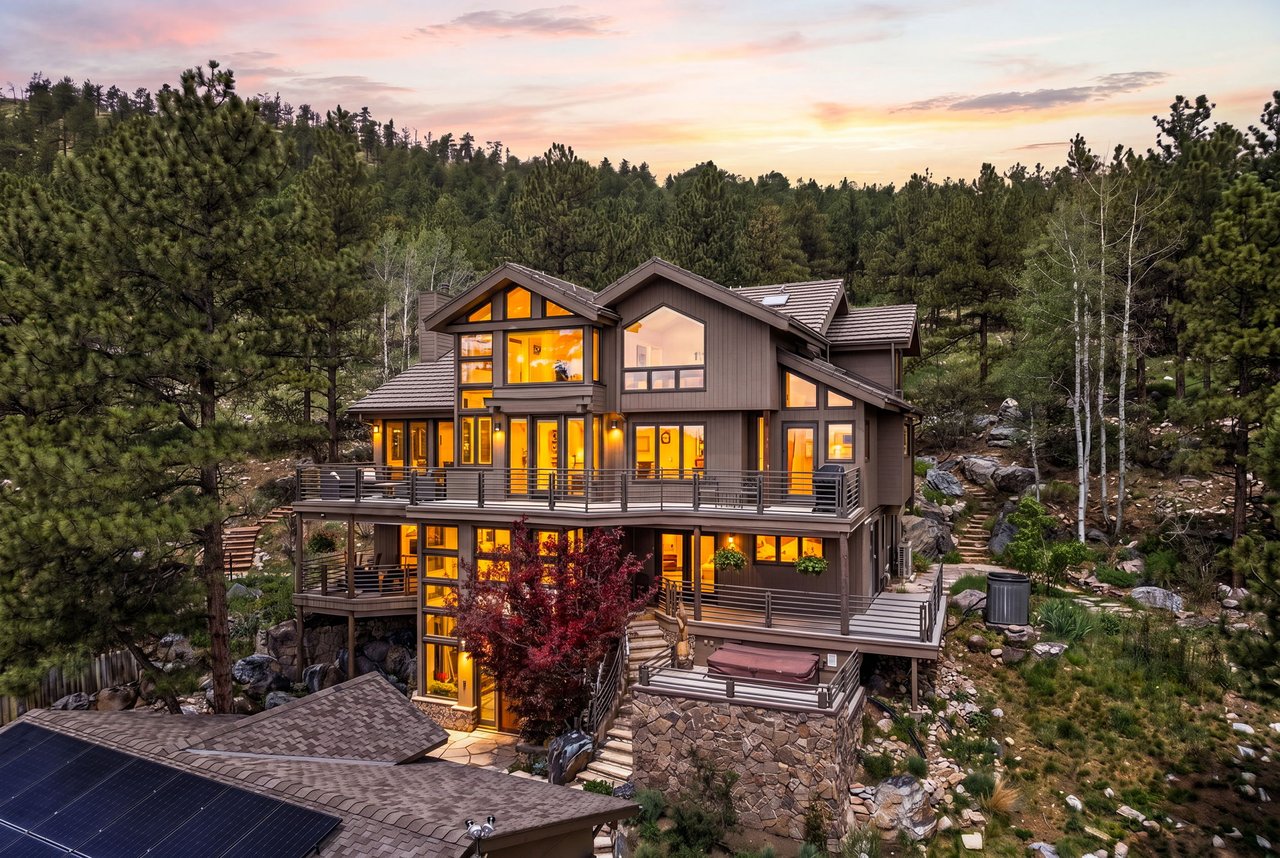
If you have ever imagined waking up with the Flatirons practically in your backyard, Chautauqua is one of the few places in Boulder where that picture feels real. Living here can be inspiring, but it also comes with day-to-day details that matter, from historic rules to seasonal parking pressure. If you are thinking about buying near Chautauqua, this guide will help you understand what life is actually like at the base of the Flatirons. Let’s dive in.
Chautauqua's Setting in Boulder
Chautauqua is one of Boulder’s oldest neighborhoods, anchored by the Colorado Chautauqua, which opened in 1898 as part of the national Chautauqua movement. The area was later designated by the City of Boulder as a local historic district in 1978, helping preserve its buildings, landscape, sidewalks, and street patterns.
That historic setting shapes the neighborhood’s identity today. Chautauqua sits at the base of the Flatirons, with a mostly residential feel outside the Chautauqua campus, while still being within easy reach of Pearl Street Mall and the University of Colorado campus.
The Colorado Chautauqua itself is also a National Historic Landmark. Rather than operating like a museum, it remains an active campus with lodging, concerts, education, recreation, preservation work, and dining, which gives the surrounding area a distinct rhythm.
Daily Life Near the Flatirons
Living near Chautauqua means outdoor access becomes part of your normal routine. The Chautauqua trailhead at Grant Place and Baseline Road connects you to well-known routes like the Flatirons Loop, Royal Arch, Bluebell, Enchanted Mesa, Meadow, Mesa, and the 1st and 2nd Flatiron trails.
For many buyers, that access is a major draw. You are not just near open space. You are near one of Boulder’s most recognized trail networks, which can make morning hikes, evening walks, and weekend outings feel unusually convenient.
At the same time, this is a shared public destination, not a private recreation area. The city notes that bicycles are not allowed on Chautauqua trails, dogs must be leashed unless they meet voice-and-sight standards, and wildlife including black bears and mountain lions inhabit the area.
Parking and Access Matter Here
One of the biggest practical realities of living near Chautauqua is parking. The city says parking is very limited, with 48 standard spaces in the Ranger Cottage lot plus limited street parking around the Chautauqua Lawn.
During busy times, overflow often spreads onto Baseline Road and nearby streets. The city specifically asks visitors to respect private residents who live along those public streets, which gives you a sense of how closely neighborhood life and visitor activity can intersect.
In summer 2026, paid parking applies on weekends and holidays at $2.50 per hour. The Park-to-Park shuttle also runs every 30 minutes from 8 a.m. to 8 p.m. on weekends and holidays from May 23 through September 7, 2026, as part of the city’s effort to manage access while reducing impacts on the neighborhood and its natural and cultural resources.
Homes Near Chautauqua Are Not One-Size-Fits-All
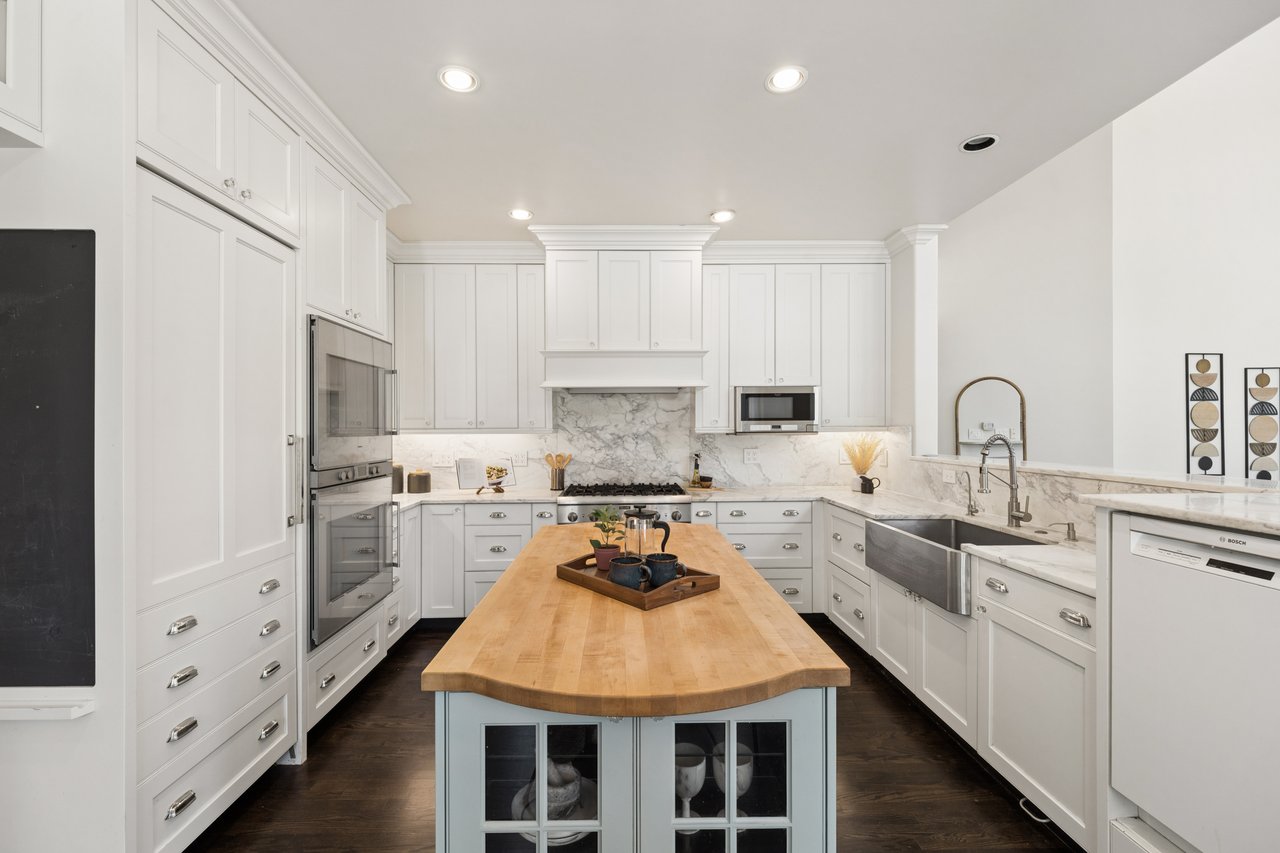
If you are used to typical neighborhood housing patterns, Chautauqua can feel different. Ownership here may involve a historic cottage on leased or subleased land, a property with a unique stewardship structure, or a nearby fee-simple home on surrounding streets.
According to the city, Boulder owns about 80 acres that include Chautauqua Park and surrounding open space, then leases 26 acres and three city-owned structures to the Colorado Chautauqua Association. The Association says it owns the Community House, Missions House Lodge, Columbine Lodge, and 61 of the 99 cottages on the grounds, while the other 38 cottages are privately owned and sit on land subleased through the Association.
That means buyers need to look closely at what is actually being purchased. In this area, property type and ownership structure can affect not only value, but also financing, long-term planning, and the way you use the property.
Historic Cottages and Architectural Character
The housing stock in and around Chautauqua is compact and historic by design. The Colorado Chautauqua campus includes nearly 60 unique cottages and two historic lodges, with studio, one-, two-, and three-bedroom layouts, along with fully equipped kitchens and, in many cases, screened-in porches.
Many of these cottages date from 1899 to 1954. The historic nomination study also notes that many cottages show Craftsman influences, especially those built in the 1910s and 1920s.
For buyers, that architectural character is often part of the appeal. Homes here can offer a sense of place that feels very different from newer construction, with details and proportions tied closely to Boulder’s early development history.
Chautauqua Has a Public-Facing Rhythm
This is not a quiet residential pocket in the usual sense. The Colorado Chautauqua campus hosts concerts, cultural events, educational programs, recreation, lodging, dining, and preservation activity throughout the year.
The Auditorium is home to the summer concert series and the Colorado Music Festival. The campus also includes the Dining Hall and General Store, and Boulder points to seasonal programming such as Flatiron Sounds, Festival Del Sol, and WinterFest.
That activity can be a real benefit if you like living near arts, events, and community gathering spaces. It also means your neighborhood experience may feel more active and more visible than in other parts of Boulder.
What Buyers Should Weigh Carefully
Living near Chautauqua comes with clear advantages, but it is smart to understand the tradeoffs before you buy. This is one of those Boulder locations where lifestyle and logistics are closely connected.
Historic Review Rules
If a property is within a historic district, exterior changes require a Landmark Alteration Certificate. Boulder uses both general and district-specific design guidelines to help protect historic character.
That does not mean change is impossible. It does mean renovations, additions, exterior materials, and other visible work may require more planning and review than you would expect in a non-historic area.
Incentives for Approved Work
Boulder notes that certain historic rehabilitation projects may qualify for tax incentives or sales-tax relief, depending on the property and the work being done. For some buyers, that can help offset part of the cost of maintaining or restoring a historic property.
As with any property-specific benefit, the details matter. A careful review early in the process can help you understand what may apply and what may not.
Visitor Traffic and Seasonal Logistics
Because Chautauqua is one of Boulder’s most visible destinations, visitor activity is part of the package. Parking limits, summer paid parking, and shuttle operations are not side notes here. They are part of the neighborhood’s day-to-day function during busier seasons.
If you love access to trails and cultural programming, that tradeoff may feel well worth it. If you prefer a more private, lower-traffic setting, it is something to consider closely.
Foothills Conditions and Infrastructure
The foothills setting also brings environmental context. The city notes wildlife in the area, and current infrastructure work is focused on undergrounding utilities, improving roadway conditions, and improving wildfire resilience through 2027.
For immediate-area residents, active construction phases can also include no-parking notices. That does not define the neighborhood, but it is part of the practical picture for anyone considering a move here.
Who Chautauqua May Suit Best
Chautauqua tends to appeal to buyers who value setting, history, and direct access to Boulder’s outdoor and cultural life. If you are drawn to historic homes, established character, and a location that feels deeply tied to the landscape, this area can be compelling.
It may be especially attractive if you want Boulder access with a distinct sense of place, rather than a more conventional subdivision layout. Buyers who do best here are usually comfortable looking beyond square footage alone and thinking carefully about ownership structure, preservation rules, and seasonal neighborhood patterns.
Why Local Guidance Matters
A home search near Chautauqua often requires more nuance than a standard purchase. You may need to compare a fee-simple home on a nearby street with a cottage tied to a different ownership structure, while also weighing historic review requirements and daily access logistics.
That is where local experience matters. Understanding how these details affect value, lifestyle, and long-term plans can help you make a more confident decision and avoid surprises later.
If you are considering a move near Chautauqua or anywhere in Boulder, Karen Layer Bernardi, Inc. can help you evaluate the lifestyle, property structure, and market strategy that fit your goals.
FAQs
What is it like living near Chautauqua in Boulder?
- Living near Chautauqua means close access to the Flatirons, major trail connections, and year-round cultural activity, along with practical considerations like limited parking, visitor traffic, and historic-district rules.
Are homes near Chautauqua mostly historic?
- Many properties in and around Chautauqua are historic in character, and many cottages on the campus date from 1899 to 1954, with Craftsman influences common in the 1910s and 1920s.
Can you renovate a home in the Chautauqua historic district?
- Exterior changes to properties in Boulder historic districts require a Landmark Alteration Certificate, and the city applies design guidelines to protect historic character.
Is parking difficult near Chautauqua?
- Parking can be a challenge because the city says spaces are very limited, with overflow often extending onto Baseline Road and nearby streets during busy periods.
Do all Chautauqua properties have standard ownership?
- No. Some properties involve private ownership on subleased land within the Chautauqua campus, while others nearby may be more traditional fee-simple homes on surrounding streets.