If you want a Boulder neighborhood with real history, everyday walkability, and quick access to both downtown and the trails, Mapleton Hill is hard to ignore. You may be drawn to its mature trees, older homes, or the idea of living near Pearl Street without giving up a residential feel. This guide will help you understand what makes Mapleton Hill distinctive, what buyers should know before making a move, and how the neighborhood fits into Boulder’s market today. Let’s dive in.
Why Mapleton Hill Stands Out
Mapleton Hill is Boulder’s third and largest historic district. According to the City of Boulder, it was designated in 1982 and expanded in 2002, with general boundaries from Concord Street to the north, Spruce Street to the south, and 4th Street to Broadway.
The district includes about 500 homes, and much of its character comes from its age. Nearly 57 percent of the homes were built before 1910, and nearly 30 percent were built between 1895 and 1900. The area’s period of significance runs from 1865 through 1946, which gives you a sense of just how deeply rooted this neighborhood is in Boulder’s story.
Mapleton Hill also has a landscape identity that people notice right away. In the 1880s, developers planted more than 200 silver maple and cottonwood trees to soften the site, helping create the mature canopy that still shapes the streets today.
Historic District Living in Boulder
Living in Mapleton Hill means living in a local historic district, and that comes with both appeal and responsibility. The City of Boulder uses historic district designation to protect areas with historic, architectural, and environmental significance, and Mapleton Hill is one of ten local historic districts in the city.
For you as a buyer or owner, that matters because exterior changes are reviewed through the city’s Landmark Alteration Certificate process. This can apply to additions, fences, re-roofing, solar panels, and some tree removal, not just major remodels.
That does not mean you cannot improve a home. It means changes are reviewed with an eye toward preserving the district’s historic character and compatibility with the surrounding streetscape.
What renovation review often focuses on
The Mapleton Hill design guidelines emphasize a few key ideas:
- Building massing
- Roof forms
- Compatibility with the existing streetscape
- Preserving the original building form when possible
- Placing additions to the rear or side rather than changing the historic profile
If you love older homes but also want modern function, this is one of the most important parts of the neighborhood to understand early. A smart buying strategy in Mapleton Hill often includes looking closely at what has already been updated, what may need review, and how your long-term plans align with local guidelines.
Homes and Architecture in Mapleton Hill
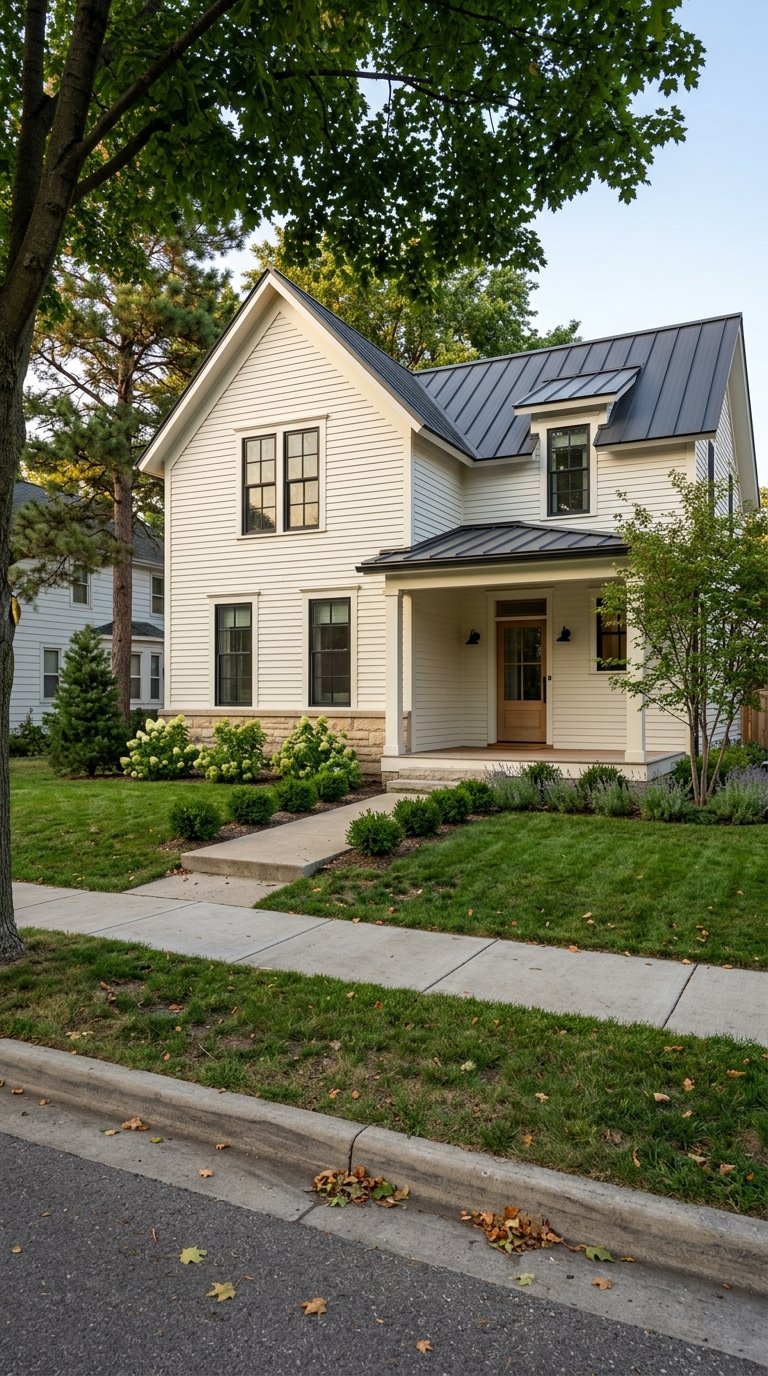
One of the most appealing things about Mapleton Hill is that it does not feel one-note. The district materials reference architectural styles such as Italianate, Queen Anne, and bungalow forms, and steeply pitched hipped or gable roofs are common throughout the area.
At the same time, the housing stock is not uniform. The south end historically attracted wealthier residents, while the north end near Concord and Maxwell developed with smaller, simpler homes. For buyers, that means Mapleton Hill offers a mix of modest early cottages and more substantial historic residences rather than one single housing type or price tier.
It is also helpful to know that Mapleton Hill is not limited to detached houses. Current market inventory can include condo-style options, which may appeal if you want a lock-and-leave setup in a location with strong neighborhood character.
Daily Life: Walkability, Downtown, and Trails
Mapleton Hill’s lifestyle appeal goes beyond architecture. It scores 83 on Walk Score, with a bike score of 86 and a transit score of 52, supporting its reputation as one of Boulder’s more walkable neighborhoods.
For many residents, closeness to downtown is a major advantage. Pearl Street Mall, Boulder’s four-block outdoor pedestrian destination, is a nearby anchor for dining, shopping, and everyday errands.
Outdoor access is another major reason buyers focus on this area. The city notes that the Mount Sanitas trail work connects community members from Mapleton Drive to the summit, and the Centennial Trailhead provides access to the Mount Sanitas and Red Rocks areas.
The Centennial information also notes a bus stop at Broadway and Mapleton, followed by about a nine-block walk or bike ride west on Mapleton to the trailhead. Boulder Creek Path adds another layer of convenience, with a 5.5-mile multi-use path that runs through downtown and west to Boulder Canyon.
What that lifestyle can look like
Depending on where you live within Mapleton Hill, your routine may include:
- Walking to downtown Boulder amenities
- Biking for errands or recreation
- Quick access to Mount Sanitas area trails
- Easy connection to Boulder Creek Path
- Living among mature trees and established streetscapes
For many buyers, that blend of historic setting and outdoor access is the neighborhood’s strongest draw.
What the Market Looks Like
Mapleton Hill sits in a part of Boulder where pricing can vary widely from one property to the next. That is not surprising in a historic district with a broad mix of home sizes, lot characteristics, update levels, and architectural styles.
As of March 31, 2026, Zillow’s Mapleton Hill home value index was $1,310,637, down 3.0 percent over the prior year. Zillow also showed 19 homes for sale and 5 new listings at that time.
Redfin’s March 2026 data showed a median sale price of $2,225,000, up 20.3 percent year over year, with homes taking a median 112 days to sell. These are different data points measuring different things, so they are best used as directional context rather than a direct apples-to-apples comparison.
Recent sales help show the neighborhood’s range. Reported Redfin sales included $930,000 at 780 Alpine Ave, $1.81 million at 405 Valley View Dr, $2.65 million at 2449 5th St, and $5.85 million at 2656 4th St.
What buyers should take from that range
If you are searching in Mapleton Hill, it helps to expect variety rather than a single clear price band. You may find:
- Older homes with smaller footprints
- Updated properties in the mid-to-upper million-dollar range
- Luxury homes with premium pricing
- Condo-style inventory in some cases
That makes local guidance especially valuable. In a neighborhood like this, pricing depends heavily on condition, historical character, location within the district, and how a home balances charm with modern livability.
Is Mapleton Hill Right for You?
Mapleton Hill can be a strong fit if you want a neighborhood with a clear sense of place. The historic district setting, varied architecture, mature canopy, and close connection to both downtown and outdoor recreation create a lifestyle that is very specific to Boulder.
It may be especially appealing if you value character over uniformity. Homes here often come with details, constraints, and opportunities that differ from what you would find in a newer neighborhood.
It is also a market where preparation matters. If you are buying, you will want a clear understanding of renovation rules, property condition, and price positioning before you make a decision.
A Smart Approach to Buying Here
In Mapleton Hill, the right strategy starts with clarity. You want to know whether you are prioritizing historic details, trail access, downtown convenience, a lower-maintenance option, or long-term renovation potential.
From there, the search becomes more focused. A team with strong Boulder knowledge can help you compare not just list prices, but also the practical differences between blocks, home types, and levels of remodel work already completed.
That kind of neighborhood nuance matters in a historic district. If you are considering a move into Mapleton Hill, working with a local team can help you evaluate opportunity, avoid surprises, and move forward with confidence.
If you are exploring homes in Boulder’s most established neighborhoods, Karen Layer Bernardi, Inc. can help you build a clear, local strategy tailored to your goals.
FAQs
What is Mapleton Hill in Boulder known for?
- Mapleton Hill is known for its status as Boulder’s third and largest historic district, its mature tree canopy, its mix of historic homes, and its close access to downtown Boulder and nearby trails.
Are homes in Mapleton Hill all single-family houses?
- No. While the neighborhood is historically known for older houses, current market inventory can also include condo-style options.
Can you renovate a home freely in Mapleton Hill?
- Not entirely. Because Mapleton Hill is a local historic district, exterior changes require City of Boulder Landmark Alteration Certificate review, including many common projects such as additions, fences, re-roofing, solar panels, and some tree removal.
Is Mapleton Hill close to Pearl Street and Boulder trails?
- Yes. Mapleton Hill is near downtown Boulder and Pearl Street Mall, and it also offers access to Mount Sanitas area trails, the Centennial Trailhead, and Boulder Creek Path.
What is the price range for homes in Mapleton Hill?
- The neighborhood shows a wide range. Recent reported sales ran from $930,000 to $5.85 million, which reflects the area’s variety in home size, condition, and location within the district.