Welcome to Gunbarrel, CO
Gunbarrel, CO is a distinct Boulder County enclave that blends suburban convenience with a semi-urban, professional-oriented lifestyle. Located northeast of downtown Boulder and south of Longmont, Gunbarrel offers proximity to Boulder’s employment base and outdoor amenities without the density, congestion, or pricing pressure of core Boulder neighborhoods. Its identity is shaped by a mix of residential communities, business parks, and open space, creating a pragmatic, low-key alternative to traditional Boulder living.
The neighborhood’s character is defined by planned developments, landscaped common areas, and a noticeable balance between residential calm and weekday activity driven by nearby offices and research facilities. Gunbarrel feels more structured and efficient than Boulder proper, with fewer tourists, quieter streets, and a more predictable day-to-day rhythm. The vibe appeals to residents who value functionality, accessibility, and a cleaner separation between work, recreation, and home life.
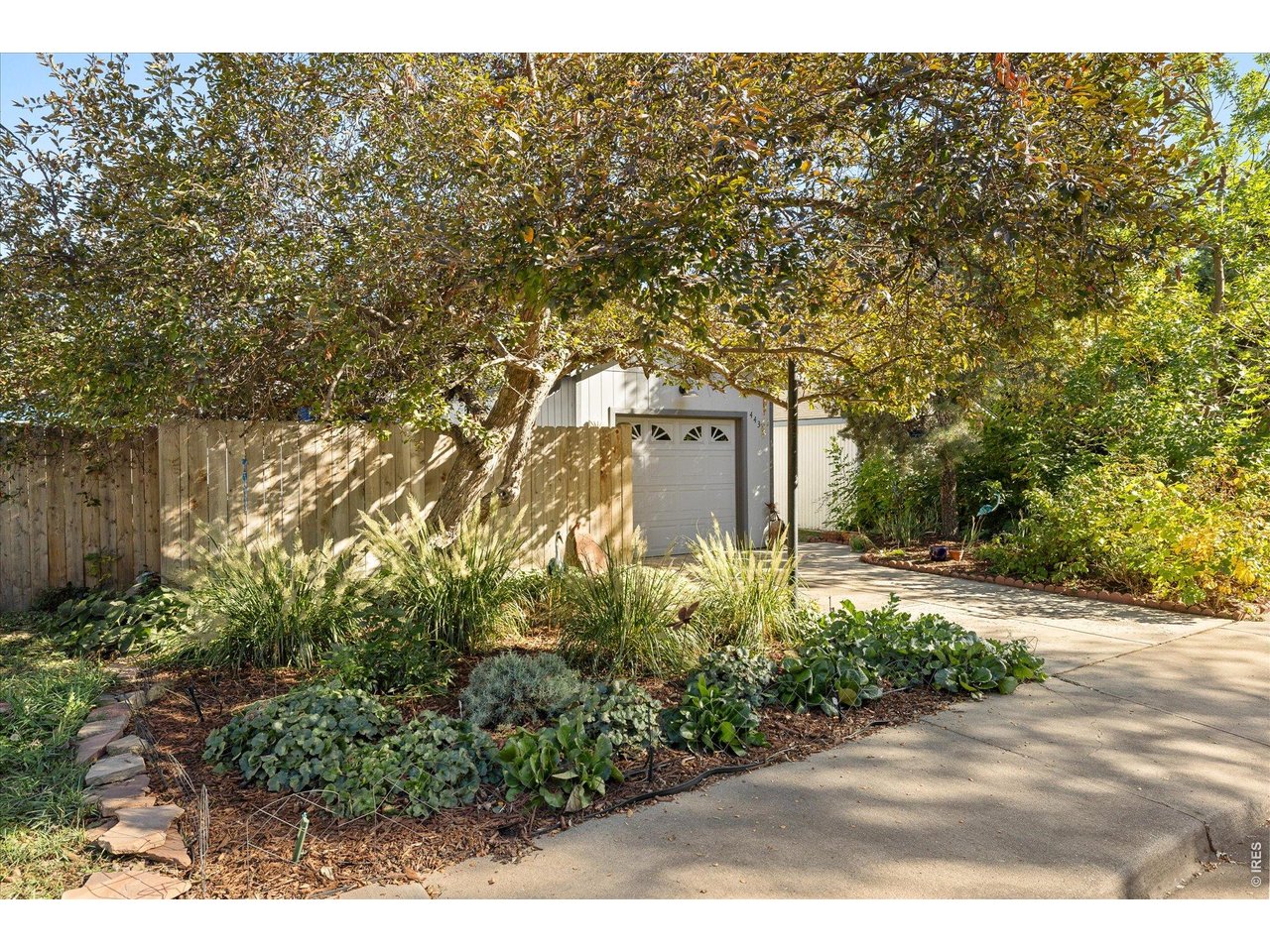
Lifestyle in Gunbarrel centers on convenience and outdoor access rather than nightlife or cultural intensity. Residents enjoy quick access to trails, open space, and cycling routes, alongside everyday amenities like breweries, cafes, fitness studios, and neighborhood retail. Many communities emphasize low-maintenance living, with HOAs handling landscaping, snow removal, and shared amenities—appealing to those prioritizing time efficiency.
Gunbarrel attracts a diverse but clearly defined population profile:
-
Professionals working in Boulder, Longmont, or Denver’s tech and research sectors
-
Remote workers seeking space and quiet with strong regional connectivity
-
Downsizers and empty nesters drawn to patio homes and townhome communities
-
Investors targeting stable rental demand tied to employment centers
What makes Gunbarrel particularly appealing is its positioning. It offers Boulder adjacency without Boulder intensity—lower entry prices, easier parking, and less competition, while still providing access to Boulder Valley schools, employment hubs, and outdoor assets. For buyers seeking a rational, well-located neighborhood with long-term livability rather than lifestyle spectacle, Gunbarrel occupies a compelling middle ground in the Boulder County market.
History of Gunbarrel, CO
Gunbarrel’s history is closely tied to Boulder County’s post-war expansion and the rise of research, technology, and light industrial employment along the U.S. 119 corridor. Prior to suburban development, the area consisted largely of agricultural land and open prairie, used for farming and grazing. Its location between Boulder and Longmont made it a natural candidate for future growth once regional transportation improved.
Significant change began in the 1960s and 1970s with the establishment of industrial and research facilities, most notably the IBM campus. This marked a shift from rural land use to a planned employment center, setting Gunbarrel apart from purely residential suburbs. Residential development followed in a measured, master-planned manner to support a growing professional workforce.
Architecturally, Gunbarrel evolved through several distinct phases:
-
Early developments featured low-rise offices and modest townhome complexes
-
Later residential growth emphasized condominiums, patio homes, and PUDs
-
Design favored functional layouts, uniform setbacks, and HOA-managed communities rather than historic or eclectic styles
Unlike older Boulder neighborhoods, Gunbarrel lacks a traditional downtown or historic core. Instead, it developed as a collection of cohesive subdivisions integrated with business parks and open space. This intentional planning shaped its modern, orderly appearance and reinforced its reputation as a practical, commuter-friendly neighborhood.
Today, Gunbarrel reflects its origins as a work-adjacent residential hub. Its identity is defined less by historic preservation and more by long-term planning, infrastructure, and adaptability. The result is a neighborhood that continues to attract professionals and long-term residents seeking stability, accessibility, and a quieter alternative to Boulder’s older, more established districts.
About the Location/Geography of Gunbarrel, CO
Gunbarrel is located in northeastern Boulder County, positioned strategically between the cities of Boulder and Longmont along the Diagonal Highway (CO-119). It sits approximately 6 miles northeast of downtown Boulder and about 7 miles south of Longmont, making it a natural midpoint for commuting, employment access, and regional connectivity. Denver is roughly 30–35 miles southeast, accessible via CO-119 and US-36.
The neighborhood’s generally accepted boundaries are defined by major transportation corridors and open land rather than historic lines. Gunbarrel is bordered by open space and agricultural land to the north and east, the Diagonal Highway corridor to the south, and Boulder city limits to the west. This positioning gives Gunbarrel a sense of separation from dense urban areas while maintaining immediate access to nearby cities.
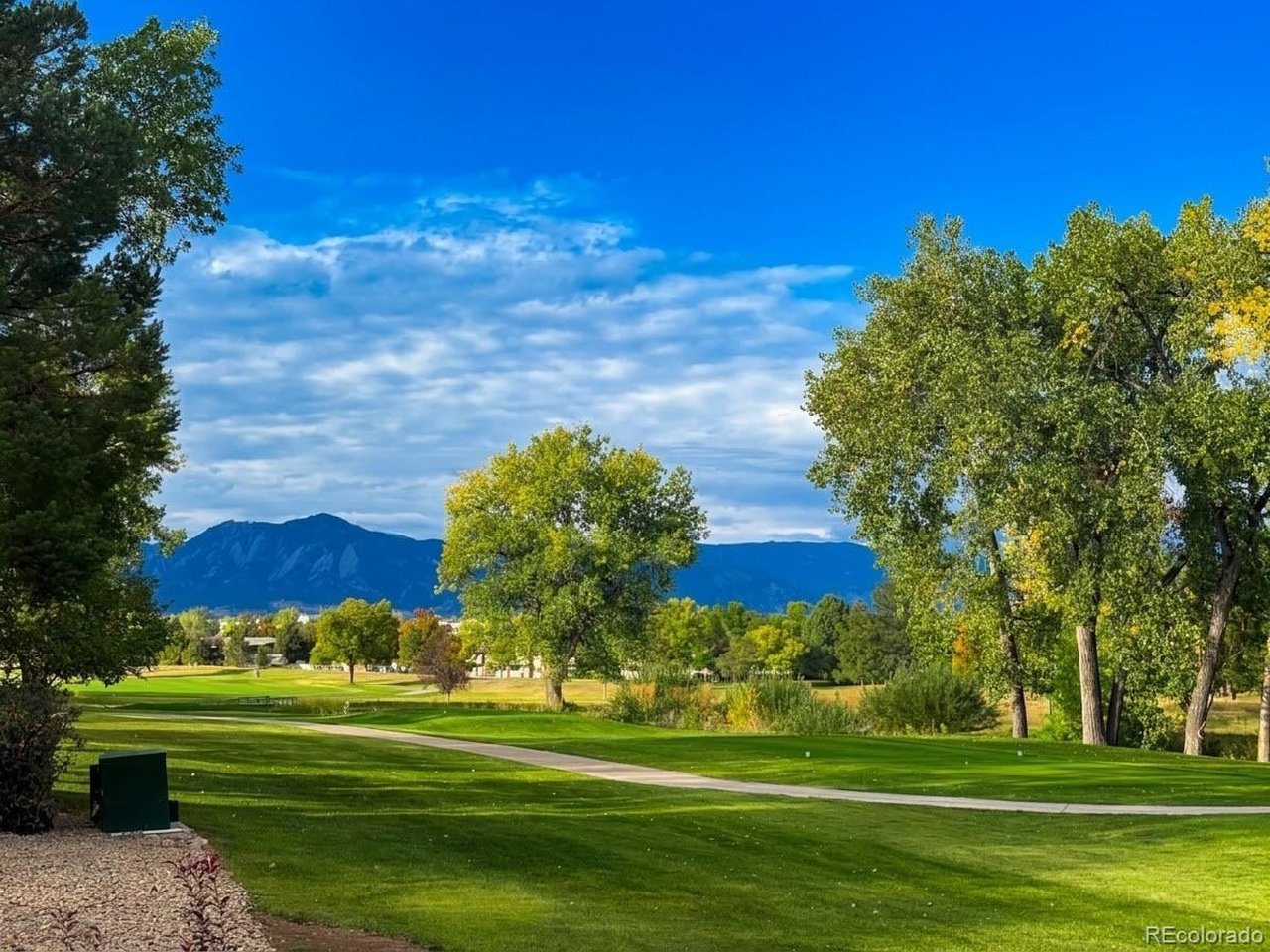
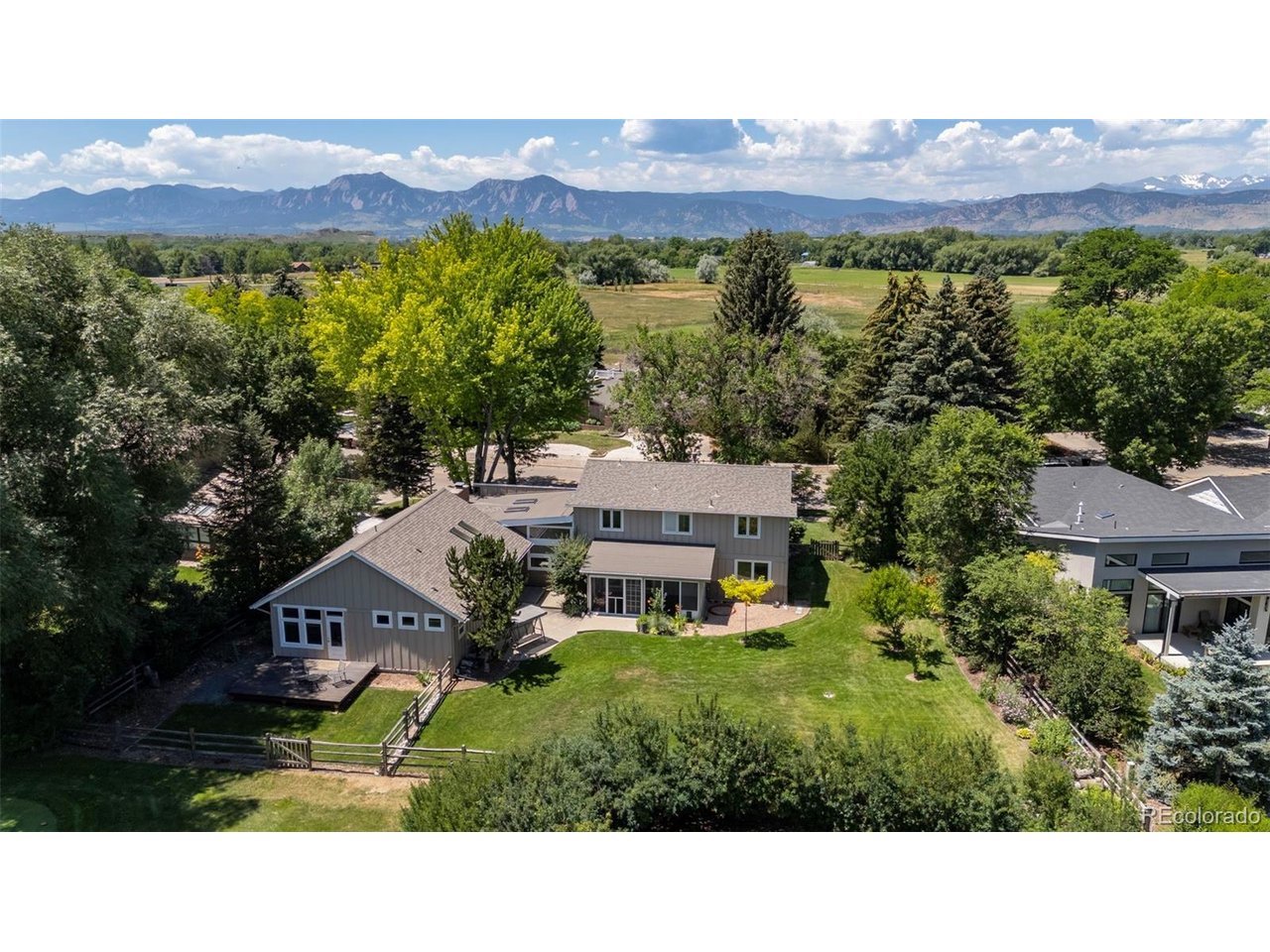
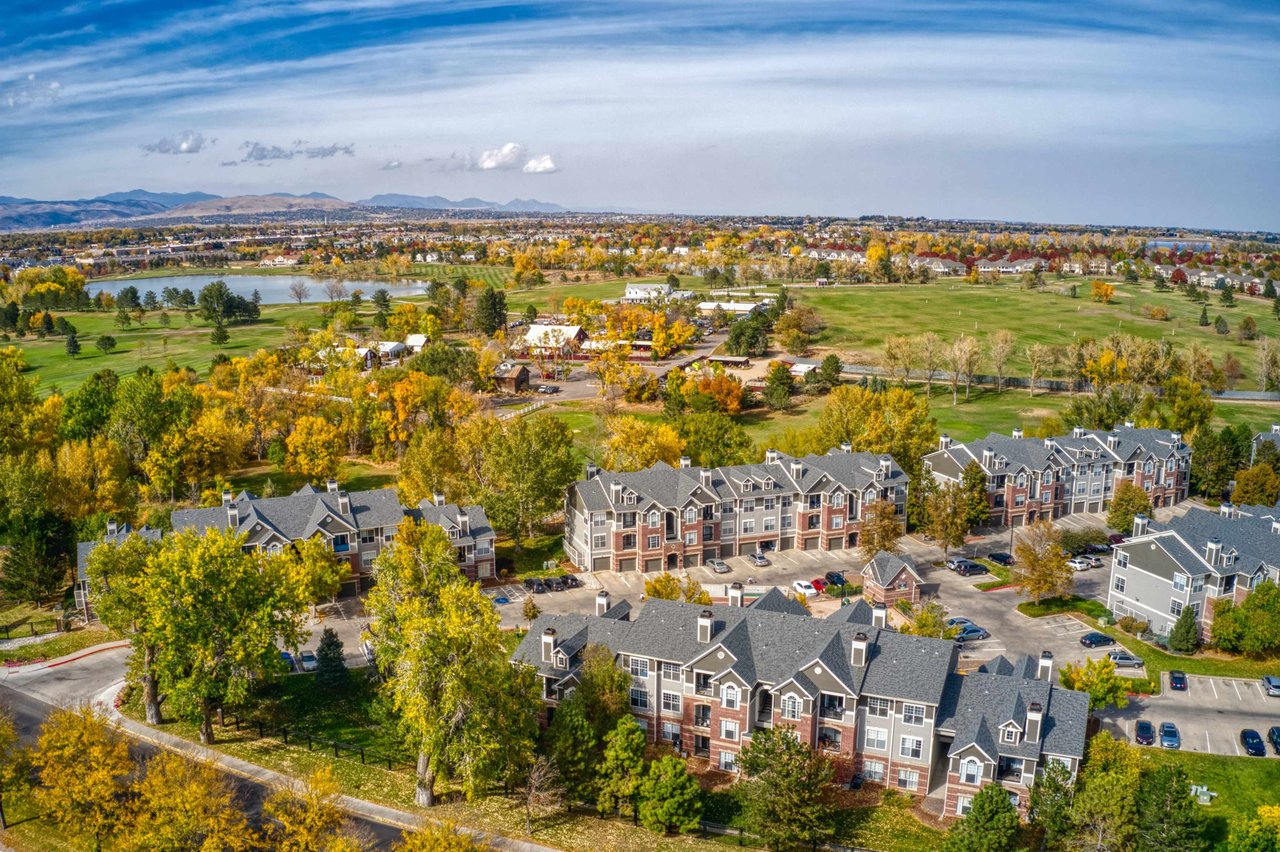
Geographically, Gunbarrel sits on the plains just east of the Rocky Mountain foothills. The terrain is predominantly flat to gently rolling, with wide streets, open sightlines, and unobstructed views of the Front Range to the west. This flatter topography supports easy cycling, walkable internal routes, and efficient neighborhood planning, contrasting with Boulder’s more varied elevation and hillside development.
Gunbarrel experiences a semi-arid Front Range climate typical of northern Colorado:
-
Four distinct seasons with abundant sunshine year-round
-
Warm, dry summers and cool evenings
-
Cold winters with lighter snowfall compared to mountain communities
-
Frequent Chinook winds that moderate winter temperatures
Natural surroundings play a key role in Gunbarrel’s appeal despite its developed character. The neighborhood is adjacent to Boulder County open space, regional trails, and grassland preserves, offering quick access to walking, biking, and wildlife viewing. While not immersed in wilderness, Gunbarrel benefits from a transitional landscape—where suburban development meets open prairie and foothill views—reinforcing its balance between accessibility and outdoor-oriented living.
Gunbarrel, CO: Housing Market Overview
Gunbarrel’s real estate market functions as a distinct submarket within Boulder County, generally positioned between Boulder and Longmont in both pricing and competitiveness. Home values are consistently lower than Boulder proper but higher than many comparable Longmont neighborhoods, reflecting Gunbarrel’s proximity to employment centers, schools, and open space.
Home prices in Gunbarrel are driven by housing type rather than lot size or architectural distinction. Condos and townhomes make up a significant share of transactions, with patio homes and paired homes commanding premiums due to limited supply and low-maintenance appeal. Single-family inventory is comparatively scarce, which supports pricing stability even during slower market cycles.
Inventory levels tend to be tight but less constrained than in Boulder:
-
Fewer bidding wars than central Boulder neighborhoods
-
More price sensitivity, especially for older condos or high-HOA properties
-
Seasonal inventory increases in spring and early summer
Days on market typically skew shorter than Longmont but longer than Boulder, reflecting a balanced pace rather than urgency-driven competition. Well-priced, updated homes—particularly those with mountain views or proximity to trails—often move quickly, while properties with higher HOA fees or dated interiors may linger.
From an appreciation standpoint, Gunbarrel has shown steady, long-term value growth rather than sharp spikes. Its price resilience is supported by consistent demand from professionals and downsizers, but appreciation rates are generally more moderate than Boulder’s historic highs. This makes Gunbarrel attractive to buyers prioritizing stability and entry-point value rather than speculative upside.
Market conditions in Gunbarrel often sit near equilibrium:
-
Sellers benefit from limited supply and consistent demand
-
Buyers retain more leverage than in Boulder, especially on pricing and terms
-
Negotiations are more common, particularly in shifting interest-rate environments
Overall, Gunbarrel behaves as a pragmatic, balanced market—less volatile than Boulder, stronger than many outer suburbs, and well-suited to buyers and sellers seeking predictability rather than extremes.
Types of Homes Available in Gunbarrel, CO
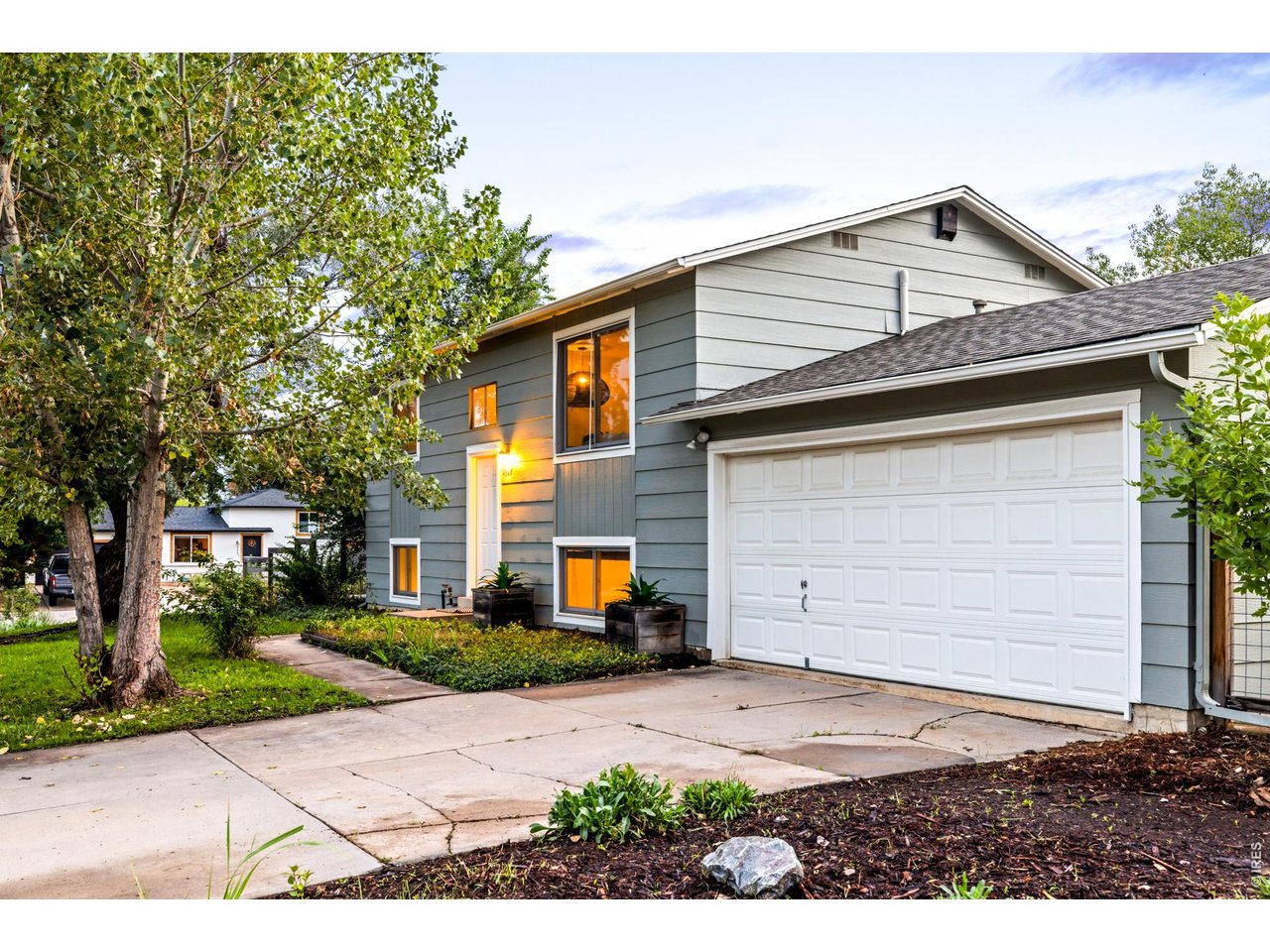
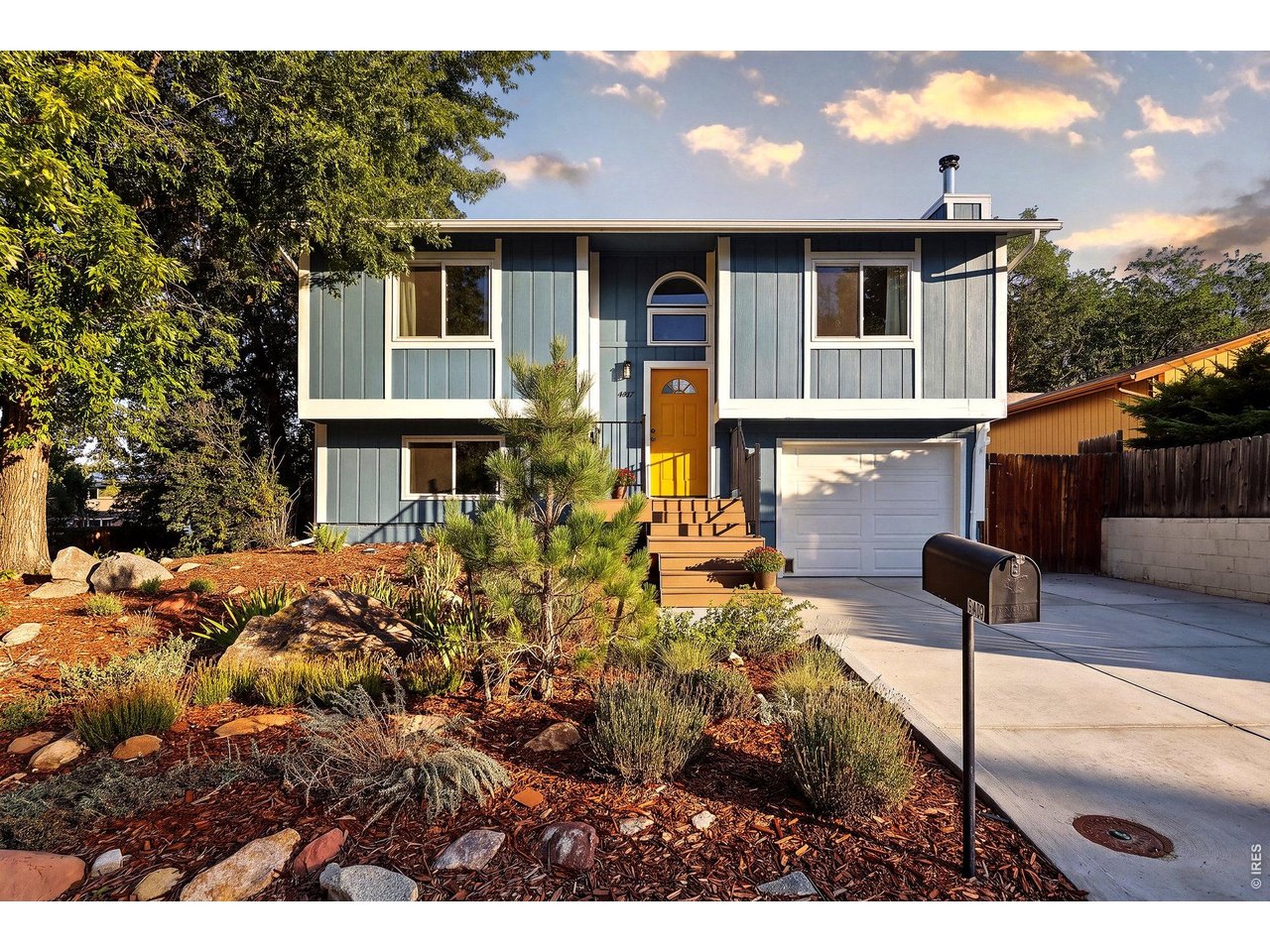
Gunbarrel’s housing stock is defined by planned, low- to medium-density development rather than traditional single-family subdivisions. The neighborhood offers a diverse but clearly segmented mix of home types, with an emphasis on low-maintenance living and HOA-managed communities.
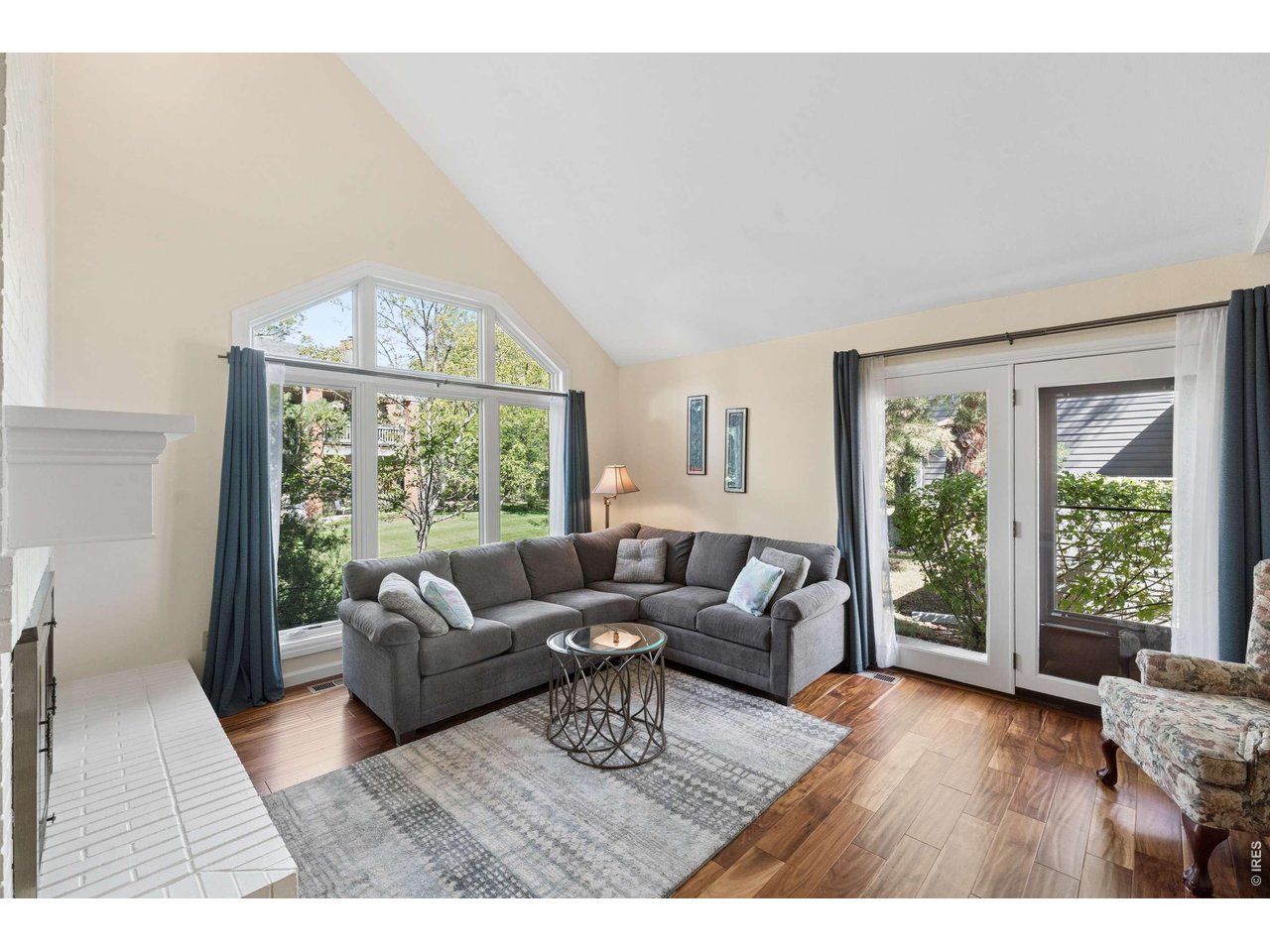
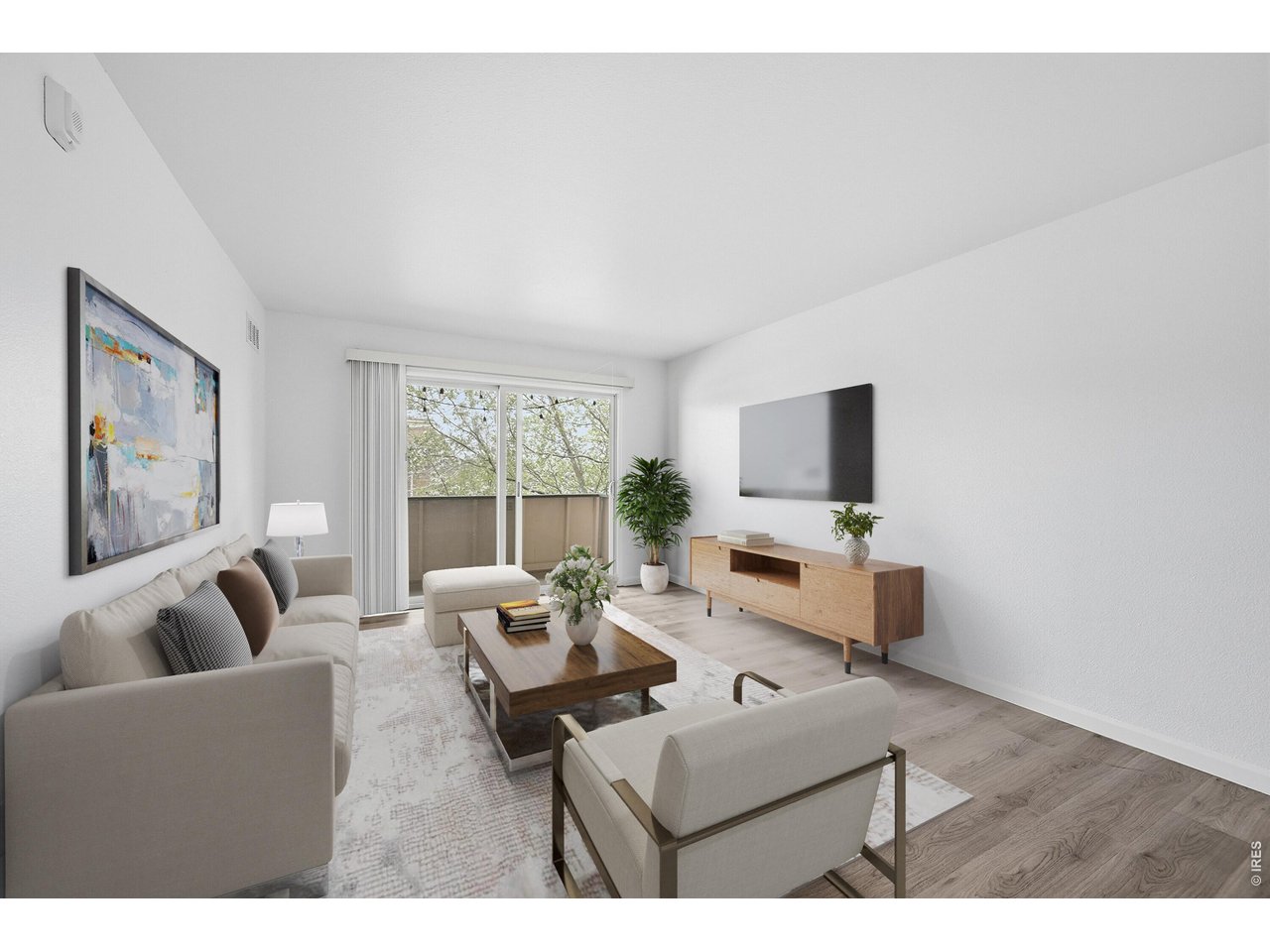
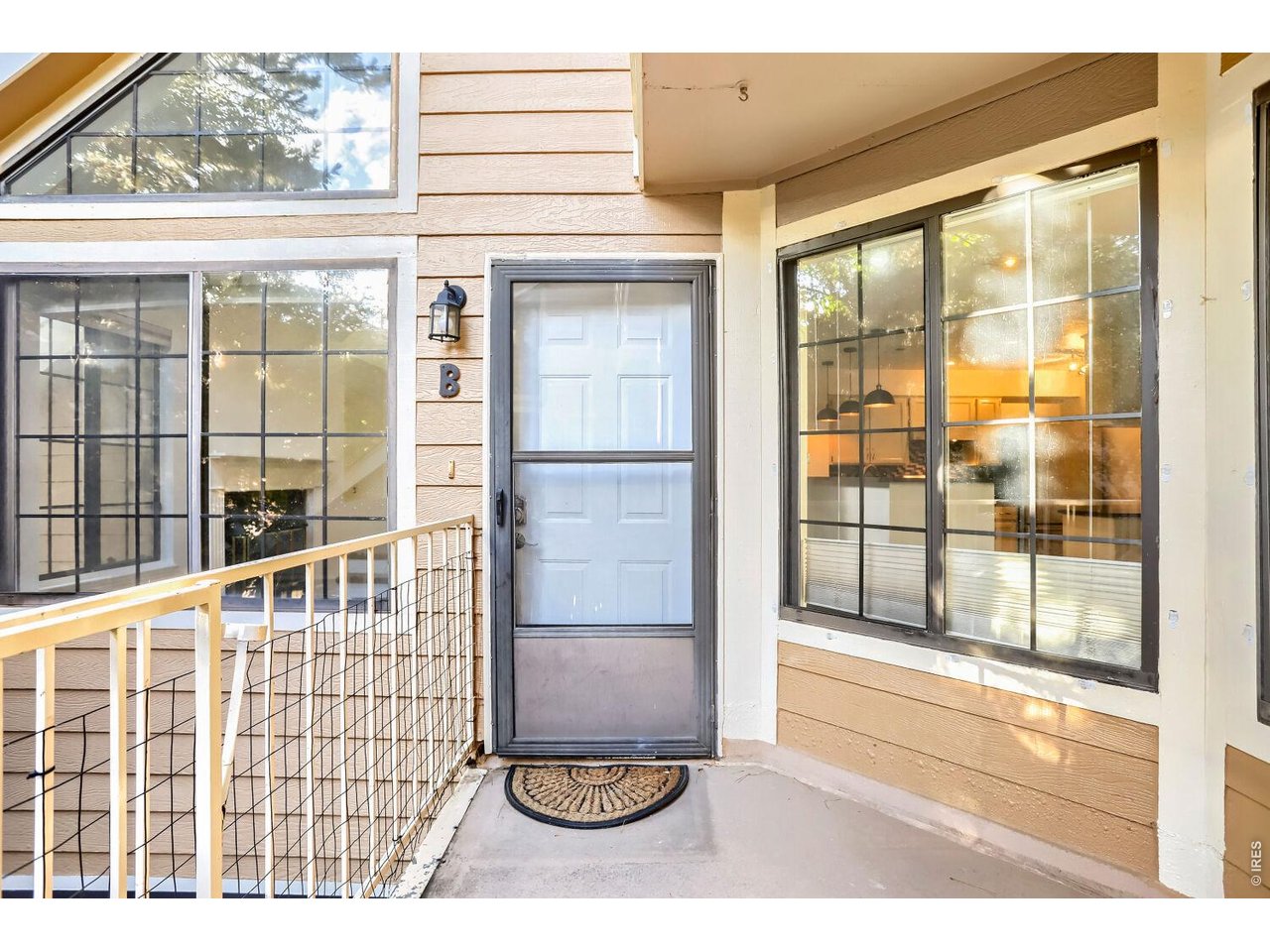
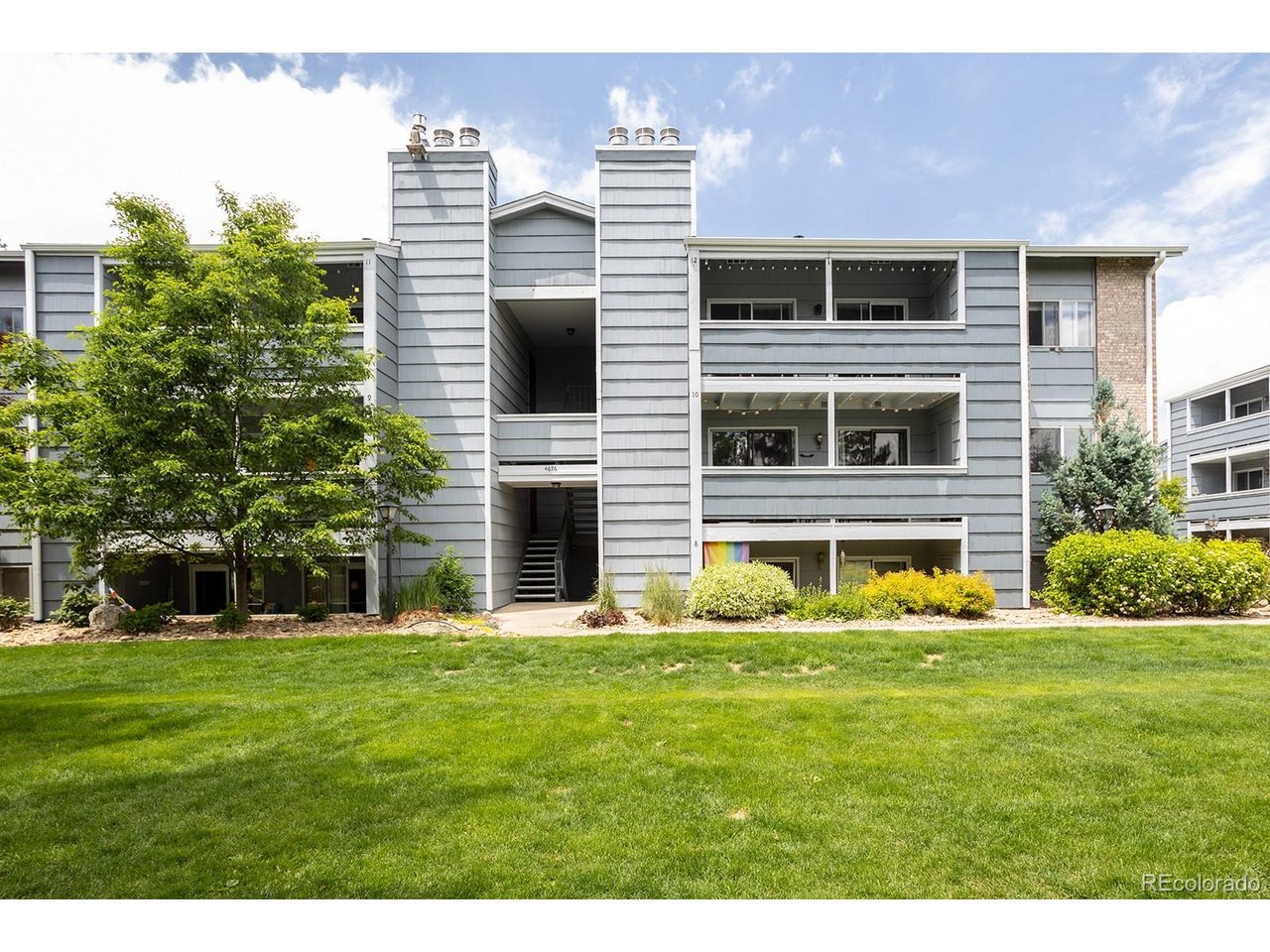
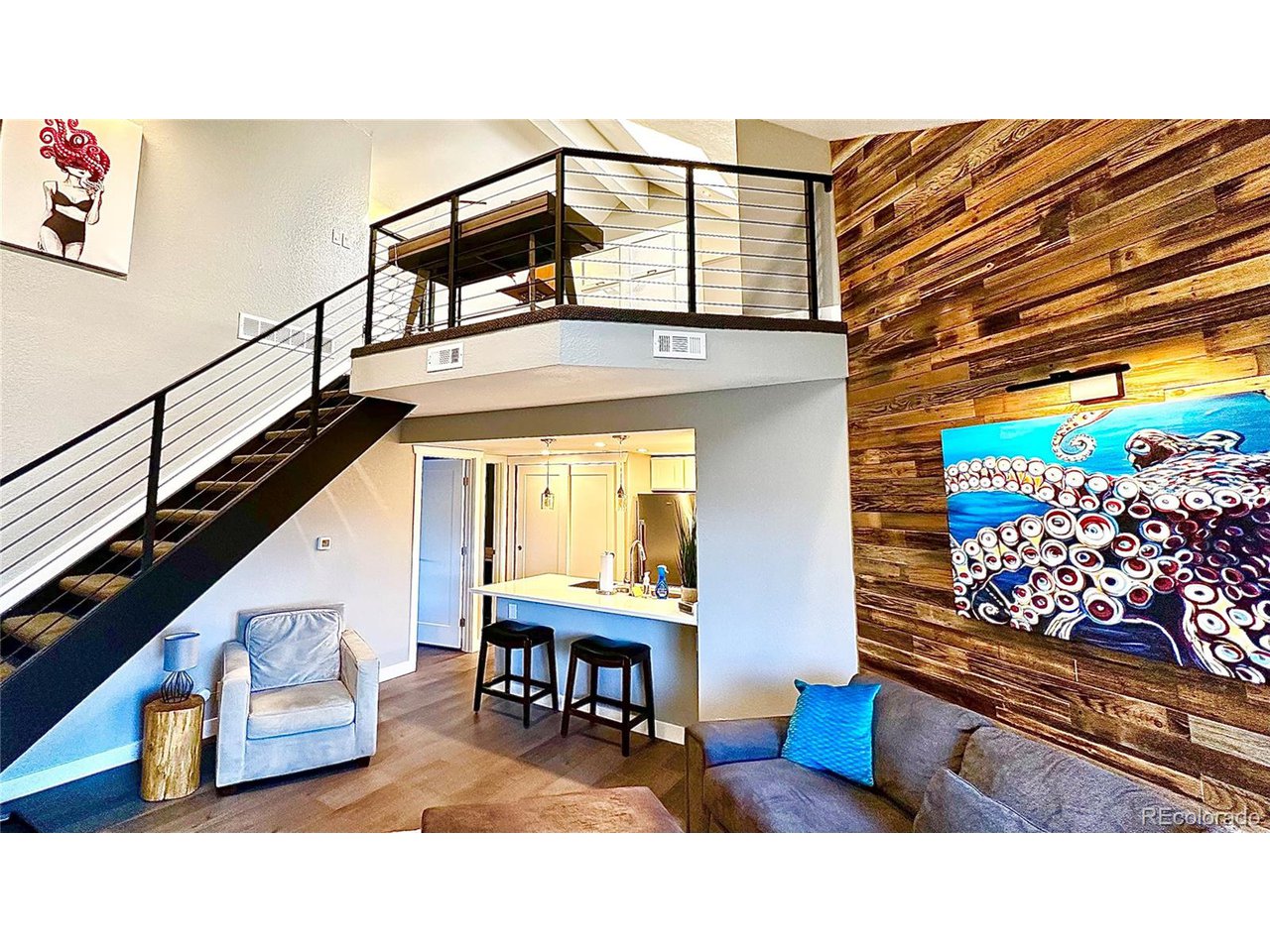
Condominiums make up a large portion of Gunbarrel’s inventory. These range from older, entry-level units built in the 1970s–1990s to more modern, well-appointed complexes with updated interiors and shared amenities. Condos appeal to first-time buyers, investors, and downsizers, though HOA fees and age of construction are key differentiators in value.
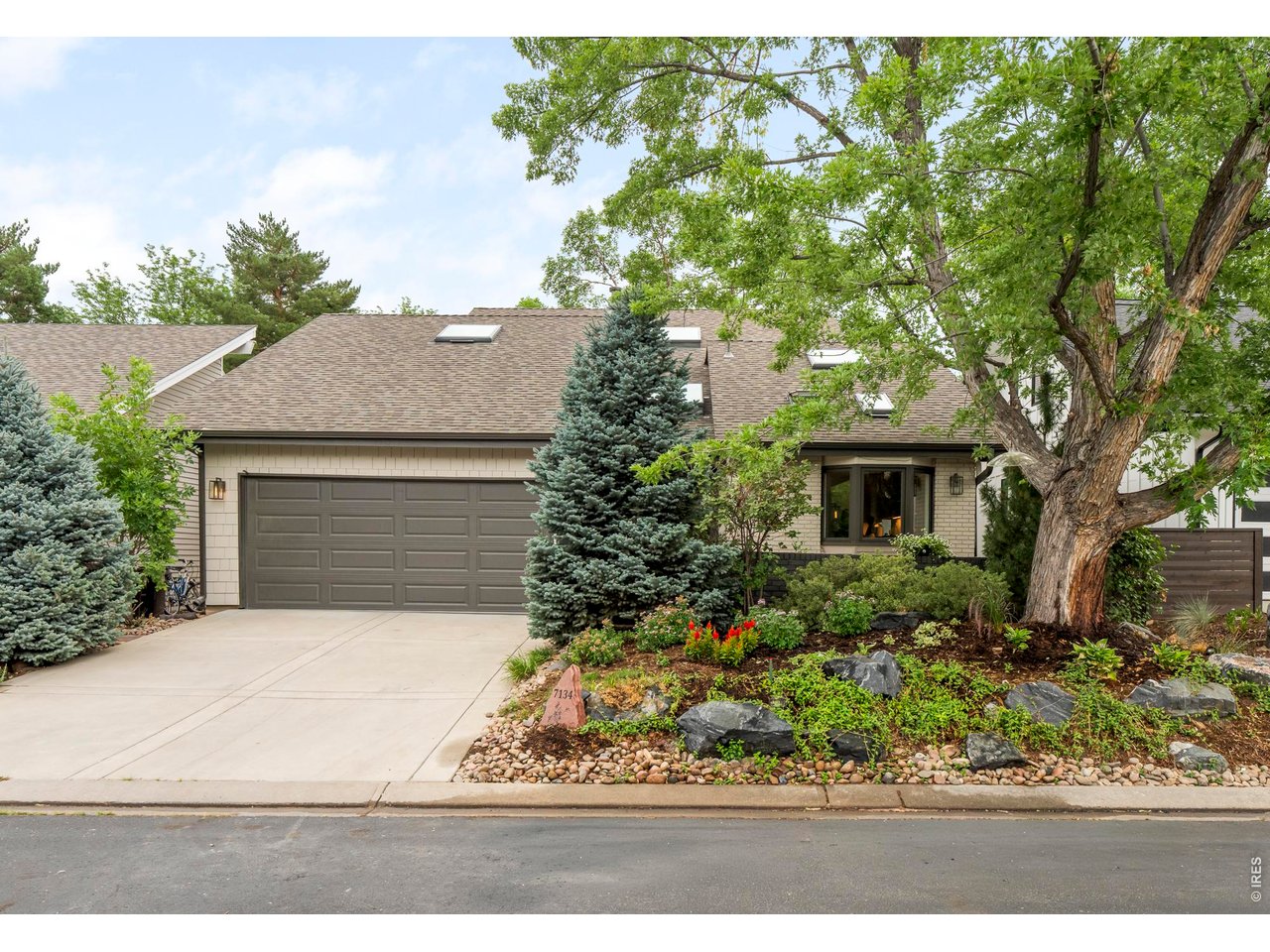
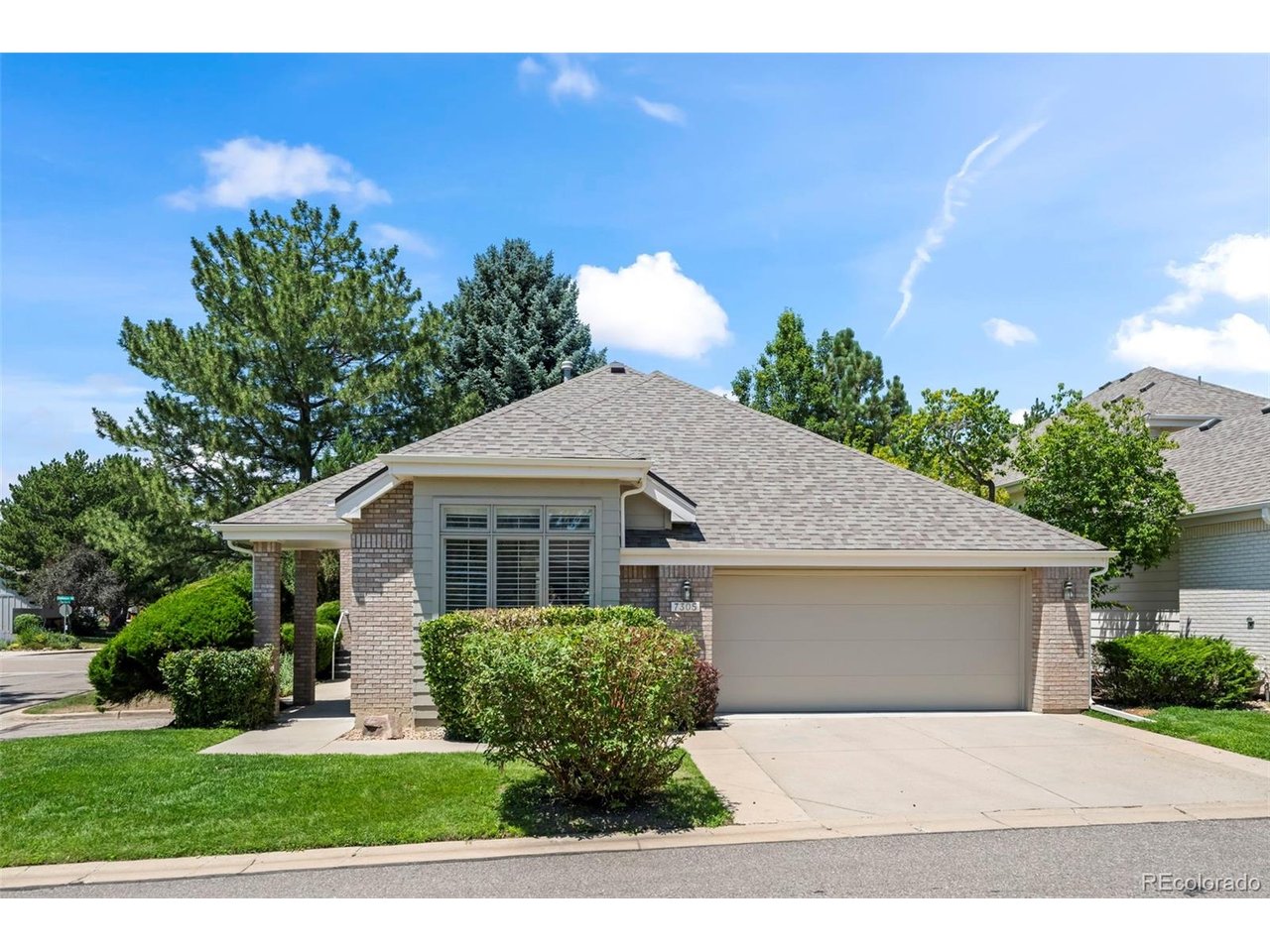
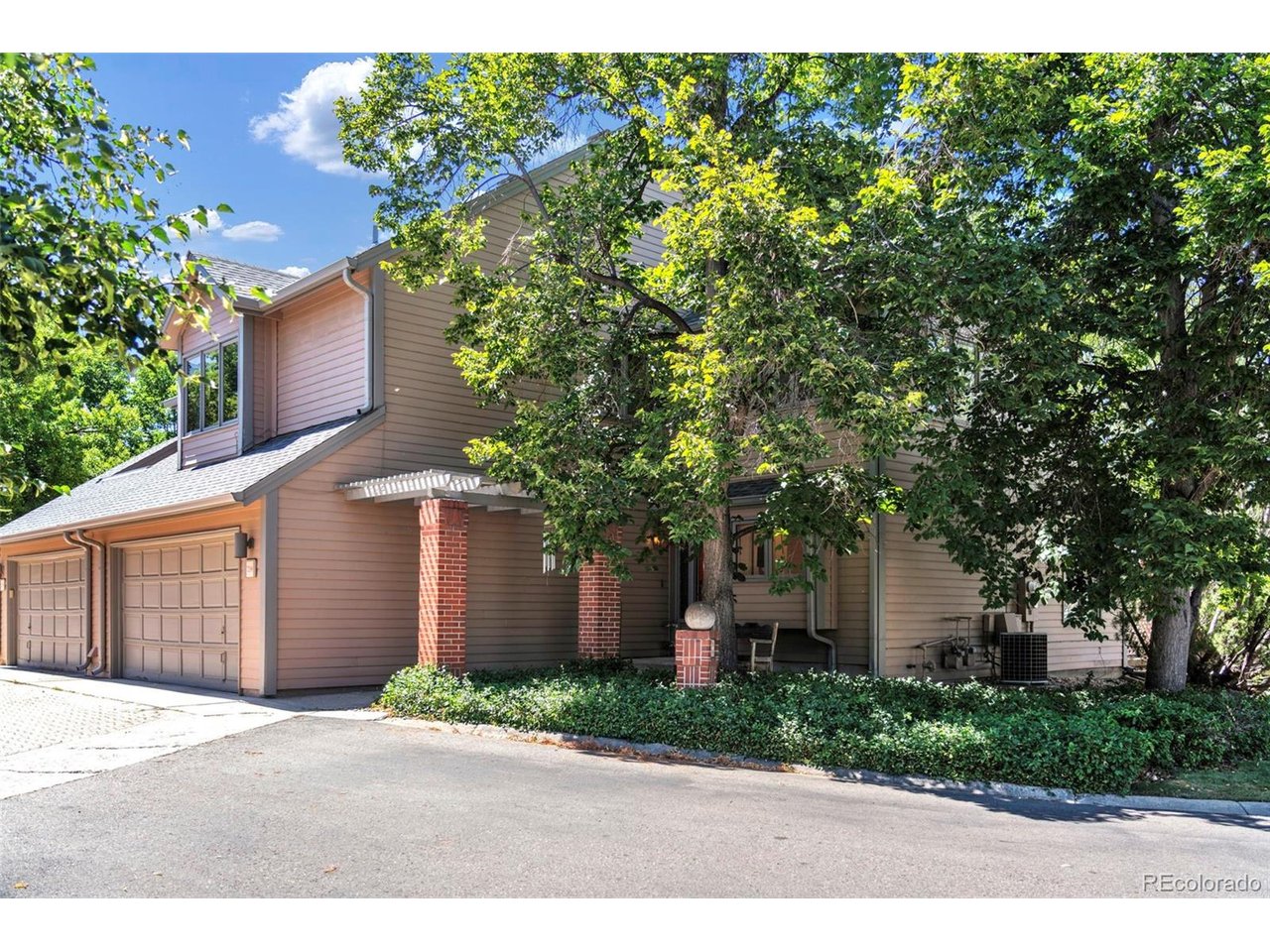
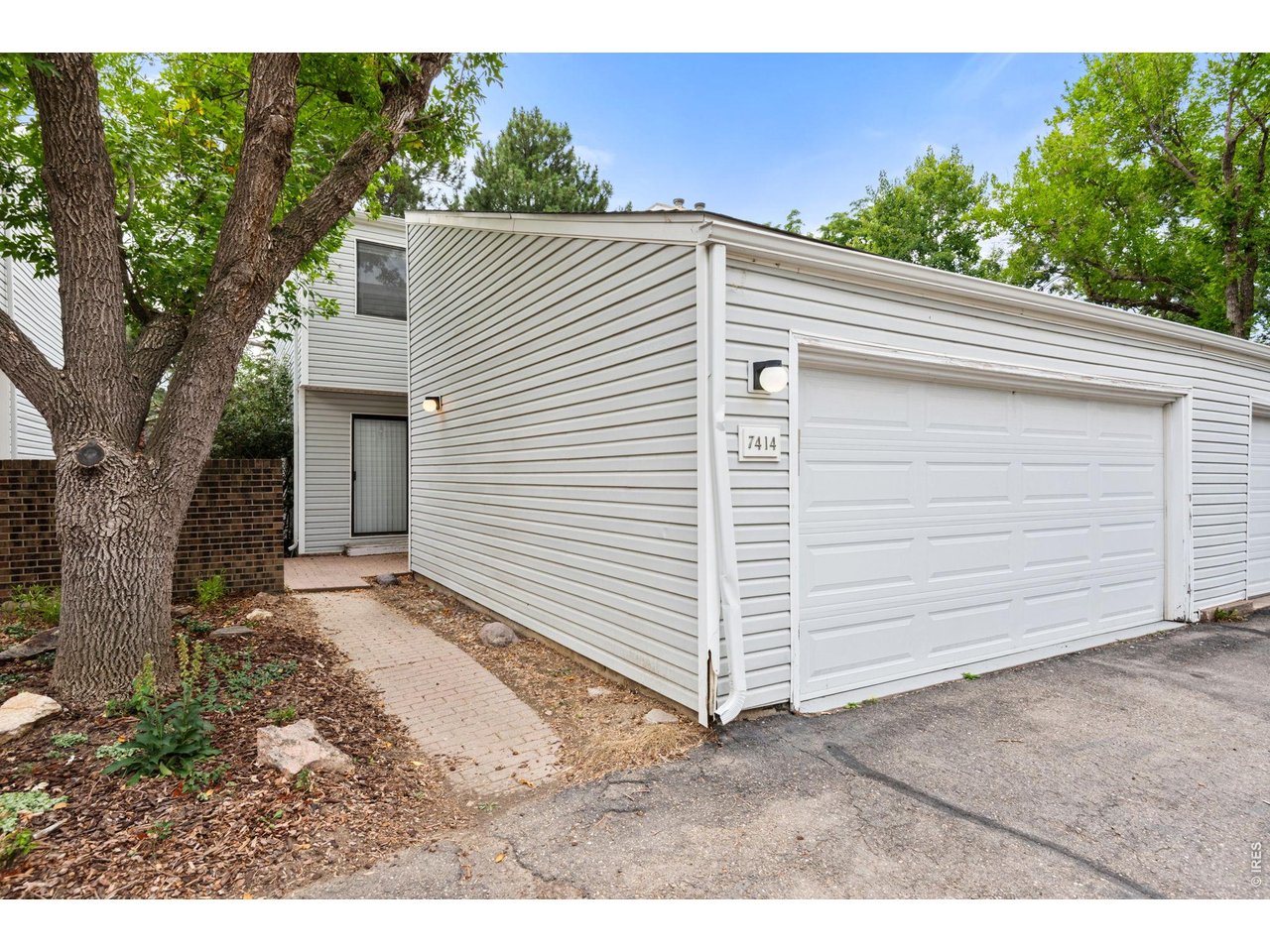
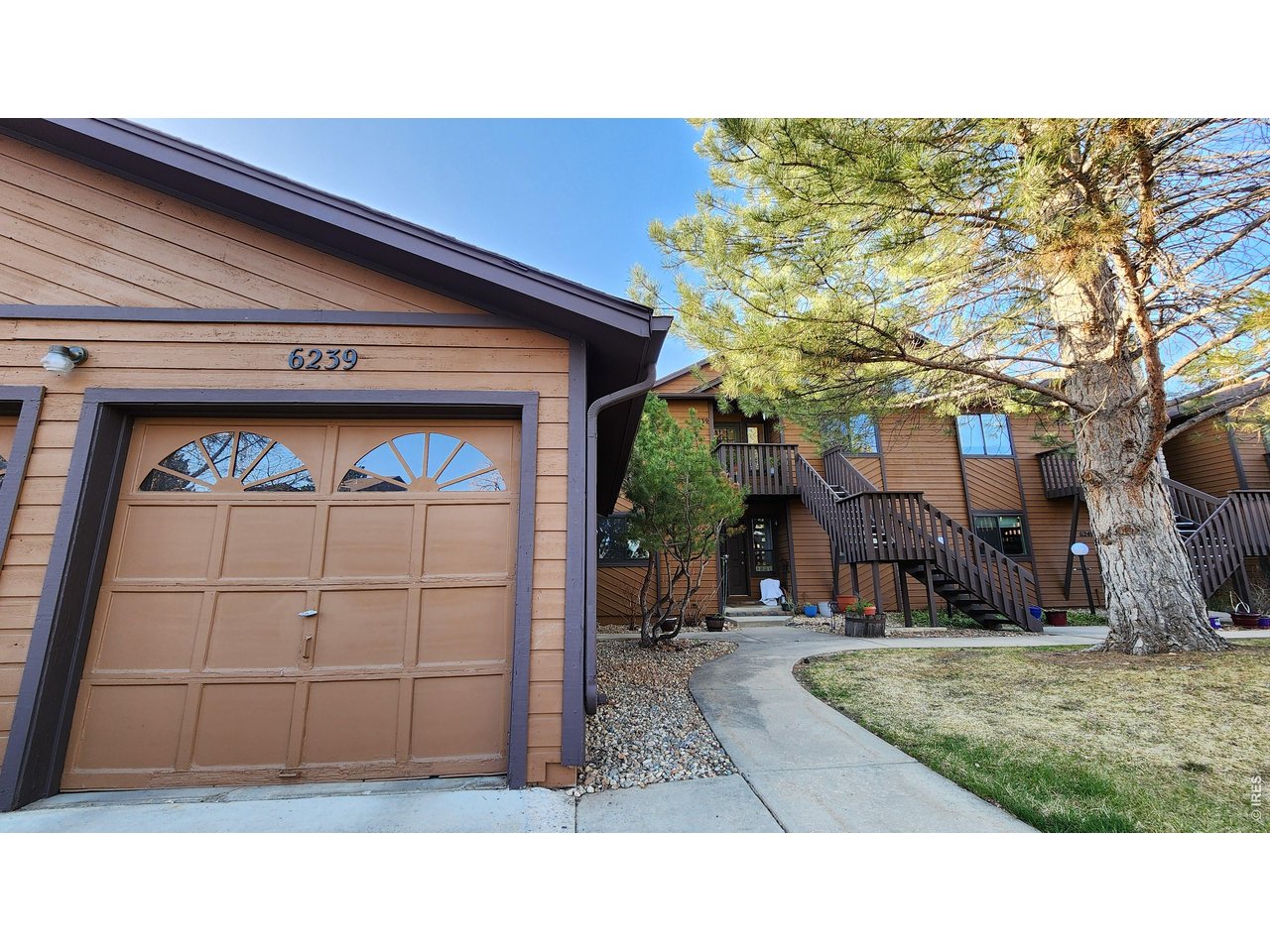
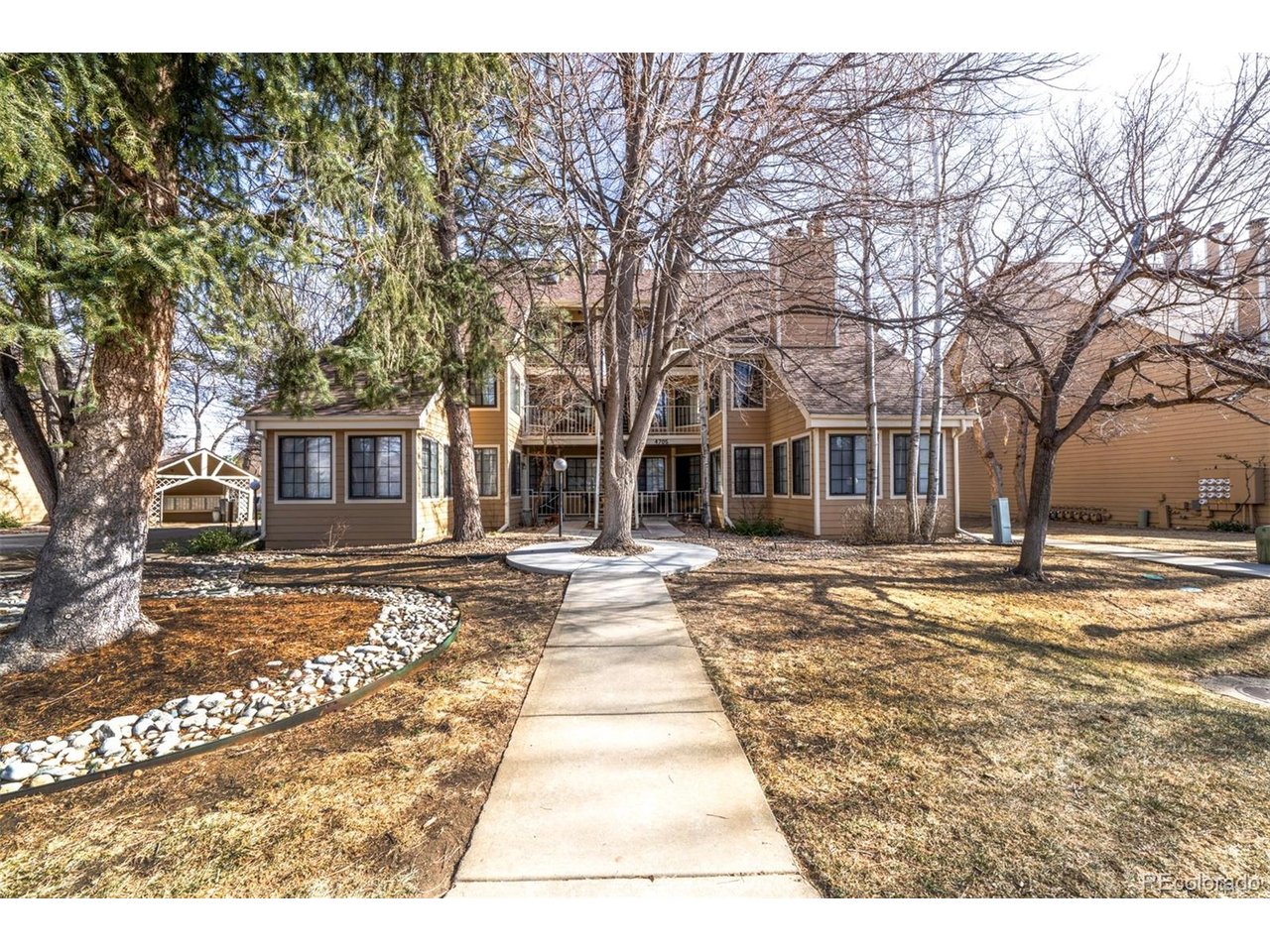
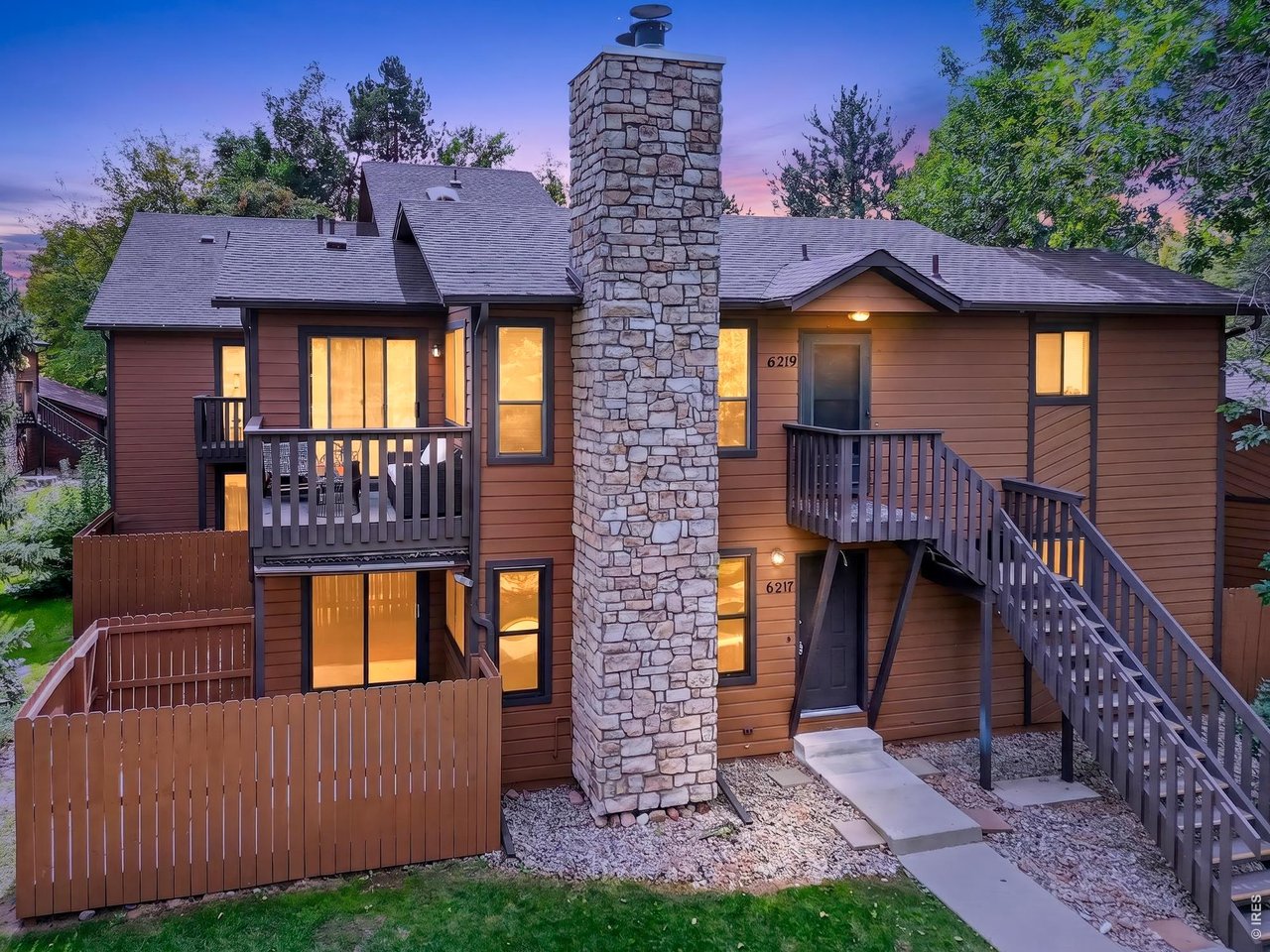
Townhomes and paired homes are among the most in-demand options in Gunbarrel. These properties typically offer multi-level layouts, attached garages, and private outdoor space with less upkeep than detached homes. Many are located within planned developments and command higher prices due to their balance of space, privacy, and convenience.
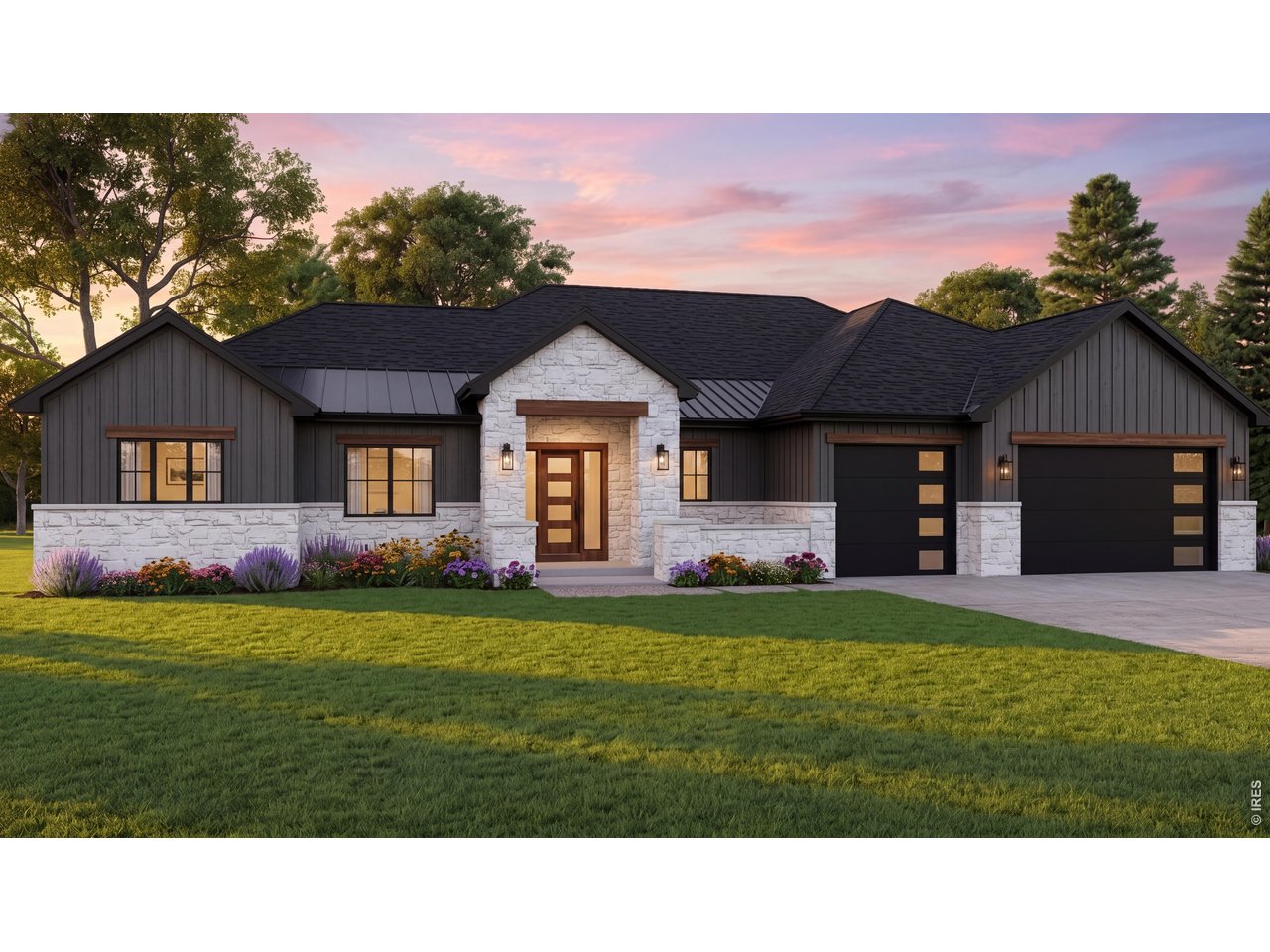
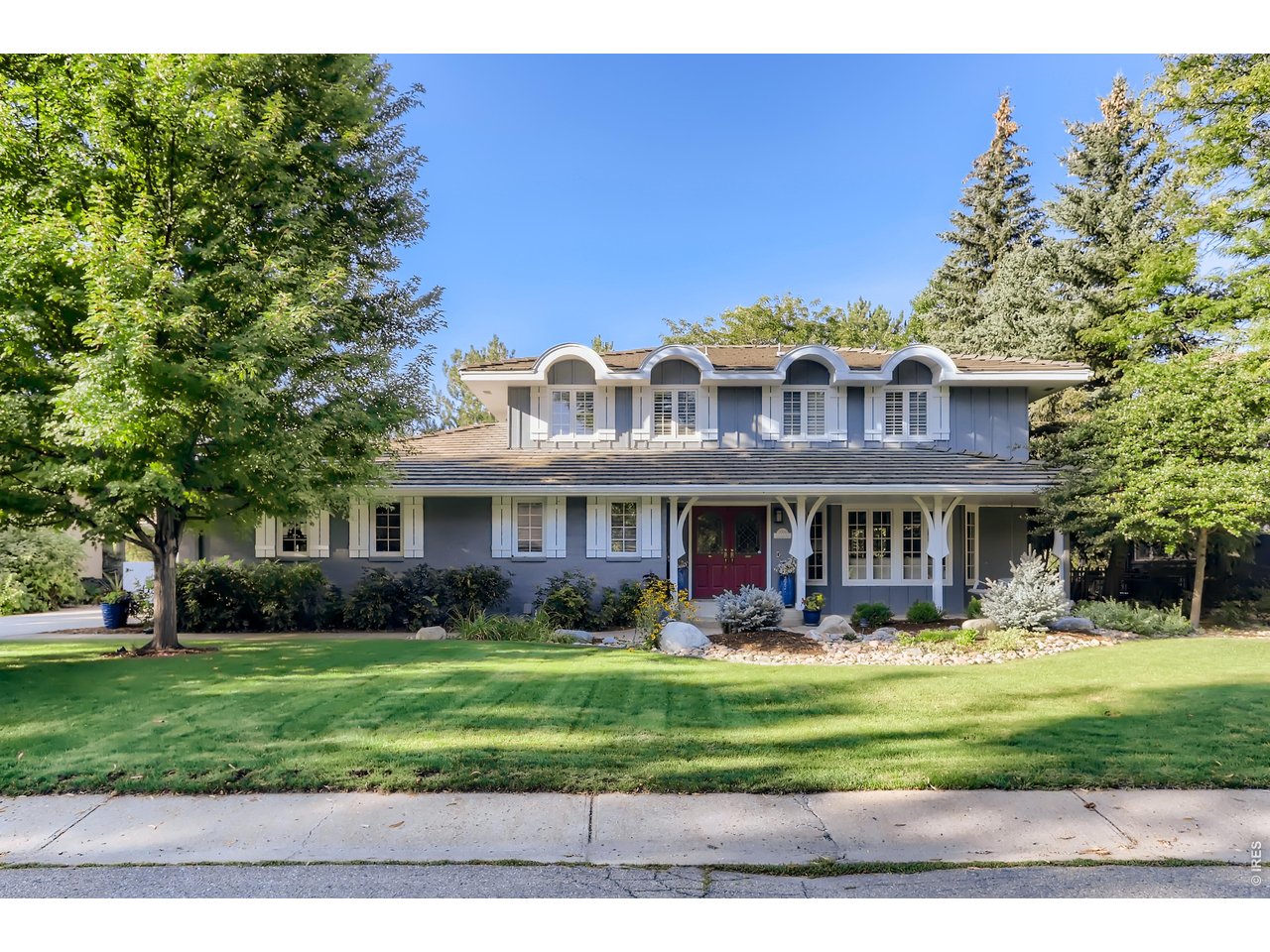
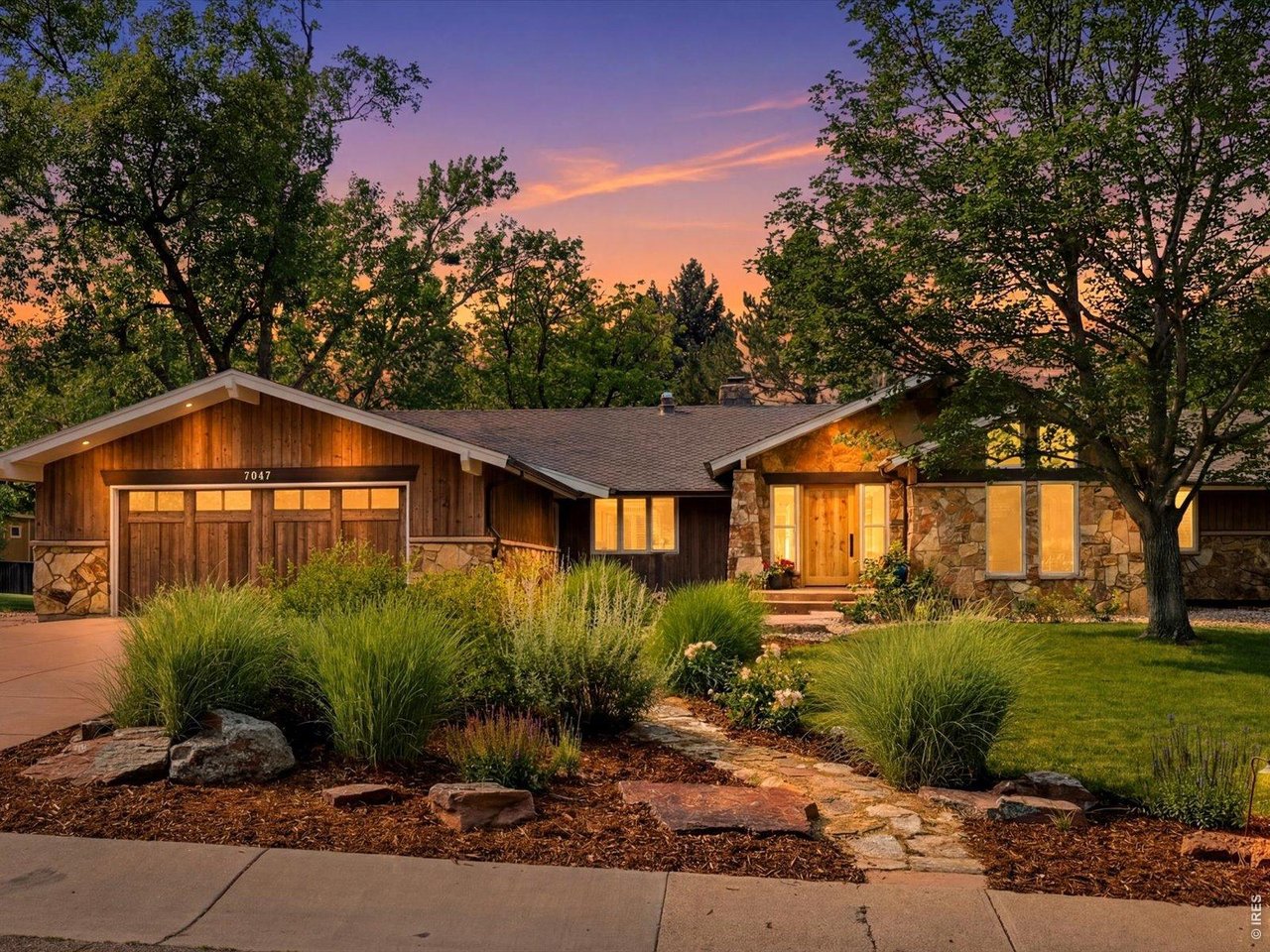
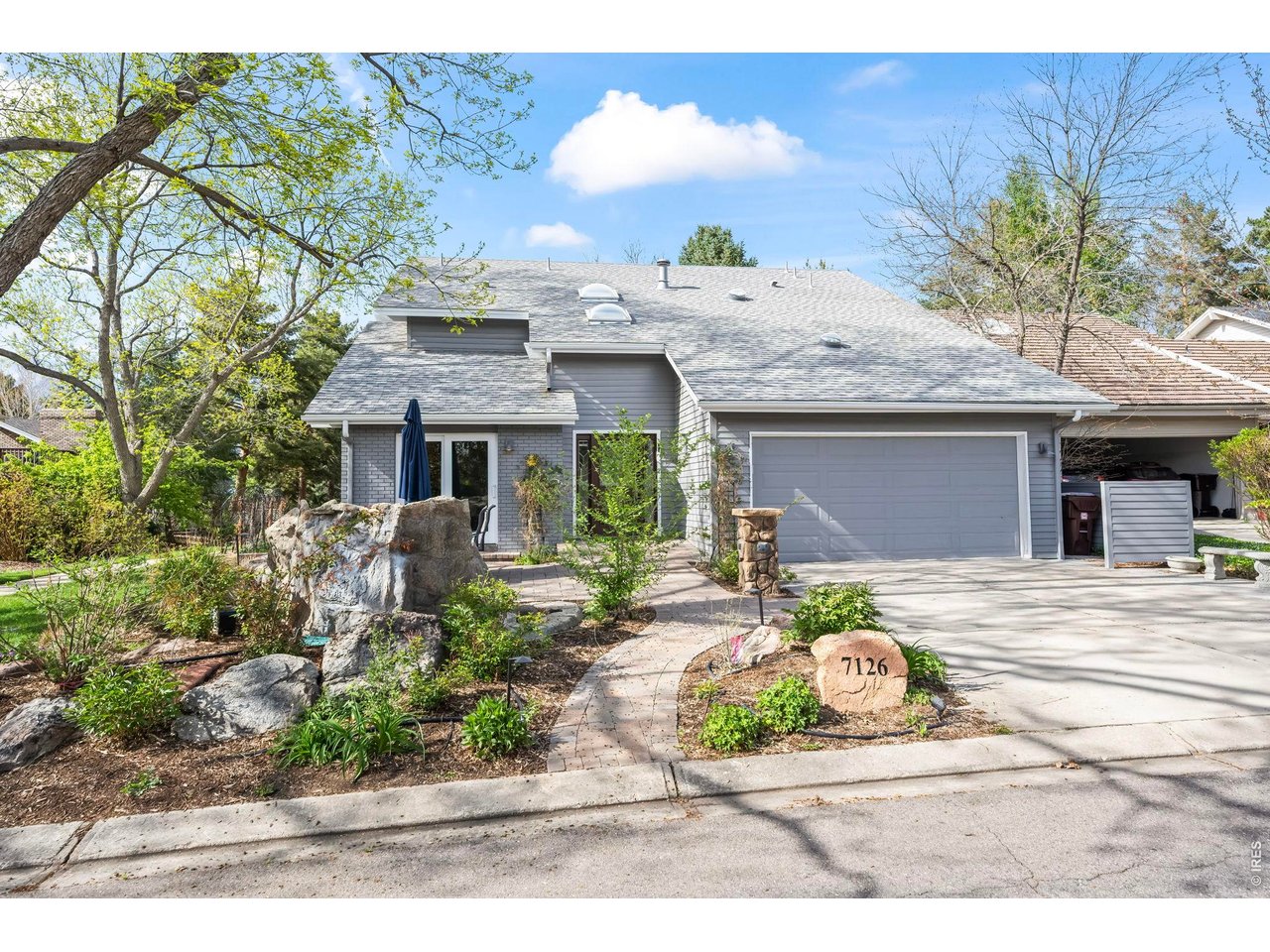
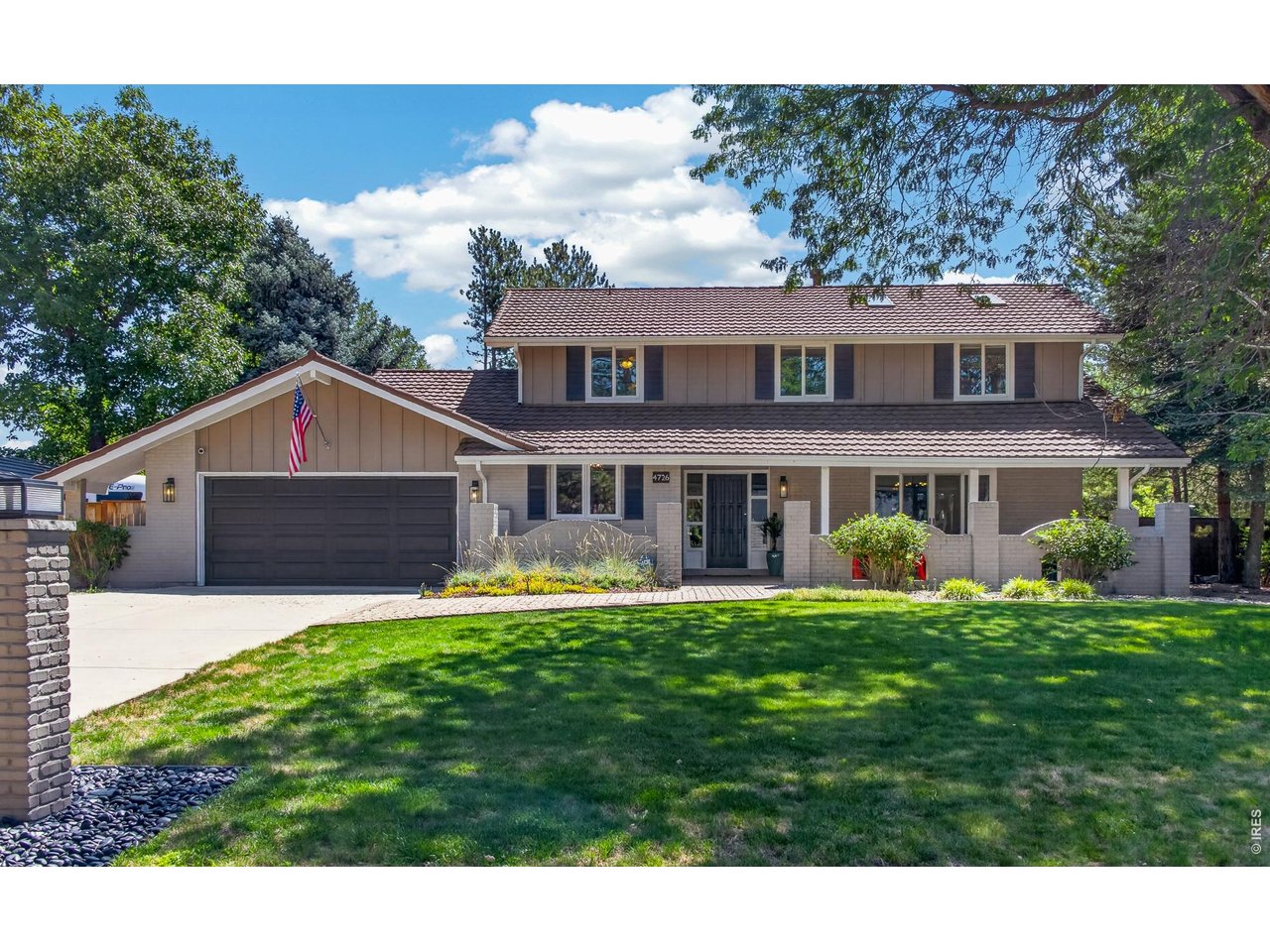
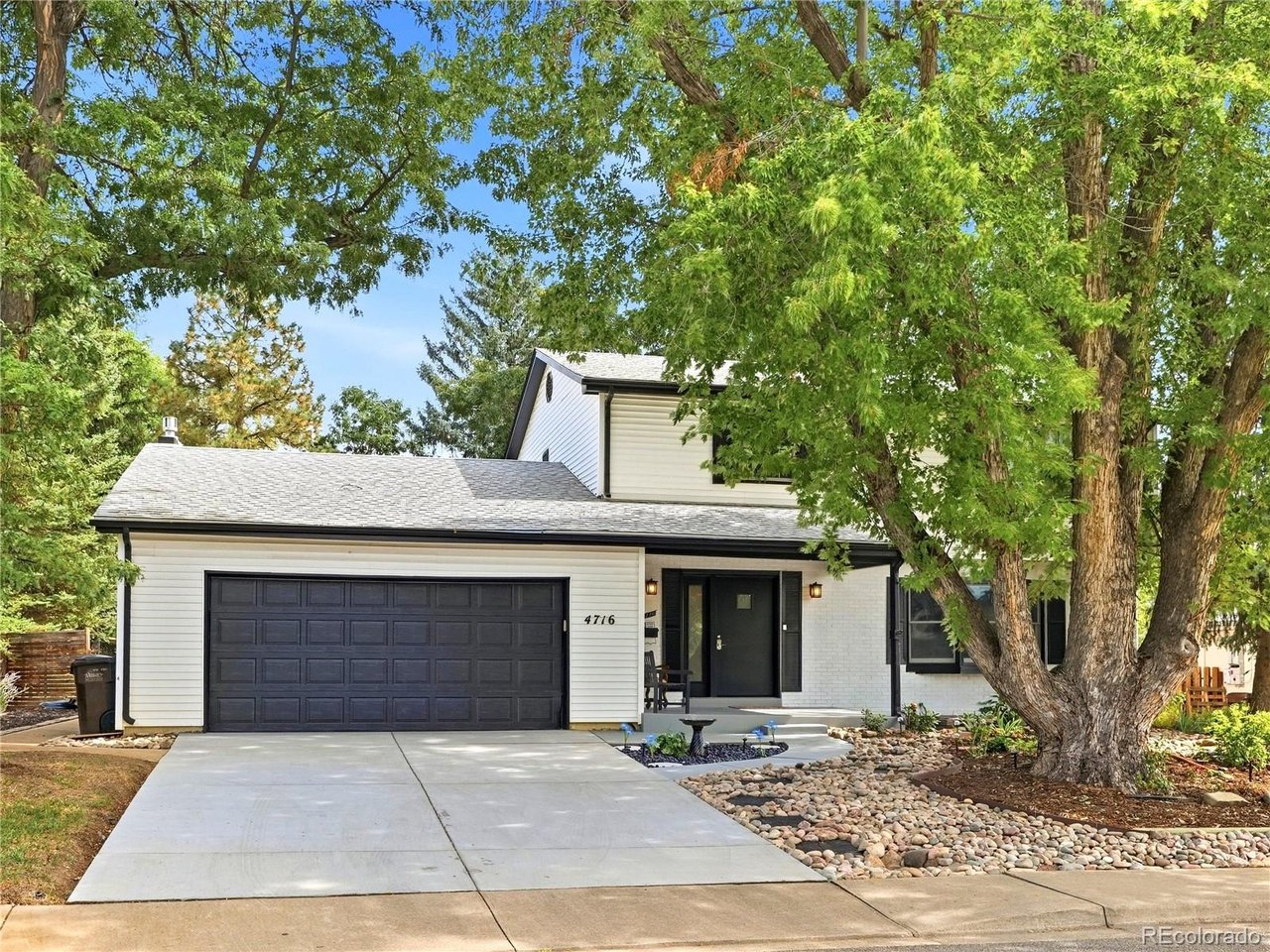
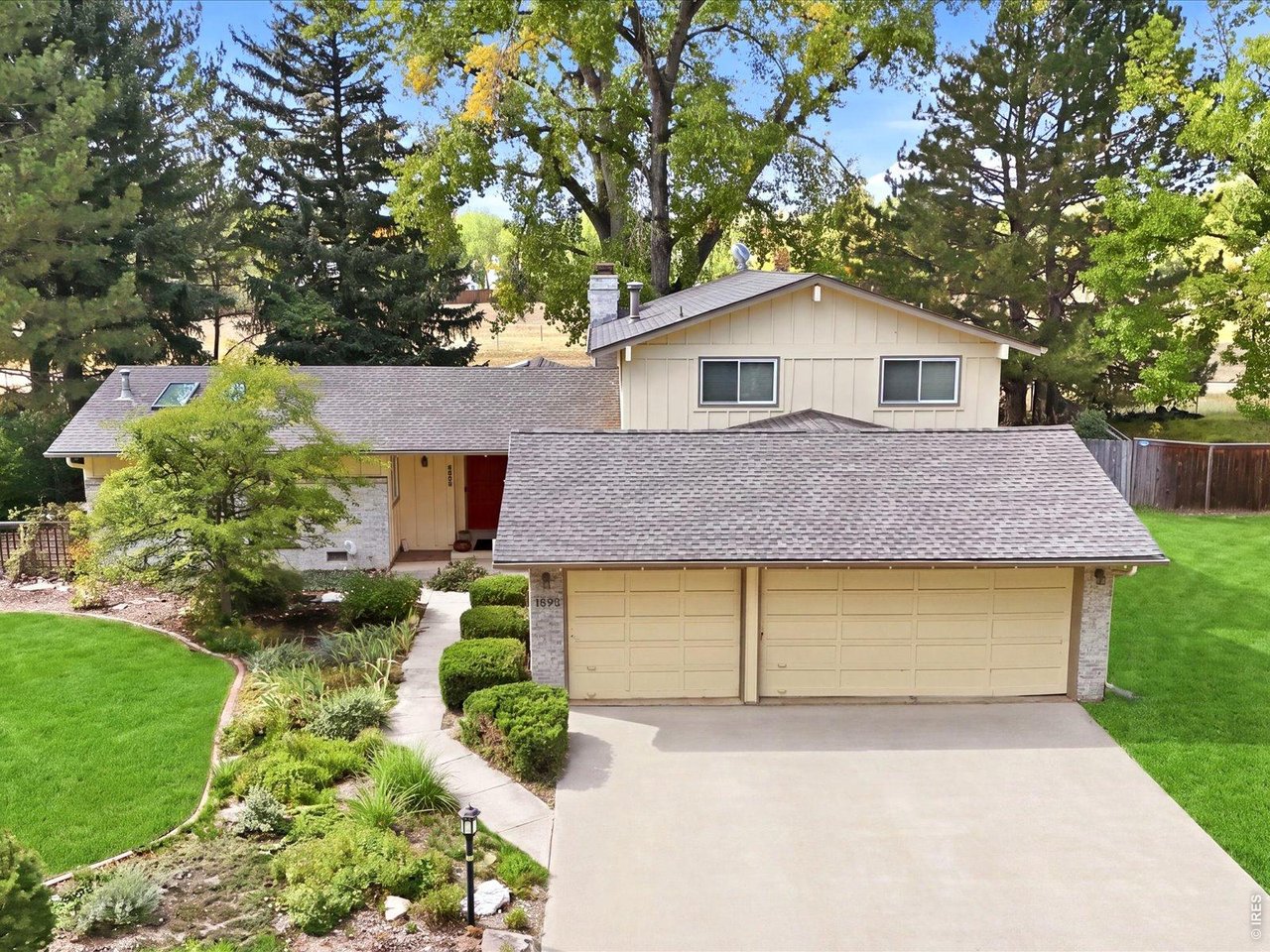
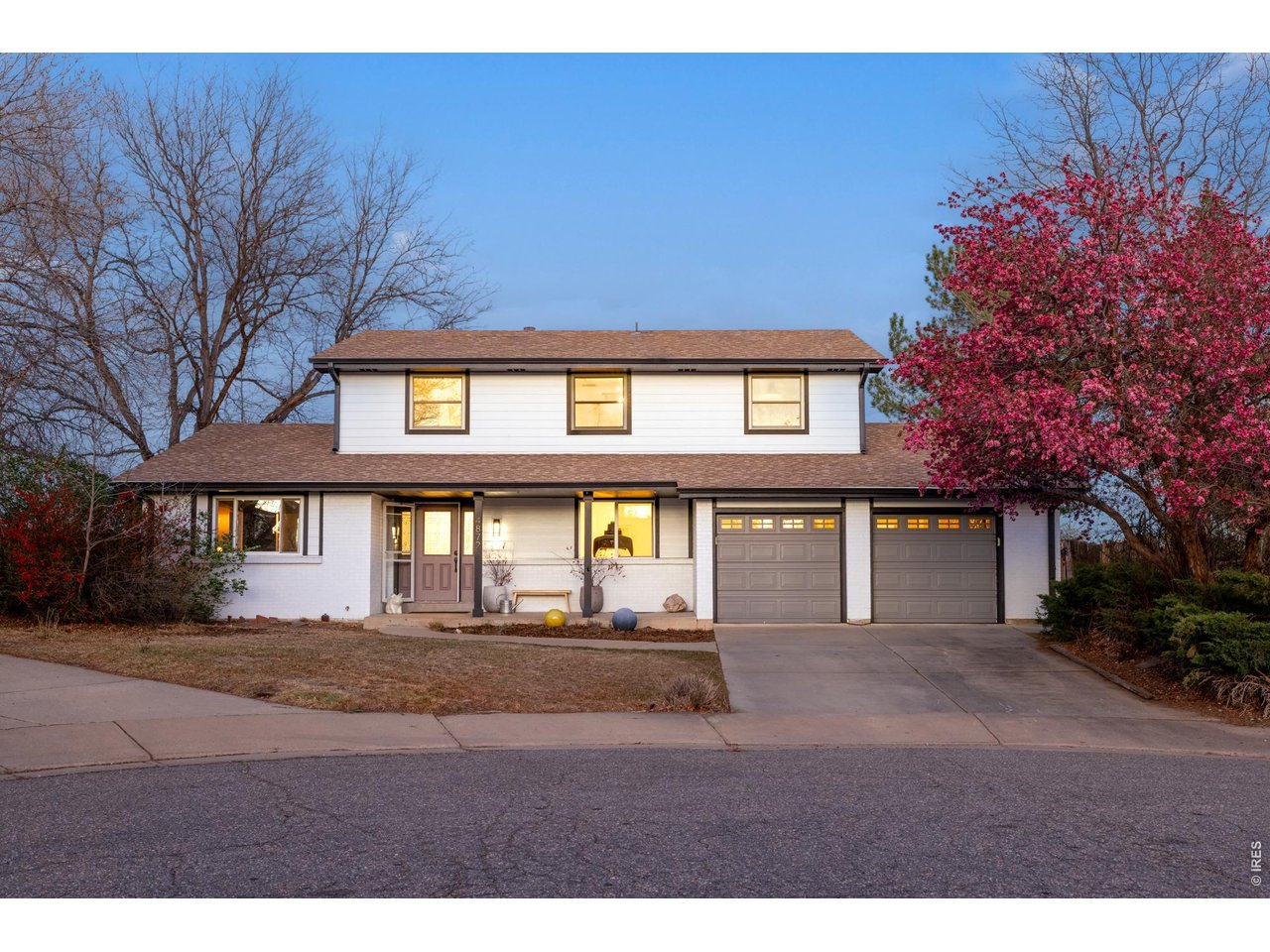
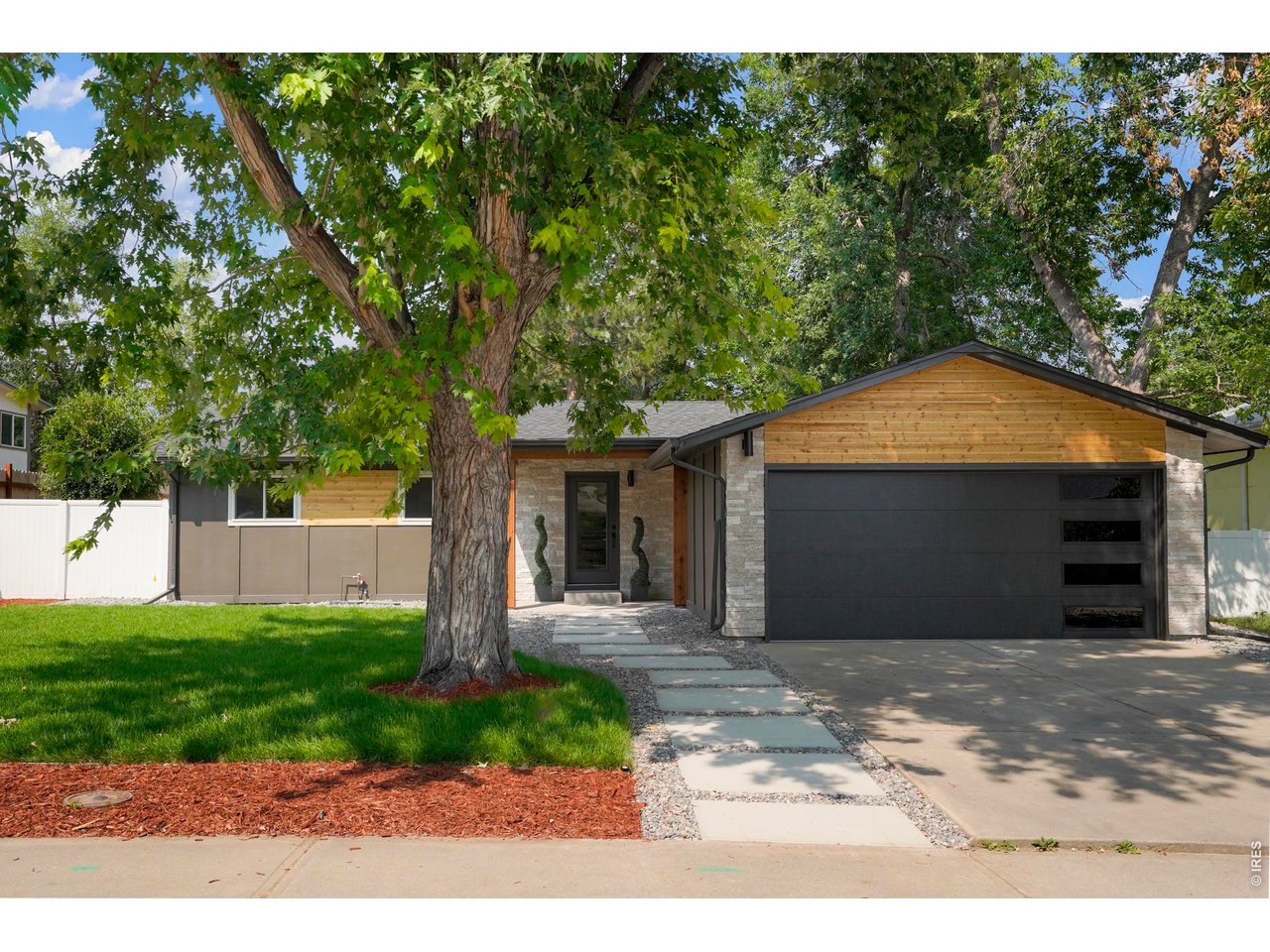
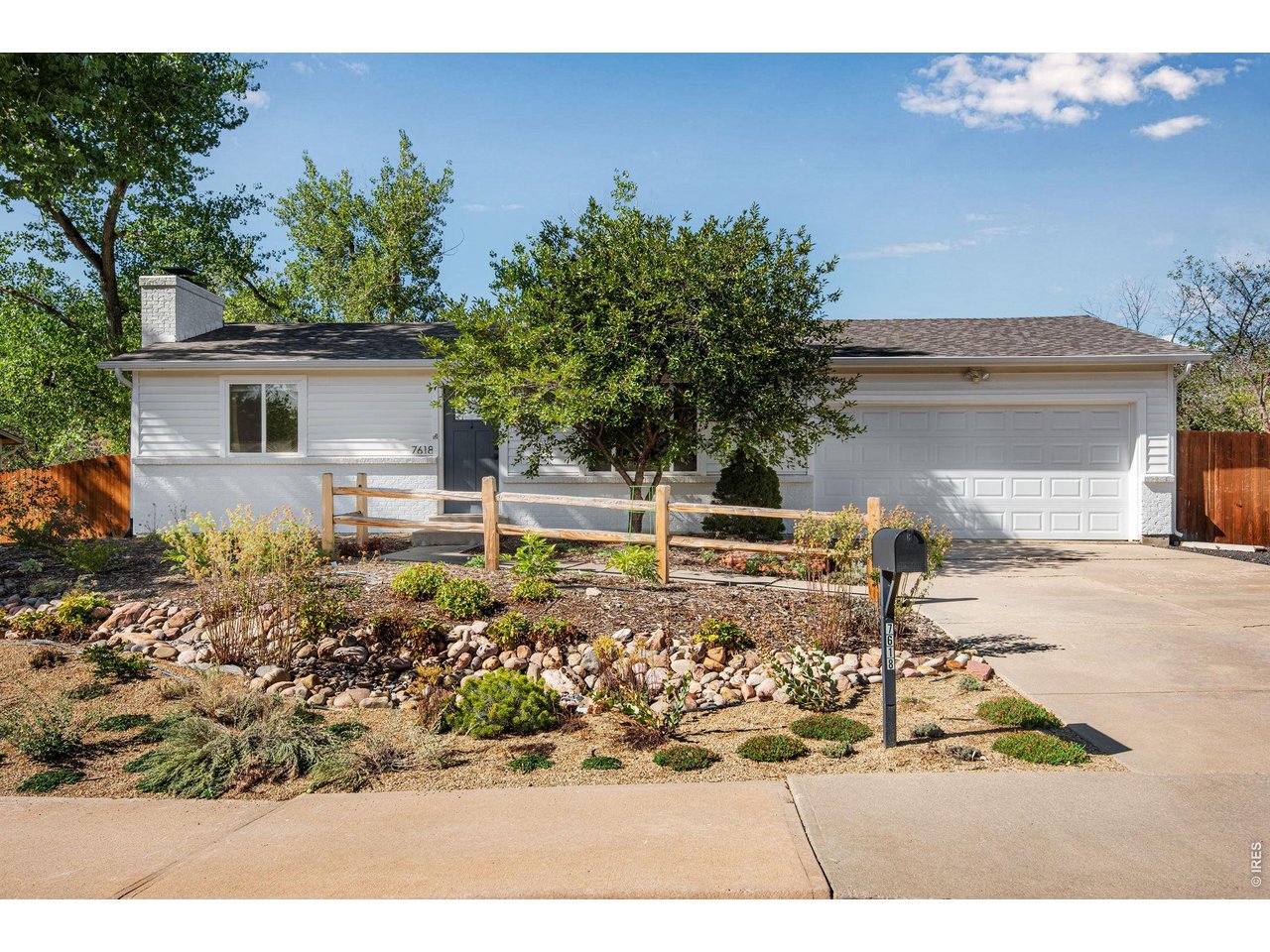
Single-family homes are limited and often clustered in specific pockets rather than spread throughout the neighborhood. These homes tend to sit on smaller lots and follow consistent architectural patterns, prioritizing function over custom design. Scarcity supports pricing, especially for well-maintained or updated properties.
Apartments and rental-focused communities are primarily located near business parks and along major corridors. These serve a professional and transient population tied to nearby employers, contributing to stable rental demand but minimal impact on for-sale inventory.
Overall, Gunbarrel’s housing mix reflects its origins as a work-adjacent, planned community. Buyers can expect fewer custom builds and historic homes, but greater consistency, predictability, and options for low-maintenance living compared to many Boulder neighborhoods.
Factors to Consider When Buying Properties
Buying in Gunbarrel requires attention to several neighborhood-specific factors that differ from Boulder’s older, more organic residential areas. Much of Gunbarrel is governed by HOAs, which significantly influence monthly costs, property rules, and long-term ownership experience. Buyers should review HOA financials, reserve studies, and coverage details, as fees vary widely and often include exterior maintenance, landscaping, snow removal, and in some cases utilities.
Property age is another important consideration. Many condos and townhomes were built between the 1970s and 1990s, which can impact maintenance, insulation, plumbing, and electrical systems. Updated interiors are common, but buyers should look beyond cosmetic upgrades and assess major building components and HOA-funded capital improvements.
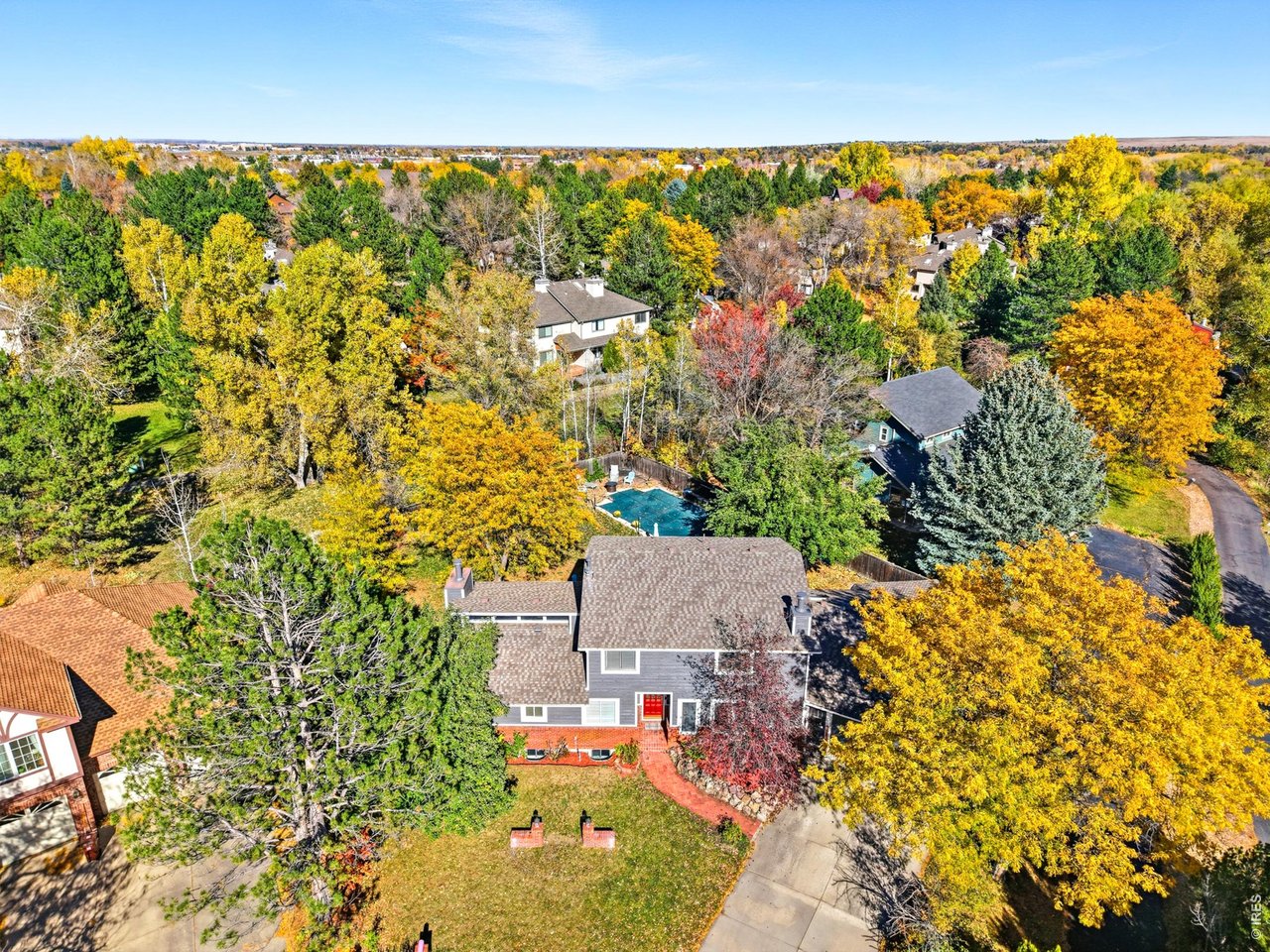
From a risk and zoning standpoint, Gunbarrel generally faces lower wildfire risk than foothill neighborhoods due to its flatter terrain and limited tree density. Flood risk is also more localized, typically tied to specific drainage corridors rather than widespread floodplains. Buyers should still review FEMA maps and local disclosures, especially for ground-level units.
Additional practical considerations include:
-
Parking: Some developments have limited guest parking or detached garages
-
Noise: Proximity to CO-119, business parks, or breweries can affect sound levels
-
Zoning and use: Restrictions on rentals, home offices, or short-term leasing vary by HOA
-
School boundaries: Assignment within Boulder Valley School District can differ by subdivision
Market speed in Gunbarrel is moderate. Homes do not typically sell instantly, but desirable properties—especially townhomes or patio homes—can move quickly when priced correctly. Buyers benefit from acting decisively while still retaining more room for due diligence and negotiation than in core Boulder markets.
Overall, successful purchases in Gunbarrel depend on careful review of HOA governance, realistic assessment of aging housing stock, and alignment with lifestyle priorities such as noise tolerance, parking needs, and school planning.
Factors to Consider When Selling Properties
Selling in Gunbarrel requires a strategy that aligns with its buyer profile and housing stock rather than broader Boulder trends. Seasonality plays a role, with peak demand typically occurring in spring and early summer when professionals, relocating buyers, and downsizers are most active. Fall can still perform well, while winter listings generally require sharper pricing and stronger presentation.
Pricing strategy is especially important in Gunbarrel’s more price-sensitive market. Buyers compare closely against Boulder and Longmont alternatives, making overpricing less forgiving. Homes priced accurately based on condition, HOA fees, and recent comparable sales tend to move efficiently, while aspirational pricing often results in longer days on market and eventual reductions.
Buyer demographics influence how homes should be presented:
-
Professionals and remote workers prioritize move-in readiness and functionality
-
Downsizers value low-maintenance features and main-level living
-
Investors focus on rental viability, HOA restrictions, and operating costs
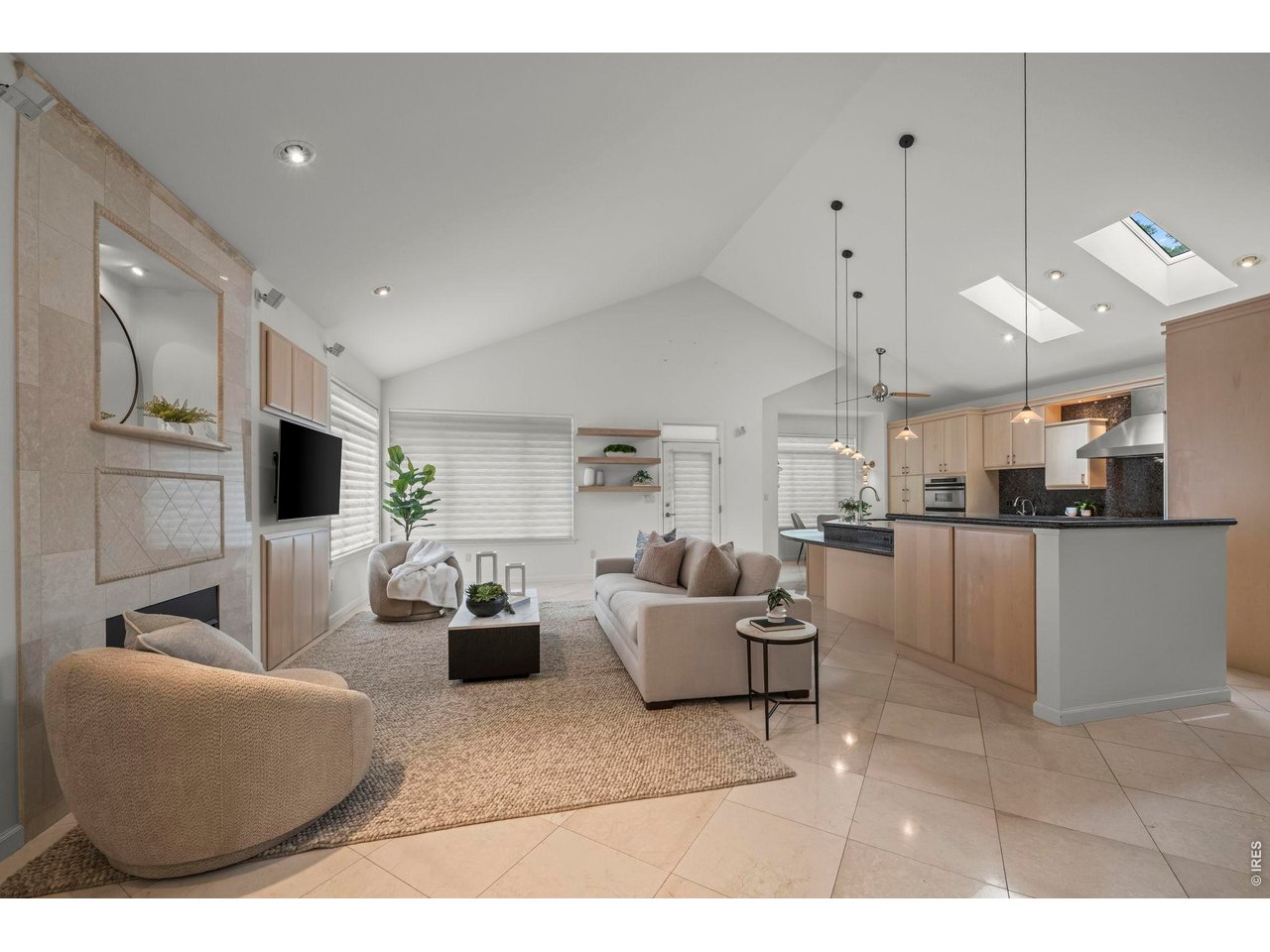
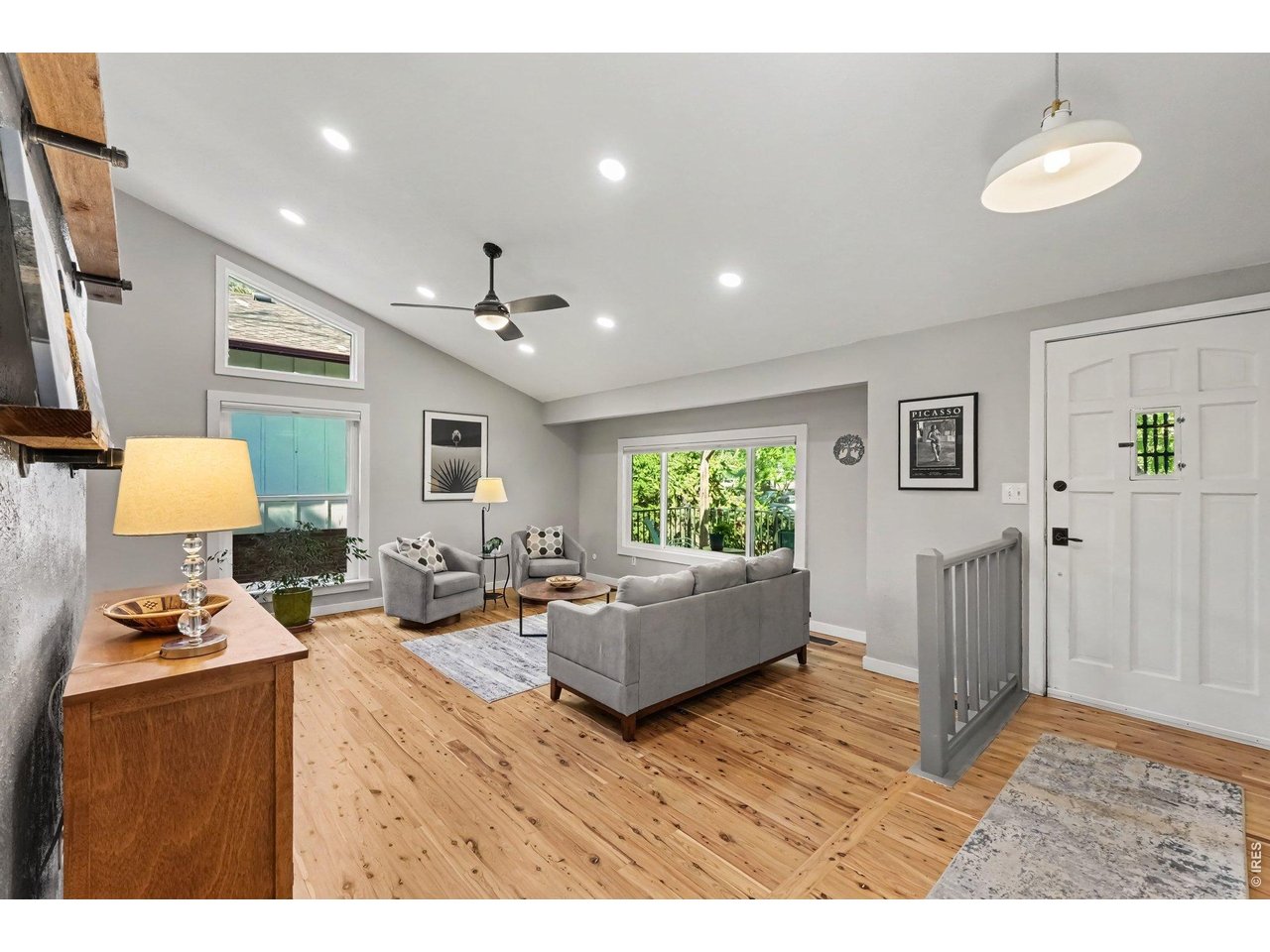
Staging trends in Gunbarrel favor clean, neutral, and modern interiors over high-design statements. Emphasizing natural light, efficient layouts, and usable storage resonates more than luxury finishes. For condos and townhomes, highlighting outdoor access, garage parking, and HOA-covered maintenance is particularly effective.
Upgrades that tend to increase value include:
-
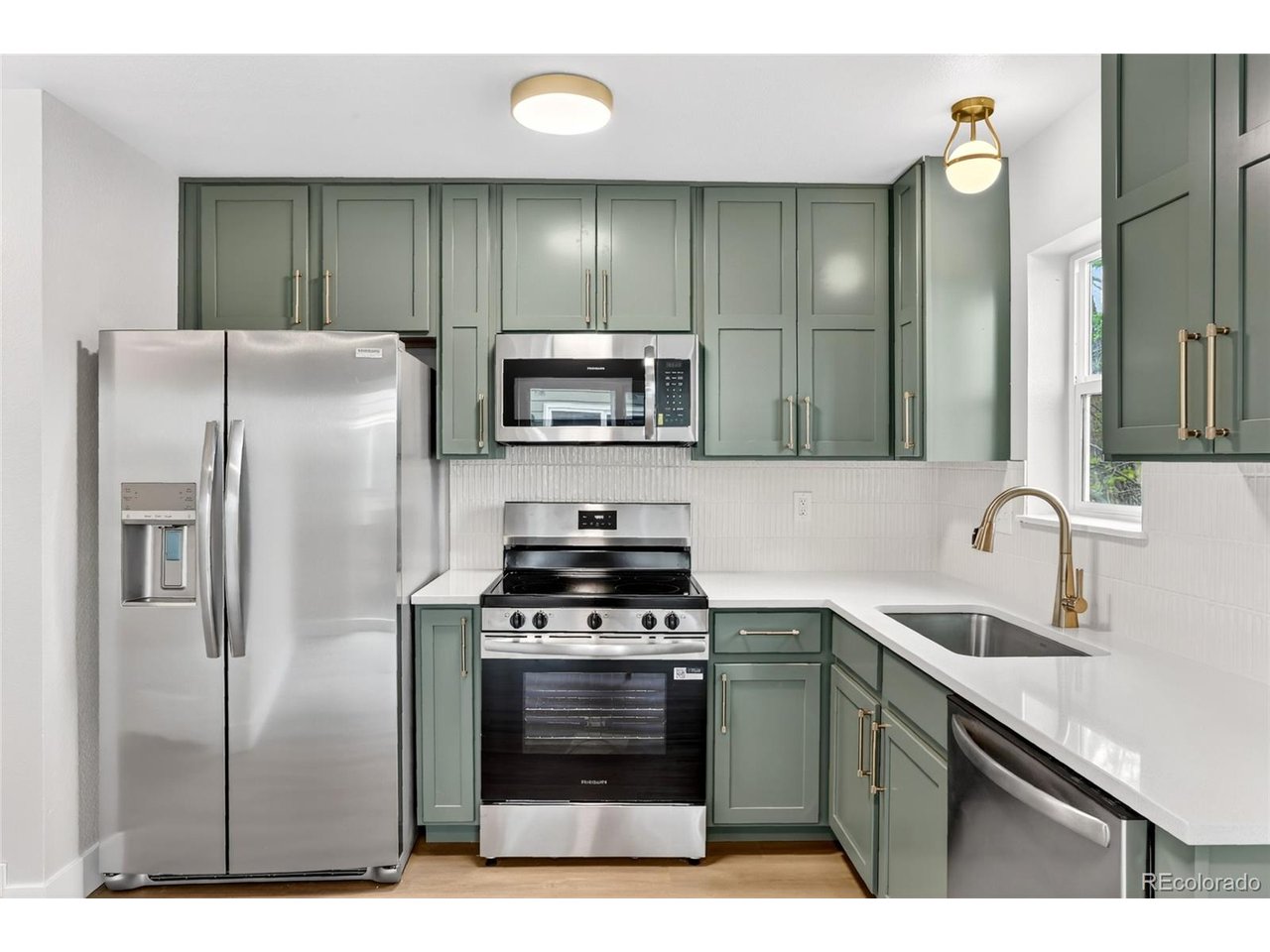
Kitchen and bathroom refreshes rather than full remodels
-
Energy-efficient windows, appliances, and HVAC systems
-
Flooring updates in older units
-
Minor exterior improvements coordinated with HOA guidelines
Sellers should also prepare HOA documentation early, as buyers often scrutinize financial health, reserves, and rules. Transparency and readiness reduce friction and shorten negotiation cycles. In Gunbarrel, successful sales are driven by realistic pricing, strong presentation, and alignment with the neighborhood’s practical, value-oriented buyer base.
Dining & Entertainment in Gunbarrel, CO
Dining and entertainment in Gunbarrel are defined by convenience and local loyalty rather than destination-driven nightlife. The neighborhood has a compact but well-established food and beverage scene that caters primarily to residents and nearby office workers, reinforcing its low-key, community-oriented character.
Gunbarrel is especially known for its brewery presence, which anchors much of its social activity. These venues function as informal gathering spaces rather than late-night bars, attracting professionals, cyclists, and families. The atmosphere is casual, daytime-friendly, and neighborhood-focused.
Local dining options skew practical and consistent:
-
Independent cafes and coffee shops serving residents and remote workers
-
Casual restaurants offering American, Asian, and international comfort fare
-
Takeout-friendly spots favored by weekday professionals
Entertainment in Gunbarrel is limited but intentional. There are no large music venues, theaters, or nightlife districts within the neighborhood itself. Instead, entertainment is integrated into daily life through breweries, community events, and outdoor-oriented activities. Residents seeking more robust cultural or nightlife options typically head to downtown Boulder, Longmont, or Louisville, all within a short drive.
What Gunbarrel offers is reliability rather than variety. The dining scene supports everyday living—coffee meetings, casual dinners, post-work drinks—without the crowds or competition found in Boulder proper. This aligns with the neighborhood’s broader appeal: a quieter, functional lifestyle with easy access to more vibrant entertainment hubs when desired.
Parks and Recreation
Parks and recreation are a core component of Gunbarrel’s appeal, reinforcing its connection to the outdoors despite its planned, suburban structure. The neighborhood is integrated into Boulder County’s extensive open space and trail network, providing immediate access to walking, cycling, and nature-oriented activities without the need to drive into the foothills.
Gunbarrel is bordered by multiple open space areas and multi-use trails that connect residents to Boulder, Longmont, and surrounding preserves. These trails are heavily used for daily recreation—running, dog walking, commuting by bike—and contribute to the neighborhood’s active but non-touristic feel. The flat terrain makes routes accessible to a wide range of ages and fitness levels.
Key recreational features include:
-
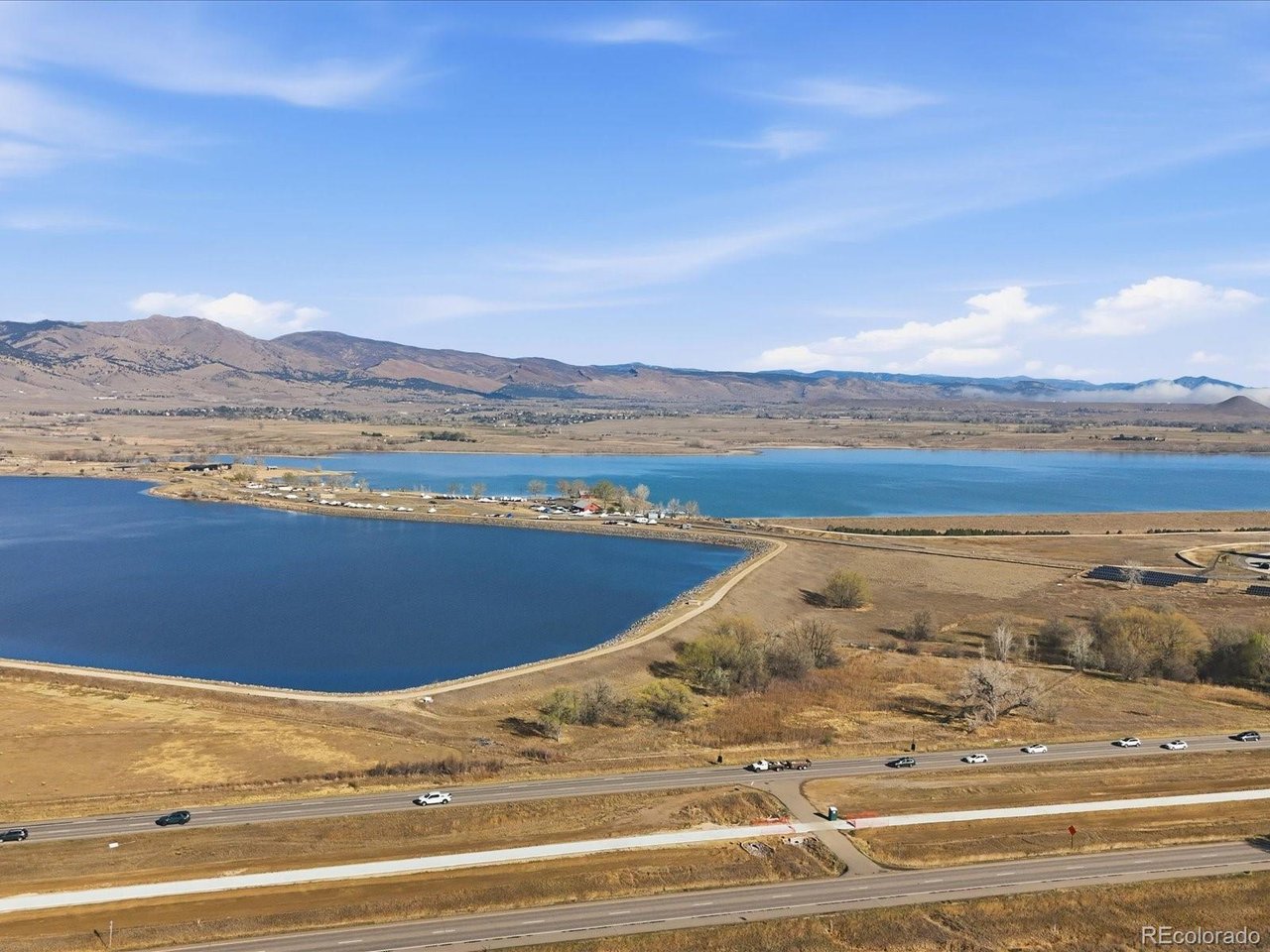
Twin Lakes Open Space with walking paths, wildlife viewing, and mountain views
-
Boulder County trail connections leading toward Boulder Reservoir and the Diagonal corridor
-
Neighborhood greenbelts and HOA-managed open areas within residential communities
While Gunbarrel does not have traditional beaches, nearby lakes and reservoirs provide water-based recreation. Boulder Reservoir, a short drive away, offers swimming, paddleboarding, sailing, and seasonal beaches. Additional regional options include Union Reservoir in Longmont for boating and fishing.
Playgrounds and family-oriented parks are modest but functional, often embedded within residential developments or nearby open space areas. Golfers benefit from proximity to several Front Range courses, including Boulder and Longmont-area public courses within a short drive.
Overall, recreation in Gunbarrel emphasizes everyday outdoor access rather than destination experiences. The neighborhood supports an active lifestyle built around trails, open space, and regional amenities, making it especially attractive to residents who value consistent, convenient access to outdoor recreation as part of daily life.
Annual Events and Festivals
Gunbarrel does not function as a festival-centric neighborhood, and that distinction is important for setting expectations. Unlike downtown Boulder or nearby towns with established event calendars, Gunbarrel’s annual activities are modest, locally focused, and largely community- or business-driven rather than large public festivals.
Most recurring events in Gunbarrel are tied to breweries, local businesses, and neighborhood organizations. These typically include seasonal gatherings such as anniversary celebrations, outdoor patio events, trivia nights, live local music, and charity fundraisers. While smaller in scale, these events play a meaningful role in neighborhood social life and reinforce Gunbarrel’s informal, resident-oriented culture.
Common event themes include:
-
Brewery-hosted seasonal events and community nights
-
Small-scale outdoor markets or pop-up vendor events
-
Fitness- and wellness-related gatherings tied to studios and trails
-
HOA or neighborhood-organized social events
For larger festivals and signature annual events, residents typically look beyond Gunbarrel. Downtown Boulder, Longmont, Louisville, and Niwot host well-known events such as farmers markets, art festivals, music series, and holiday celebrations, all within a short drive. This proximity allows Gunbarrel residents to access vibrant regional programming without living directly in high-traffic event zones.
Overall, Gunbarrel’s event landscape prioritizes livability over spectacle. The neighborhood offers a quieter social rhythm with optional access to major Front Range festivals nearby, aligning well with residents who value calm day-to-day living while still enjoying regional cultural opportunities when desired.
Schools and Education
Education in Gunbarrel is anchored by access to the Boulder Valley School District (BVSD), one of the more established and well-regarded districts in the Front Range. School assignments vary by specific subdivision, making boundary verification an important step for buyers with school-age children.
Public schools serving Gunbarrel generally include a mix of neighborhood elementary schools, middle schools, and Boulder- or Longmont-based high schools within a short driving distance. BVSD is known for strong academic performance, broad extracurricular offerings, and college-preparatory tracks, with particular strengths in STEM, arts, and advanced placement programs at the secondary level.
Key considerations for public schooling:
-
School assignments can differ by HOA or micro-location
-
Open enrollment is common within BVSD but competitive
-
Commute times to schools are typically short and manageable
Private and alternative education options are also accessible. Several private schools, Montessori programs, and faith-based institutions operate within Boulder and Longmont, offering alternatives for families seeking smaller class sizes or specialized curricula.
Early childhood education is well-supported in and around Gunbarrel:
-
Preschools and childcare centers located within the neighborhood and nearby corridors
-
Montessori and play-based early learning programs
-
Convenient options for working professionals and dual-income households
At the higher education level, Gunbarrel benefits from proximity to major institutions. The University of Colorado Boulder is approximately 10–15 minutes away and influences the broader educational and cultural environment. Front Range Community College and other regional institutions in Longmont and Boulder further expand post-secondary and continuing education options.
Overall, Gunbarrel offers strong educational access without being centered on a single school campus. Its appeal lies in flexibility, district quality, and proximity to higher education rather than walk-to-school living, aligning well with professional and academically focused households.
Commute and Accessibility
Gunbarrel’s location makes it one of the more commute-efficient neighborhoods in Boulder County, particularly for residents working in Boulder, Longmont, or along the Front Range employment corridor. Its positioning along the Diagonal Highway (CO-119) provides direct, high-capacity access without requiring travel through central Boulder streets.
CO-119 serves as Gunbarrel’s primary transportation artery, offering a straight route southwest into Boulder and northeast toward Longmont. This connectivity reduces travel time variability compared to neighborhoods reliant on smaller arterial roads. U.S. 36 is also easily accessible, supporting commutes to Denver, Broomfield, and the broader metro area.
Typical commute patterns include:
-
10–15 minutes to downtown Boulder or CU Boulder
-
10–15 minutes to Longmont employment centers
-
35–45 minutes to downtown Denver during standard traffic conditions
Public transportation options are available but secondary to driving. Regional bus routes connect Gunbarrel to Boulder and Longmont, supporting car-light commuting for those working locally. Cycling is also a viable option, with dedicated bike paths and trail connections running parallel to major corridors.
Accessibility within the neighborhood is straightforward. Roads are wide, parking is generally easier than in Boulder proper, and commercial areas are designed for efficient ingress and egress. This reduces congestion during peak hours and supports a more predictable daily routine.
Overall, Gunbarrel’s transportation profile favors professionals who value reliability over walkability. It is particularly well-suited for commuters seeking fast, direct routes and flexible access to multiple employment hubs without the friction of dense urban traffic.
Why People Love Gunbarrel, CO
People are drawn to Gunbarrel because it delivers a high quality of life without the intensity, congestion, or price pressure associated with Boulder proper. The neighborhood offers a calm, predictable environment that supports daily routines, professional schedules, and long-term livability rather than constant activity or tourism-driven energy.
Lifestyle advantages center on balance. Residents enjoy immediate access to trails, open space, and mountain views while living in a setting that feels organized and low-stress. Low-maintenance housing options, HOA-managed communities, and nearby services reduce the time and effort required to manage a home, freeing residents to focus on work, recreation, and personal priorities.
Convenience is a defining strength:
-
Short commutes to Boulder, Longmont, and regional employers
-
Easy access to major highways without cutting through dense urban areas
-
Local dining, breweries, and everyday services within minutes
Emotionally, Gunbarrel appeals to people who value clarity and ease over spectacle. It feels quieter, less performative, and more grounded than many Front Range destinations. Residents often describe a sense of breathing room—both physically, through open space and views, and mentally, through reduced noise and competition.
Ultimately, people love Gunbarrel because it offers a rational version of Boulder County living. It provides proximity without pressure, access without overload, and community without crowds, making it especially attractive to professionals, downsizers, and long-term residents seeking stability and comfort over trend-driven appeal.
Most Coveted Streets & Estates
Gunbarrel’s most desirable micro-locations are defined less by individual streets and more by well-known developments and their positioning relative to open space, views, and amenities. Buyers tend to focus on specific communities with proven resale performance, stronger HOA management, and favorable layouts.
Gunbarrel Green is among the most recognized and sought-after areas. Homes here benefit from proximity to open space, walking paths, and a quieter internal road network. Properties with western exposure and unobstructed Front Range views typically command premiums and sell faster.
Twin Lakes and Country Club Greens attract buyers looking for a more residential feel with established landscaping and access to nearby trails. These areas appeal to downsizers and long-term residents who value stability, privacy, and a sense of separation from busier commercial corridors.
Peloton and surrounding newer developments stand out for more contemporary design and updated interiors. These communities are popular with professionals and remote workers seeking modern layouts, attached garages, and low-maintenance living close to dining and breweries.
Micro-location factors that drive demand include:
-
Direct adjacency to open space or trail systems
-
Distance from CO-119 and commercial traffic
-
Mountain views or west-facing orientation
-
Strong HOA reserves and consistent upkeep
Streets and enclaves closer to business parks or major roads tend to see more price sensitivity, while interior-facing homes within established developments hold value more consistently. For both buyers and sellers, understanding Gunbarrel at the development level—rather than relying on street names alone—is key to accurately assessing desirability and market performance.
Who is Gunbarrel, CO For?
Gunbarrel, CO is best suited for buyers and residents who prioritize practicality, balance, and long-term livability over lifestyle branding or historic charm. It appeals to those who want proximity to Boulder’s jobs, schools, and outdoor access without fully buying into Boulder’s cost structure or congestion.
The neighborhood is particularly well-matched for:
-
Professionals working in Boulder, Longmont, or along the Front Range corridor
-
Remote and hybrid workers seeking quiet, space, and reliable connectivity
-
Downsizers looking for low-maintenance homes and predictable ownership costs
-
Buyers priced out of Boulder but unwilling to compromise on location or quality
Gunbarrel is less ideal for those seeking walkable nightlife, architectural character, or a strong sense of downtown identity. Instead, it offers clarity and consistency—planned communities, manageable commutes, and easy access to regional amenities.
In summary, Gunbarrel represents a rational choice within the Boulder County market. It delivers access without intensity, stability without isolation, and outdoor proximity without foothill risk. For buyers who value efficiency, calm, and everyday quality of life, Gunbarrel is not a compromise—it is a deliberate and strategic fit.