1,269 people live in Boulder's Mapleton Hill, where the median age is 46 and the average individual income is $264,673. Data provided by the U.S. Census Bureau.
Total Population
Median Age
Population Density Population Density This is the number of people per square mile in a neighborhood.
Average individual Income
Ask any longtime Boulder resident to name the most iconic neighborhood in the city, and Mapleton Hill will come up almost every time. Tucked into the foothills just northwest of the Pearl Street Mall, it's the kind of place that stops first-time visitors mid-stride. Silver maples arch across the wide avenues to form a shaded green tunnel in summer. Queen Anne turrets and Craftsman porches line block after block. And behind those historic facades sits some of the most expensive, tightly held residential real estate in Colorado.
This is not a neighborhood in the modern sense of the word. It is a designated historic district, a walkable community, a launching point for mountain trails, and a living record of Boulder's late 19th-century boom years. For buyers who understand what they're getting into, Mapleton Hill offers something almost no other Boulder neighborhood can: authentic architectural character, immediate access to both downtown and the Rocky Mountain foothills, and a community culture that still revolves around front porches and neighbors who know each other by name.
Mapleton Hill's story begins in the aftermath of Colorado's silver and gold mining booms. As Boulder transitioned from a rough mining supply town into an established city in the 1880s, successful merchants, mine owners, and professionals began looking for a place to build permanent homes away from the noise and grit of the commercial center. The gentle, elevated slope just northwest of downtown became the obvious answer.
Most of the neighborhood was subdivided and developed between 1890 and 1910, a compressed twenty-year window that explains why the architecture feels so cohesive today. The wealth of that era funded large, custom-designed homes in the most fashionable styles of the day: Queen Anne Victorian, Edwardian, and Richardsonian Romanesque. These weren't developer builds. They were personal statements of arrival, commissioned by Boulder's early elite.
Two decisions from that founding era still define the neighborhood. In 1889, Mapleton School was constructed at the heart of the hill and became the oldest continuously operating school site in Boulder. Then in 1894, early residents and developers planted hundreds of silver maple and cottonwood trees along the grid-pattern streets. Those trees, more than any single building, are what people remember after visiting.
By the mid-20th century, Boulder was growing fast, and pressure was mounting to tear down aging Victorians and replace them with modern construction. The community pushed back. In 1982, the City of Boulder officially designated Mapleton Hill as a Historic District, locking in strict preservation guidelines that continue to shape what can and cannot be built here today.
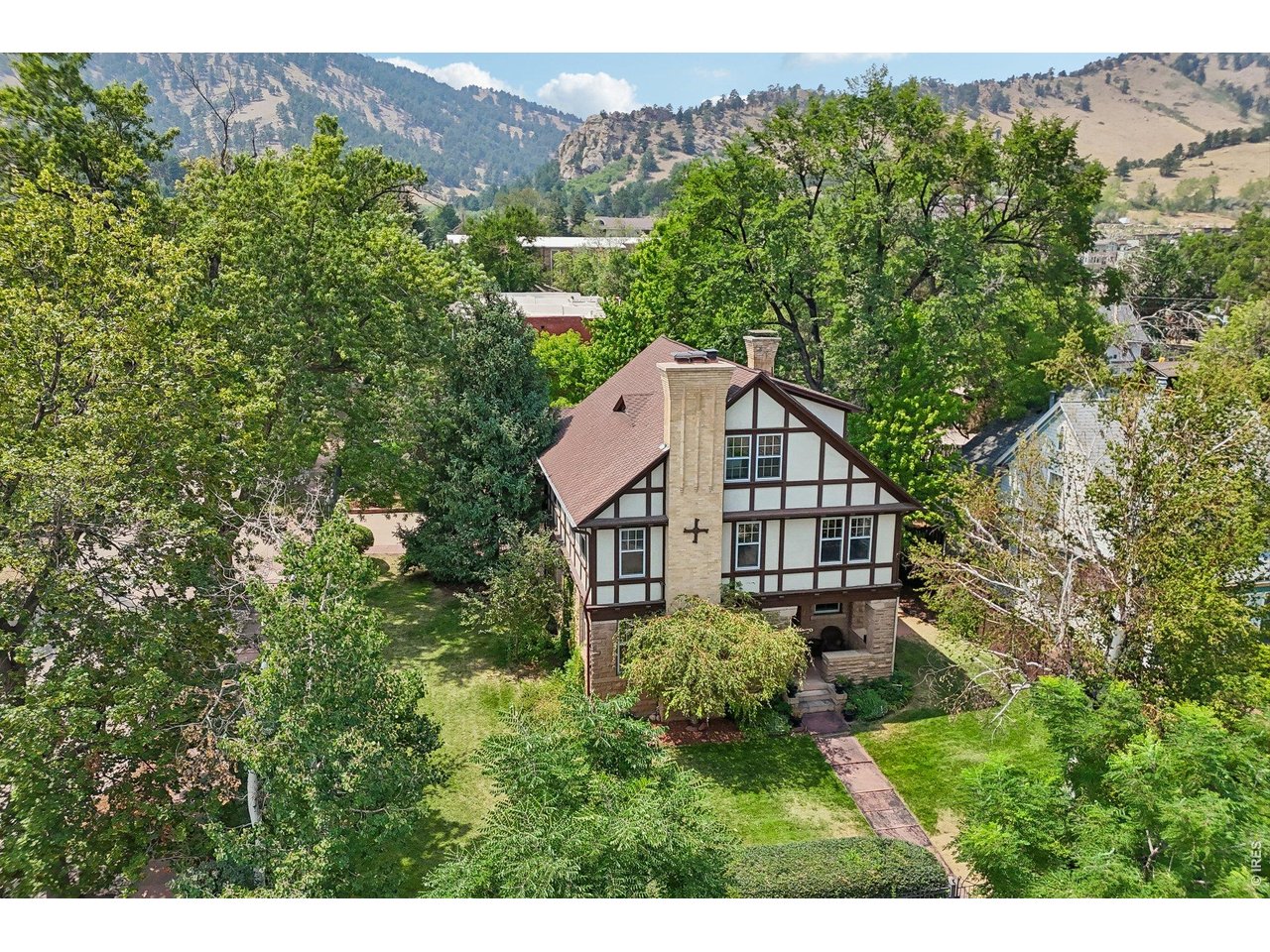
Mapleton Hill occupies a rare geographic sweet spot. It sits directly at the base of the foothills, on a gentle eastward-facing slope, just a few blocks northwest of downtown. From most homes, you can walk east and be on the Pearl Street Mall within ten minutes, or walk west and be on a mountain trail even faster.
The neighborhood is defined by a clean grid with clear borders. The southern edge runs along Pearl Street, where the residential quiet gives way to the commercial energy of downtown. The northern edge is Maxwell Avenue, which separates Mapleton Hill from the Newlands neighborhood. Broadway forms the eastern boundary, marking the transition to downtown commercial zones. The western edge is 4th Street, which butts directly against Mount Sanitas and the open space that stretches into the Rockies.
Because of that elevated position, many homes on the upper blocks look out across the entire Boulder Valley. It's a geographic buffer between two of the things people move to Boulder for: a lively, walkable downtown and immediate wilderness access. Very few neighborhoods anywhere in the country manage to be genuinely close to both.
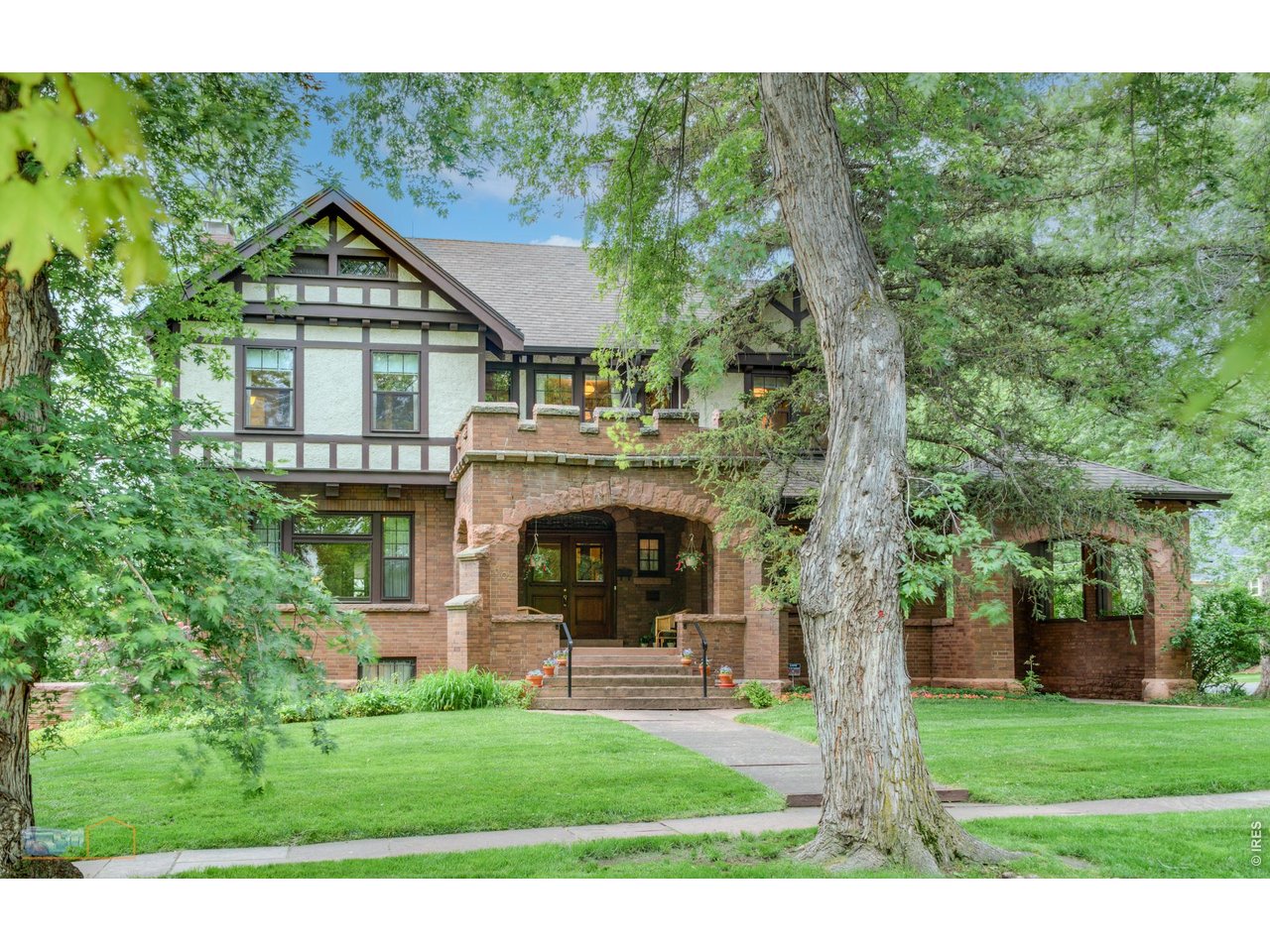
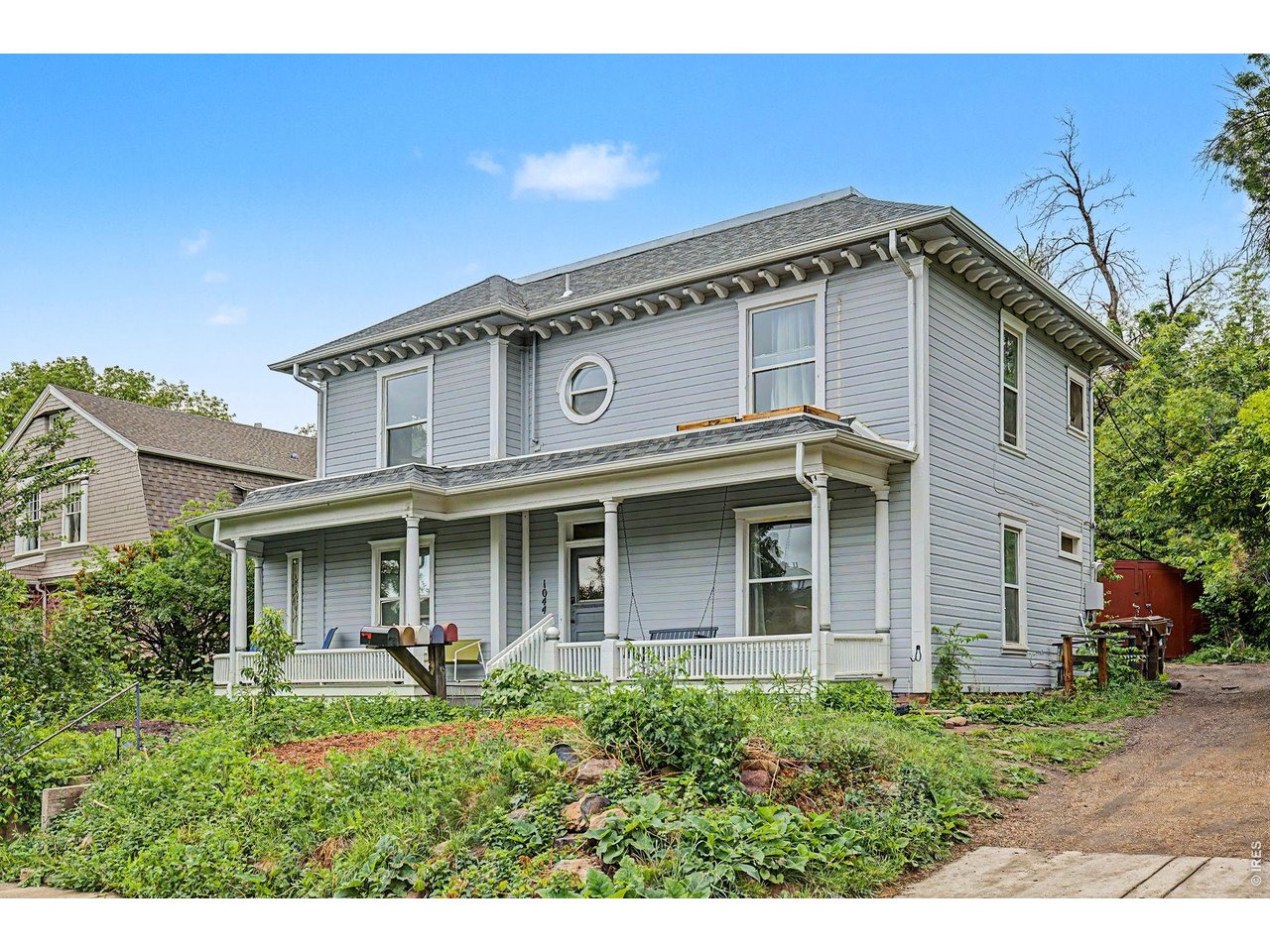
Walking Mapleton Hill is like taking a compressed tour of American architecture between 1880 and 1920. Because the neighborhood was built so quickly, and by wealthy homeowners who could afford whatever style was in vogue, you can move from an ornate Victorian to a restrained Craftsman bungalow within a single block.
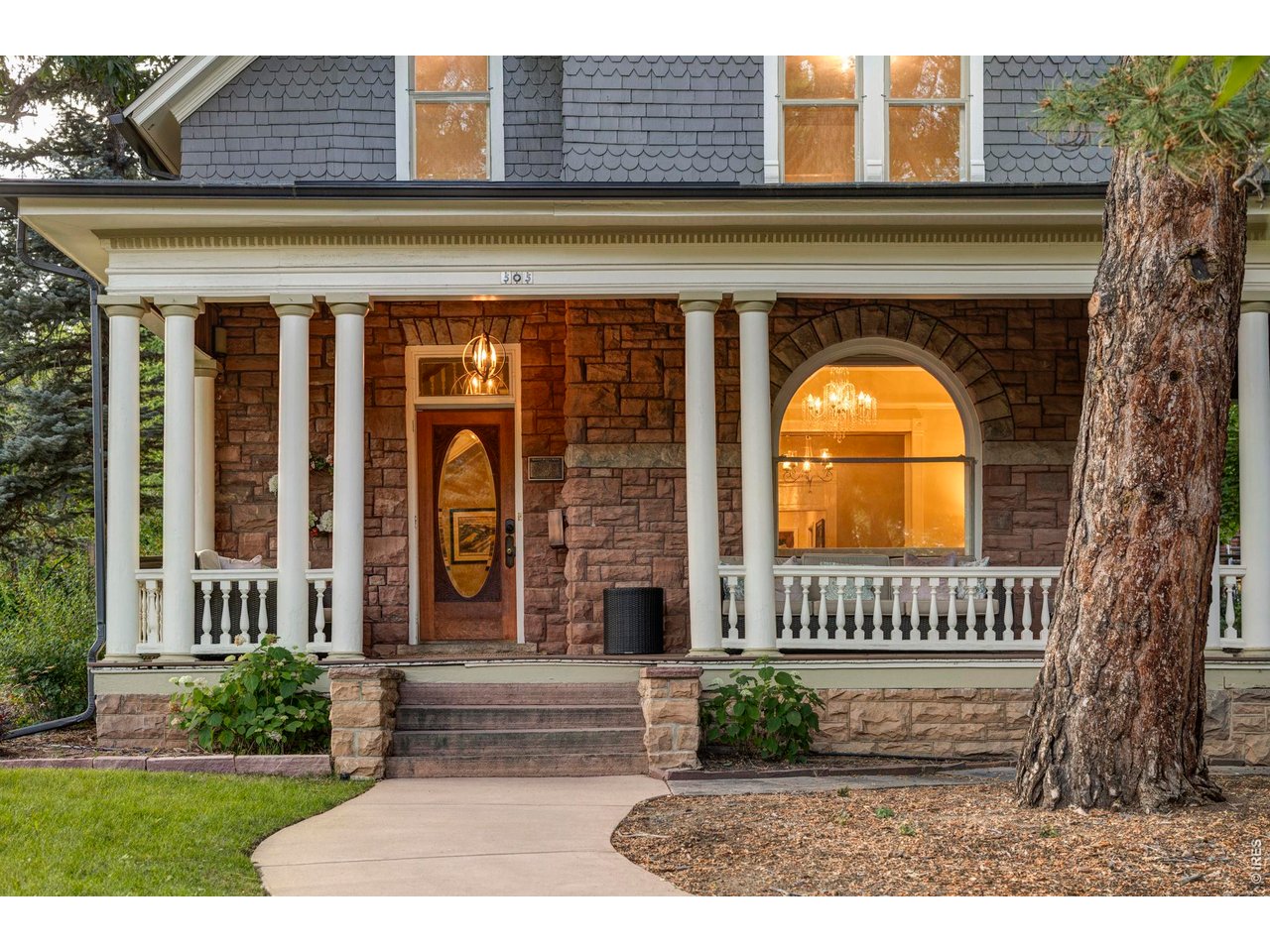
The showstoppers are the Queen Anne Victorians. Built from the 1880s through the early 1900s, these homes were designed to display wealth. They lean asymmetrical, with steep intersecting rooflines, wraparound porches, polygonal towers, decorative "gingerbread" trim, and textured fish-scale shingles. Nothing about them is understated, and that's the point.
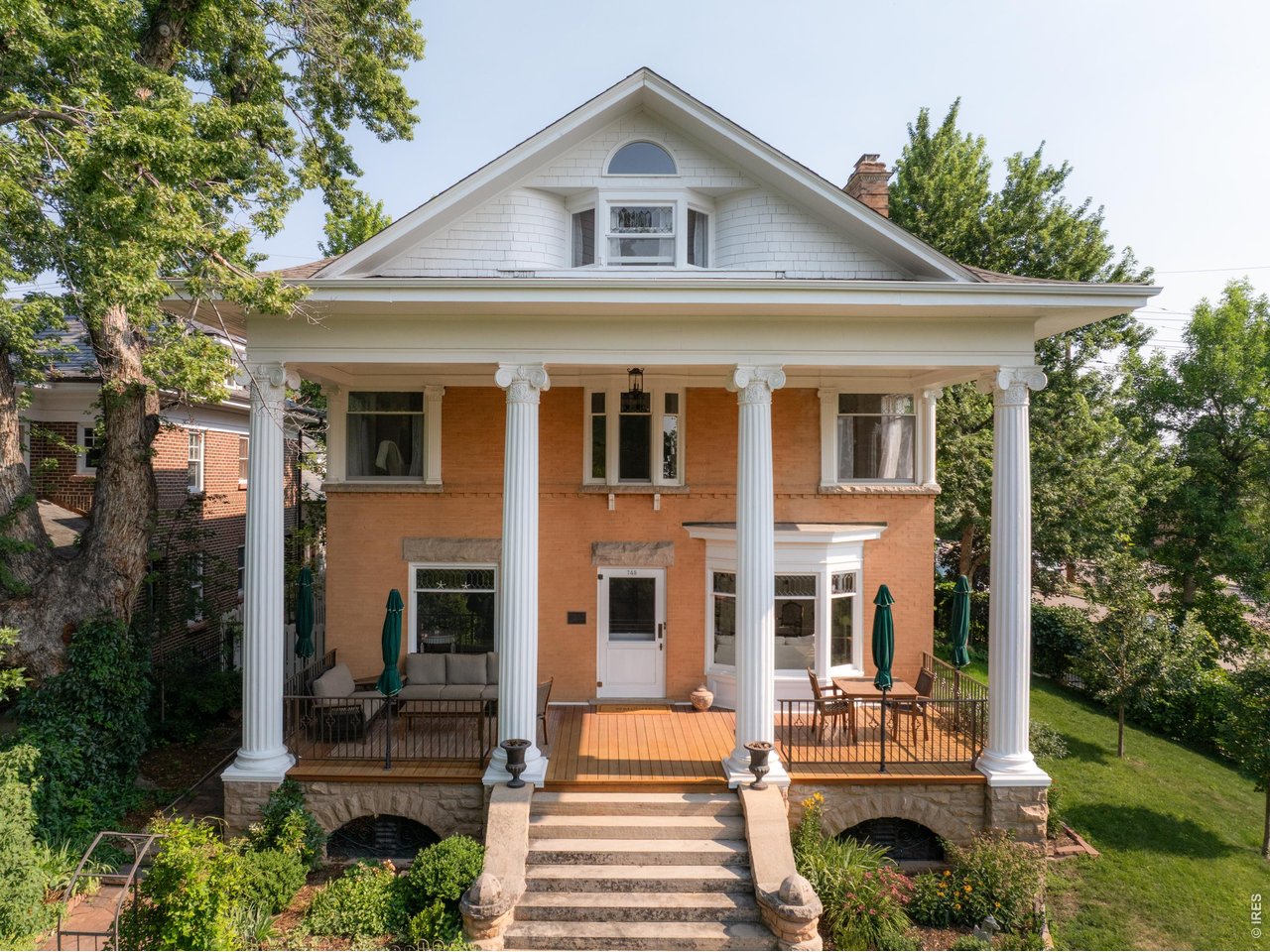
As the Victorian era wound down, Edwardian and Classical Revival homes brought a calmer sensibility. The scale stayed grand, but the ornamentation gave way to symmetrical facades, cleaner lines, and columns pulled from classical Greek and Roman tradition. These homes feel more composed and less theatrical than their Victorian neighbors.
Then came the Craftsman movement, a direct rebellion against Victorian excess. Craftsman bungalows sit lower to the ground, hug the landscape, and celebrate natural materials over decoration. You'll spot them by their low-pitched roofs with wide overhanging eaves, exposed rafters, deep covered porches supported by thick tapered columns, and generous use of local stone and dark-stained wood. In Mapleton Hill, they blend beautifully with the maple canopy and the natural foothill setting.
The 1982 historic district designation is the single most important thing to understand about owning property in Mapleton Hill. It's what protects the character of the neighborhood, and it's what shapes almost every renovation decision homeowners make here.
Any exterior change visible from the public right-of-way must be reviewed and approved by the Boulder Landmarks Board through a process called a Landmark Alteration Certificate, or LAC. This applies far more broadly than most buyers initially assume. Repainting your house a new color, replacing a front door, swapping out original windows, adding solar panels, building a fence, installing a new driveway, or expanding a porch all require review. The guiding philosophy is preservation over replacement. If original wood windows or siding can be repaired, the city expects them to be repaired rather than swapped for modern vinyl. If a historic element is missing, homeowners are encouraged to consult old photographs and replicate the original rather than invent something new.
Additions are permitted, but they have to be built toward the rear of the property so they don't disrupt the streetscape. The design has to be compatible with the original home in scale and materials, but it also has to be subtly distinct, so it doesn't try to fake being old. Timelines matter here too. Minor changes can be approved by city staff in two to four weeks, but larger projects that go before the Landmarks Board can take six weeks to three months.
The preservation guidelines also extend to the tree canopy. The historic silver maples are treated as protected infrastructure, and significant trees cannot be removed without city review.
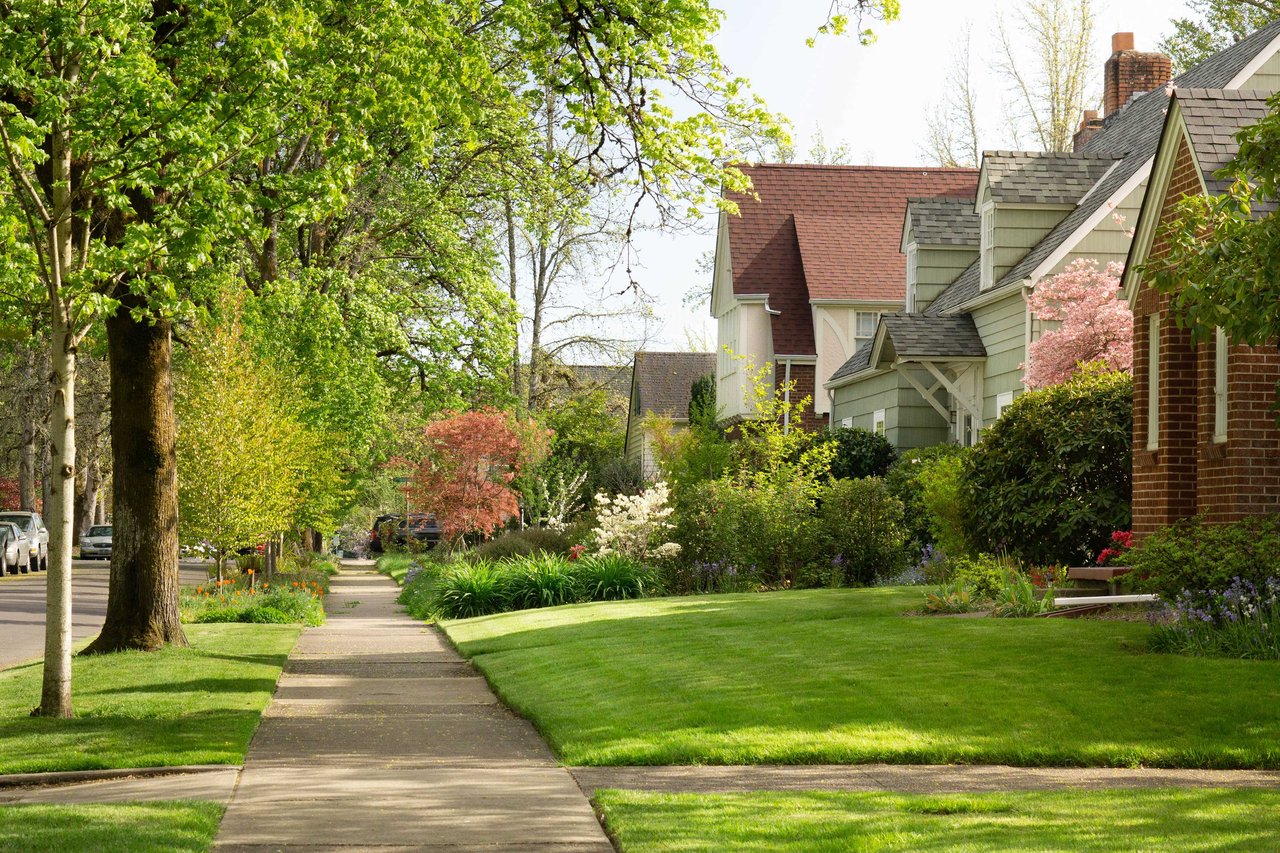
Mapleton Avenue itself is the neighborhood's most photographed street, and the reason is almost entirely botanical. In 1890, the Boulder Land and Improvement Company planted over 200 silver maples along the avenue, with local newspapers at the time praising the effort for giving the street an air of thrift and comfort. More than 130 years later, those trees, along with sugar, red, bigtooth, and Norway maples added over the decades, have grown into a full arching canopy that touches over the wide avenues.
The practical effect is a natural microclimate. On a hot summer afternoon, the sidewalks along Mapleton Avenue run noticeably cooler than the exposed commercial blocks a few minutes away. In autumn, the entire neighborhood turns red, orange, and gold in a way that draws visitors from across the Front Range. The city treats the canopy as long-term infrastructure, actively managing the aging silver maples and planting resilient replacement species so that the tunnel of green will still be here for the next generation of Mapleton Hill residents.
Mapleton Hill was laid out and mostly built before cars existed, and that shows in daily life here. The neighborhood is one of the most authentically walkable communities in Colorado, and residents genuinely use it that way.
The neighborhood itself is almost entirely residential. There are no commercial storefronts breaking up the historic streetscape, which is part of what keeps the blocks so quiet. But downtown is right there. Depending on where a home sits on the hill, the Pearl Street Mall is a five to fifteen-minute walk south. That means residents can stroll down for dinner, catch live music at Bands on the Bricks, browse the Boulder Farmers Market on a Saturday morning, or meet friends for coffee without ever thinking about parking.
At the northern edge of the neighborhood, Community Plaza and its Ideal Market (Boulder's beloved Whole Foods outpost) serve as the informal neighborhood grocery hub. To the west, the streets run right into the Mount Sanitas and Sanitas Valley trailheads, meaning a resident can walk out their front door and be on a serious mountain hike within minutes. Because the neighborhood sits so close to downtown, the city protects it from commuter overflow through the Neighborhood Parking Program, giving residents permit access and keeping the streets quiet for the people who actually live here.
Very few Boulder neighborhoods can claim doorstep access to both a challenging mountain trail and a world-class urban gathering space. Mapleton Hill can.
The Mount Sanitas Trailhead sits on Sunshine Canyon Drive at the western edge of the neighborhood. The Mount Sanitas Trail itself is a 3.2-mile loop that climbs roughly 1,300 vertical feet up natural rock staircases to a summit with panoramic views of downtown Boulder, the University of Colorado campus, and the eastern plains stretching toward the horizon. For a gentler outing, the Sanitas Valley Trail runs as a wide gravel path up the middle of the valley between Mount Sanitas and the Hogback ridge, and it's a daily favorite for trail runners, dog walkers, and anyone looking for a scenic stroll without the climb.
On the other side of the neighborhood, just a few blocks south, is the Pearl Street Mall. It functions as the community's urban park as much as its commercial district: brick-paved walkways, interactive rock play areas that Boulder kids grow up on, street performers on every corner in summer, and the famous spring tulip displays that draw crowds every April.
Education is stitched into the fabric of the neighborhood in a way that's unusual for a historic district. The Mapleton Early Childhood Center, housed in the original 1888 stone schoolhouse at 845 Mapleton Avenue, still operates today as a public play-based preschool for children ages three to five. It's a working piece of neighborhood history and a daily gathering spot for local parents.
For K-12 education, Mapleton Hill families feed into a strong cluster of Boulder Valley School District schools. Whittier International Elementary, just east of the neighborhood, is an authorized International Baccalaureate World School with a focus on global awareness and inquiry-based learning. It's also one of Boulder's most historic and diverse elementary schools. Casey Middle School, a few blocks away on High Street, offers a state-of-the-art facility, a well-regarded Dual Language Immersion program in English and Spanish, and a strong arts and environmental sustainability focus. High schoolers attend Boulder High School, which was established in 1875 and is Colorado's oldest high school. It routinely ranks among the top public high schools in the state, and it's known for a robust Advanced Placement program, competitive athletics, and a vibrant arts curriculum.
Locals sometimes call Mapleton Hill the "Park Avenue of Boulder," and the real estate numbers back up the nickname. The median sale price sits around $2.4 million, with larger historic estates on generous corner lots routinely trading between $3 million and $5 million or more. On a per-square-foot basis, homes here command roughly $900 to $1,100, which reflects both the finite inventory and the real cost of maintaining a historically designated home.
The market behaves differently than the rest of Boulder. Turnover is low. There are rarely more than about 30 active listings at any given moment, and the historic district protections shield the neighborhood from the kind of developer buyouts, lot splitting, and tear-down speculation that reshape other parts of the city. Even when Boulder's broader market cools, Mapleton Hill tends to stay warm.
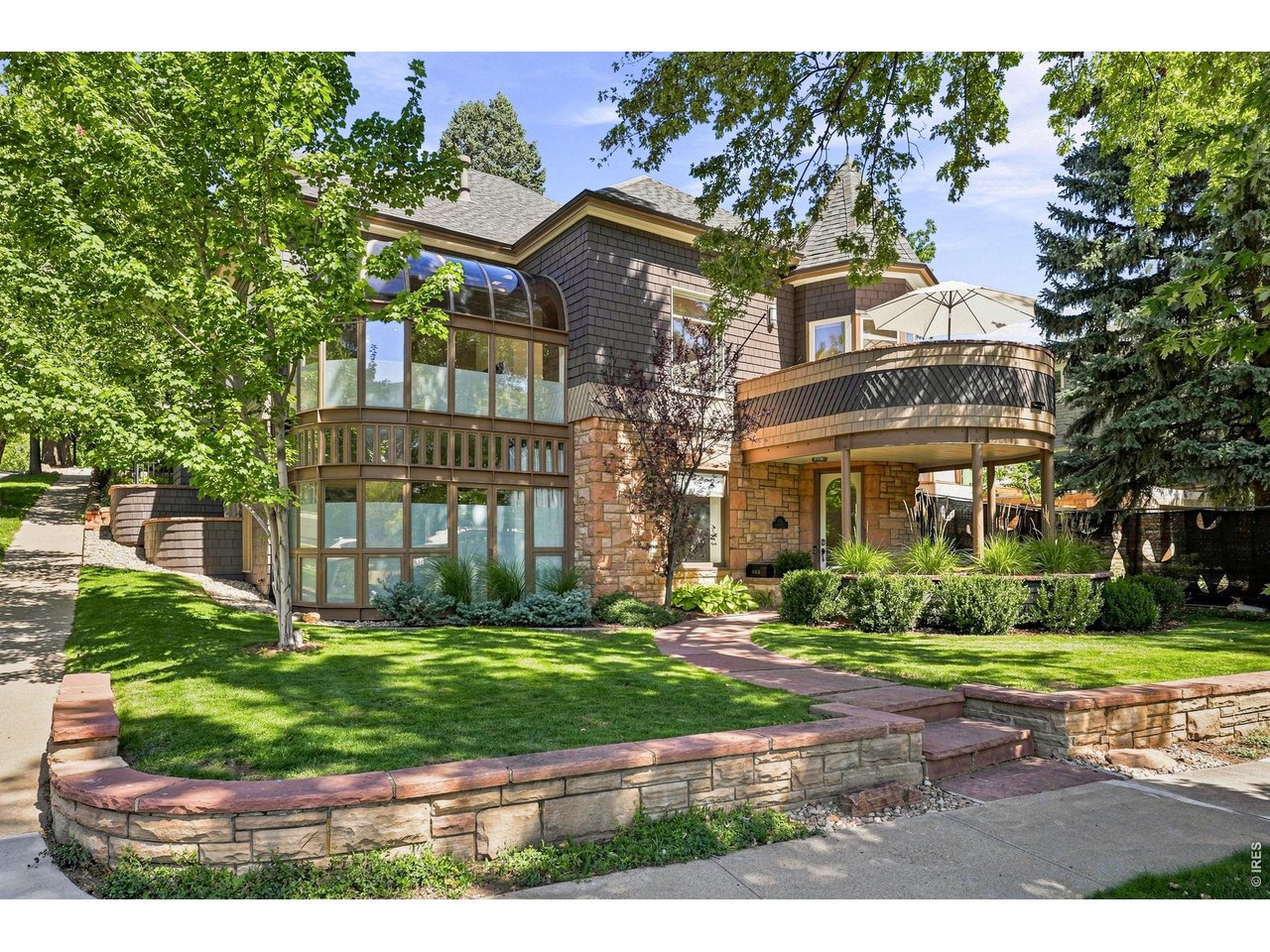
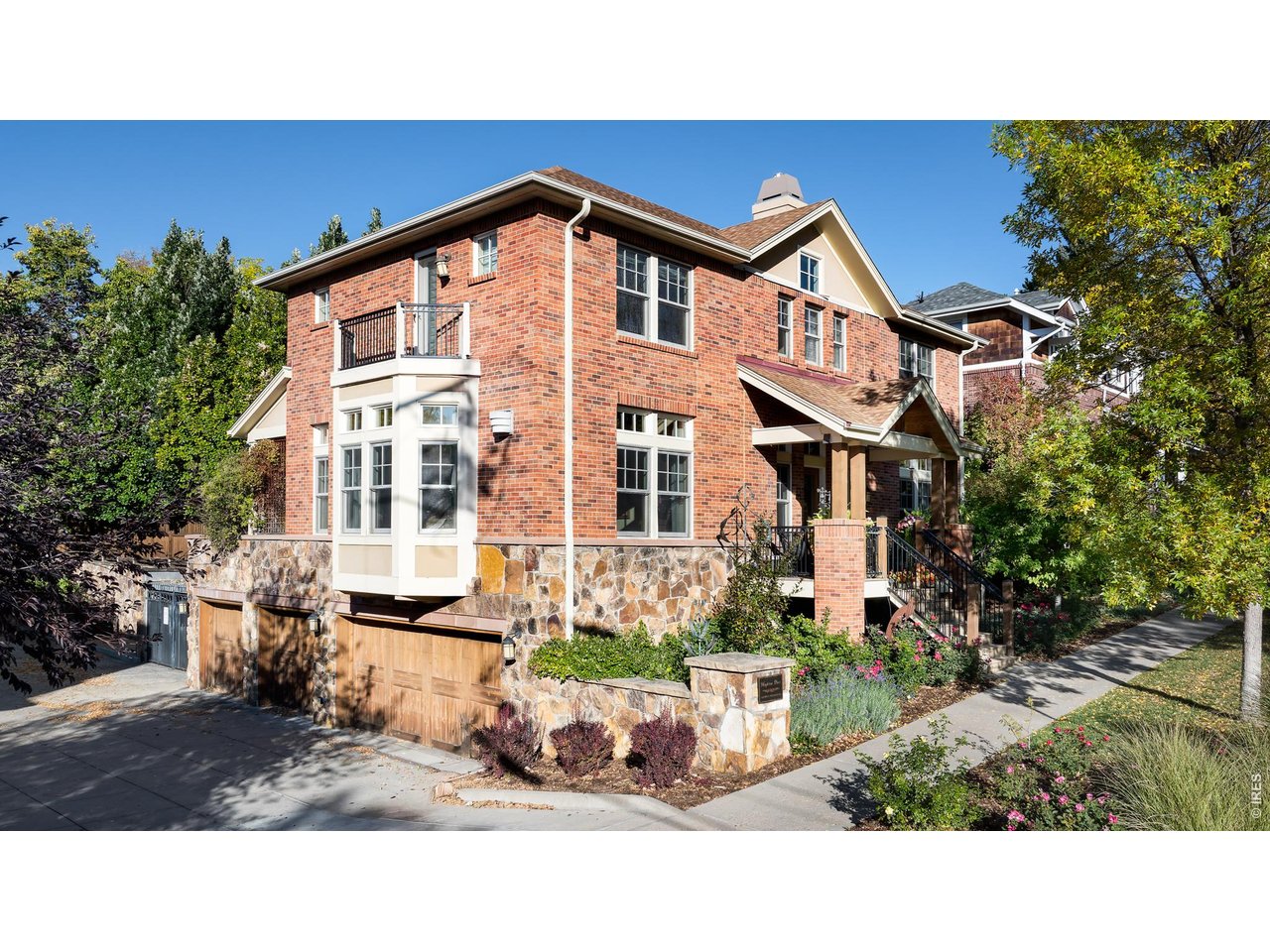
The most interesting thing about buying here, though, is the paradox behind the front doors. From the sidewalk, these homes look untouched by the 21st century. Step inside a fully renovated Mapleton Hill Victorian, however, and you'll typically find a custom chef's kitchen, radiant floor heating, integrated smart-home systems, and open living spaces, all tucked behind period-accurate exterior craftsmanship. That contrast, historic outside and hyper-modern inside, is exactly what drives the premium.
A handful of properties in Mapleton Hill carry real weight in Boulder's architectural and civic history. The Squires-Tourtellot House at 1019 Spruce Street, built in 1865, is widely recognized as the oldest surviving home in the city of Boulder. It's the only true example of rural New England architecture in town, with a steep gable roof, classic louvered shutters, and 20-inch-thick walls built by hand from local river rock and fieldstone hauled out of the nearby foothills.
At 1020 Mapleton Avenue sits "The Wedding Cake House," a 1905 Colonial Revival estate built by John McInnes, an early director of the First National Bank of Boulder. The nickname comes from the home's distinct layered aesthetic and the three dozen striking white columns adorning its facade. It's one of the most photographed private homes in the neighborhood.
The Mapleton School at 845 Mapleton Avenue, built in 1888, was the first structure to rise on the hill and remains the visual anchor of the entire neighborhood. Constructed of local stone in the rugged Richardsonian Romanesque style rather than the standard brick used in most Boulder schools of the era, its imposing clock tower and red roof still define the skyline of the upper hill.
The alleys of Mapleton Hill are worth a walk too. They're populated by a dense collection of original barns, carriage houses, and stables, many of which have been thoughtfully converted into accessory dwelling units, guest suites, or home offices. They offer a tangible glimpse of what daily logistics looked like in the horse-and-carriage era.
The physical design of Mapleton Hill, wide sidewalks, grand front porches on nearly every home, and quiet residential streets, actively encourages a specific kind of community life. People spend time outside. Neighbors know each other. Evening walks turn into long conversations on front steps.
Two neighborhood traditions capture that culture better than anything else. Every year on the third Sunday in September, Mapleton Hill hosts PorchFest, the neighborhood's signature event. Dozens of local musicians set up impromptu stages on porches, yards, and driveways across the district, and upwards of a thousand locals and visitors spend the afternoon walking from house to house, listening to acoustic music, eating from food trucks, and running into friends. Every August, the neighborhood also organizes a massive coordinated community rummage sale. Instead of scattered individual garage sales, the entire historic district opens up on the same day, turning the streets into a walkable open-air marketplace.
Day-to-day, the culture is active and pedestrian-first. Kids ride bikes to school, adults walk dogs at dawn, athletes head for the Sanitas trailheads before work, and residents value quiet streets, environmental sustainability, and the kind of car-light lifestyle that's rare in modern American neighborhoods.
Buying a home in Mapleton Hill is different from buying almost anywhere else in Boulder, and the due diligence needs to match.
The most important thing to internalize is the Landmark Alteration Certificate process. As covered above, any exterior change visible from the street requires city review, and this catches a lot of buyers off guard. If you plan to repaint, replace windows, add solar, or expand the porch shortly after closing, you need to build LAC timelines into your renovation plans from the start. The good news is that the interior is a different story. The city does not regulate what happens inside the home, so buyers are free to gut and reconfigure the interior to create modern open floor plans, luxury kitchens, and updated bathrooms. The only caveat is that mechanical additions (like new stove venting or HVAC penetrations) cannot cut through a character-defining exterior wall visible from the street.
Inspections deserve extra attention here. Standard home inspections aren't enough for a house built between 1890 and 1920. A sewer scope is essential, since many older homes still rely on original clay or degrading cast-iron sewer laterals, and tree root intrusion from the neighborhood's massive silver maples regularly cracks those lines. Replacing a sewer lateral under historic streets can easily run into five figures. Electrical is another priority. Unrenovated homes may still contain knob-and-tube wiring, and many modern insurance carriers will not insure a home with active knob-and-tube, so a full rewire may be necessary shortly after closing. Buyers should also expect to navigate lead-based paint and potential asbestos issues during any renovation that disrupts old plaster.
On the upside, the financial picture isn't all restriction. Owners of designated historic properties who complete approved exterior restoration work can apply for Colorado State Historic Preservation Tax Credits, which can meaningfully offset the cost of the specialized craftsmanship these homes require.
Mapleton Hill isn't a neighborhood you buy into casually. The pricing is elevated, the inventory is thin, the historic district rules are genuinely restrictive, and the homes themselves demand a level of technical due diligence that most standard transactions never touch. Getting all of that right is the difference between owning one of Boulder's most beautiful homes and inheriting a decade of expensive surprises.
That's where our team comes in. Led by Karen Bernardi, who has spent more than 35 years working in Boulder real estate, The Bernardi Group is ranked #1 in Colorado and #9 nationally among all Coldwell Banker Realty teams. We know Mapleton Hill's homes, its sellers, its LAC process, and its inspection quirks intimately. For sellers, we bring full-service marketing including professional staging, videography, and photography that showcases historic homes the way they deserve to be shown. For buyers, our internal bridge loan program gives you a real edge when competing for one of the neighborhood's rare listings.
If you're thinking about buying or selling in Mapleton Hill, we'd love to talk. Reach out to The Bernardi Group and we'll help you navigate this one-of-a-kind neighborhood with the local expertise it requires.
There's plenty to do around Boulder's Mapleton Hill, including shopping, dining, nightlife, parks, and more. Data provided by Walk Score and Yelp.
Explore popular things to do in the area, including Music Fundamentals Summer Camp, and A State of Mind Therapy.
| Name | Category | Distance | Reviews |
Ratings by
Yelp
|
|---|---|---|---|---|
| Active | 0.28 miles | 3 reviews | 5/5 stars | |
| Active | 0.29 miles | 1 review | 5/5 stars | |
|
|
||||
|
|
||||
|
|
||||
|
|
||||
|
|
||||
|
|
Boulder's Mapleton Hill has 665 households, with an average household size of 2. Data provided by the U.S. Census Bureau. Here’s what the people living in Boulder's Mapleton Hill do for work — and how long it takes them to get there. Data provided by the U.S. Census Bureau. 1,269 people call Boulder's Mapleton Hill home. The population density is 19,991 and the largest age group is Data provided by the U.S. Census Bureau.
Total Population
Population Density Population Density This is the number of people per square mile in a neighborhood.
Median Age
Men vs Women
Population by Age Group
0-9 Years
10-17 Years
18-24 Years
25-64 Years
65-74 Years
75+ Years
Education Level
Total Households
Average Household Size
Average individual Income
Households with Children
With Children:
Without Children:
Marital Status
Blue vs White Collar Workers
Blue Collar:
White Collar:
Whether you're looking to buy a new home, sell your current home or buy an investment property, the Bernardi Group can help you meet your goal.