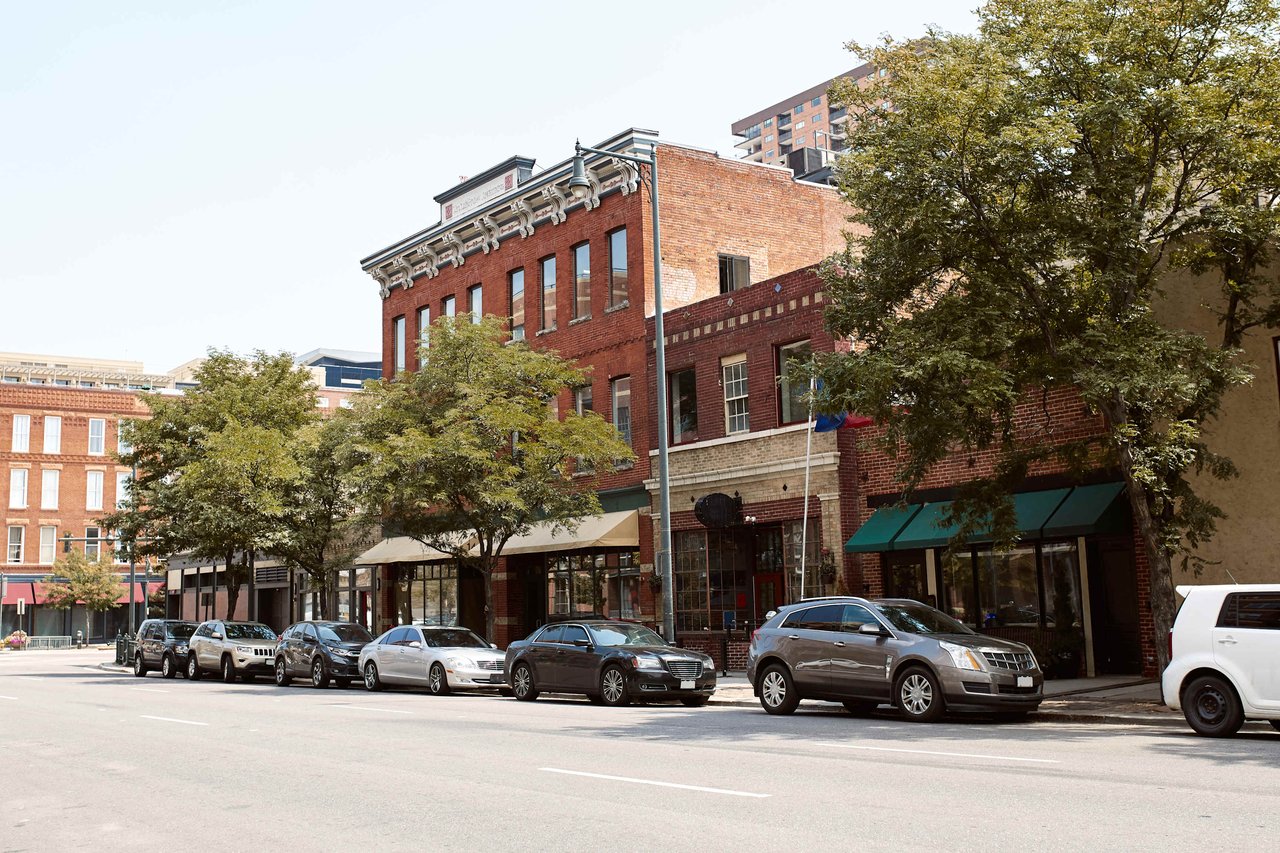
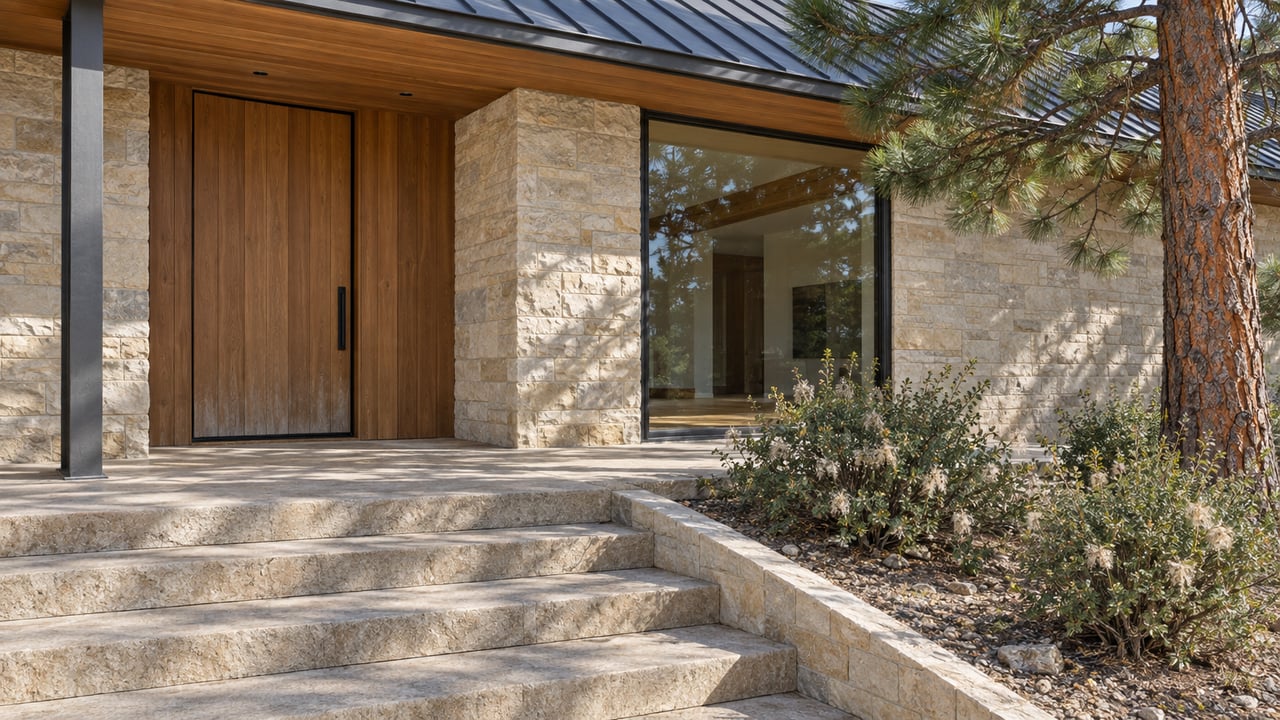
Whittier is Boulder's most centrally located historic residential neighborhood, serving as the bridge between downtown's Pearl Street Mall and the city's eastern commercial corridors. This tree-canopied, walkable enclave of Victorian cottages and brick bungalows sits on the valley floor between Broadway and 28th Street, offering residents a rare combination: the pedestrian lifestyle of urban living with the architectural charm of a late-1800s working-class neighborhood.
The neighborhood attracts a diverse mix of young professionals, families, CU faculty, and empty nesters who value proximity to Pearl Street dining, the Boulder Creek Path, and downtown employers. With a Walk Score approaching 100, many residents live car-free or car-light, biking to work and walking to Whole Foods or the farmers market in under 15 minutes.
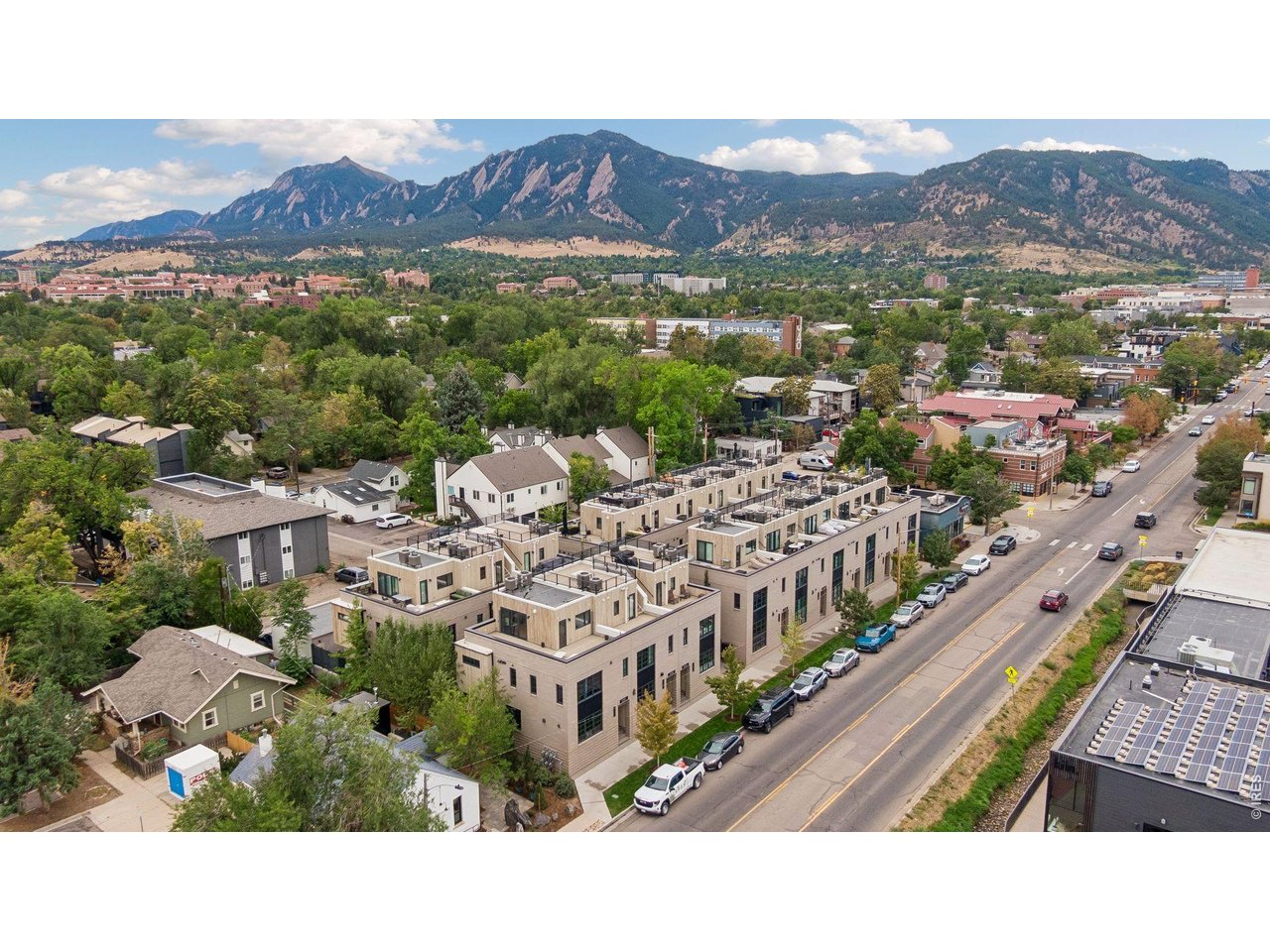
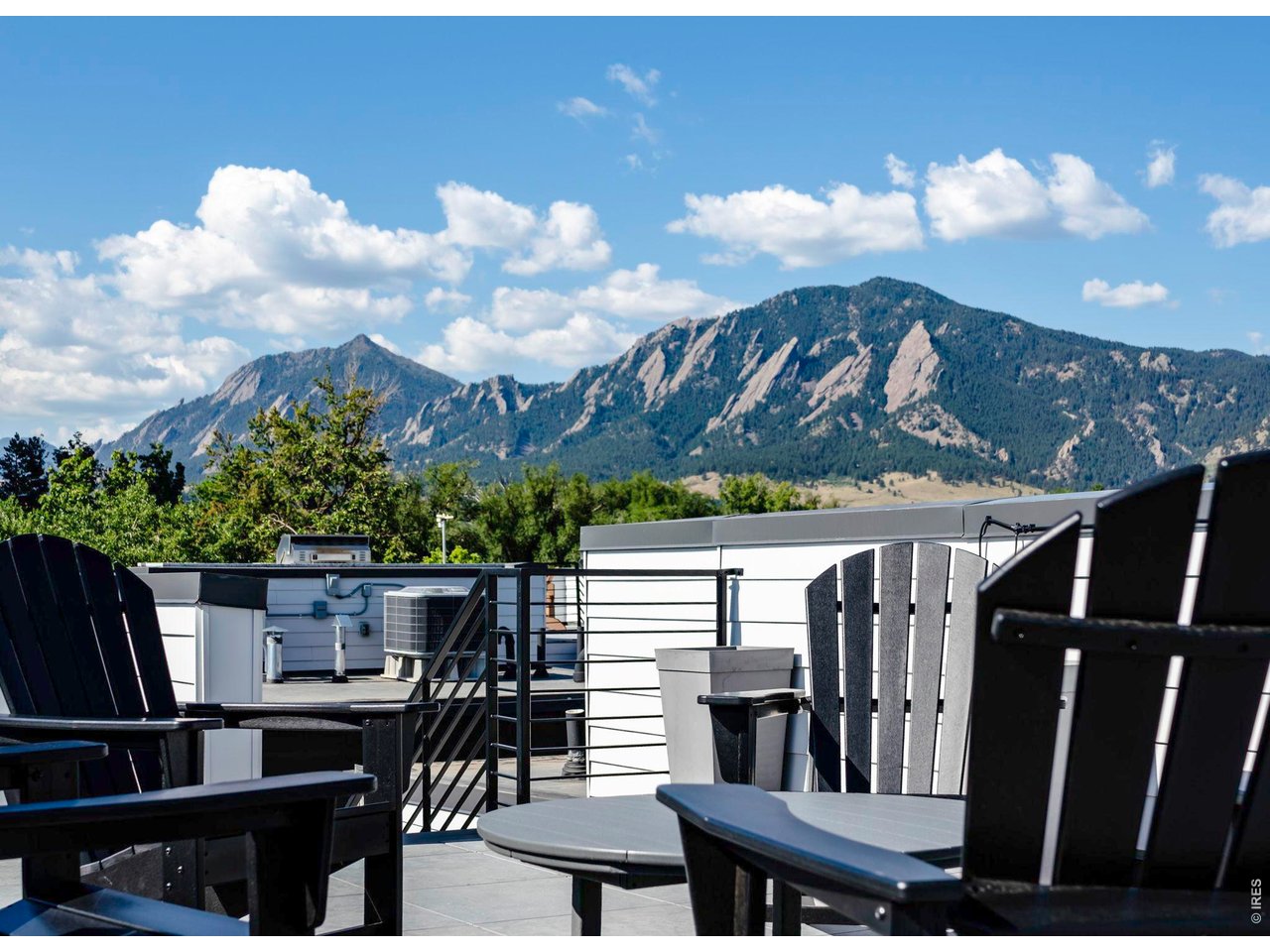
What makes Whittier appealing is its density without compromise. The mature silver maples and cottonwoods create a lush canopy over grid-pattern streets, while the Victorian architecture gives every block distinct character. Unlike Boulder's hillside neighborhoods, Whittier's flat terrain makes it exceptionally bikeable, and north-south streets like 20th and 23rd offer clear sightlines to the Flatirons and Mount Sanitas.
History
Whittier developed in the late 1800s (1870s–1890s) as Boulder expanded eastward from its original town site. The neighborhood is named after Whittier International Elementary School, which itself honors 19th-century abolitionist poet John Greenleaf Whittier.
While the affluent Mapleton Hill neighborhood west of Broadway was being built for Boulder's founding families and business tycoons, Whittier served as housing for the working class—bricklayers, carpenters, miners, and shopkeepers who built the town. This socioeconomic divide explains why Whittier homes sit on tighter lots and feature smaller footprints than the grand estates found one block west.
The neighborhood's eastern edge was historically influenced by Union Pacific railroad tracks (now near 30th/Pearl and Boulder Junction), making it convenient for rail workers and industrial tradespeople. Whittier Elementary School, opened in 1882 at 2008 Pine Street, is the oldest continuously operating school in Colorado and remains a historical anchor for the community.
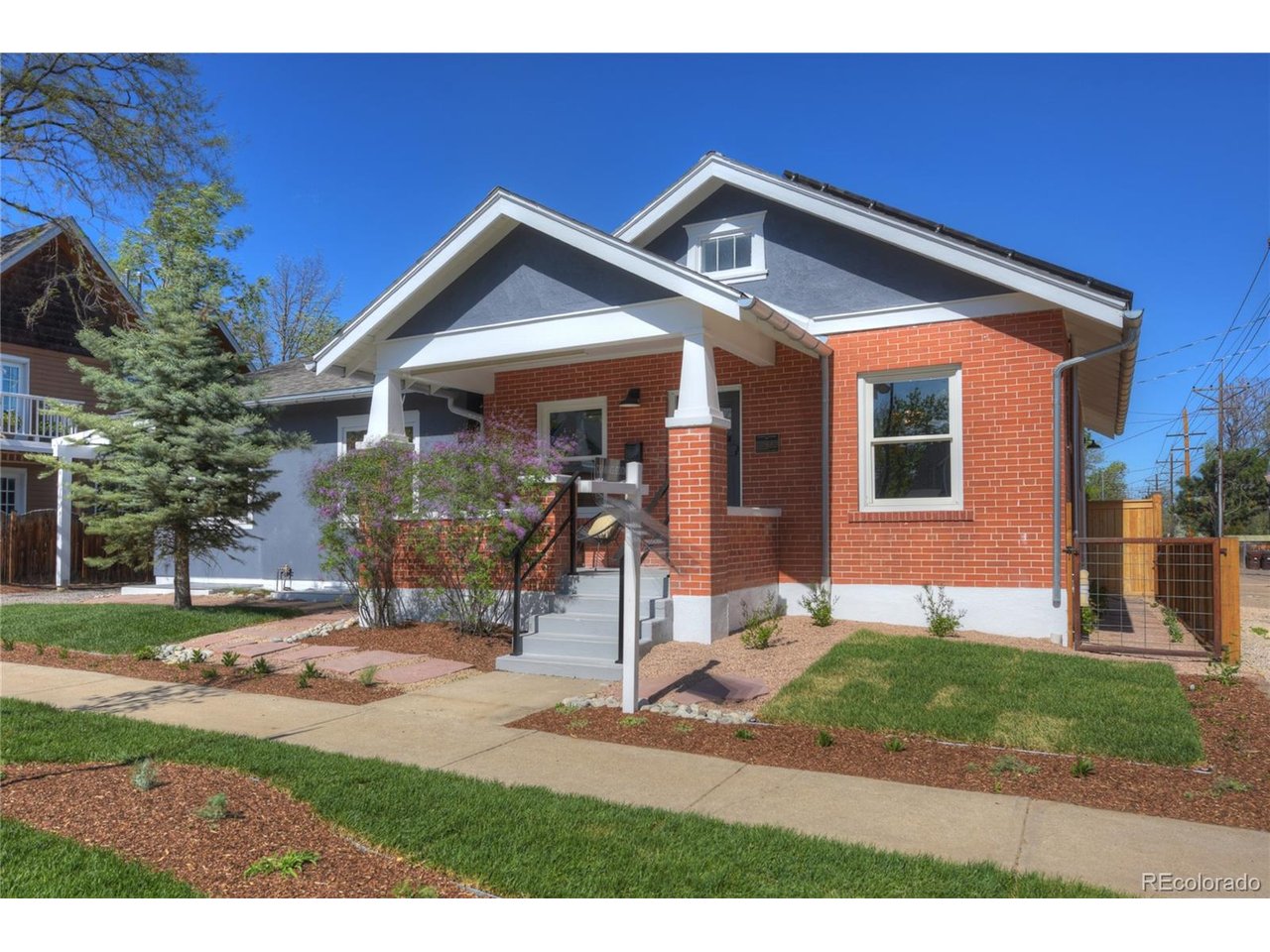
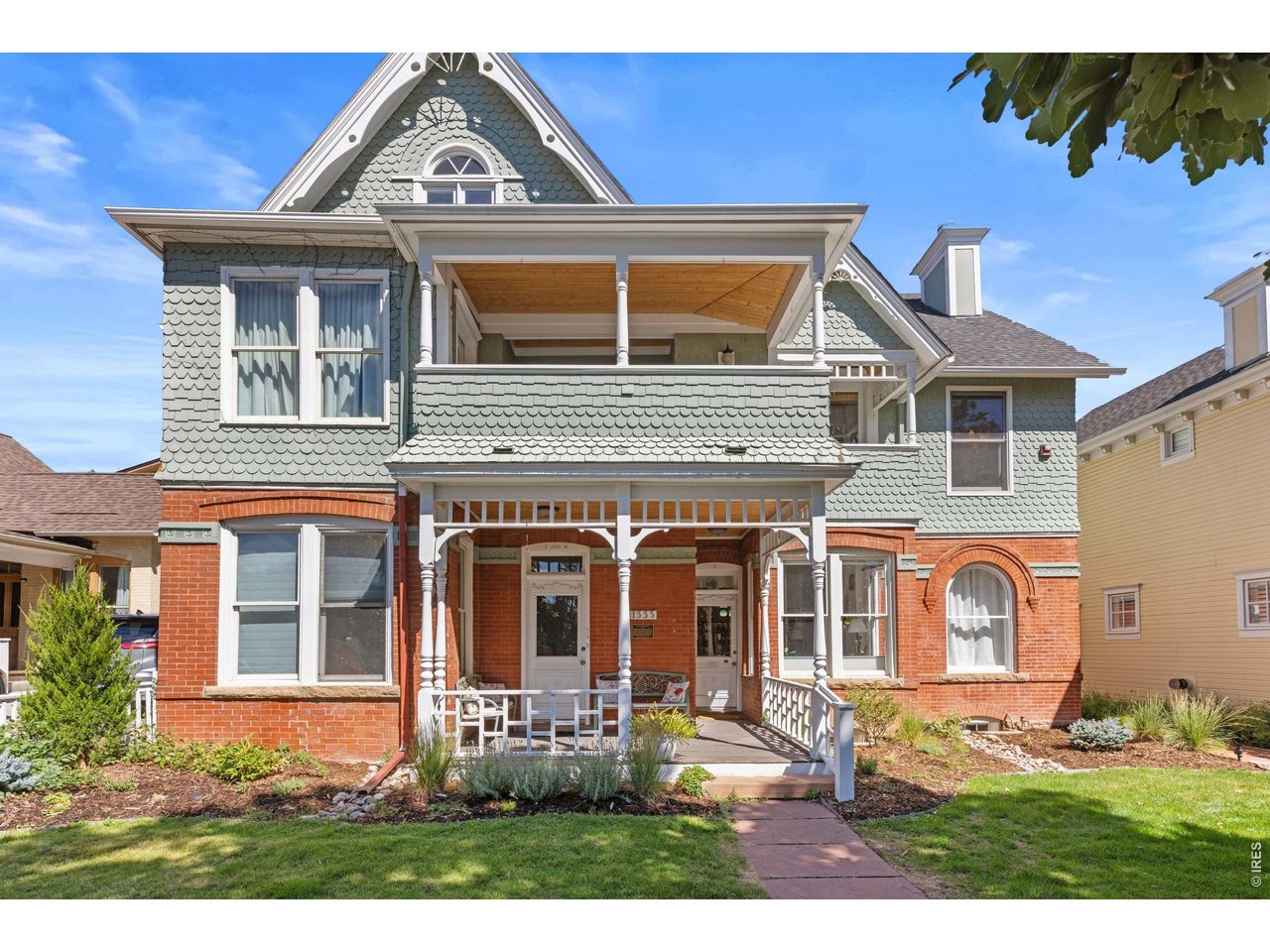
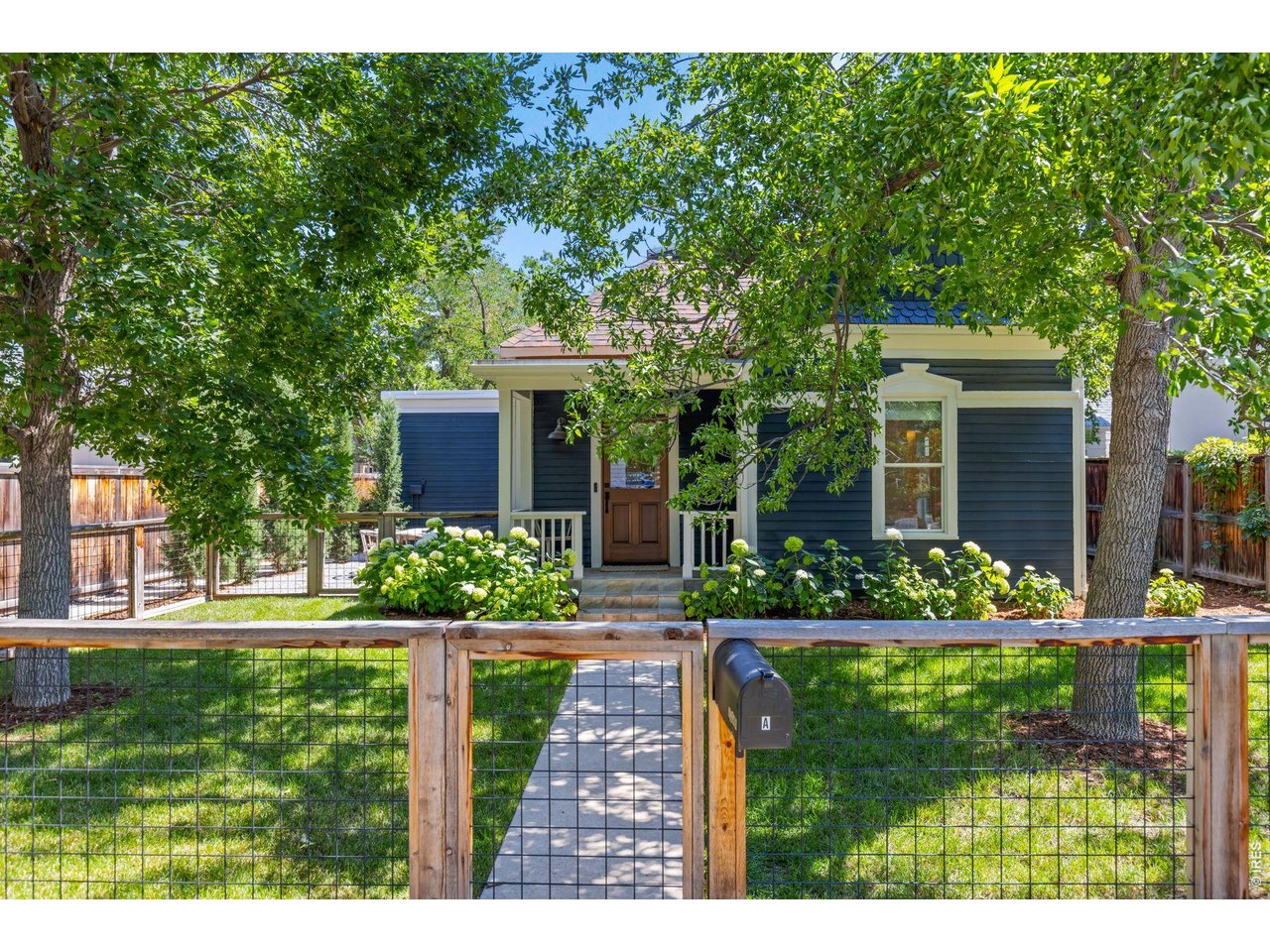
Architecturally, Whittier showcases "vernacular" styles rather than high-style mansions: Victorian cottages with intricate brickwork from the 1890s, Queen Anne homes with asymmetrical facades, and Arts and Crafts bungalows from the early 1900s. In the late 20th century, gentrification transformed the neighborhood as walkability to Pearl Street became highly coveted, leading to significant restoration of historic homes. Many original single-family homes were converted to student rentals due to CU proximity, though recent trends show conversions back to high-end single-family residences.
Location & Geography
Boundaries:
- West: Broadway (separating from Mapleton Hill)
- East: 28th Street (major commercial corridor)
- North: Alpine Avenue or Bluff Street
- South: Canyon Boulevard (separating from Goss-Grove)
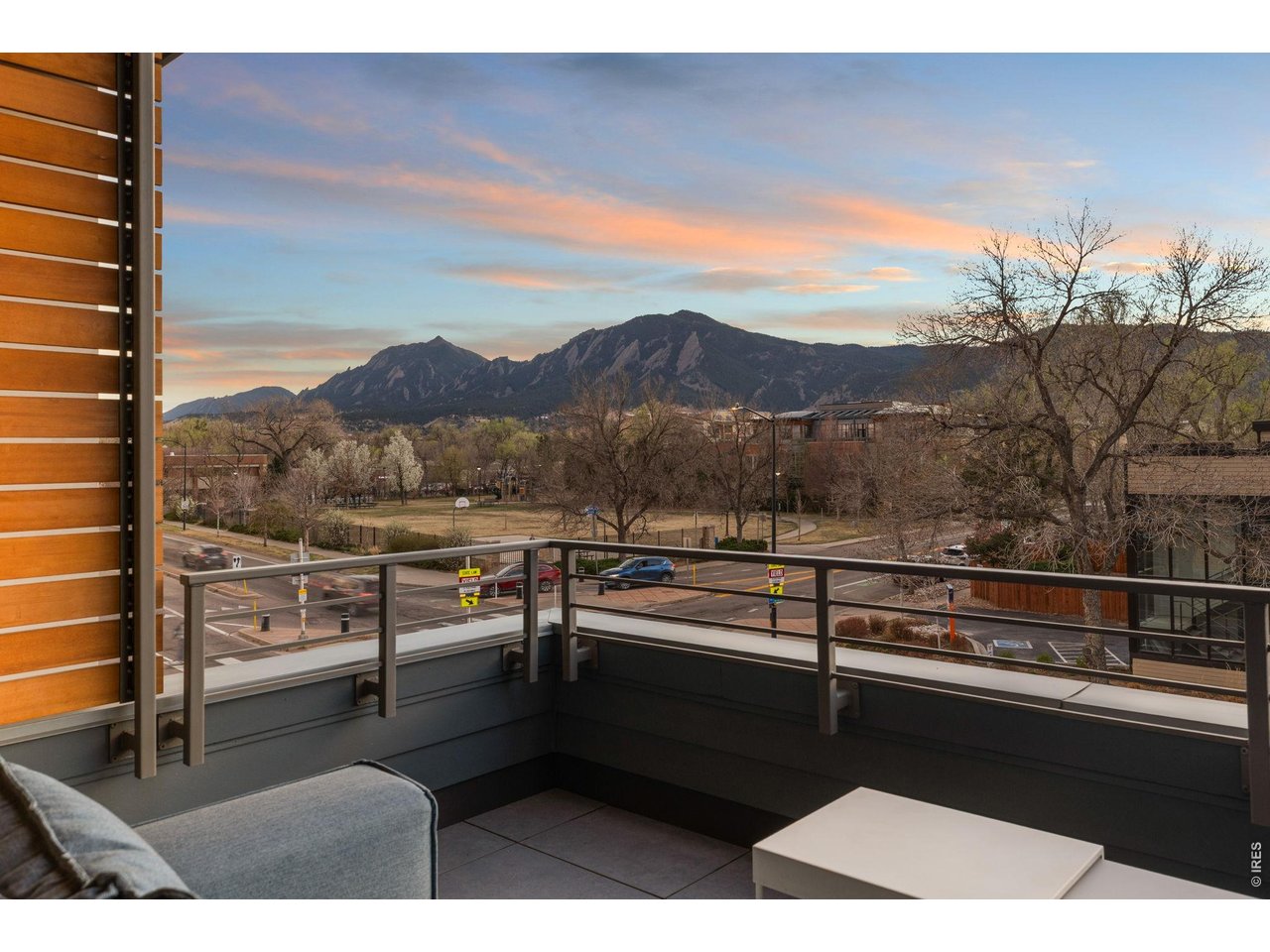
Terrain & Landscape: Whittier sits on the valley floor with largely flat terrain, making it one of Boulder's most walkable and bikeable areas. The neighborhood is defined by a dense canopy of mature trees—silver maples, cottonwoods, and oaks—lining grid-pattern streets. Despite the flat topography, north-south streets offer clear sightlines of the Flatirons to the southwest and Mount Sanitas to the northwest.
Proximity: Whittier is approximately 30 miles northwest of Denver via US-36, with direct express bus service to Union Station (45 minutes). Denver International Airport is accessible via direct shuttle service from the downtown Boulder bus station, a 5–15 minute walk from most Whittier homes.
Climate: Boulder experiences 300+ days of sunshine annually with low humidity. Winters are mild with afternoon temperatures often in the 40s–50s°F, though nights drop below freezing. Summers are warm (high 80s–low 90s°F) with cool evenings. The area receives minimal precipitation, with occasional afternoon thunderstorms in summer and moderate snowfall in winter that typically melts quickly.
Real Estate Market Snapshot
Current Market Conditions (Early 2026):
The Whittier market has stabilized into a balanced to lean-seller environment following the cooling of Boulder's pandemic-era frenzy. High-quality, renovated historic homes still command multiple offers, while unrenovated properties or condos may sit longer.
| Metric |
Current Status |
| Median Sales Price |
$1.2M–$1.6M (single-family); $400K–$700K (condos) |
| Market Type |
Balanced/Lean Seller |
| Days on Market |
35–50 days (hot properties <14 days) |
| List-to-Sale Ratio |
96%–98% |
| Inventory |
Low to moderate (15–20 active listings typical) |
Appreciation & Trends: After a slight correction in late 2024/early 2025, prices have stabilized with year-over-year appreciation flat to slightly positive (+2% to 4%). The market shows clear bifurcation: renovated Victorians continue appreciating well as rare assets, while condos and dated rentals face softer pricing and longer market times due to high HOA fees and elevated interest rates.
Whittier remains one of Boulder's most resilient micro-markets due to its historic inventory, unbeatable walkability, and limited supply. Inventory remains tight with fewer than 20 active listings typical at any given time.
Types of Homes Available
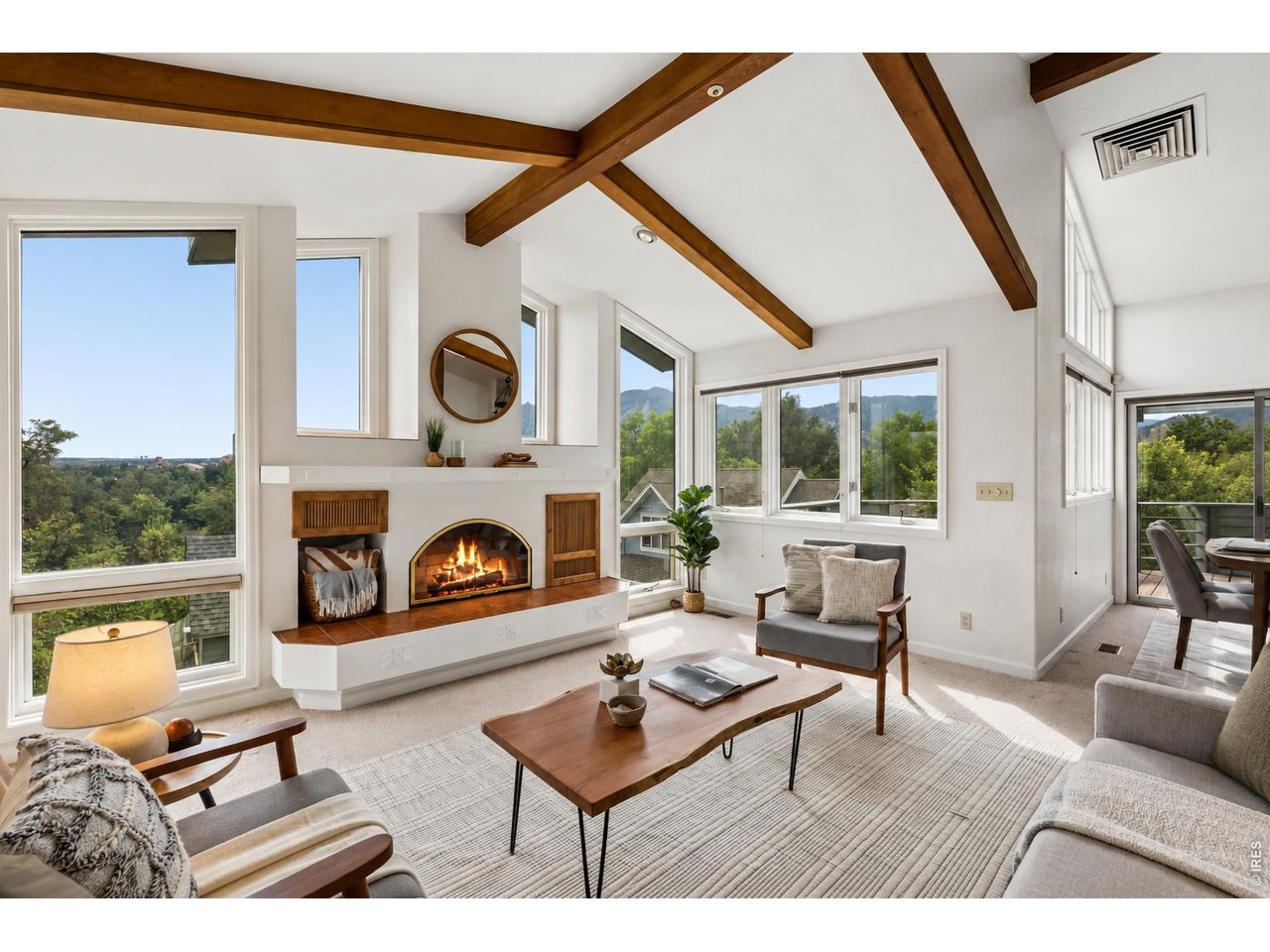
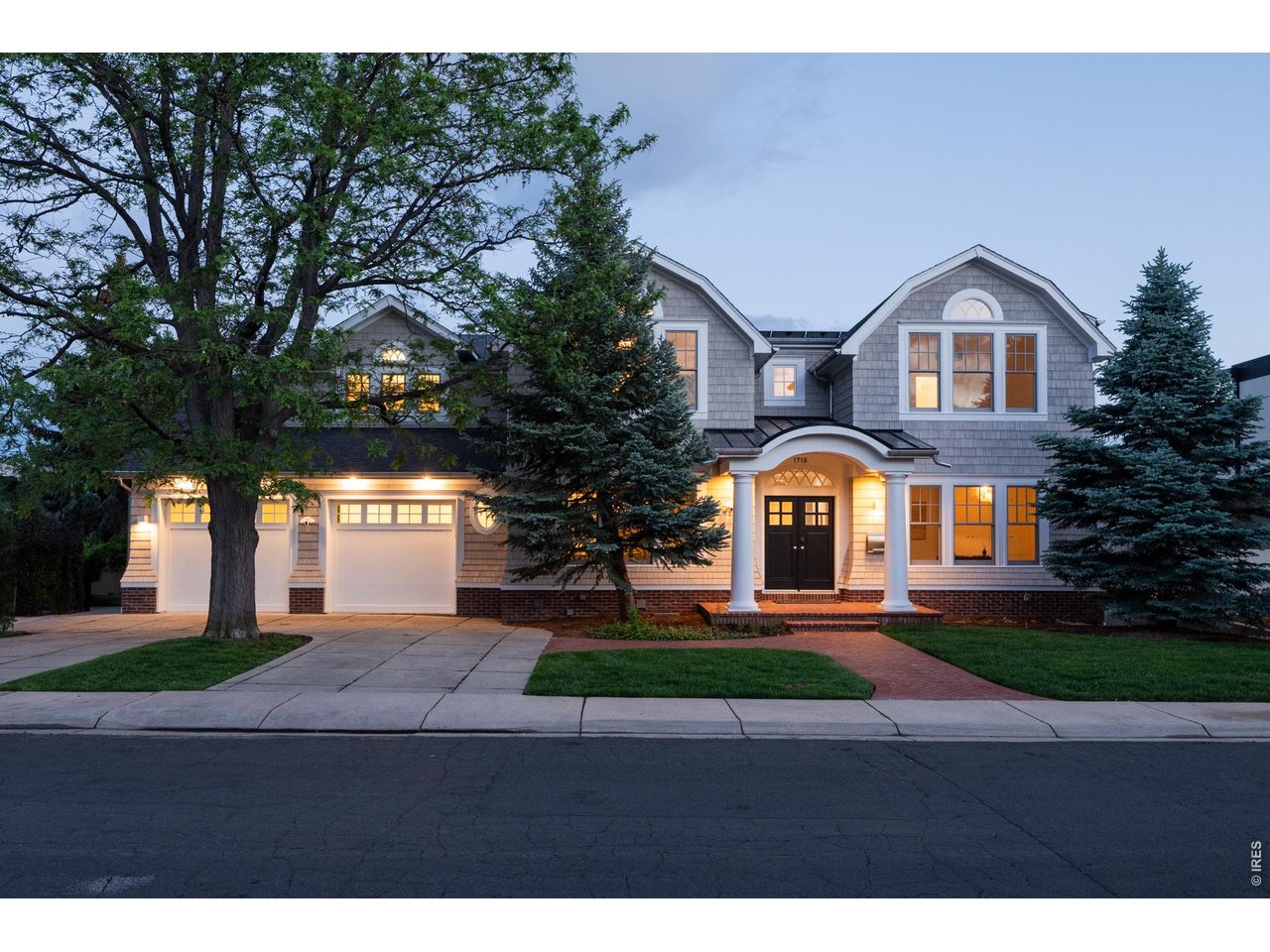
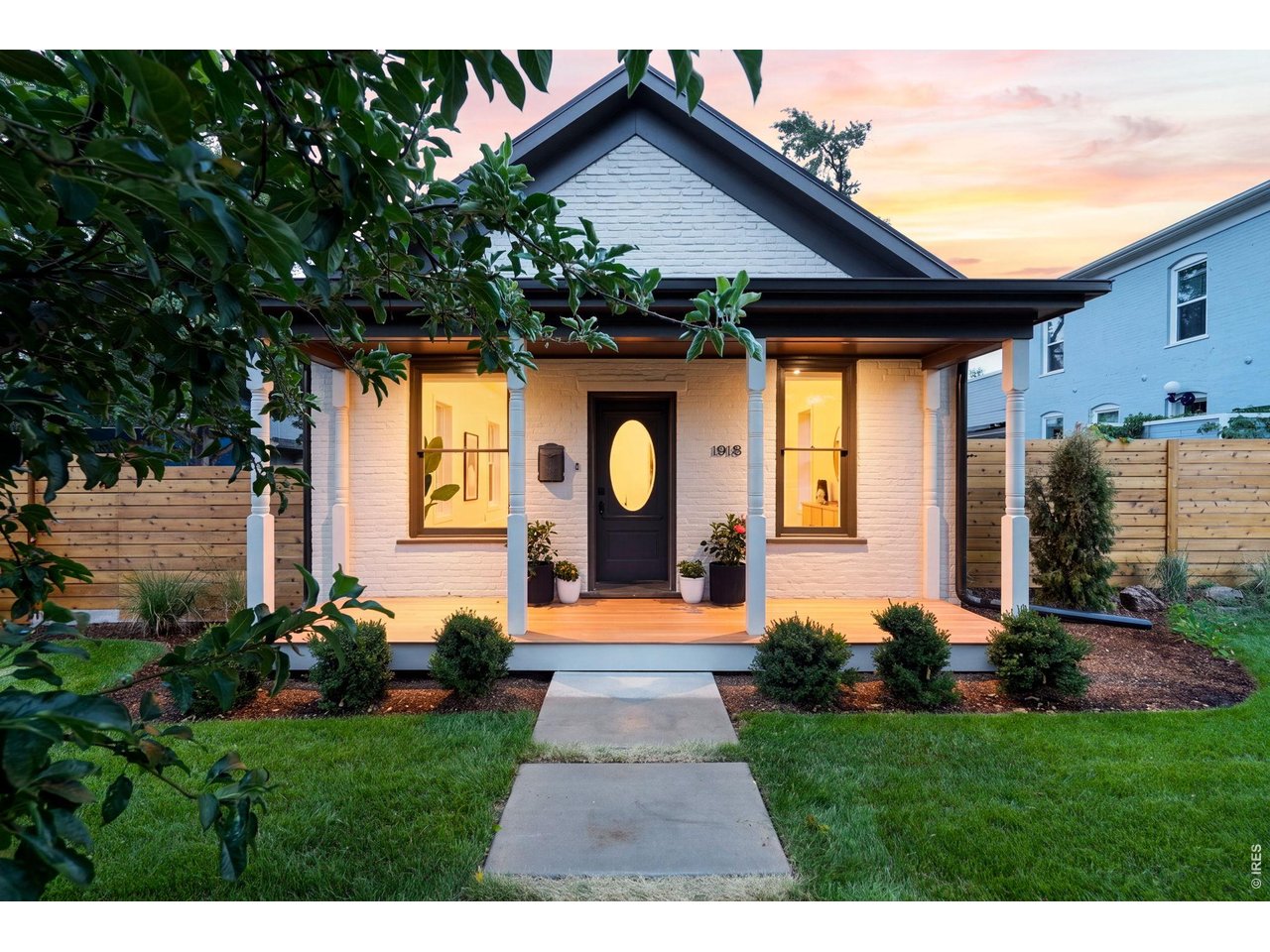
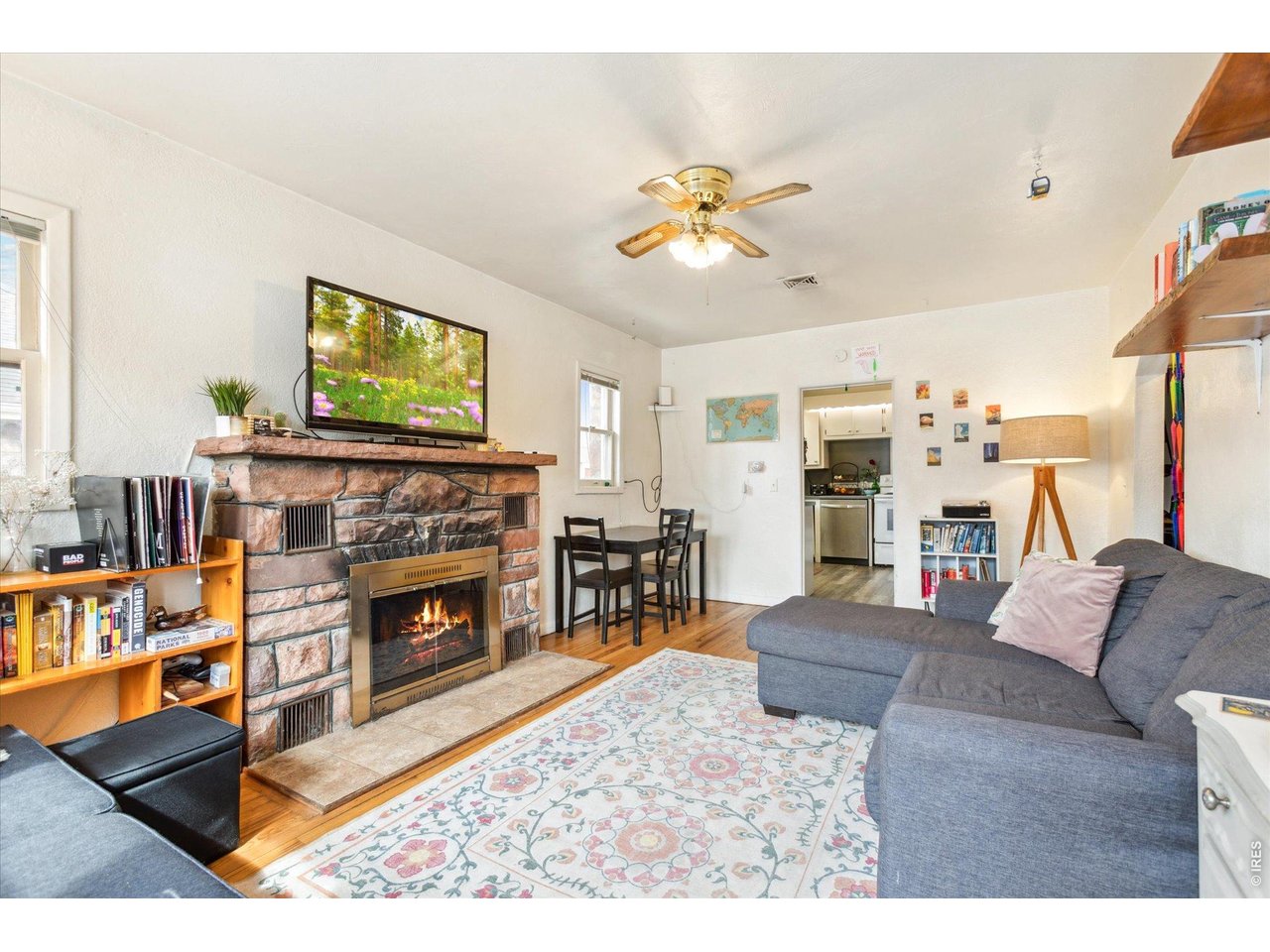
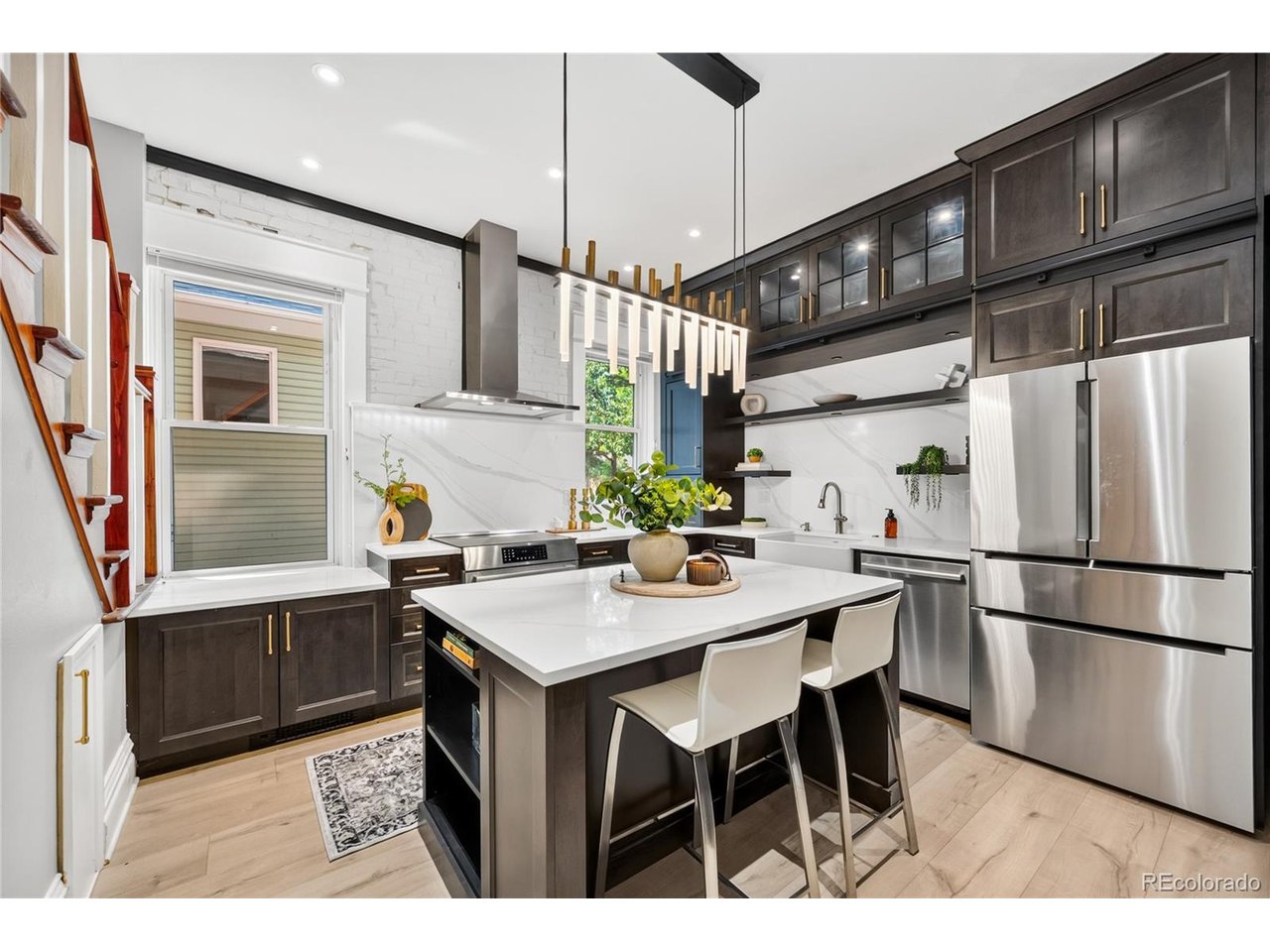
Historic Single-Family Homes (Core Inventory): Victorian cottages are Whittier's signature homes—smaller brick residences (1,000–1,800 sq ft) built between 1890 and 1910. They feature steep pitched roofs, intricate brick detailing, small front porches, and often no garage or alley-loaded parking. Brick bungalows from the 1910s–1920s are sturdy, squarish homes with wide front porches, popular for "pop-top" renovations adding a second story.
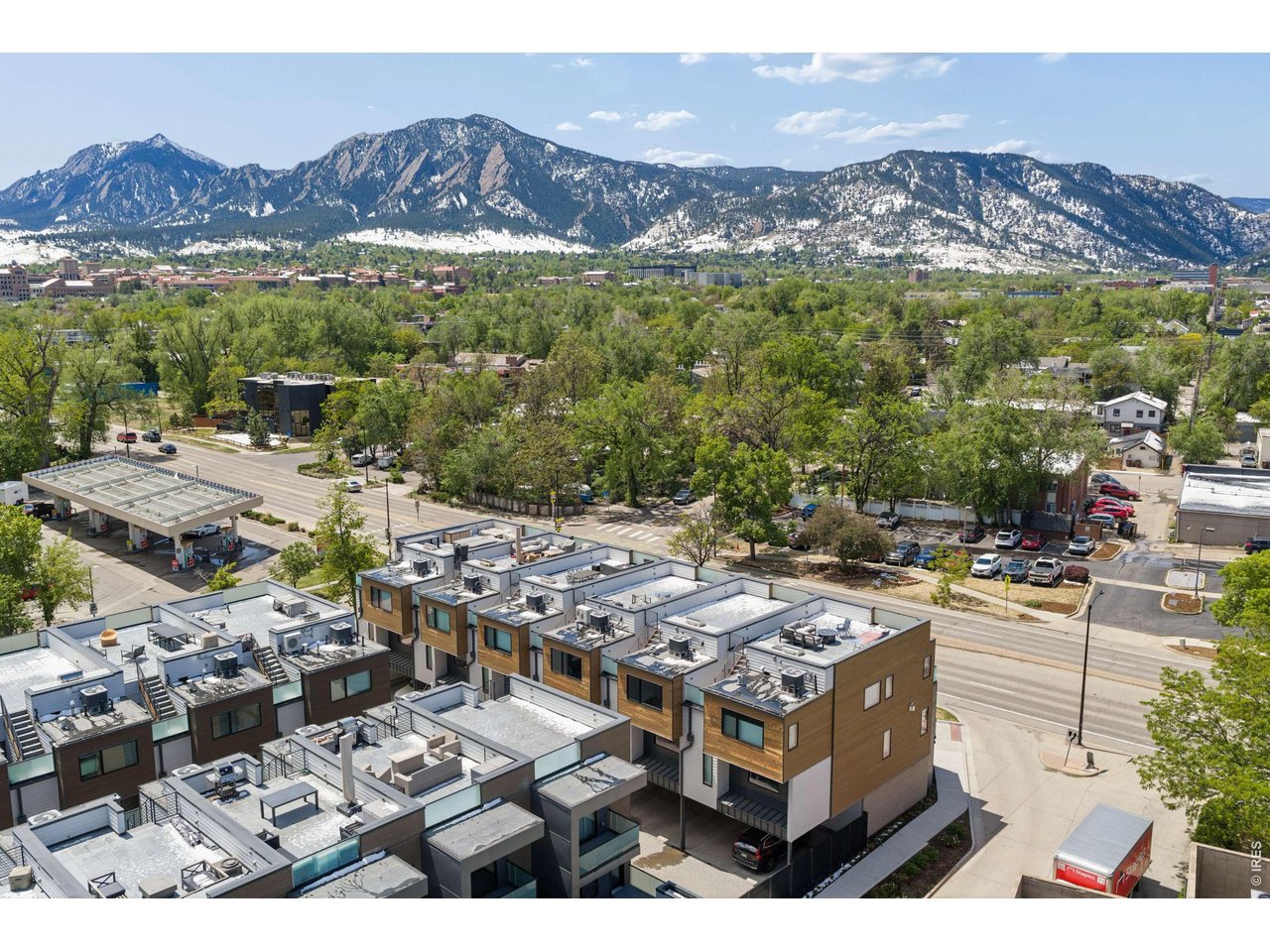
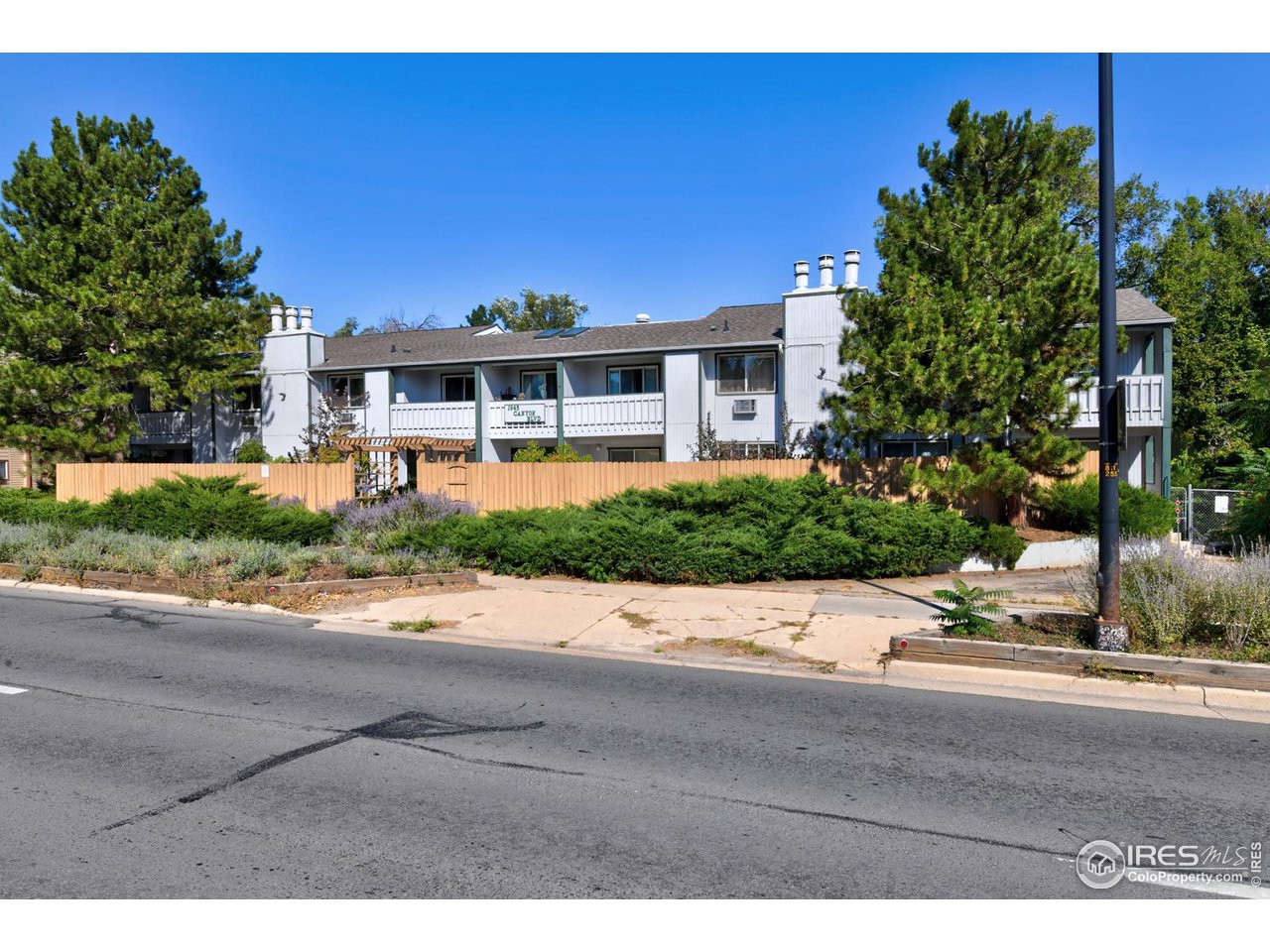
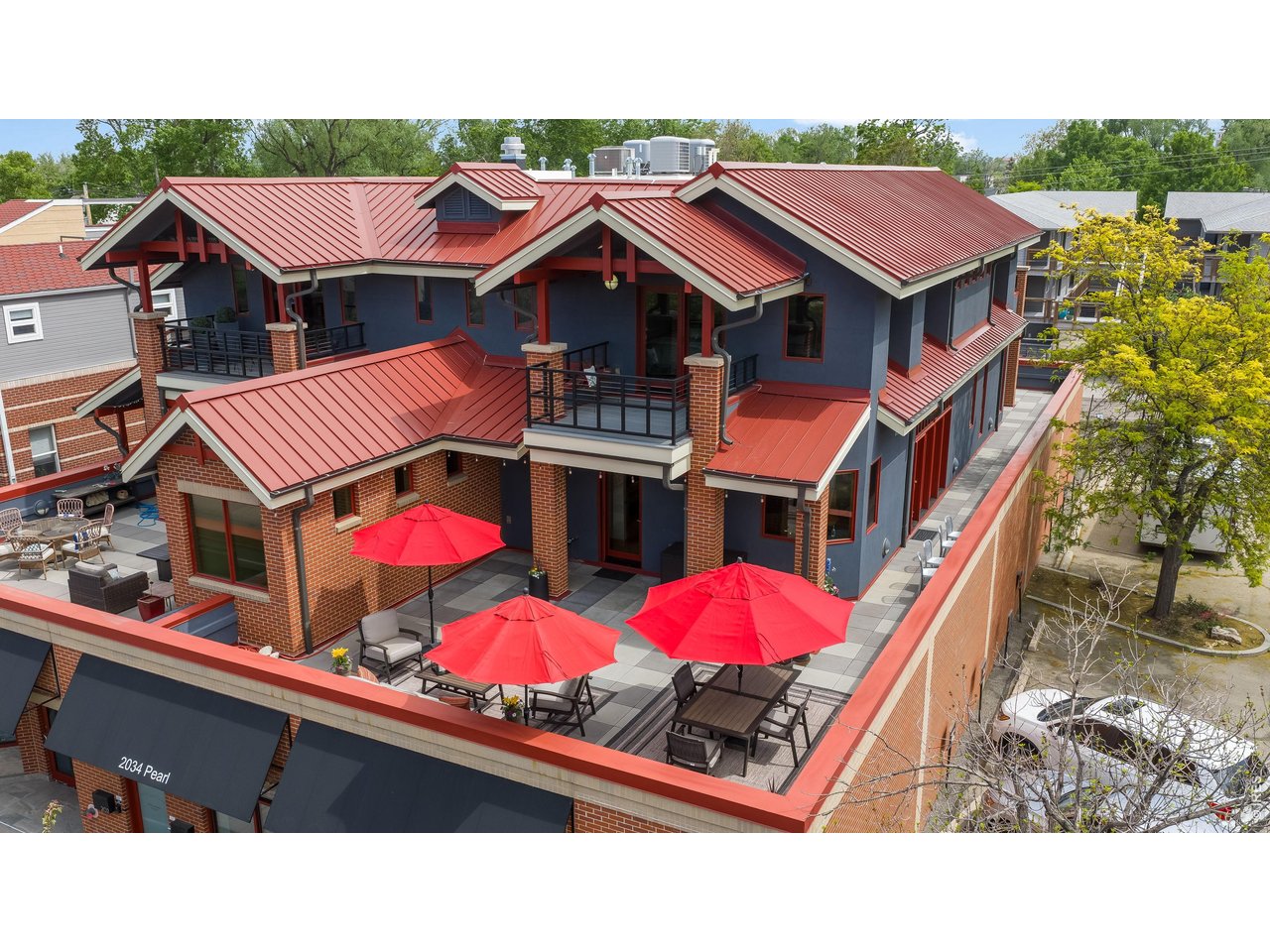
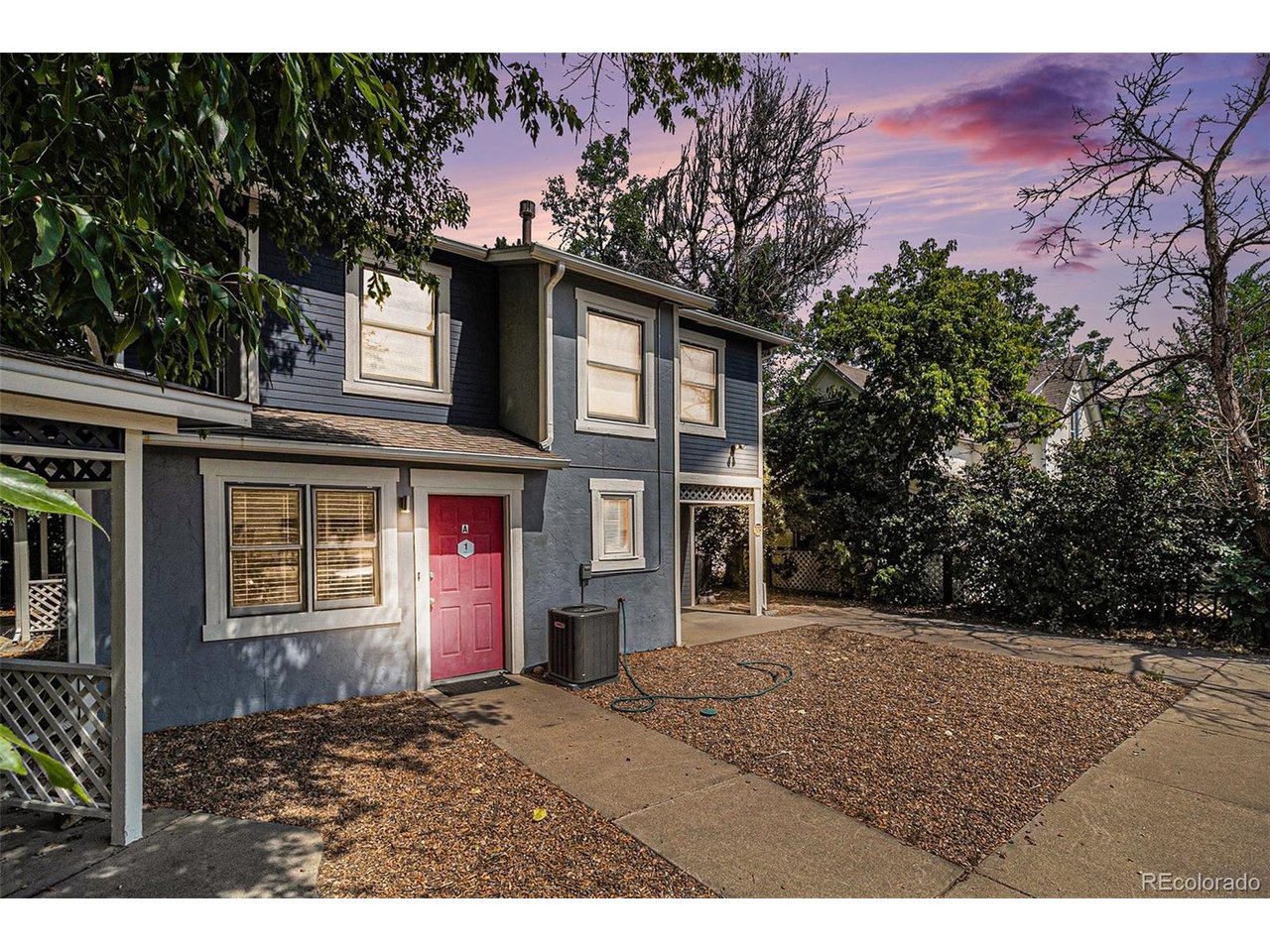
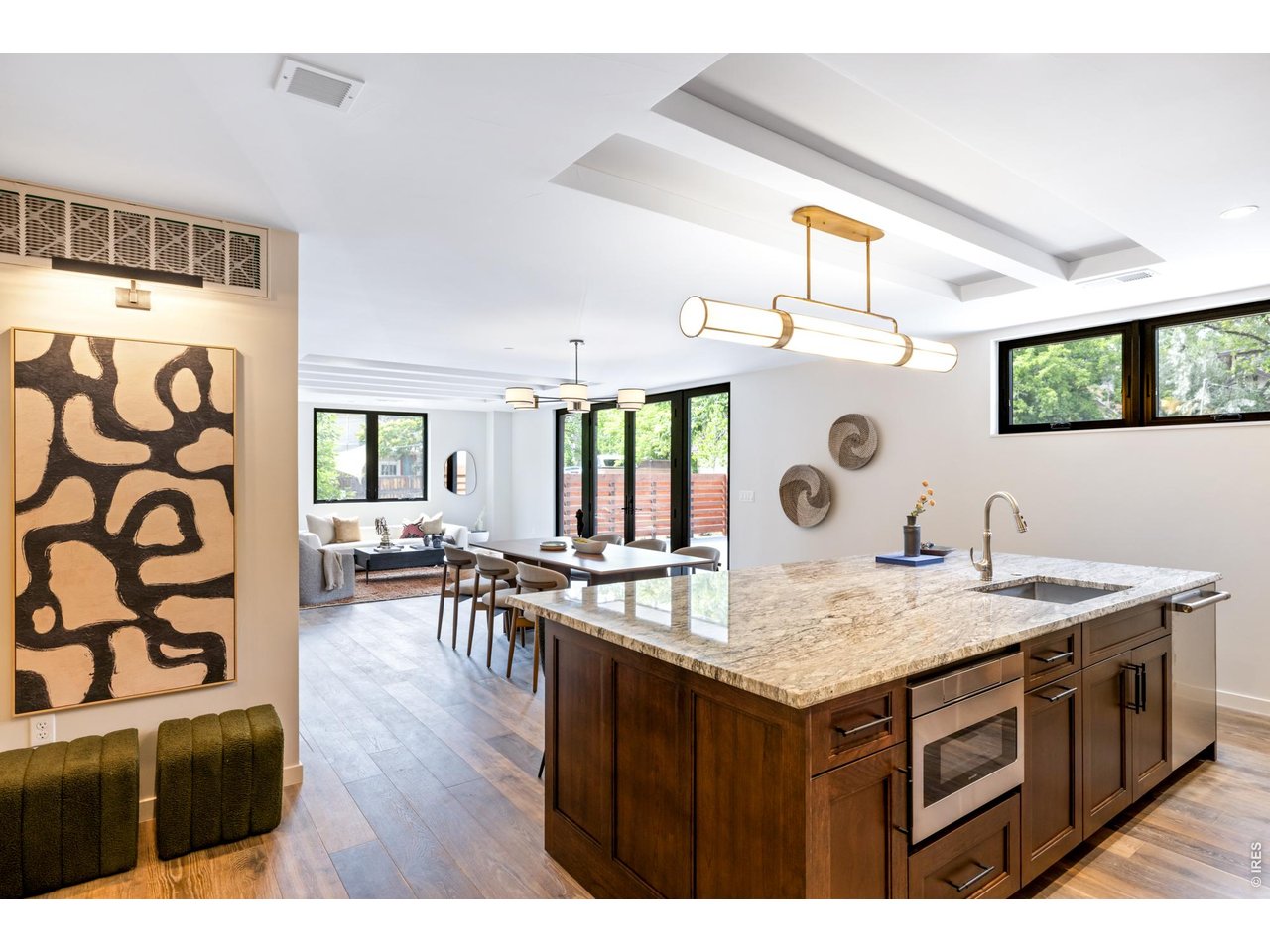
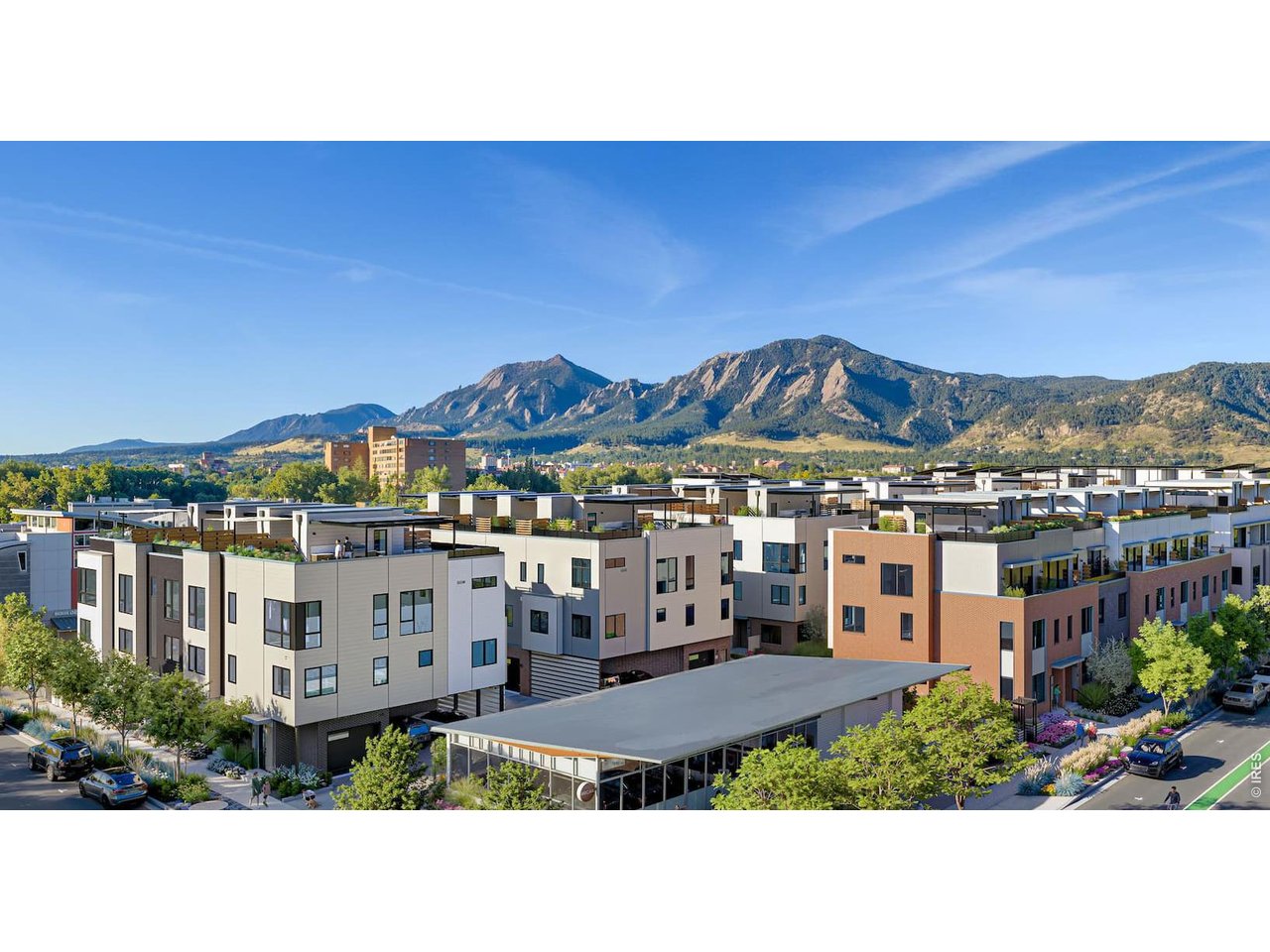
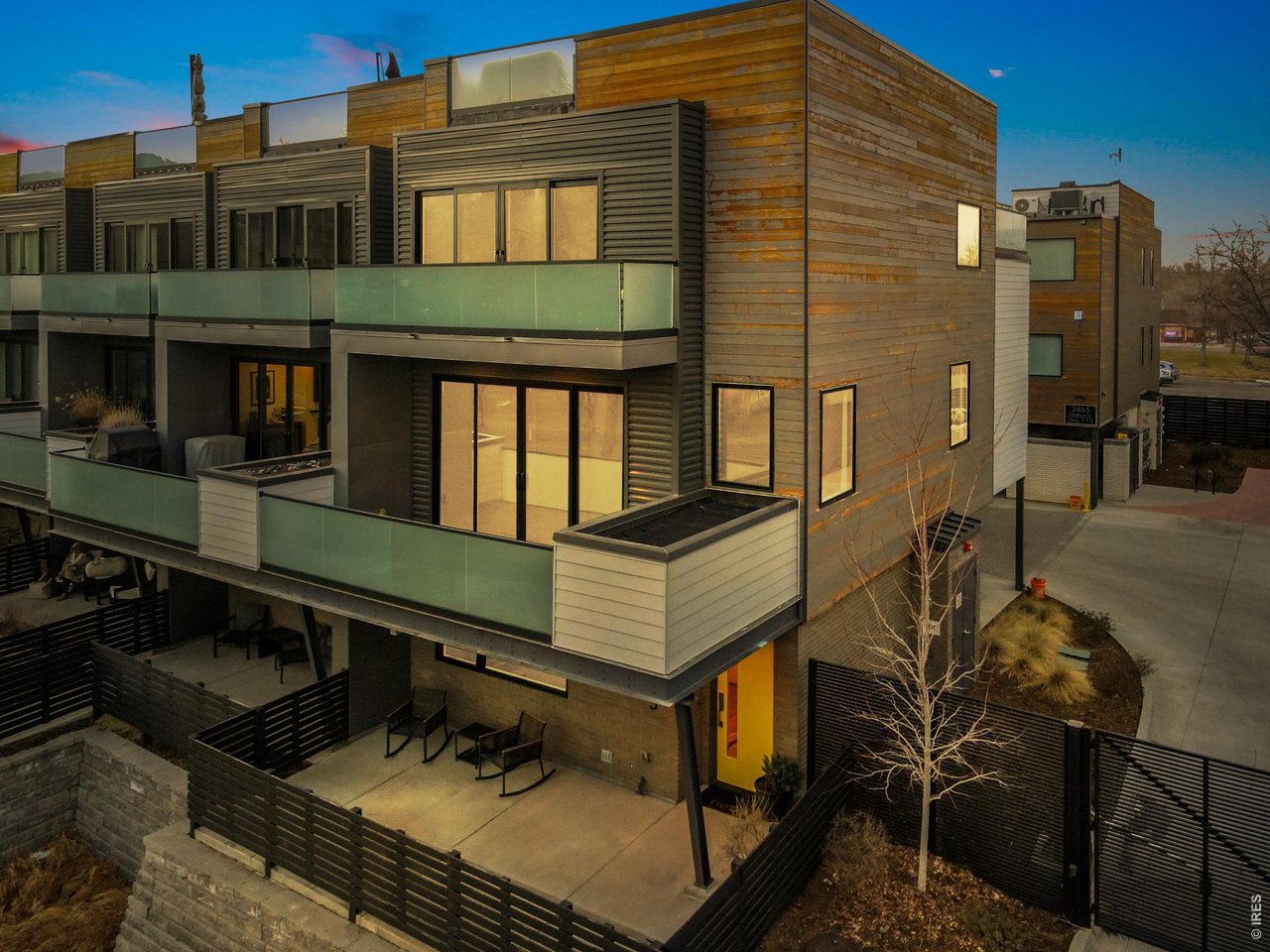
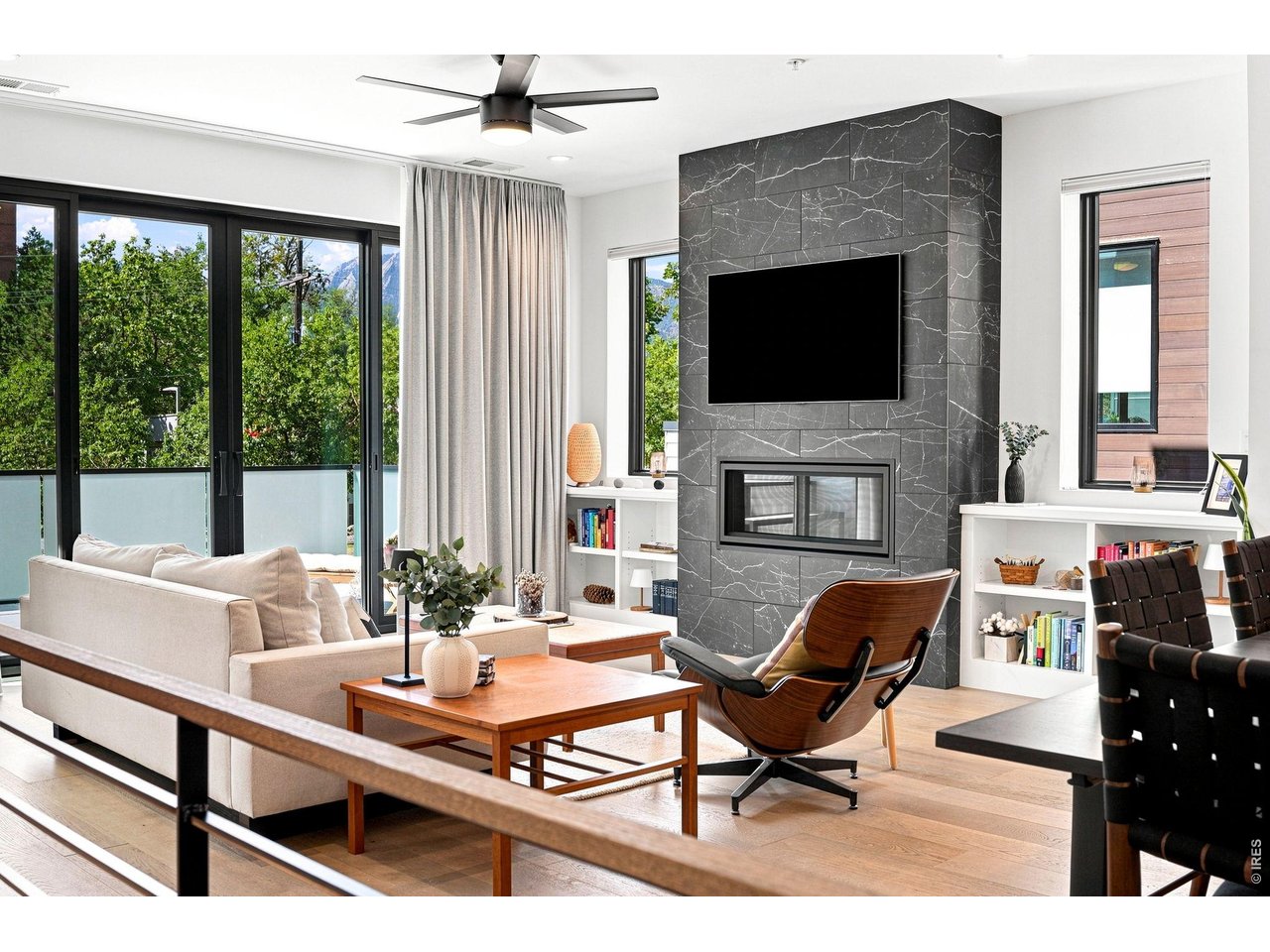
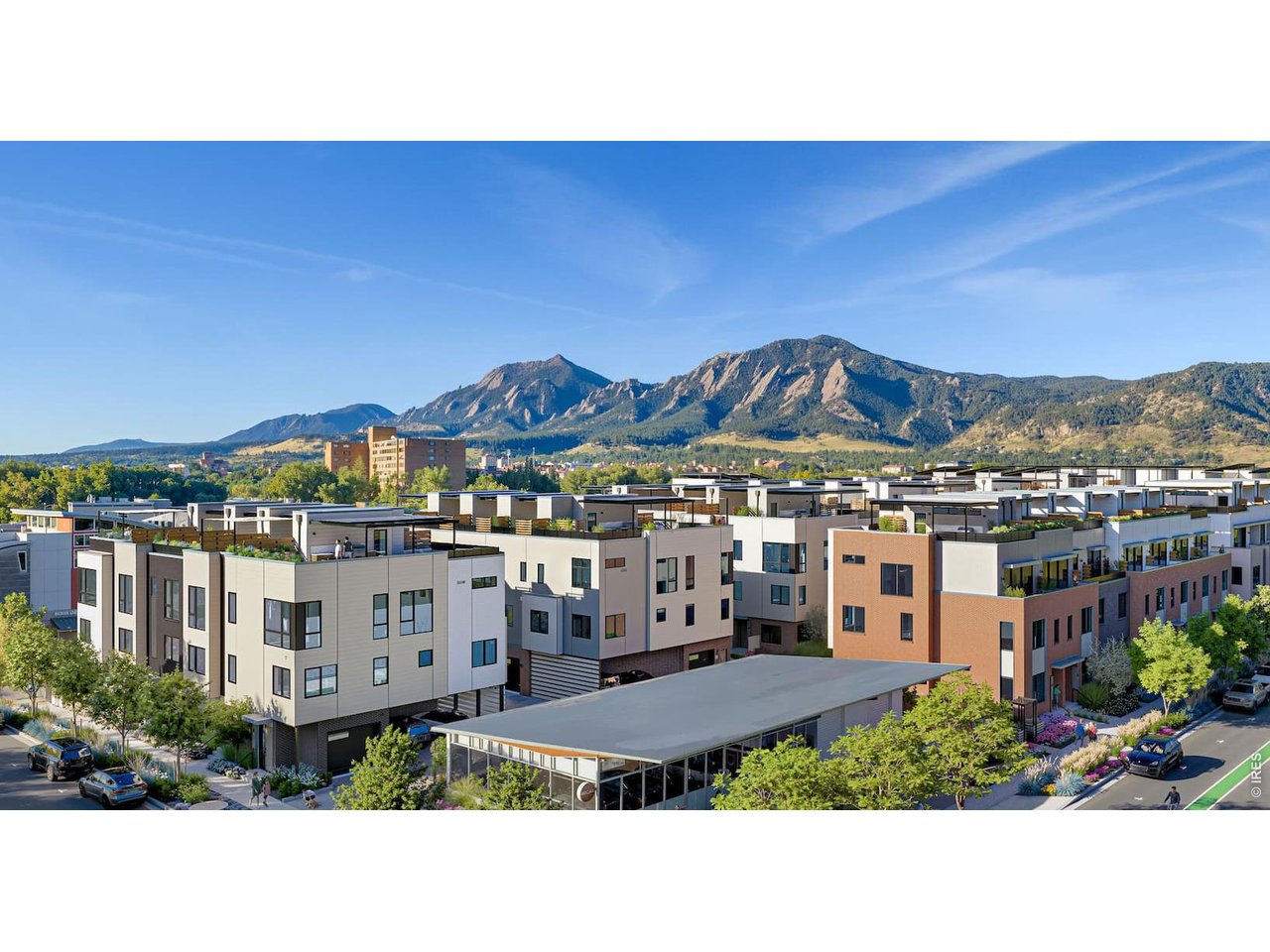
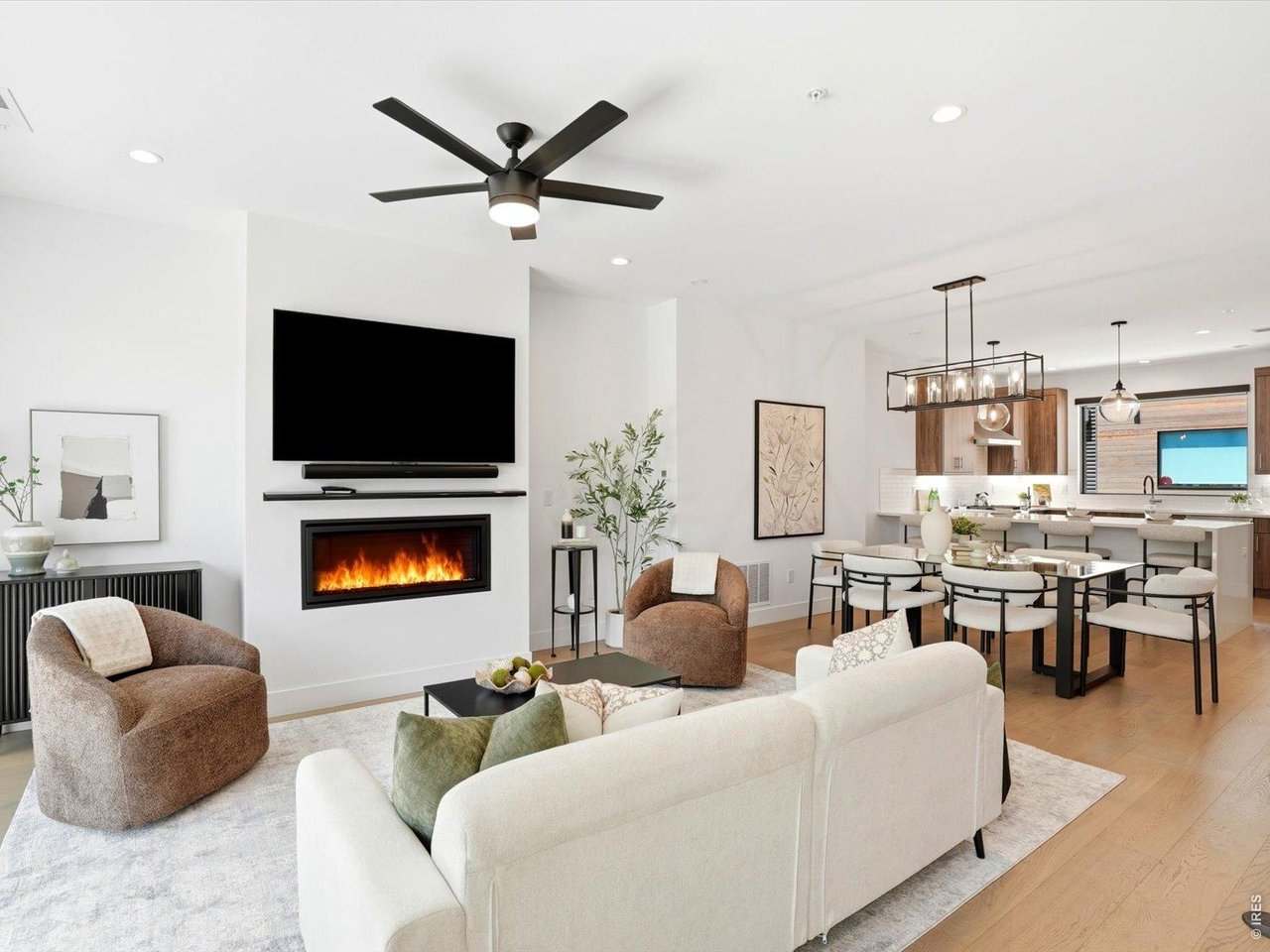
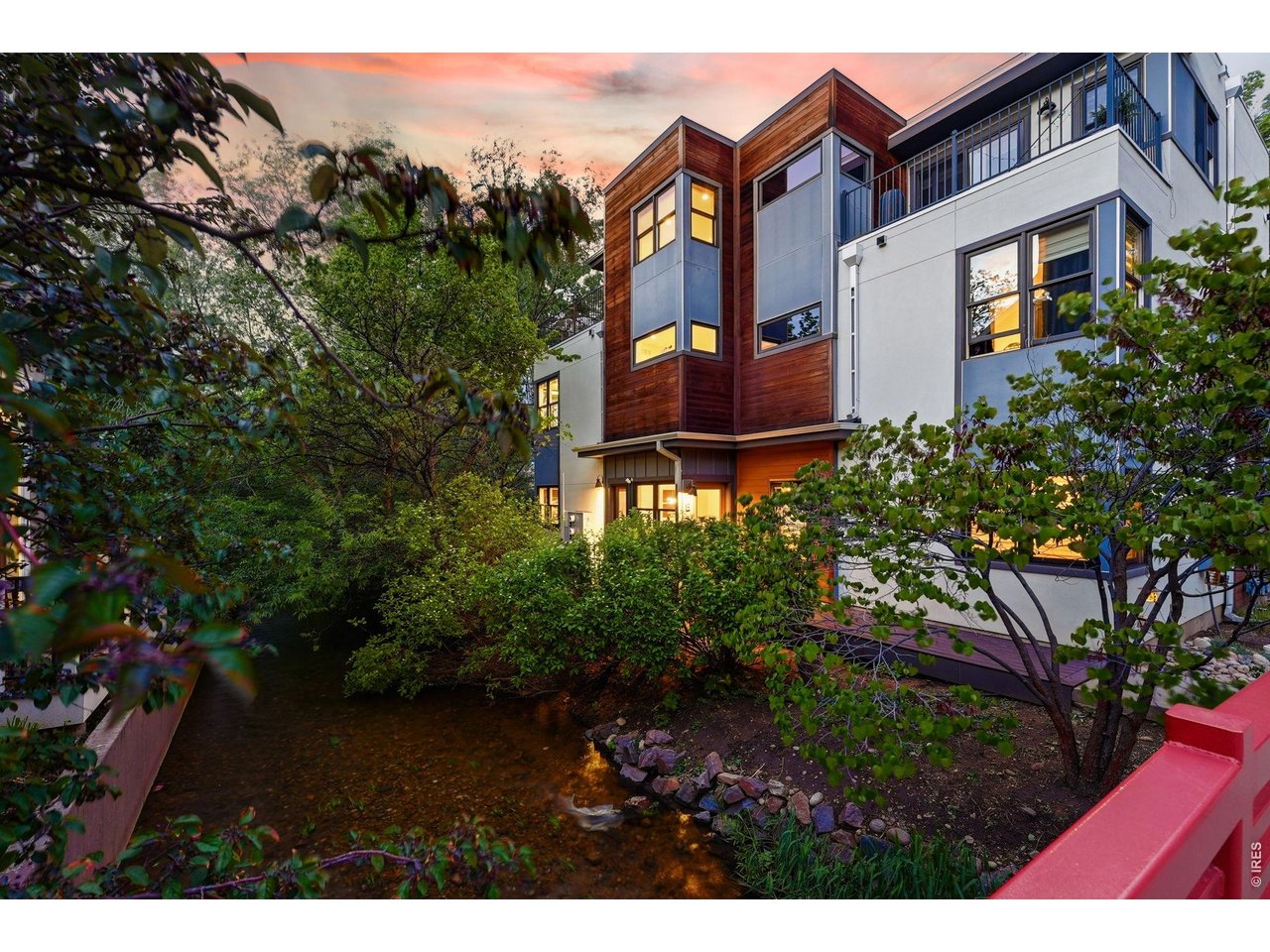
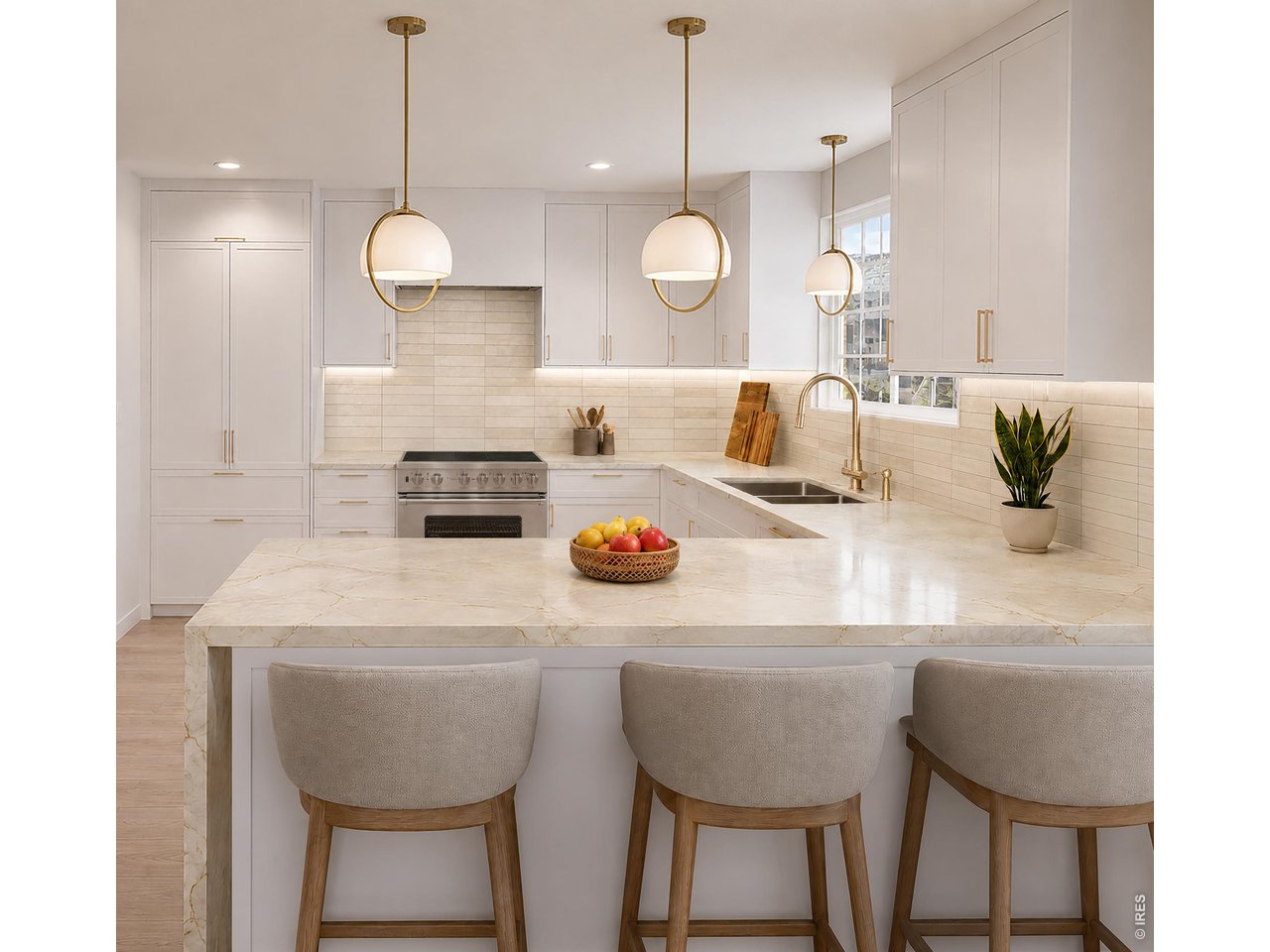
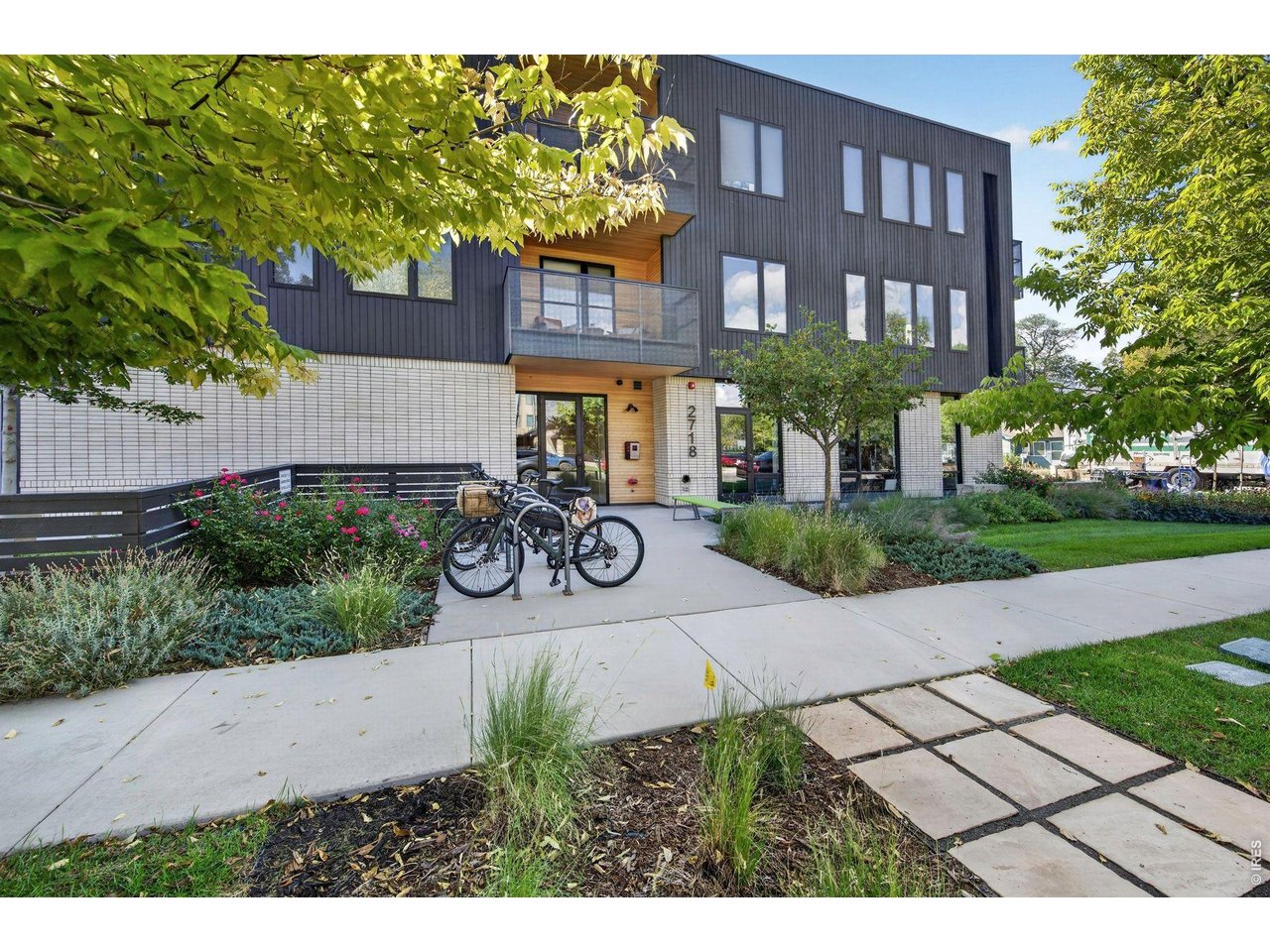
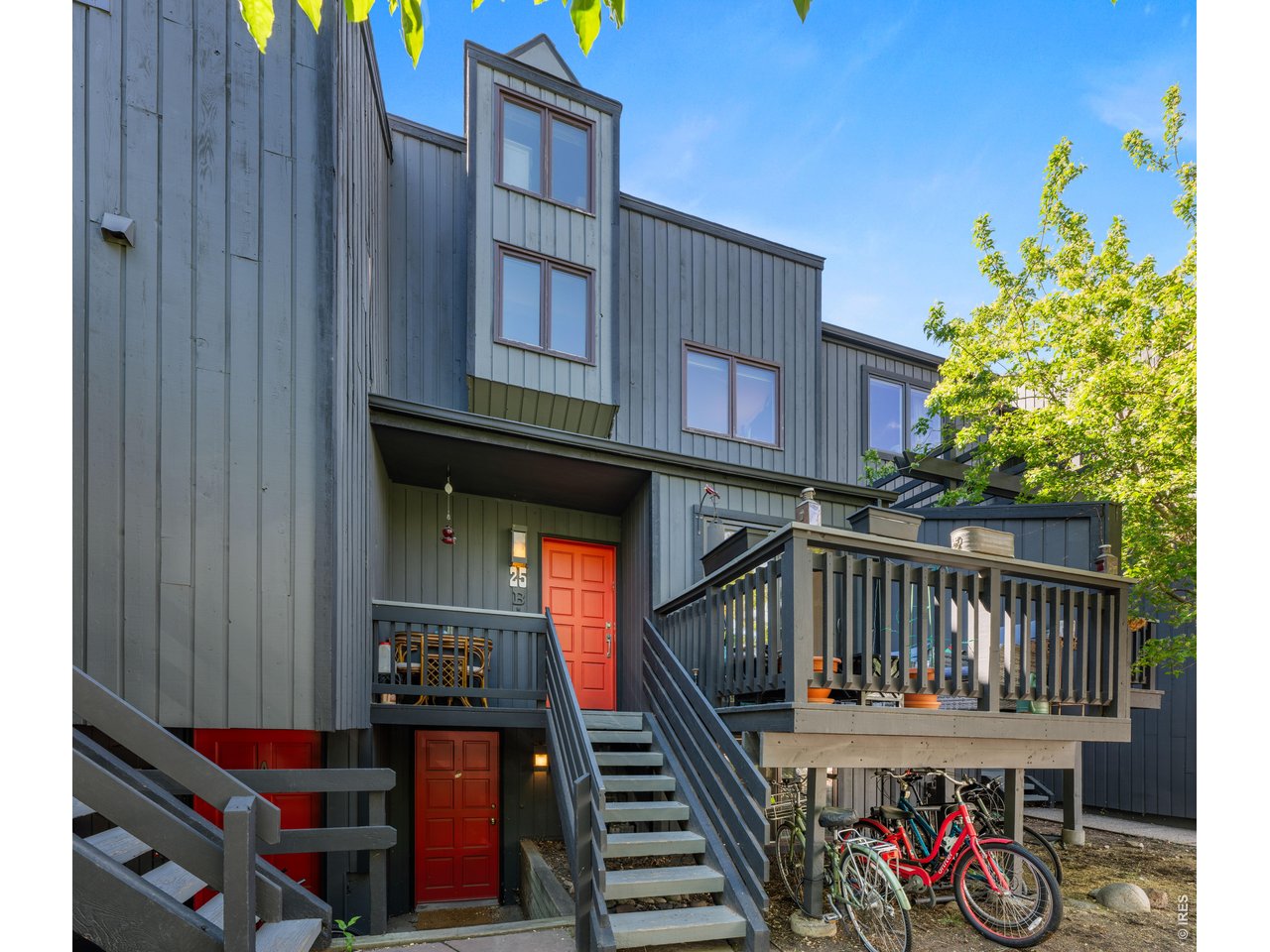
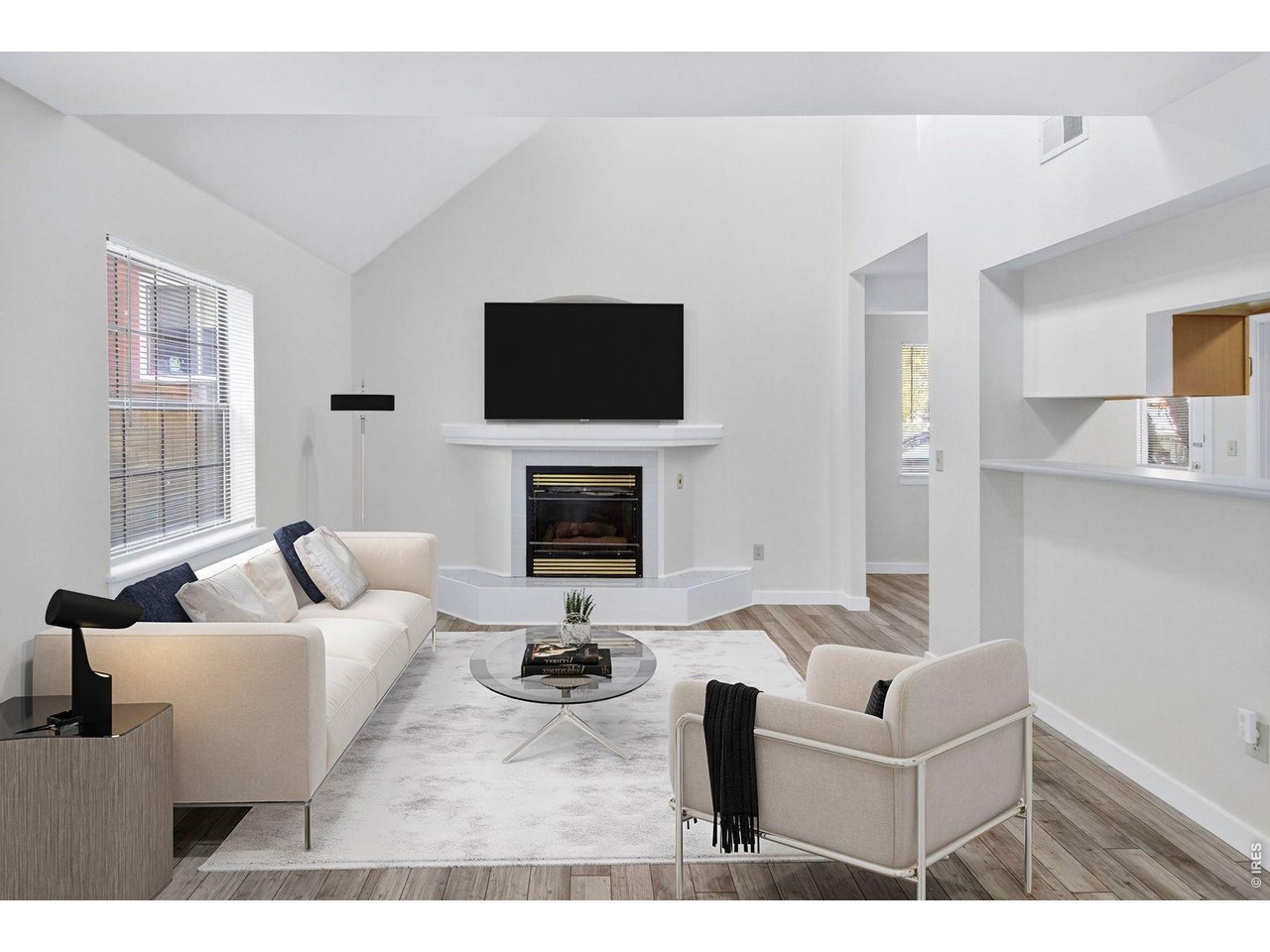
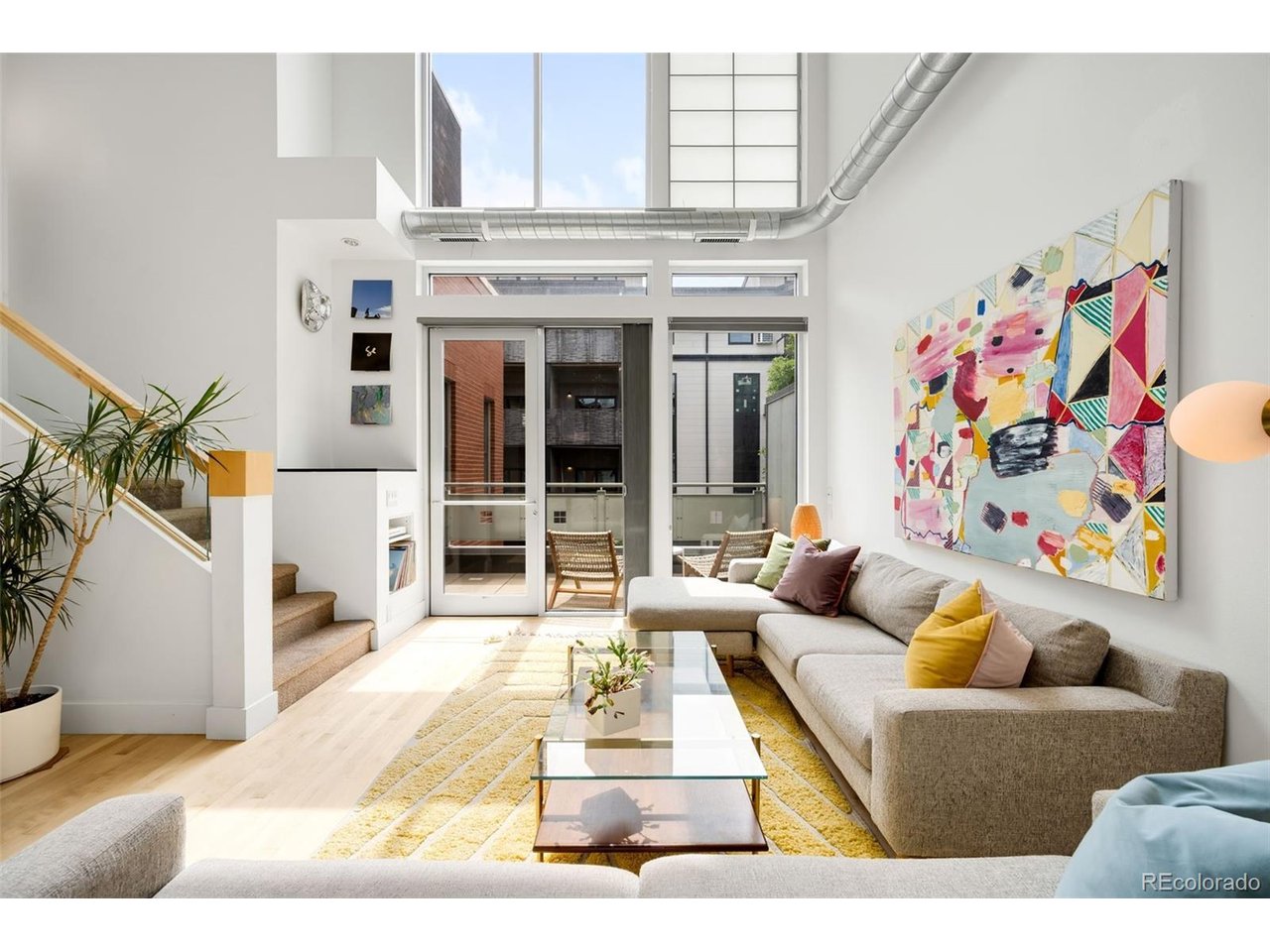
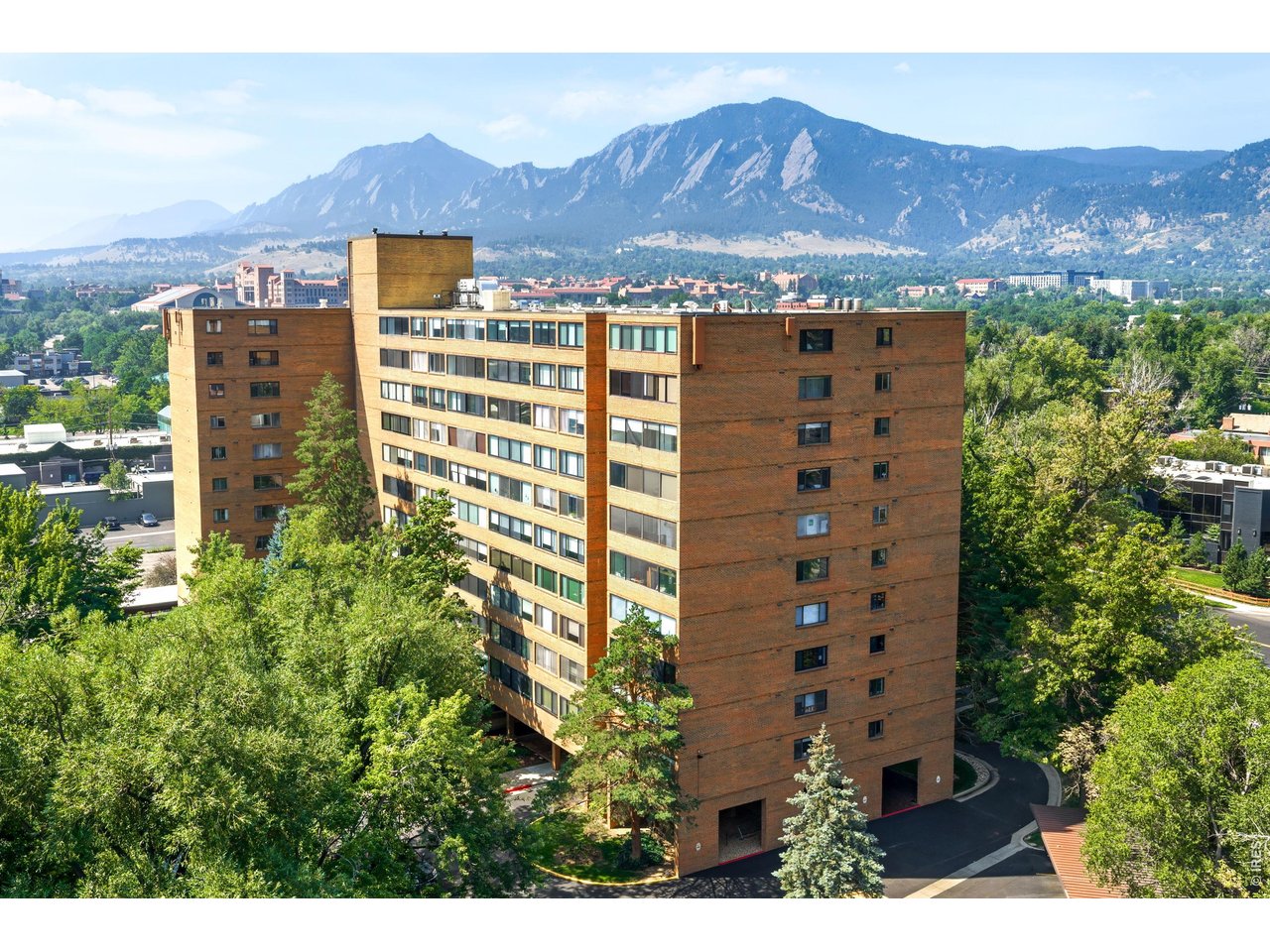
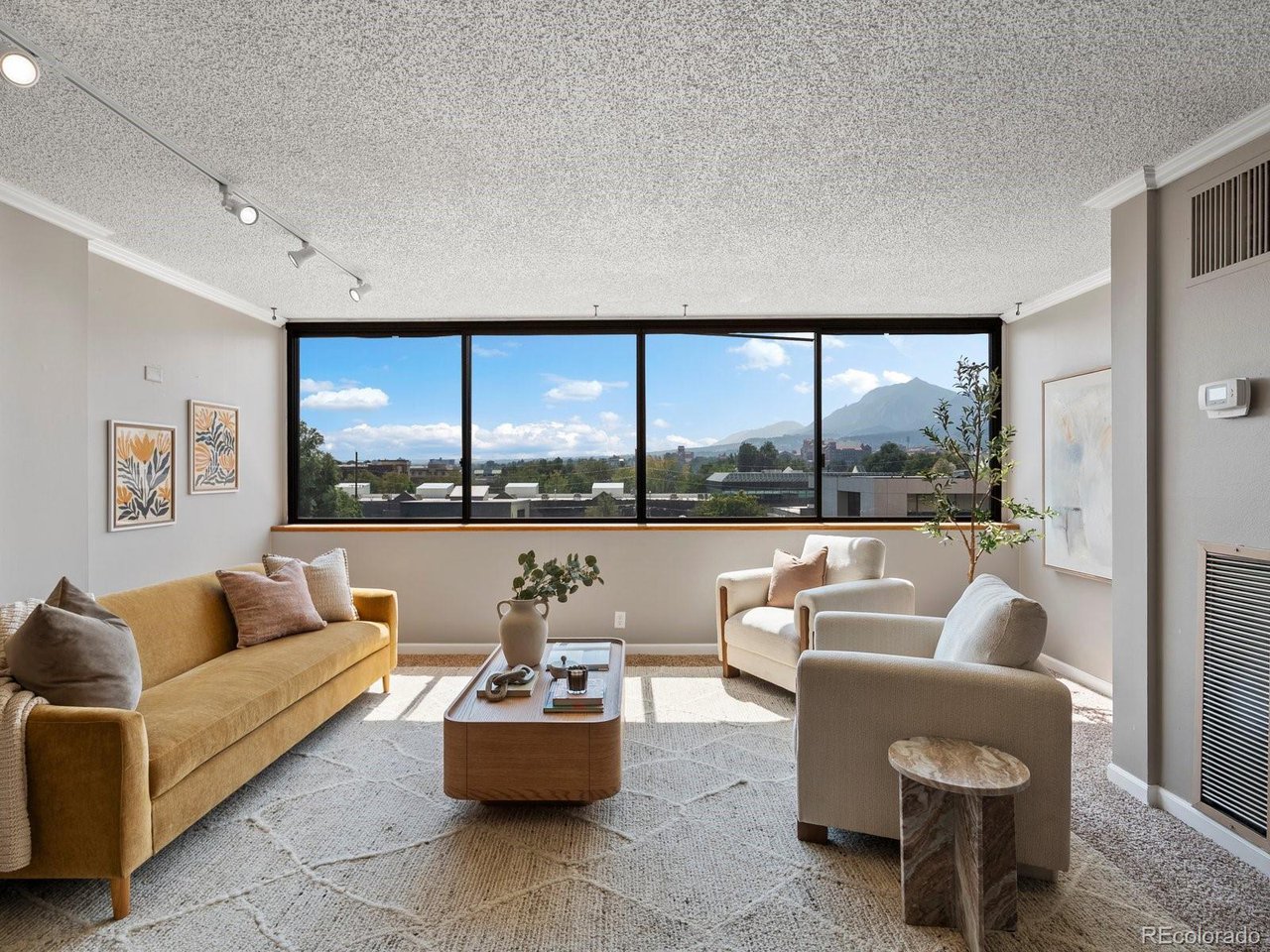
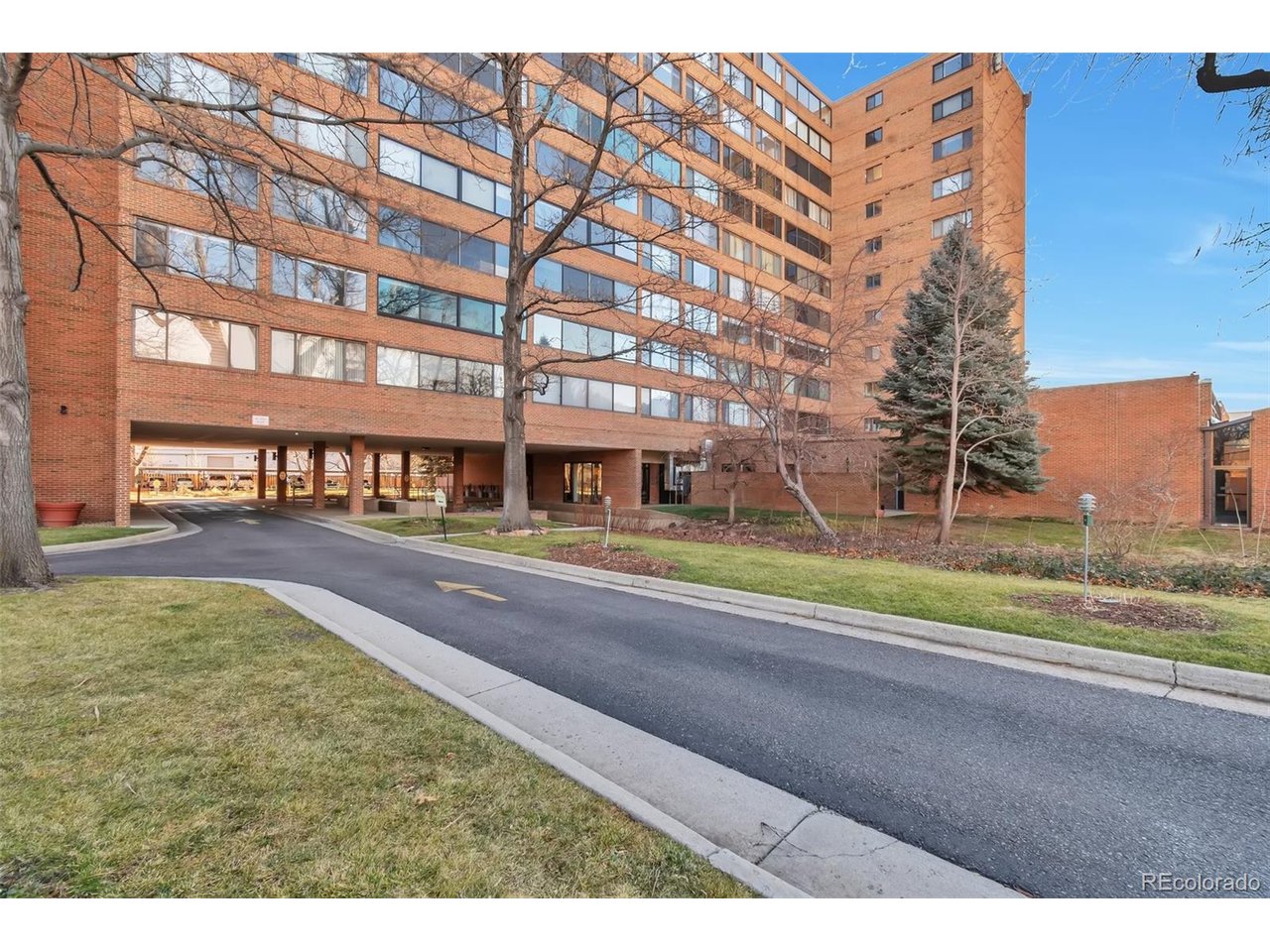
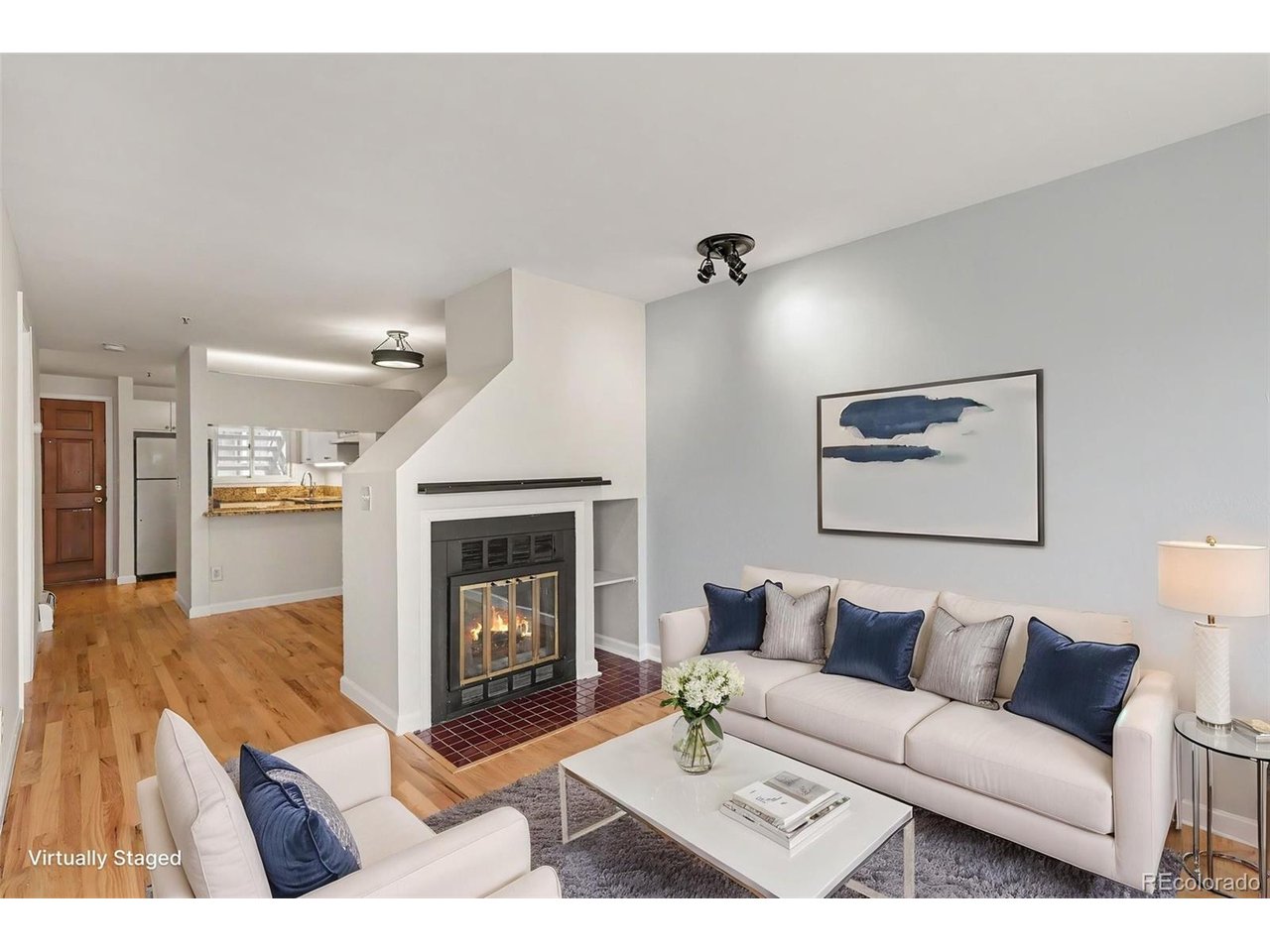
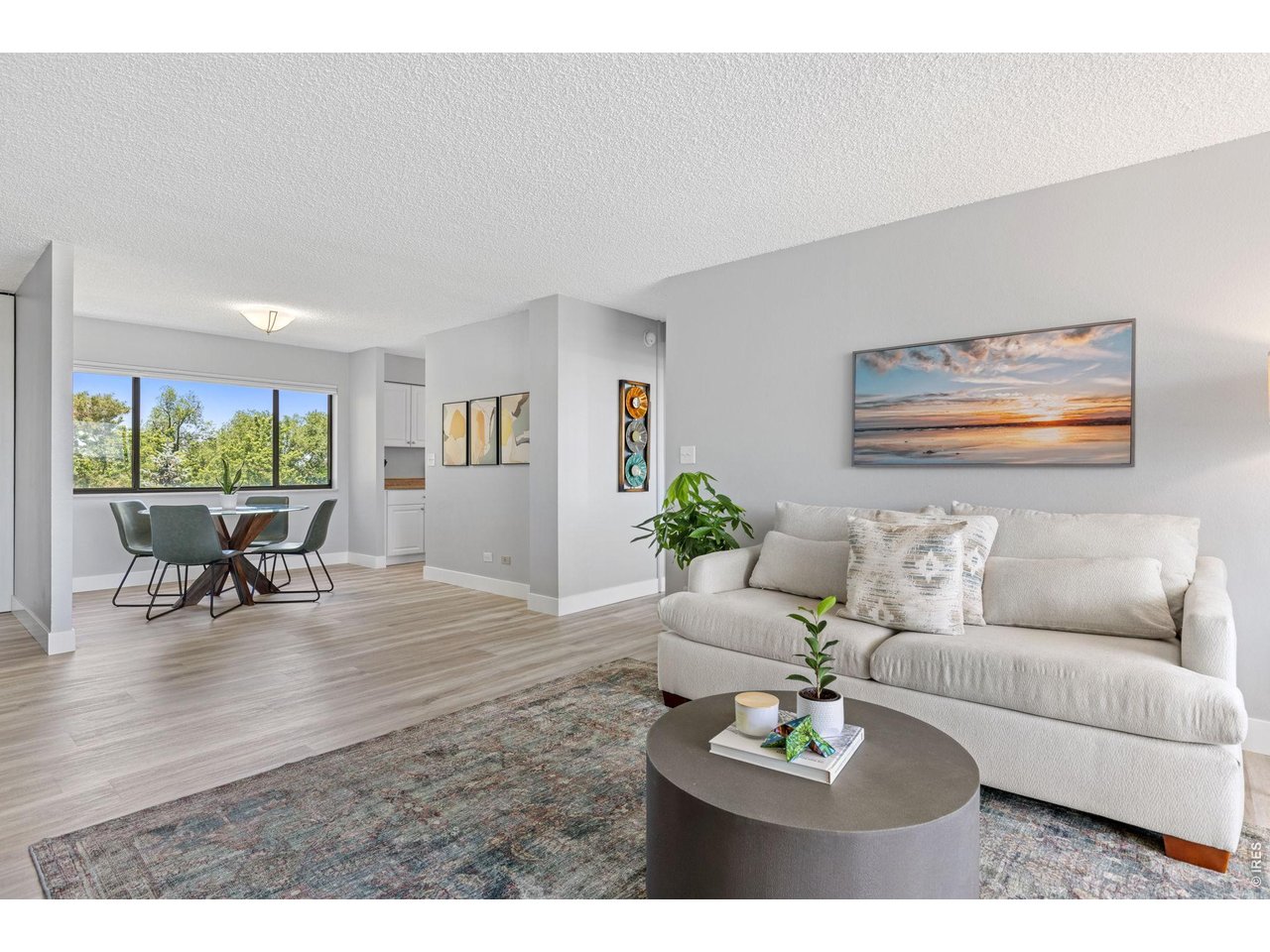
Condos & Townhomes: Several condo complexes and townhome developments are scattered throughout, particularly near Canyon Boulevard and 28th Street. These appeal to young professionals and investors seeking lower price points compared to detached homes. Many large Victorian homes were legally converted to duplexes or triplexes decades ago, frequently listed as investment opportunities or "de-conversion" projects for buyers wanting single-family restoration.
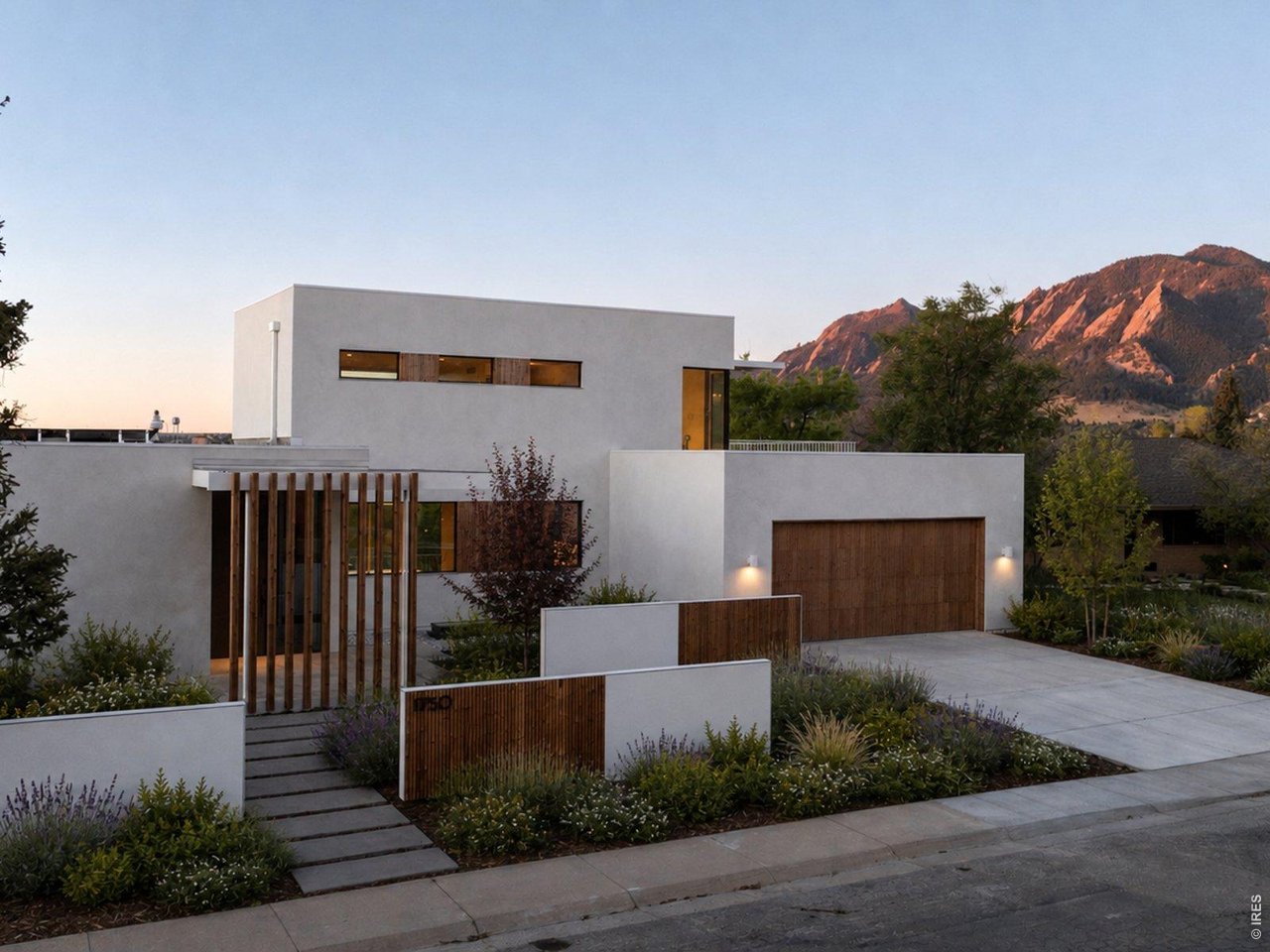
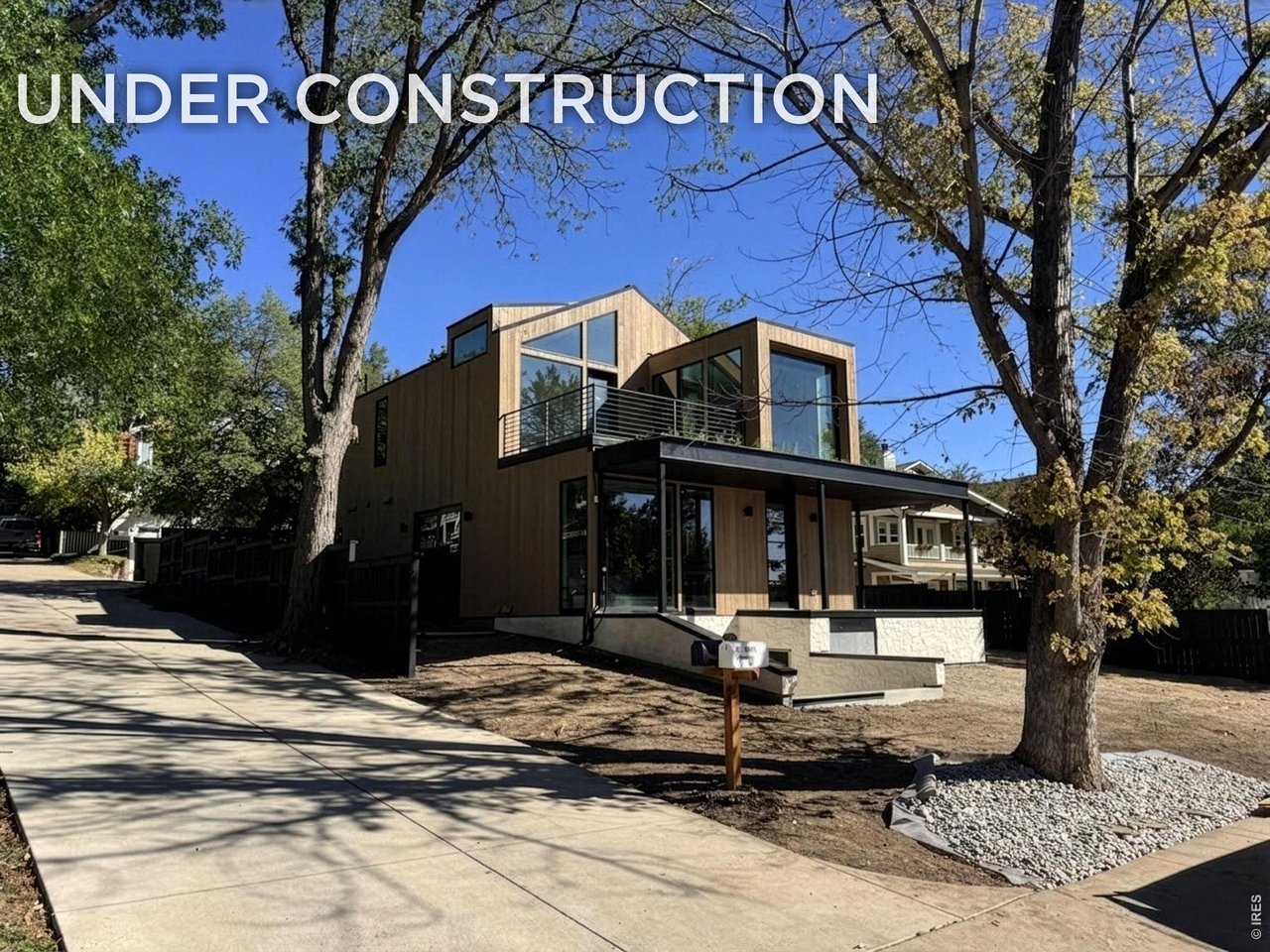
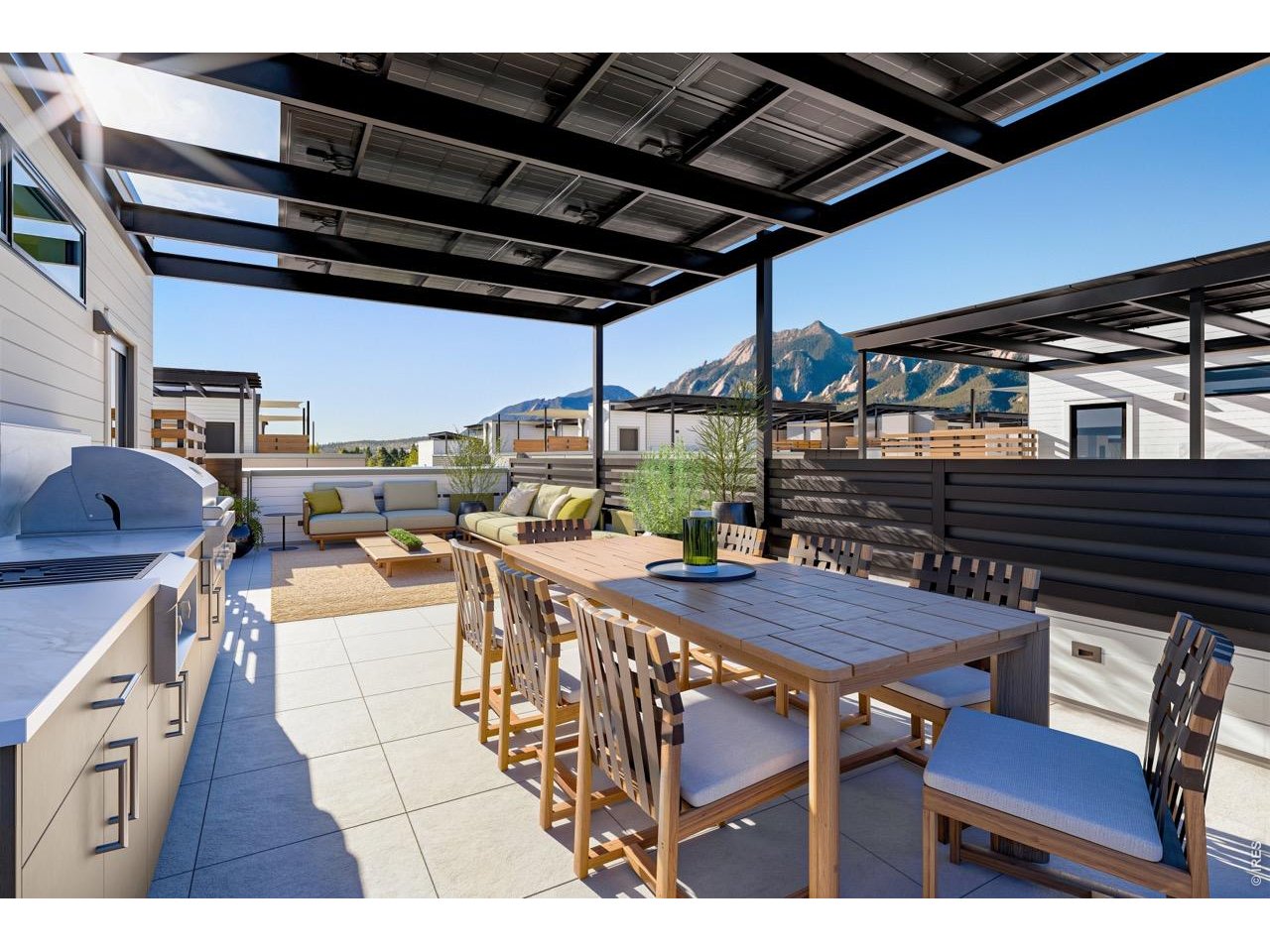
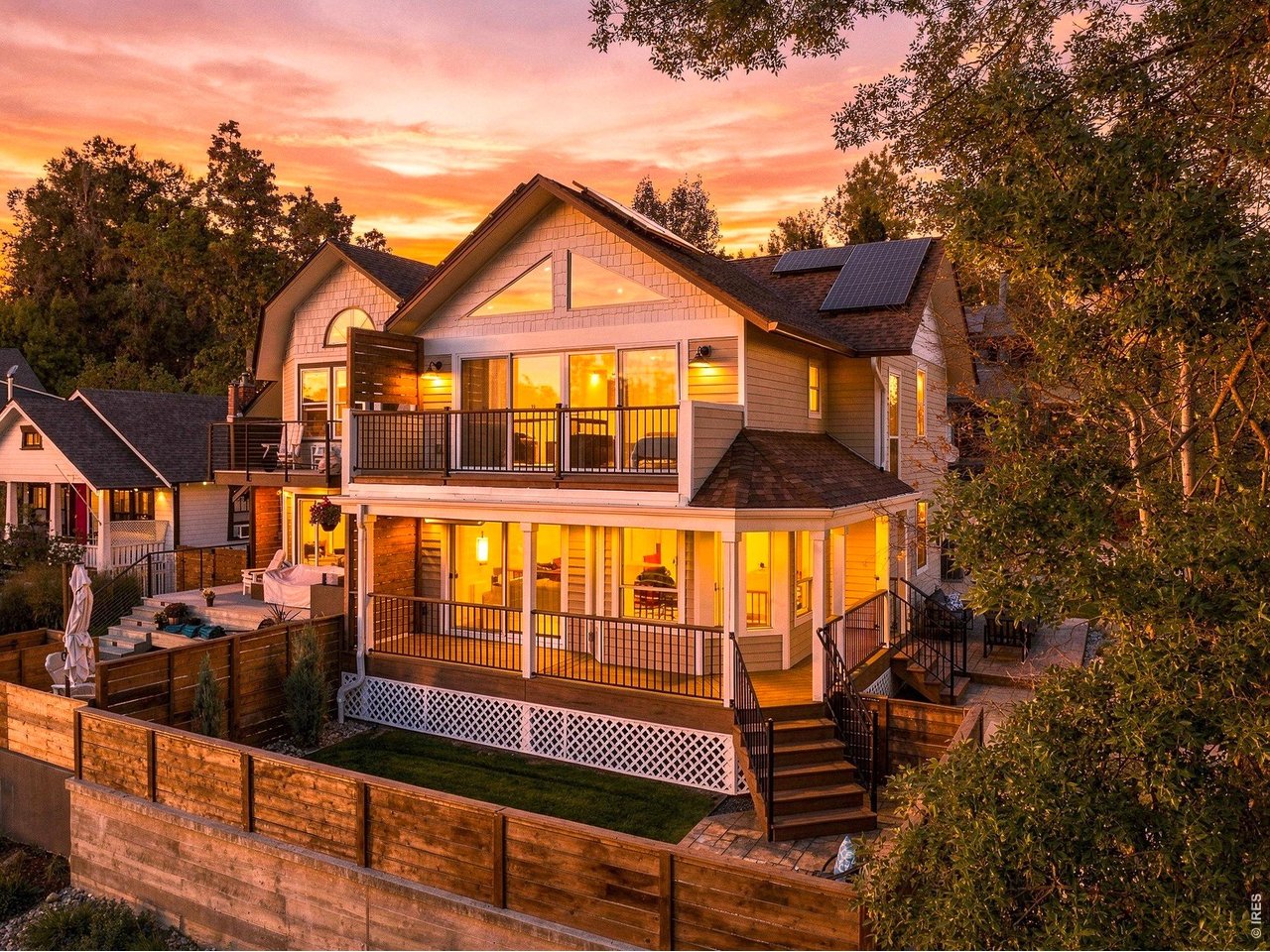
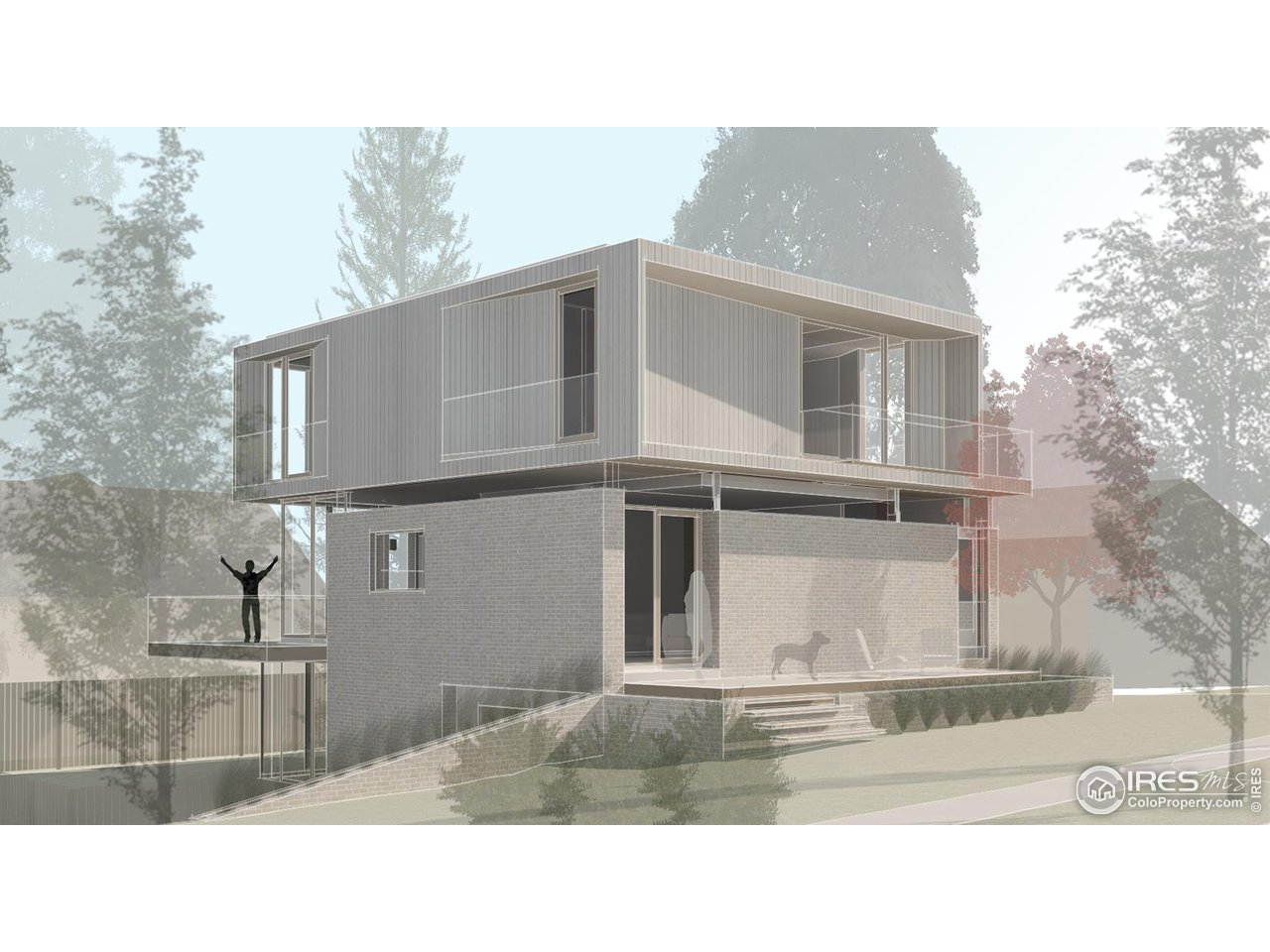
Modern Infill: Boulder's progressive ADU regulations have led to increased "carriage houses" or modern studio spaces above garages in alleyways, either sold as part of main properties or occasionally condo-ized.
Factors to Consider When Buying
- Historic Preservation & Landmarking: Many Whittier homes are individually landmarked or within potential historic districts. Landmarked homes require a Landmark Alteration Certificate for any exterior alterations (windows, paint, roofing, additions). Even non-landmarked homes over 50 years old undergo historic review for demolition or significant facade alterations.
- Flood Zones: Portions of Whittier near drainages sit in the 100-Year Floodplain or High Hazard zones, requiring mandatory flood insurance with mortgages and potentially limiting basement finishing or ground-level additions.
- SmartRegs & Rental Licensing: Properties intended for rental must comply with Boulder's SmartRegs, mandating specific energy efficiency scores (insulation, windows, furnace). Retrofitting 1890s brick Victorians to modern standards can be expensive. Buying SmartRegs-compliant homes adds significant value.
- Parking (NPP Zones): Whittier participates in the Neighborhood Parking Program. Street parking is limited to 2–3 hours for non-residents during weekdays (8 AM–8 PM), with extended restrictions near Pearl Street on Friday/Saturday nights. Residents receive two permits per household plus visitor passes, but multi-car households face daily parking management.
- Radon & Basements: Radon levels can be high throughout Boulder; testing and mitigation systems are common. Many historic basements are "Michigan basements" (stone foundations, dirt floors, 6-foot ceilings) usable only for storage unless costly "dig-outs" are performed.
- Zoning & ADU Potential: Verify ADU eligibility if properties have alley access and garages. Homes with ADU potential or approved plans command premium pricing. Be aware of occupancy limits; while state law prevents discrimination based on familial status, safety codes (square footage per person) still apply.
Factors to Consider When Selling
- Location Premium vs. Trade-offs: Homes closer to Pearl Street (15th–20th streets) command premiums for walkability but may face objections regarding noise and late-night foot traffic. Marketing should emphasize lifestyle appeal to attract buyers valuing energy over silence.
- SmartRegs Marketing: Current Rental License and SmartRegs compliance significantly expand buyer pools beyond owner-occupants to include investors and parents buying for CU students. Market this status aggressively as a turn-key investment advantage.
- Seasonality: Spring (February–May) is prime selling season. Whittier's gardens and tree canopy are major selling points; winter listings when trees are bare can make density feel tighter and brick feel colder. A secondary mini-season occurs in August as parents rush to secure student housing before fall semester.
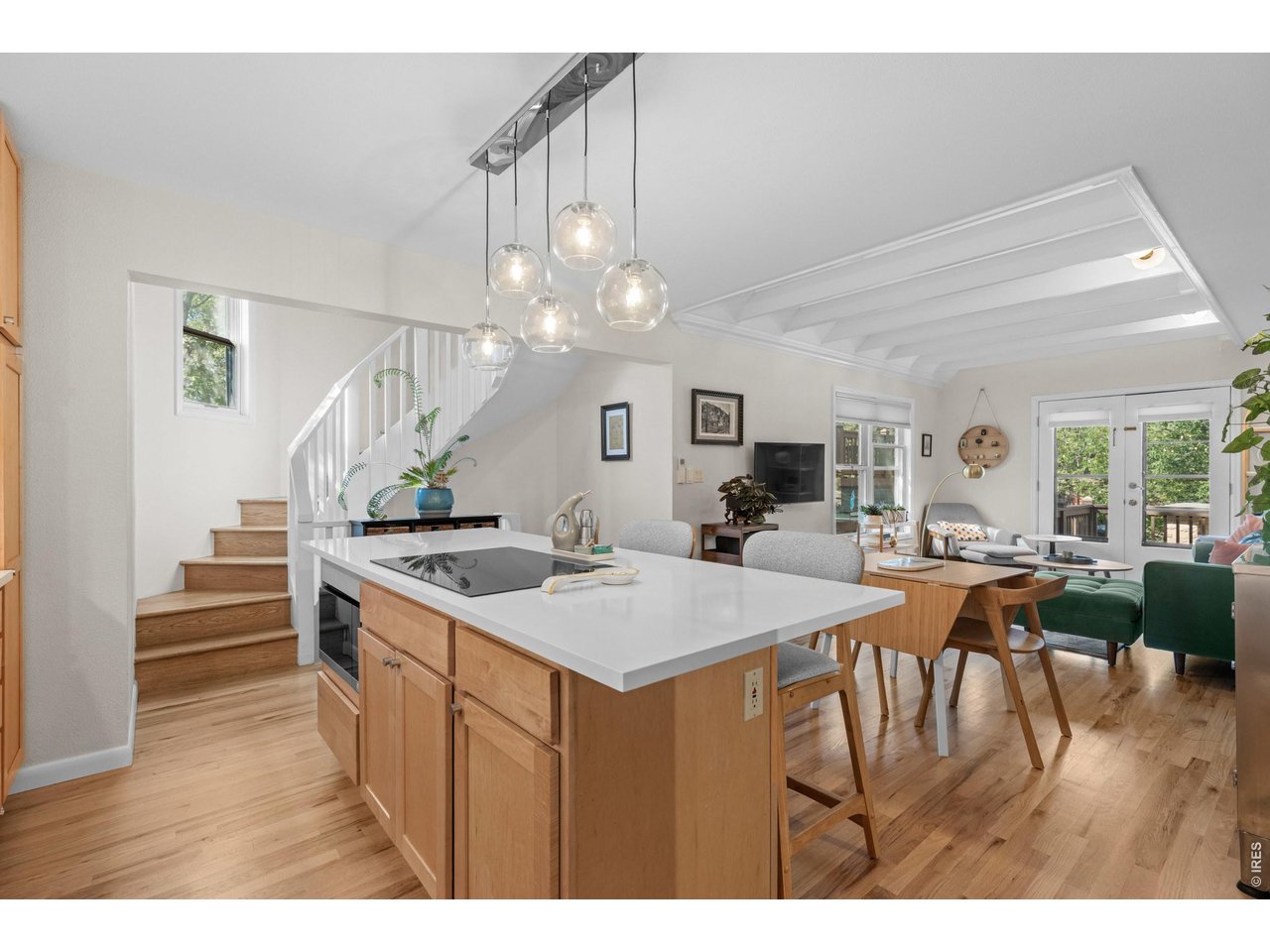
- Staging Strategy: Whittier buyers seek "historic charm meets modern eco-conscious living." Successful staging highlights original features (exposed brick, wood floors) while using modern furniture to demonstrate small spaces remain functional.
- Pricing Strategy: The bifurcated market demands careful pricing. Renovated Victorians can command at or above list price with multiple offers, while dated properties require aggressive pricing to avoid extended market time. List-to-sale ratios average 96%–98%, with premium properties occasionally exceeding list price.
Dining and Entertainment
Whittier anchors on the East End of Pearl Street (15th–21st), known for sophisticated, culinary-focused, local dining versus the tourist-heavy Pearl Street Mall westward.
Neighborhood Restaurants:
- River and Woods (2328 Pearl St): Quintessential Whittier dining in a historic relocated miner's cabin, serving upscale Colorado comfort food with a popular backyard patio
- Mateo (1837 Pearl St): Long-standing French-Provençal bistro with bright atmosphere, favored for business lunches and date nights
- Frasca Food and Wine & Pizzeria Locale (1738 Pearl St): Just west of neighborhood boundary; Frasca is James Beard Award-winning fine dining, while Locale offers casual, high-energy pizza
Cafes:
- Boxcar Coffee Roasters (1825 Pearl St): Morning neighborhood hub
- Spruce Confections (Pearl & 17th): Excellent pastries and coffee with sunny patio
- Laughing Goat (29th & Pearl): Quieter alternative on eastern edge for students and remote workers
Entertainment:
- The Dairy Arts Center (26th & Walnut): Cultural heartbeat in renovated dairy plant featuring the Boedecker art-house cinema, live performance theaters, and rotating galleries
- The Rayback Collective (2775 Valmont Rd): Massive indoor/outdoor food truck park with bar, hosting trivia, live music, and community events
Shopping
Grocery:
- Whole Foods (29th St): 10-minute walk from most Whittier homes
- Boulder Farmers Market (13th & Canyon): Wednesday and Saturday markets function as neighborhood "town square" (April–November)
- Lucky's Market and Safeway: Both accessible on 28th Street corridor
Retail Corridors:
- Pearl Street (East End): Local gear stores, boutiques, and specialty shops line the eastern Pearl Street corridor through Whittier, offering more eclectic, locally focused shopping than the downtown mall
- 29th Street Mall: Major outdoor shopping center just east of neighborhood featuring national retailers (REI, Target, Anthropologie), restaurants, and a movie theater
- 28th Street Corridor: Auto dealerships, big-box stores, and commercial services along the eastern boundary
Local Shops: The neighborhood's walkable grid provides easy access to bike shops, running stores, bookstores, and outdoor gear retailers concentrated along Pearl Street and the downtown area. The proximity to downtown Boulder puts residents within 15 minutes' walk of the Pearl Street Mall's four pedestrian blocks of boutiques and galleries.
Parks and Recreation
Local Parks:
- Emma Gomez Martinez Park (Canyon & 20th): Recently renovated playground, popular basketball courts, and creek access; can be busy with transient foot traffic due to Canyon Boulevard location
- Lover's Hill Park (22nd & Pleasant): Small elevated park offering quiet contemplation and exceptional sunset views of the Flatirons
- Whittier Elementary School Yards (Pine St): Playgrounds and fields serve as communal backyard for families after school hours and weekends
Trails & Outdoor Access:
- Boulder Creek Path: Paved multi-use path runs along southern boundary (parallel to Canyon Boulevard), creating bicycle superhighway extending west into the canyon or east to plains
- Mount Sanitas Trailhead: 15-minute walk or 5-minute bike ride west; one of Boulder's most popular steep hiking workouts
- Casey Middle School Fields: Terraced turf fields just west of Broadway, widely used for soccer, dog walking (when permitted), and running
Activities: Whittier's flat terrain and bike infrastructure make cycling the primary recreational activity. The neighborhood's central location provides immediate access to Boulder's 300+ miles of trails, open space preserves, and mountain parks. Rock climbing at Eldorado Canyon, skiing at Eldora Mountain Resort, and trail running in Chautauqua Park are all within 20–30 minutes.
Annual Events and Festivals
Neighborhood-Specific Traditions:
- Whittier Neighborhood Yard Sale (early June): Massive coordinated event with dozens of participating households, drawing citywide bargain hunters
- National Night Out (August): Strong neighborhood participation with closed streets, potlucks, and block parties
- Halloween on Pine & Spruce Streets: Legendary trick-or-treating destination with elaborate decorations attracting families citywide
Major Nearby Festivals (Walkable):
- Boulder Creek Festival (Memorial Day Weekend): Carnival rides, food stalls, and live music stages along the creek, walkable from Whittier
- Boulder International Film Festival (BIFF, early spring): Downtown and nearby venues make Whittier an ideal home base
- Boulder Farmers Market: Weekly Wednesday and Saturday markets effectively function as neighborhood gathering spot
- Ironman Boulder (historically June/August): Course impacts 28th Street traffic, turning neighborhood into spectator zone
Schools and Education
Whittier feeds into Boulder Valley School District's (BVSD) International track, emphasizing global education, bilingualism, and diversity.
| School Level |
School Name |
Highlights |
| Elementary |
Whittier International Elementary (in neighborhood) |
IB Primary Years Program; oldest school in Colorado with modern programming; diverse student body focused on global citizenship |
| Middle |
Casey Middle School (just west of Broadway) |
Dual Immersion program with core classes in Spanish and English; top choice for bilingual fluency |
| High School |
Boulder High School (Arapahoe & 17th) |
Walkable for most Whittier teens; extensive AP offerings; historically diverse and arts-focused |
Private & Alternative Options:
- Friends School (South Boulder): Progressive, experiential education
- Sacred Heart of Jesus (Mapleton Hill): Catholic K-8 just across Broadway
- September School (Canyon Blvd): Small, relationship-based high school on southern fringe
Preschools:
- Alaya Preschool: Contemplation-based curriculum affiliated with Naropa University (secular practice)
- Boulder Day Nursery (High Street): Long-standing care serving working families
Commute and Accessibility
Whittier ranks among Boulder's most multi-modal neighborhoods. Flat topography and central location enable comfortable one-car or car-free living.
Public Transit:
- The HOP (Loop): Continuous loop connecting Downtown Boulder, 29th Street Mall, and CU Campus with frequent stops along neighborhood edges
- Downtown Station (14th & Walnut): 5–15 minute walk from most homes
- FF1/FF2 (Flatiron Flyer): Express bus to Denver Union Station (45 minutes)
- AB1 (SkyRide): Direct shuttle to Denver International Airport
Cycling & Walking:
- Bike Score: ~100 ("Biker's Paradise"): Flat, gridded streets with extensive bike infrastructure
- Spruce Street Bike Boulevard: Designated route where cars are deprioritized and stop signs favor cyclists
- B-Cycle: E-bike share docks at 20th & Pearl, 15th & Pearl for one-way trips
Car Ownership: Most Whittier residents own one vehicle or none. The Neighborhood Parking Program (NPP) restricts non-resident street parking to 3 hours weekdays (8 AM–8 PM), with extended restrictions near Pearl Street on weekend nights. Residents receive two annual permits (~$40–$50/year) plus guest passes.
Major Routes:
- US-36: 30 miles to Denver (30–45 minutes depending on traffic)
- Canyon Boulevard/Highway 119: Direct route west into mountains
- 28th Street: Major north-south commercial corridor providing access to regional highways
Most Coveted Streets & Estates
Value and prestige generally increase moving west (toward mountains/downtown) and north (quieter streets).
Tier 1: Historic West End (15th–20th Streets): Pine Street and Spruce Street west of 20th are trophy streets lined with the oldest, largest trees and fully restored Victorian "Painted Ladies." These quiet streets sit steps from Pearl Street bustle, with homes commanding $2M–$4M+.
Tier 2: Garden Streets (20th–24th Streets):
- Bluff Street: Northern edge location on slight elevation offers rare rooftop views toward downtown or Flatirons; significantly quieter with dead-end feel
- Mapleton Avenue (Whittier section): Slightly larger lots and grander setbacks than interior streets
Tier 3: Urban Edge (East of 24th & South of Pine):
- Walnut Street: High-end townhomes and luxury condos appeal to empty nesters and second-home buyers wanting lock-and-leave capability
- Folsom Street Corridor: Homes trade at discount due to traffic noise but offer larger lots; popular for investment properties or house-hacking
The Golden Grid: For quintessential Whittier—streets where trees touch overhead and homes are magazine-ready—focus on Pine or Spruce Street between 17th and 22nd.
Who is Whittier For?
Whittier is for buyers who prioritize location, walkability, and historic character over space and modern construction. It's ideal for:
- Urban Professionals & Remote Workers: Those who value biking or walking to downtown offices, cafes, and restaurants over car commutes. The neighborhood's density and pedestrian infrastructure support car-free living impossible in suburban Boulder.
- CU Faculty & Staff: Academics seeking proximity to campus (10-minute bike ride) who appreciate the intellectual, globally minded community fostered by the International school track.
- Young Families: Parents wanting walkable access to Whittier International Elementary and the neighborhood's community feel, willing to trade yard space for location. The tree-canopied streets and pocket parks serve as extended backyards.
- Empty Nesters Downsizing: Retirees or semi-retirees seeking smaller, lock-and-leave properties (condos/townhomes) with easy access to Pearl Street dining and cultural amenities at the Dairy Arts Center.
- Historic Home Enthusiasts: Buyers passionate about Victorian architecture and willing to navigate landmark restrictions and renovation complexities to own authentic period homes.
For those who embrace Boulder's pedestrian culture and historic charm, Whittier offers an irreplaceable combination of location, community, and character unmatched elsewhere in the city.