By The Bernardi Group | Boulder, CO Real Estate Experts
One of the things that makes touring homes in Boulder such a genuinely rewarding experience is the architectural variety you encounter from neighborhood to neighborhood. Boulder is not a city of uniform subdivisions or cookie-cutter construction. It is a place where a century-old Victorian craftsman sits a few blocks from a sleek contemporary build, where mid-century ranch homes share hillside streets with mountain modern masterpieces that frame the Flatirons through floor-to-ceiling glass.
At The Bernardi Group, we find that buyers who understand Boulder's architectural landscape are better equipped to identify the neighborhoods that align with their aesthetic preferences, lifestyle priorities, and long-term investment goals.
Architecture in Boulder reflects the city's layered history, its relationship with the natural environment, and the values of the community that has shaped it over generations.
Understanding the dominant styles you will encounter here is not just an aesthetic exercise. It is a practical tool for navigating one of Colorado's most distinctive and enduring real estate markets.
Victorian and Craftsman Homes in Boulder's Historic Core
The oldest residential architecture in Boulder is concentrated in the neighborhoods closest to downtown, particularly in Mapleton Hill, Whittier, and the University Hill area. These neighborhoods were developed in the late nineteenth and early twentieth centuries, and the homes that remain from that era reflect the dominant architectural sensibilities of the time.
Victorian-era homes in Mapleton Hill feature the characteristic details of the style including steeply pitched rooflines, decorative woodwork, wrap-around porches, asymmetrical facades, and bay windows that animate the streetscape with rhythm and ornament. Many of these homes have been meticulously restored by owners who appreciate their historical significance and the craftsmanship embedded in every detail.
Craftsman bungalows, which were built primarily between 1905 and 1930, appear throughout the Whittier neighborhood and along the streets radiating outward from Pearl Street. These homes are characterized by low-pitched gabled roofs, wide front porches supported by tapered columns, exposed rafter tails, and an emphasis on natural materials including stone, brick, and wood. The craftsman aesthetic values honesty of materials and the relationship between interior and exterior living, values that resonate deeply with Boulder's broader community ethic.
At The Bernardi Group, we work with buyers who specifically seek out historic homes in these neighborhoods and are prepared to invest in their preservation. These properties carry a character and authenticity that newer construction cannot replicate, and their locations within walking distance of Pearl Street and downtown Boulder make them consistently desirable in the market.
Victorian-era homes in Mapleton Hill feature the characteristic details of the style including steeply pitched rooflines, decorative woodwork, wrap-around porches, asymmetrical facades, and bay windows that animate the streetscape with rhythm and ornament. Many of these homes have been meticulously restored by owners who appreciate their historical significance and the craftsmanship embedded in every detail.
Craftsman bungalows, which were built primarily between 1905 and 1930, appear throughout the Whittier neighborhood and along the streets radiating outward from Pearl Street. These homes are characterized by low-pitched gabled roofs, wide front porches supported by tapered columns, exposed rafter tails, and an emphasis on natural materials including stone, brick, and wood. The craftsman aesthetic values honesty of materials and the relationship between interior and exterior living, values that resonate deeply with Boulder's broader community ethic.
At The Bernardi Group, we work with buyers who specifically seek out historic homes in these neighborhoods and are prepared to invest in their preservation. These properties carry a character and authenticity that newer construction cannot replicate, and their locations within walking distance of Pearl Street and downtown Boulder make them consistently desirable in the market.
Mid-Century Ranch and Split-Level Homes
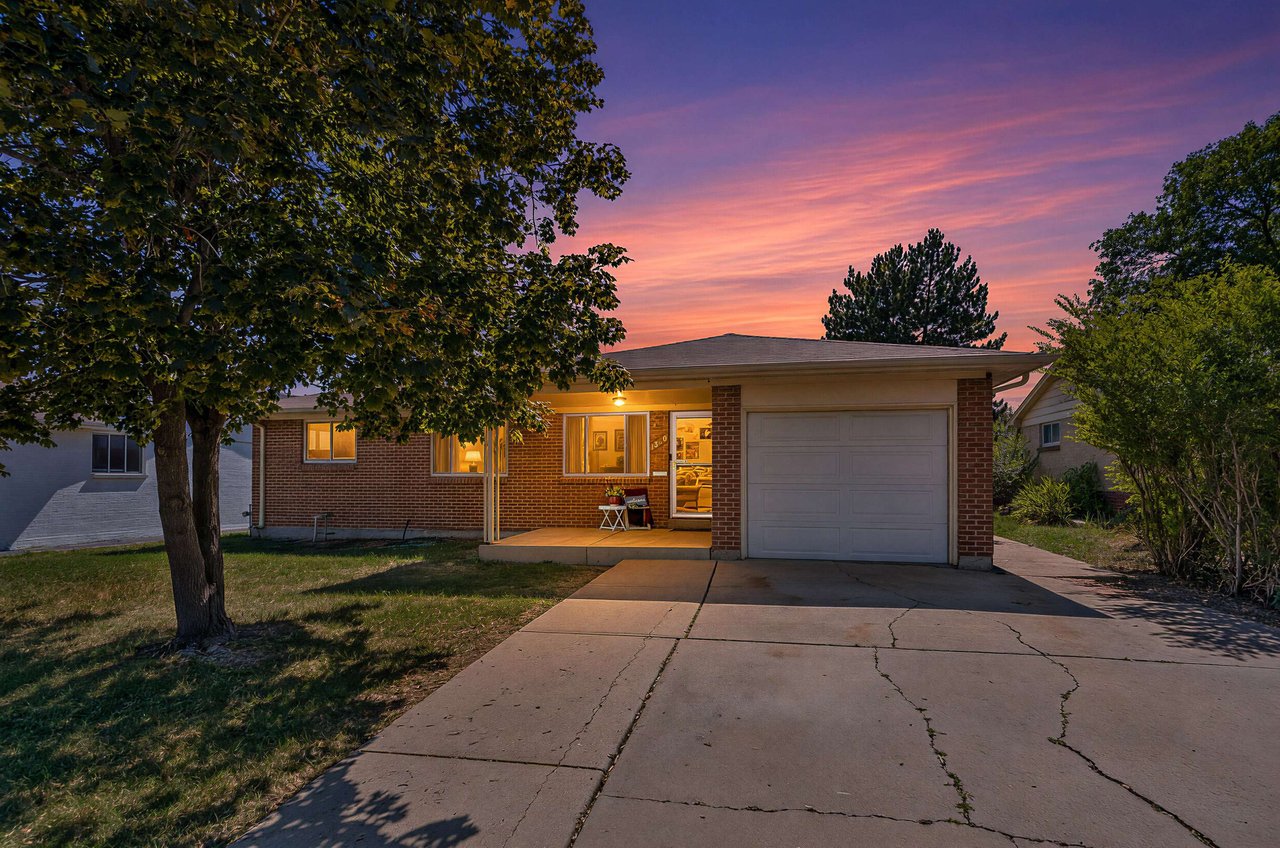
Boulder expanded significantly in the postwar decades of the 1950s and 1960s, and that growth is written clearly in the residential architecture of neighborhoods like Table Mesa, Martin Acres, and Baseline. The dominant residential style of this era was the ranch home, a single-story form characterized by horizontal orientation, low-pitched rooflines, attached garages, and an open relationship between indoor living spaces and the backyard.
Split-level variations were also common during this period, offering a modest vertical separation between living areas that suited the sloping terrain of many Boulder lots while maintaining the informal, suburban character of the era. These homes were built for efficiency and livability, and many have been updated extensively over the decades with modern kitchens, open floor plans, and energy-efficient systems.
The Bernardi Group frequently works with buyers who are drawn to mid-century ranch homes for their single-level accessibility, their generous lot sizes relative to their price points, and their strong bones for renovation. In neighborhoods like Table Mesa, where many ranch homes back to open space or enjoy unobstructed views of the Flatirons, the combination of architectural character and natural setting creates exceptional value.
Split-level variations were also common during this period, offering a modest vertical separation between living areas that suited the sloping terrain of many Boulder lots while maintaining the informal, suburban character of the era. These homes were built for efficiency and livability, and many have been updated extensively over the decades with modern kitchens, open floor plans, and energy-efficient systems.
The Bernardi Group frequently works with buyers who are drawn to mid-century ranch homes for their single-level accessibility, their generous lot sizes relative to their price points, and their strong bones for renovation. In neighborhoods like Table Mesa, where many ranch homes back to open space or enjoy unobstructed views of the Flatirons, the combination of architectural character and natural setting creates exceptional value.
Boulder's Mountain Modern and Contemporary Architecture
As Boulder's real estate market matured and attracted buyers with sophisticated design sensibilities, a distinctive regional architectural language emerged that The Bernardi Group thinks of as mountain modern. This style synthesizes the clean lines and open floor plans of contemporary architecture with natural materials, passive solar orientation, and a deep visual and physical connection to the surrounding landscape.
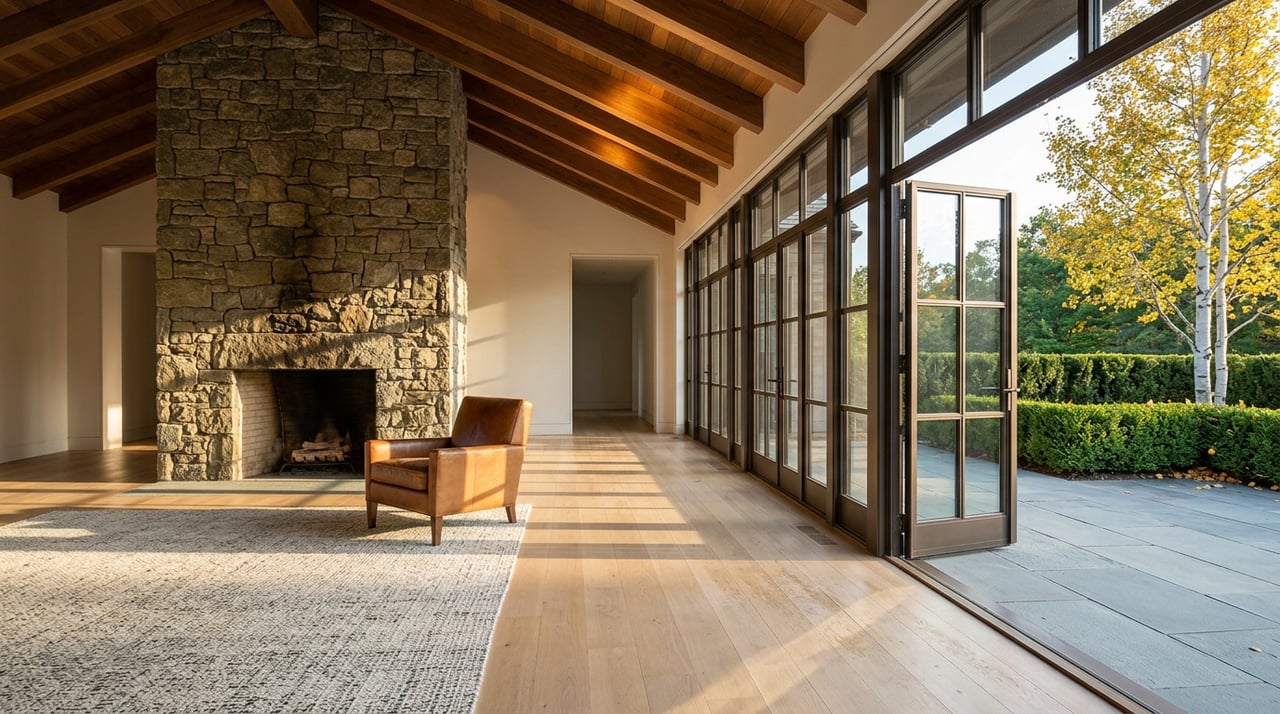
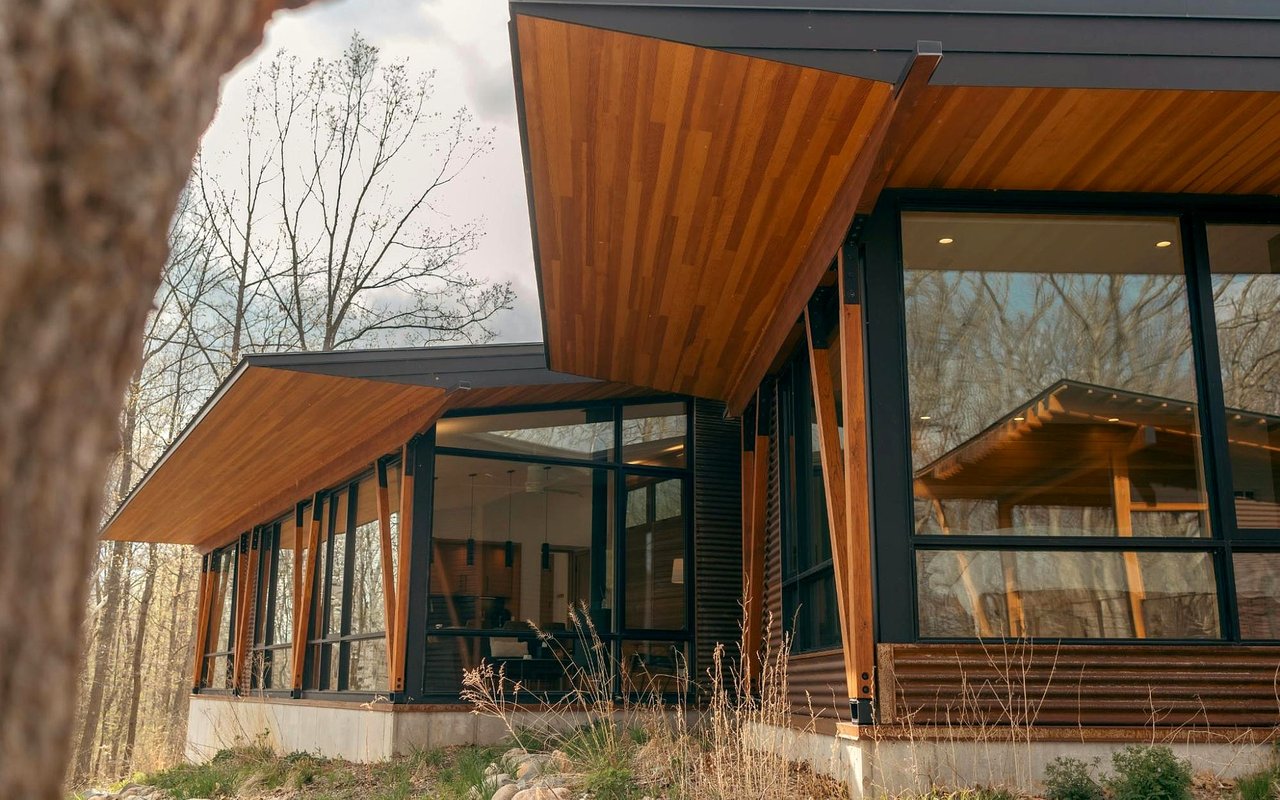
Mountain modern homes in Boulder are characterized by dramatic rooflines, extensive use of glass to capture light and frame views, material palettes that blend steel, concrete, reclaimed wood, and local stone, and indoor-outdoor living spaces that treat the natural environment as an extension of the interior. These homes are frequently designed with sustainability in mind, incorporating features like photovoltaic solar systems, radiant floor heating, triple-pane windows, and high-performance building envelopes.
You will find the most concentrated examples of mountain modern architecture in the foothills neighborhoods west of the city, in custom home communities near Eldorado Springs, and on larger lots throughout South Boulder where site conditions allow for the kind of expansive, ground-connected design that defines the style at its best.
The Bernardi Group represents a significant number of buyers and sellers in this segment and understands the specific criteria that sophisticated buyers bring to the evaluation of contemporary mountain properties.
Mountain modern homes in Boulder are characterized by dramatic rooflines, extensive use of glass to capture light and frame views, material palettes that blend steel, concrete, reclaimed wood, and local stone, and indoor-outdoor living spaces that treat the natural environment as an extension of the interior. These homes are frequently designed with sustainability in mind, incorporating features like photovoltaic solar systems, radiant floor heating, triple-pane windows, and high-performance building envelopes.
You will find the most concentrated examples of mountain modern architecture in the foothills neighborhoods west of the city, in custom home communities near Eldorado Springs, and on larger lots throughout South Boulder where site conditions allow for the kind of expansive, ground-connected design that defines the style at its best.
The Bernardi Group represents a significant number of buyers and sellers in this segment and understands the specific criteria that sophisticated buyers bring to the evaluation of contemporary mountain properties.
Tudor and European Revival Styles
Scattered throughout Boulder's established neighborhoods, particularly in Newlands and the streets surrounding Chautauqua Park, you will encounter homes built in the Tudor Revival and broader European Revival traditions that were popular among affluent buyers from the 1920s through the 1940s. These homes are distinguished by their steeply pitched cross-gabled rooflines, decorative half-timbering on upper facades, arched entryways, multi-pane casement windows, and masonry construction that communicates permanence and formality.
Tudor Revival homes in Boulder are among the most architecturally distinctive properties in the city. They tend to occupy larger lots in mature, tree-lined neighborhoods, and their combination of historic character and substantial construction makes them perennially appealing to buyers who value enduring quality over contemporary trend.
The Bernardi Group advises buyers considering Tudor and European Revival properties to invest in thorough inspections, as the complex rooflines and original masonry systems of these homes require specialized maintenance knowledge. When well-maintained, however, these properties represent some of the most compelling architectural opportunities available in Boulder's market.
Tudor Revival homes in Boulder are among the most architecturally distinctive properties in the city. They tend to occupy larger lots in mature, tree-lined neighborhoods, and their combination of historic character and substantial construction makes them perennially appealing to buyers who value enduring quality over contemporary trend.
The Bernardi Group advises buyers considering Tudor and European Revival properties to invest in thorough inspections, as the complex rooflines and original masonry systems of these homes require specialized maintenance knowledge. When well-maintained, however, these properties represent some of the most compelling architectural opportunities available in Boulder's market.
Sustainable and Net-Zero Architecture
Boulder has long been at the forefront of sustainable building practice, and in recent years that commitment has produced a growing inventory of homes that are designed explicitly to minimize environmental impact while maximizing occupant comfort and long-term operational efficiency. These properties range from certified LEED Platinum homes to Passive House certified builds to thoughtfully designed custom homes that achieve net-zero energy performance through a combination of efficiency and on-site renewable generation.
Sustainable architecture in Boulder is not a niche category. It reflects the community's values and the direction the broader market is moving. The Bernardi Group has observed a consistent and growing buyer preference for homes with solar systems, high-efficiency mechanical systems, and verified green building certifications. These features increasingly influence both marketability and appraised value, and sellers with certified sustainable homes should ensure those attributes are prominently communicated in their marketing.
Sustainable architecture in Boulder is not a niche category. It reflects the community's values and the direction the broader market is moving. The Bernardi Group has observed a consistent and growing buyer preference for homes with solar systems, high-efficiency mechanical systems, and verified green building certifications. These features increasingly influence both marketability and appraised value, and sellers with certified sustainable homes should ensure those attributes are prominently communicated in their marketing.
Infill and New Construction
Boulder's growth boundaries limit the availability of raw land for new development, but infill construction on existing lots within city limits has produced a steady stream of new homes that blend contemporary design with the established character of their surrounding neighborhoods. Thoughtful infill projects in neighborhoods like Wonderland Hills, Iris, and north Boulder have introduced architecturally sophisticated new homes on lots that were previously occupied by smaller, older structures.
These new construction homes typically reflect current buyer preferences for open floor plans, high-performance building systems, indoor-outdoor connectivity, and finishes that align with Boulder's design sensibility. The Bernardi Group works with buyers evaluating new construction as well as sellers whose properties are positioned for redevelopment, and we bring thorough knowledge of what new construction in Boulder actually delivers relative to its pricing.
These new construction homes typically reflect current buyer preferences for open floor plans, high-performance building systems, indoor-outdoor connectivity, and finishes that align with Boulder's design sensibility. The Bernardi Group works with buyers evaluating new construction as well as sellers whose properties are positioned for redevelopment, and we bring thorough knowledge of what new construction in Boulder actually delivers relative to its pricing.
Frequently Asked Questions
Which Boulder neighborhoods have the most historic architectural character?
Mapleton Hill, Whittier, University Hill, and the streets immediately surrounding Pearl Street contain the highest concentration of Victorian, Craftsman, and early twentieth century architecture. The Bernardi Group can provide detailed guidance on specific streets and properties within these areas.
Are historic homes in Boulder subject to preservation requirements?
Some properties in Boulder's designated historic districts are subject to landmark preservation guidelines that govern exterior modifications. The Bernardi Group advises buyers of historic properties to understand these requirements before purchase.
What is the price differential between mid-century ranch homes and newer construction in Boulder?
Pricing depends heavily on location, lot size, and condition. Mid-century ranch homes in neighborhoods like Table Mesa can offer competitive value relative to newer construction, particularly when they have been updated and sit on desirable lots.
Are sustainable and net-zero homes more expensive to buy in Boulder?
Certified sustainable homes often carry a price premium reflecting their lower operational costs and growing buyer demand. The Bernardi Group can help buyers evaluate the long-term financial case for sustainable construction relative to conventional alternatives.
Can I build a contemporary addition on a historic Boulder home?
In many cases yes, though design review requirements may apply depending on the property's location and landmark status. The Bernardi Group recommends consulting with a Boulder-based architect experienced in historic properties before planning any significant addition or modification.
Connect with The Bernardi Group Today
Backed by more than 688 five-star reviews across platforms like Zillow, Google, and FastExpert, The Bernardi Group also ranks in the prestigious RealTrends list as the #4 team in Colorado. The experienced team at The Bernardi Group is here to help you understand the Boulder real estate market, develop a thoughtful strategy, and navigate every step of the process whether you are buying or selling.
Visit The Bernardi Group to connect with our team and get started today:
Call: 303.402.6000
Email: [email protected]
We would be honored to help you find your perfect Boulder home with confidence.
Visit The Bernardi Group to connect with our team and get started today:
Call: 303.402.6000
Email: [email protected]
We would be honored to help you find your perfect Boulder home with confidence.