If you own a Boulder home with mountain views, you already know the big question: how much is that view really worth? It can be one of your property’s strongest selling points, but it is not a flat add-on you tack onto any price. In Boulder, view value depends on exactly what you see, how protected that sightline is, and how the home lets you enjoy it every day. Let’s dive in.
Why mountain views price differently in Boulder
In Boulder, mountain views are tied to the city’s identity. The Flatirons are a defining local landmark, and parts of Boulder’s planning framework specifically preserve certain public view corridors and limit height or roof equipment on affected sites.
That matters for sellers because a view home here is not just “a house with scenery.” It is a site-specific product. The durability of the view, the chance of future obstruction, and the way the home captures that outlook all influence value.
Boulder’s broader building and land use rules also aim to preserve some view openings, sky exposure, and privacy. That means buyers often look beyond the view itself and ask a more practical question: How secure and livable is this view over time?
Start with the micro-market
One of the biggest pricing mistakes sellers make is relying on citywide averages. Realtor.com’s April 2026 snapshot shows Boulder as a balanced market, with a median listing price of $995,000, a median sold price of $872,250, median days on market of 46, and a 98% sale-to-list ratio.
Those numbers are useful for market context, but they do not price a premium-view home. Boulder neighborhoods show wide price variation, from Downtown Boulder at $829,000 to Newlands at $3.2625 million and Pine Brook Hills at $2.6 million.
That spread tells you something important. If your home has premium mountain views, the right pricing strategy starts with the narrowest possible set of comparable homes, not with broad Boulder averages.
What actually creates a view premium
A premium view can lift value, but buyers do not pay the same amount for every mountain-facing property. Recent Boulder sales suggest the market prices the full package rather than the view alone.
View quality and permanence
A direct, unobstructed Flatirons view usually carries more weight than a general foothills backdrop. Buyers tend to respond to a clear, recognizable sightline, especially when it feels rare and hard to replicate.
Permanence matters too. If the setting, lot position, or surrounding regulations make the view feel more durable, that can support stronger pricing than a beautiful but vulnerable sightline.
Orientation and natural light
Views feel more valuable when they are part of daily living. In Boulder, recent premium listings highlight south-facing exposure and large expanses of glass because they bring in more daylight and keep the mountain backdrop present throughout the home.
That can change how buyers experience the property. A view from one upstairs bedroom is very different from a view that anchors the main living spaces.
Outdoor living space
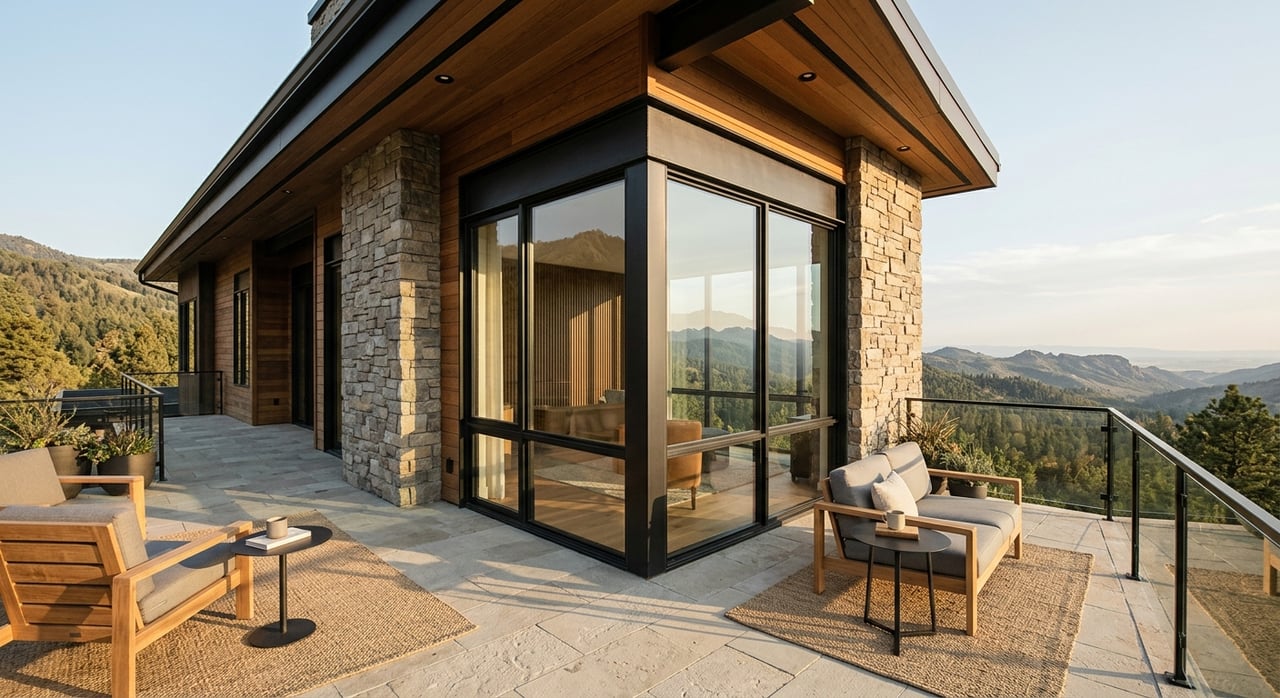
Patios, balconies, decks, and terraces show up again and again in higher-priced view sales. That pattern suggests buyers are not just paying for what they can see through a window. They are paying for an indoor-outdoor lifestyle.
If your home offers a place to sit, dine, entertain, or unwind while taking in the Flatirons or foothills, that can strengthen its position in the market.
Privacy and lot characteristics
Lot size, open-space adjacency, and privacy can all make a view feel more secure. A home that backs to open space or a golf course may create a stronger sense of protection than one surrounded by nearby structures.
That does not mean larger is always better. It means the lot should support the view experience in a way that feels lasting and comfortable.
Renovation level and presentation
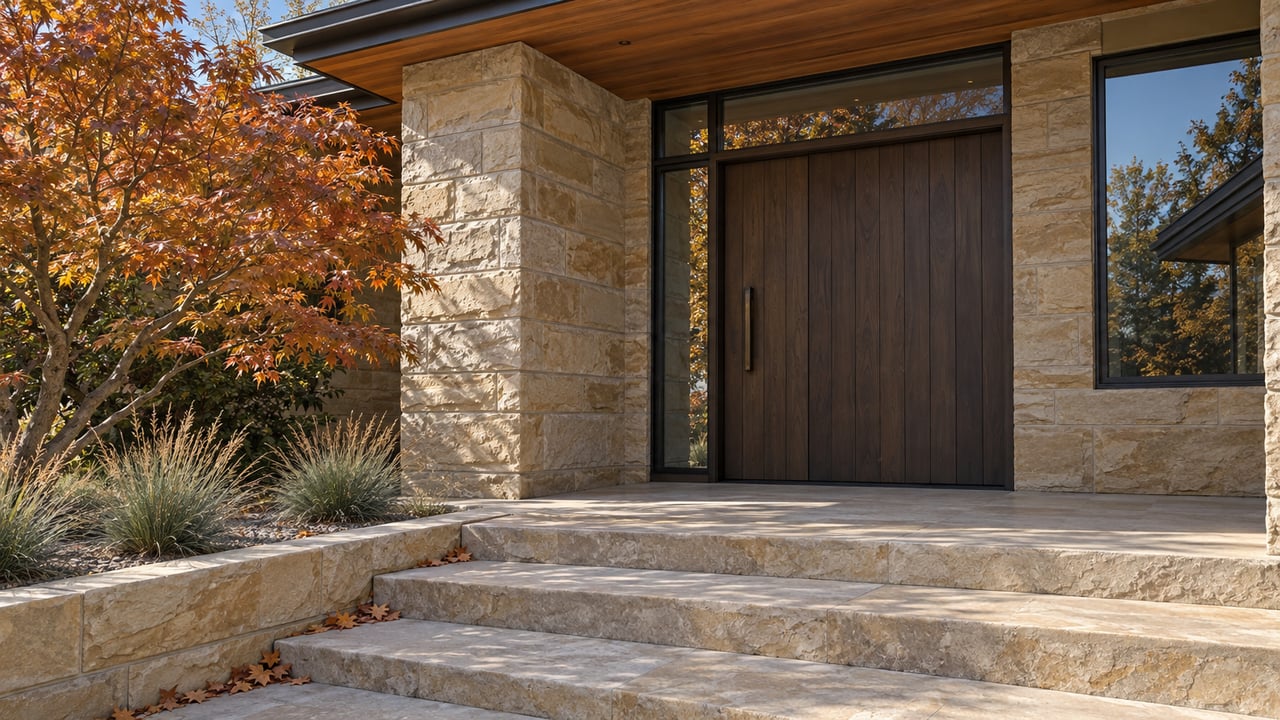
Buyers also price what they can enjoy immediately. A renovated home with walls of glass, polished interiors, and a strong connection to the outdoors will often command more attention than a similar home with an equally good view but less refined execution.
This is where pricing and presentation work together. If your home shows beautifully and clearly frames the view as part of daily living, buyers are more likely to understand its value.
What recent Boulder sales show
Recent sales in Boulder make one thing clear: there is no single formula for pricing mountain views.
Here are a few useful benchmarks from the research:
- 1320 Judson Dr sold on October 7, 2025 for $1.85 million, or $721 per square foot. The home was renovated, used walls of glass to capture Flatiron views from most rooms, and included a patio.
- 1505 Pearl St #302 sold on February 11, 2025 for $2.96 million, or $1,226 per square foot. This penthouse featured two expansive outdoor patios and panoramic views of the Flatirons, Chautauqua, and Pearl Street.
- 635 Arapahoe Ave sold on February 21, 2025 for $3.95 million, or $705 per square foot. It combined Flatiron views with a balcony, patio, and private low-maintenance yard.
- 1409 Old Tale Rd sold on October 10, 2025 for $2.45 million. The property included a 1-acre lot, unobstructed Flatiron views, and backing to Flatirons Golf Course.
- 1077 Canyon Blvd #304 is currently listed at $2.15 million, or $1,486 per square foot, as a south-facing third-floor residence with a curved glass wall and an expansive private balcony.
These examples show why broad rules can mislead sellers. The market appears to price the stack of attributes together: property type, exact view, privacy, lot size, outdoor living, and condition.
How to price your Boulder view home
If you are preparing to sell, the goal is not to find a generic “view premium.” The goal is to identify where your property fits in Boulder’s niche view-home market.
Match comps as tightly as possible
The best comps usually share more than square footage and bedroom count. In this segment, you want to compare homes with similar:
- Submarket or neighborhood
- Elevation or exposure
- View corridor
- Lot size and privacy
- Outdoor living features
- Renovation level
- Property type, such as condo, detached home, or luxury estate
That narrow approach fits Boulder especially well because local code treats views as specific sightlines, not vague scenic appeal.
Use sold homes first
Because Boulder is currently a balanced market, overpricing can stretch time on market, even for a rare home. A better strategy is to anchor pricing to recent sold comparables first.
Active listings can still help, but they should function more like a ceiling or a stress test. They show current competition, not what buyers have already agreed to pay.
Name the exact asset
When you price and market the home, be precise about what makes the view valuable. In Boulder, “mountain views” is often too broad.
A stronger description identifies the actual asset, such as:
- Direct Flatirons views
- Foothills backdrop
- Chautauqua views
- City lights
- Sunrise exposure
- Sunset exposure
- Indoor-outdoor living tied to the view
That clarity helps buyers compare your home to the right alternatives. It also supports a more credible price story.
Common pricing mistakes to avoid
Even strong homes can miss the market if the pricing logic is off. Here are a few mistakes to watch for.
Assuming all Flatirons views carry the same premium
They do not. The sold examples range from $1.85 million to $3.95 million, which shows how much the rest of the property matters.
Ignoring usability
A spectacular view that is hard to enjoy every day may not command the same premium as a slightly less dramatic view paired with a great deck, balcony, or patio.
Leaning too hard on aspiration pricing
In a balanced market, buyers still respond to value and evidence. If the price runs too far ahead of sold comps, the listing can lose momentum.
Comparing the wrong product type
A luxury penthouse with panoramic patios is not the same product as a detached home on a large lot. Both may have premium views, but buyers evaluate them differently.
Why strategic presentation matters
Once the price is set, presentation helps buyers understand it. For a Boulder home with premium views, that means showing how the view lives inside the property.
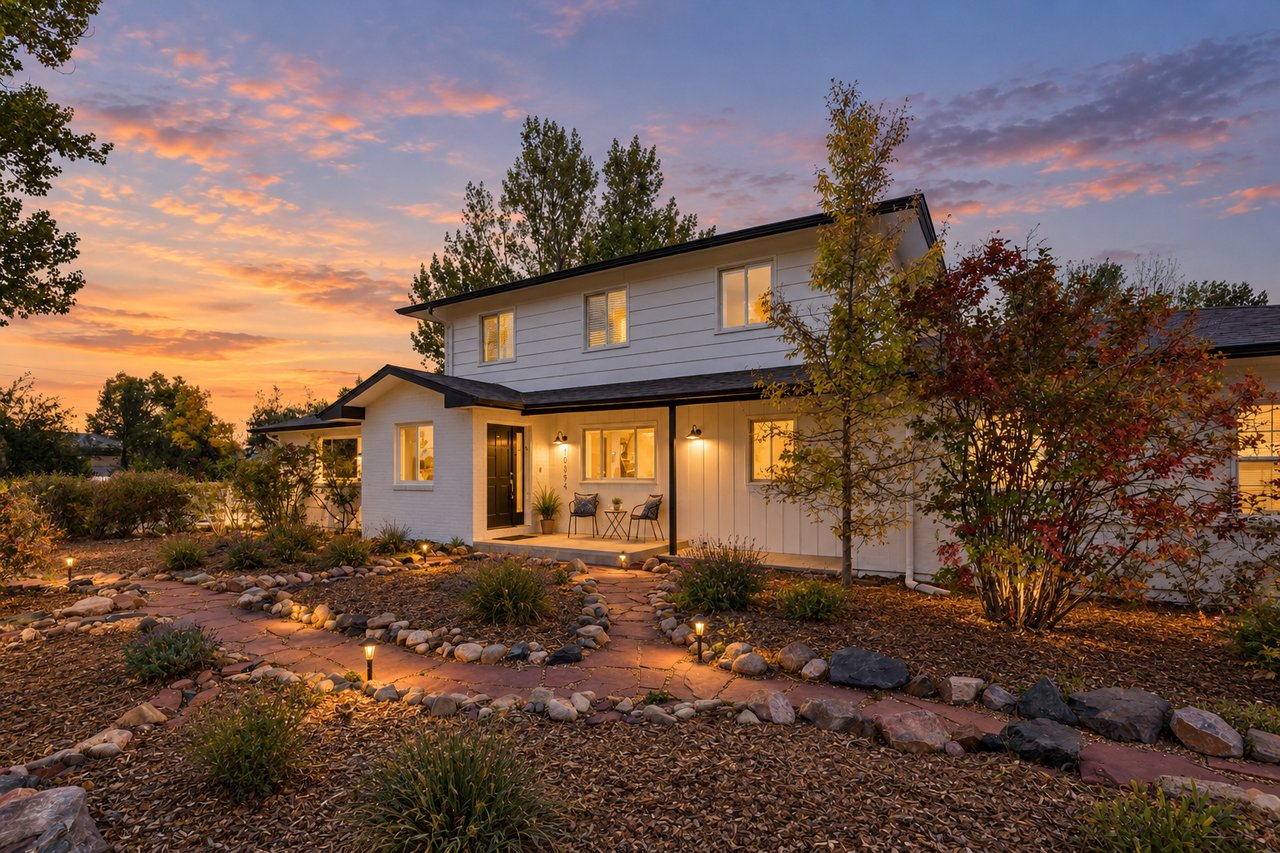
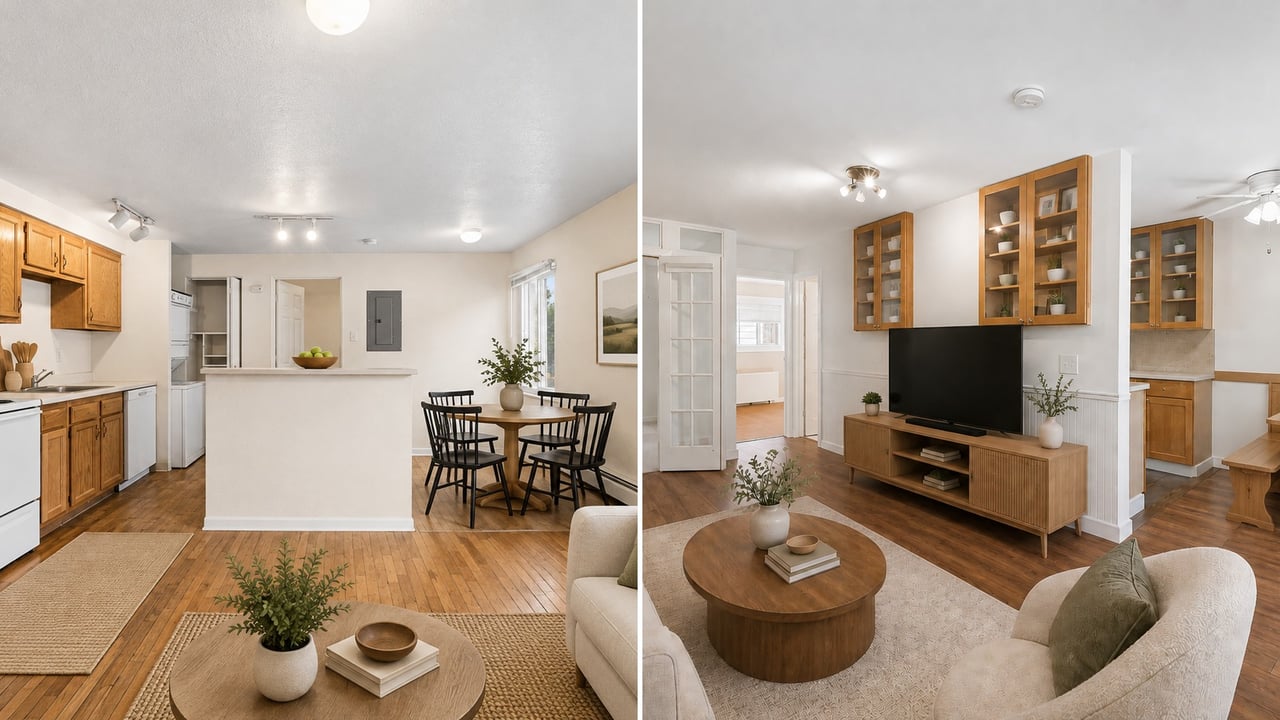
Professional staging, photography, and videography can make a big difference when they highlight window lines, natural light, and outdoor spaces. The goal is not to exaggerate the view. It is to present it clearly and honestly so buyers see why the home belongs in its price range.
That is especially important in upper-bracket and luxury segments, where buyers expect strong execution. In a niche market, details often shape both attention and offers.
The bottom line on Boulder view pricing
The best way to price a Boulder home with premium mountain views is to treat it like the specialized property it is. You are not pricing scenery alone. You are pricing the exact view, its likely durability, the lifestyle it creates, and how your home compares to the closest possible alternatives.
When that pricing is backed by local market knowledge, disciplined comp selection, and polished presentation, you put yourself in a much stronger position to attract the right buyers without overshooting the market.
If you are thinking about selling a Boulder home with Flatirons or foothill views, Karen Layer Bernardi, Inc. can help you build a pricing strategy grounded in local nuance, presentation, and negotiation.
FAQs
How should you price a Boulder home with Flatirons views?
- Start with recent sold comps in the same micro-market and compare exact view type, privacy, lot characteristics, outdoor living, and condition rather than applying a fixed premium.
Do mountain views always add the same value in Boulder?
- No. Research suggests the premium changes based on view quality, permanence, property type, renovation level, privacy, and how well the home captures the view.
Do decks, patios, and balconies matter when pricing Boulder view homes?
- Yes. Recent higher-priced sales repeatedly featured outdoor living spaces, which suggests buyers value a view more when it is usable as part of everyday living.
Should you use active listings to price a Boulder view home?
- Use active listings as a ceiling or stress test, but anchor your pricing to sold homes first because they reflect what buyers actually paid in the current market.
Why do Boulder view homes need hyperlocal comparable sales?
- Boulder has large neighborhood price differences, and local planning rules treat views as specific sightlines, so the most accurate pricing usually comes from tightly matched local comps.