Trying to decide between a condo and a house in Boulder? You are not alone. In a market where lifestyle, upkeep, and price can vary dramatically, the right fit is not just about square footage. It is about how you want to live day to day, what kind of flexibility you want long term, and what trade-offs feel worth it to you. This guide will help you compare the two clearly so you can move forward with more confidence. Let’s dive in.
Boulder Starts With a Big Price Gap
One of the clearest differences between condos and houses in Boulder is price. In the March 2026 Boulder housing stats, the year-to-date median sales price was $1,299,950 for single-family homes and $520,000 for townhouse and condo properties.
That gap matters because it often shapes your options before lifestyle even enters the picture. If you want to stay in Boulder proper, a condo or townhome may open doors to locations and features that would be much harder to reach with a detached-home budget.
Why Many Buyers Choose a Condo
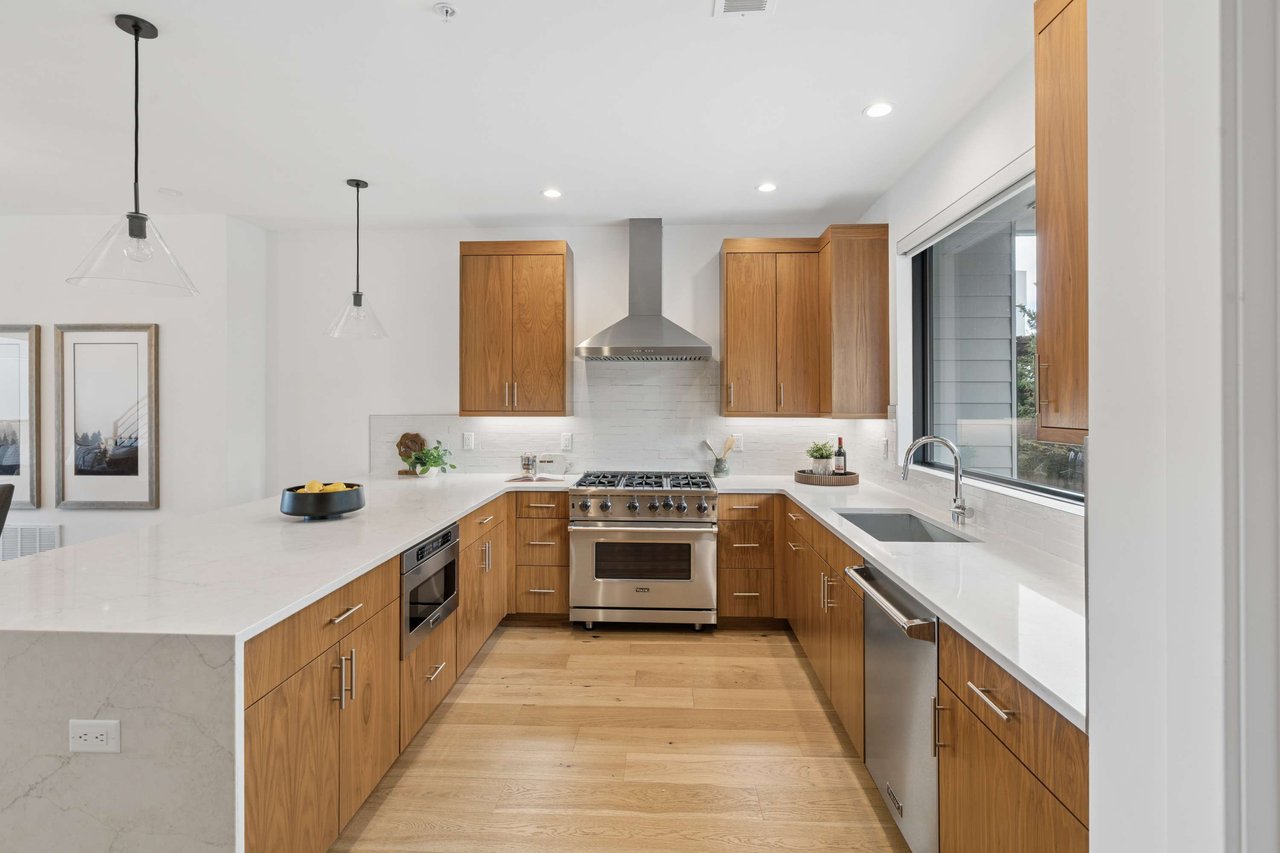
For a lot of buyers, a condo or townhome is really a lifestyle choice. It can mean less exterior work, fewer weekend chores, and an easier lock-and-leave setup if you travel often or simply want lower day-to-day maintenance.
In Colorado HOA communities, the association generally handles maintenance, repair, and replacement of common elements, while you are typically responsible for the unit itself. That structure is a major reason attached homes appeal to buyers who want convenience and shared responsibility.
Lower-Maintenance Living
If you do not want to manage yard work, exterior upkeep, or shared-building issues on your own, a condo can feel simpler. That can be especially appealing in Boulder, where many buyers want more time to enjoy the city’s outdoor lifestyle instead of spending weekends on home projects.
The City of Boulder says the area includes 45,000 acres of preserved open space, more than 150 miles of trails, and more than 300 days of sunshine. For some buyers, that makes lower-maintenance living even more valuable.
Easier Access to Walkable Areas
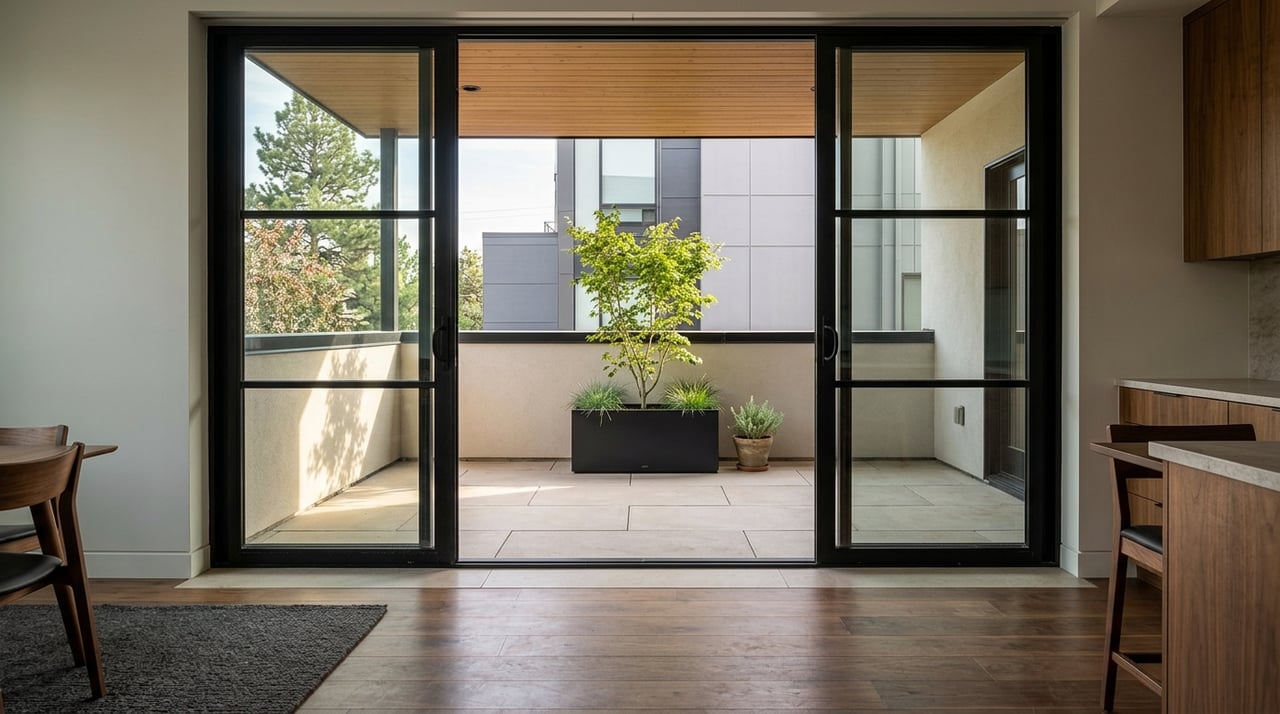
Attached homes are often tied to some of Boulder’s more urban, mixed-use settings. If you want convenient access to shops, restaurants, trails, or transit, a condo or townhome may line up well with your goals.
Good examples include Downtown Boulder, Boulder Junction, and Central Boulder. The city describes Downtown Boulder as a landmark district centered on the four-block pedestrian Pearl Street Mall, Boulder Junction as a mixed-use and pedestrian-oriented area, and Central Boulder as a central area near Pearl Street Mall, University Hill, Boulder Creek, and Chautauqua.
A More Predictable Exterior Upkeep Model
Some buyers like knowing that exterior responsibilities are shared rather than fully individual. That does not make ownership effortless, but it can make planning easier when major common-area work is handled through the association rather than by each owner separately.
That said, shared maintenance is never free. It comes with dues, rules, and financial exposure to the health of the association.
The Trade-Offs of Condo Ownership
A condo can simplify some parts of ownership, but it also adds layers you need to understand before you commit. In Boulder, that due diligence matters.
HOA Dues and Future Increases
HOA dues are a major part of the monthly budget for many attached homes. Colorado HOA guidance says there is generally no statutory cap on dues increases unless the declaration says otherwise.
That means today’s dues are only part of the picture. You will want to review the governing documents carefully so you understand how the association operates and how future costs could change.
Special Assessments Can Happen
Special assessments are another key question. Colorado’s HOA guidance says these are typically used for a specific repair, replacement, or new construction need.
In practical terms, that means even if regular dues feel manageable, there may still be future costs if the community needs major work. This is one of the biggest reasons condo buyers should look closely at both the budget and the overall condition of the project.
Reserve Funding Matters
Reserve strength is not just a technical detail. It can affect how prepared a community is for future repairs and replacements.
Colorado’s reserve-fund law requires mandatory reserve studies for common-interest communities with major shared components. Reserve-study information can also be provided to potential purchasers in seller disclosures, which makes it an important part of attached-home due diligence.
Financing Can Be More Complex
If you are financing a condo purchase, loan approval may depend on more than your own qualifications. HUD says FHA condo projects must meet approval requirements tied to insurance coverage, financial condition, title, legal action, physical condition, and other marketability factors.
That does not mean financing is impossible. It means condo buyers should confirm project eligibility early, especially if they plan to use financing with project-specific requirements.
Why Many Buyers Still Prefer a House
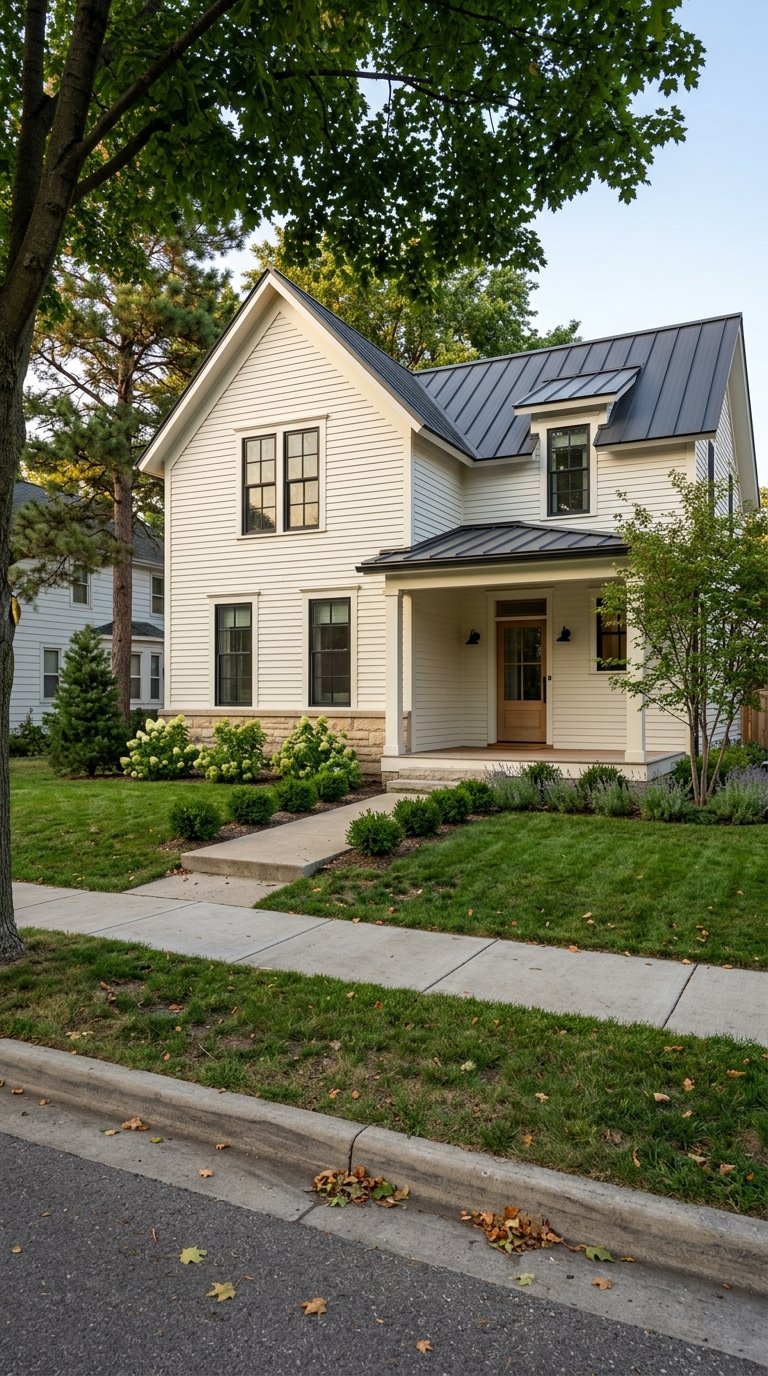
Detached homes continue to win for buyers who want more privacy, more control, and more room to adapt a property over time. In Boulder, that can be a major advantage if you are thinking beyond your immediate needs.
A house often gives you more direct control over the lot and more autonomy in how you use the property. You are usually not sharing walls, common systems, or the same level of association oversight found in many attached communities.
More Privacy and Separation
For some buyers, this is the deciding factor. A detached home often provides more space between you and neighboring properties, plus a stronger sense of independence.
That can be especially appealing if you work from home, want more outdoor space, or simply value a quieter and more private setup.
More Freedom to Customize
A house can also offer more flexibility if you want to change the property over time. Whether you are thinking about outdoor improvements, interior reconfiguration, or future additions, detached homes often give you more options than condos or townhomes do.
Still, “more freedom” does not always mean unlimited freedom in Boulder. Local rules can matter a lot depending on the area.
Established Neighborhood Feel
If you are drawn to a more traditional residential setting, detached homes may better match your goals. In Boulder, neighborhoods like South Boulder and Table Mesa are often associated with that established detached-home feel.
The city identifies Table Mesa North and South as established residential neighborhoods, with the Table Mesa shopping center as the area’s primary retail destination. That combination can appeal to buyers looking for more space along with nearby everyday conveniences.
The Trade-Offs of Buying a House
A detached home gives you more control, but it also puts more responsibility directly on you. That is the central trade-off.
More Maintenance Is Your Responsibility
Without the same shared-maintenance structure common in many condos and townhomes, you will usually handle more of the upkeep yourself. Exterior repairs, landscaping, snow removal, and larger system planning often become your responsibility.
For some buyers, that feels empowering. For others, it feels like too much time, cost, or unpredictability.
Historic District Rules Can Limit Changes
Some of Boulder’s most desirable older house areas also come with more oversight for exterior changes. Boulder says historic district designation protects areas of historic, architectural, or environmental significance through design review.
The city notes that Boulder has 10 historic districts, including places such as Mapleton Hill, Chautauqua, and Downtown, with design guidelines for certain districts. If you are considering a house in one of these areas, remodeling, additions, or visible exterior changes may require a more careful process than you expect.
Boulder Neighborhoods That Help Frame the Choice
The condo-versus-house decision is not only about the property type. In Boulder, it is also about the kind of setting you want around you.
Areas That Support Condo Living
If convenience, walkability, and a more connected urban feel matter most, Downtown Boulder, Boulder Junction, and Central Boulder are useful reference points. These areas are closely tied to pedestrian access, mixed-use convenience, and proximity to everyday activity.
That does not mean every block looks or feels the same. It does mean these areas tend to fit the condo or townhome side of the Boulder lifestyle conversation.
Areas That Support House Living
If you picture more privacy, more yard space, or a more established detached-home setting, Mapleton Hill, Chautauqua, South Boulder, and Table Mesa offer a different frame. Mapleton Hill is Boulder’s third and largest historic district, and Chautauqua is also designated as a National Historic Landmark district.
Those areas can appeal to buyers who value historic character or established residential patterns, while South Boulder and Table Mesa often support the “more space, more neighborhood feel” side of the decision.
How to Choose Your Best Fit
If you are still torn, try simplifying the decision around your daily life, not just the property brochure. A clear choice usually emerges when you look at how you actually want to spend your time and money.
Ask yourself:
- Do you want lower exterior maintenance or more control?
- Is your budget better aligned with attached or detached housing in Boulder?
- How important are privacy and separation from neighbors?
- Do you want walkable convenience or a more traditional residential setting?
- Are you comfortable reviewing HOA finances, dues, and reserve information?
- Do you want more freedom to customize over time?
- Would historic-district or association rules affect your plans?
In simple terms, the Boulder shorthand is this: condo or townhome means lower-maintenance living, more HOA oversight, and more urban convenience; single-family house means more privacy, more control, and more upkeep.
Neither option is better across the board. The right answer depends on what you value most, how long you plan to stay, and how you want your home to support your lifestyle in Boulder.
When you are ready to compare options with a local strategy behind them, Karen Layer Bernardi, Inc. can help you evaluate neighborhoods, property types, and trade-offs with clarity.
FAQs
What is the main price difference between condos and houses in Boulder?
- In March 2026 Boulder housing stats, the year-to-date median sales price was $520,000 for townhouse and condo properties and $1,299,950 for single-family homes.
What do HOA dues usually cover for Boulder condos and townhomes?
- In Colorado HOA communities, the association generally handles maintenance, repair, and replacement of common elements, while you are typically responsible for your unit itself.
Can HOA fees increase after you buy a Boulder condo?
- Yes. Colorado HOA guidance says there is generally no statutory cap on dues increases unless the declaration says otherwise.
Can a Boulder condo owner face a special assessment?
- Yes. Colorado’s HOA guidance says special assessments are typically used for specific repair, replacement, or new construction needs.
Do Boulder condo buyers need to review reserve funding?
- Yes. Colorado requires reserve studies for common-interest communities with major shared components, making reserve information an important due-diligence item.
Can financing a Boulder condo be harder than financing a house?
- It can be. HUD says FHA condo financing depends on project approval and factors such as insurance coverage, financial condition, title, legal action, and physical condition.
Are exterior changes always easy on Boulder houses?
- No. In Boulder historic districts, exterior changes may be subject to design review intended to protect historic, architectural, or environmental significance.
Which Boulder areas are often associated with condo or townhome living?
- Downtown Boulder, Boulder Junction, and Central Boulder are useful examples because they are closely associated with walkability, mixed-use convenience, and central access.
Which Boulder areas are often associated with detached houses?
- Mapleton Hill, Chautauqua, South Boulder, and Table Mesa are useful examples for buyers looking at detached-home settings with more space, character, or established residential patterns.