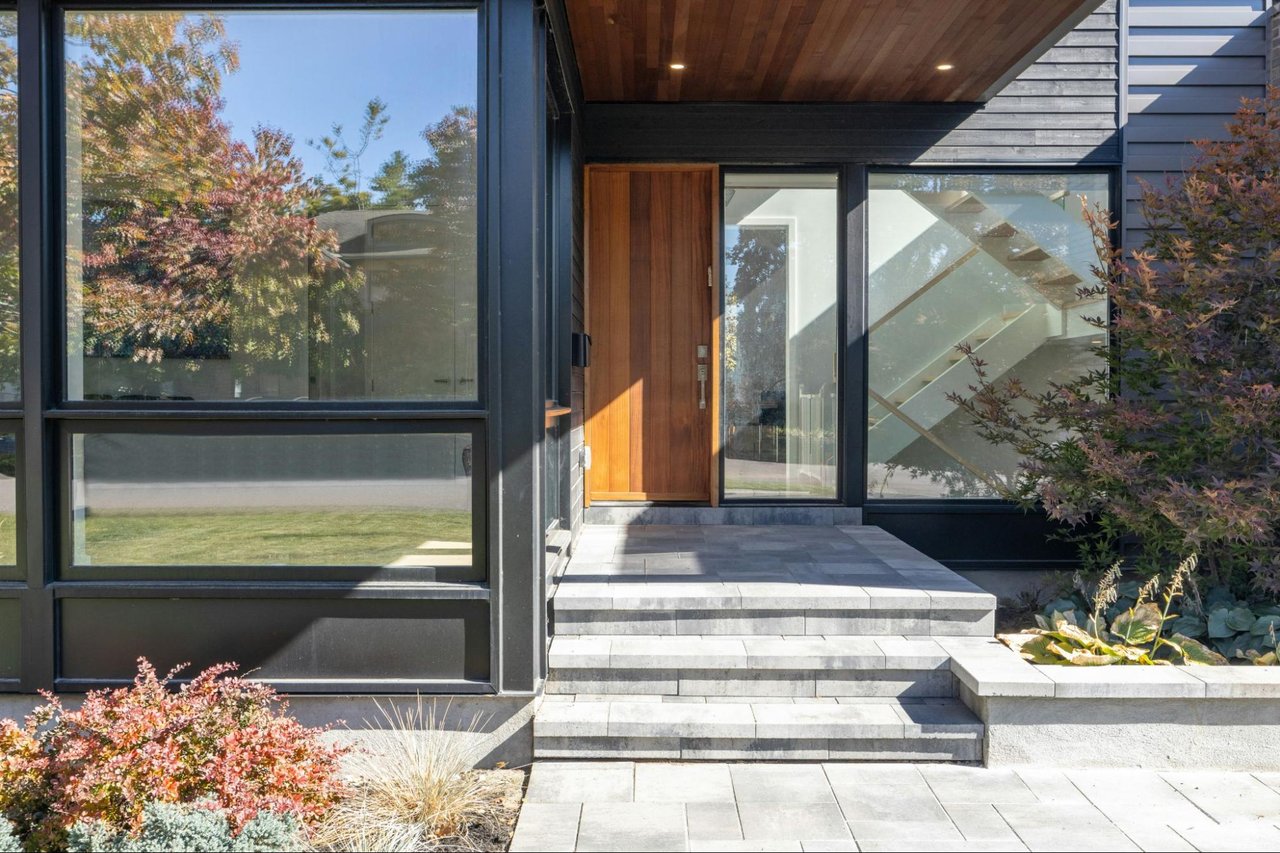
By The Bernardi Group
Boulder is one of the most environmentally engaged communities in the country, and sustainable living is woven into daily life in a way that shapes both how people use their homes and what they look for when buying one. Incorporating sustainable practices and upgrades in your Louisville, Lafayette, Longmont, or Boulder home is both a lifestyle choice and a sound investment in long-term value and efficiency. Here is where to start.
Key Takeaways
- Energy efficiency upgrades reduce utility costs and are among the most valued features in the Boulder County real estate market
- Water conservation is a practical priority in Colorado's semi-arid climate, and landscaping and irrigation choices have a direct impact on both water bills and environmental footprint
- Solar installations in Boulder County benefit from strong sunlight, available incentives, and utility net metering programs that make the investment increasingly practical
- Non-toxic and low-impact interior choices improve indoor air quality and reduce environmental impact simultaneously
Energy Efficiency: The Foundation of a Sustainable Home
Energy efficiency improvements are the highest-impact sustainable living investment available to Boulder County homeowners and increasingly what buyers look for when evaluating a property. A well-insulated home with modern HVAC and smart energy management costs less to operate.
Xcel Energy, which serves much of Boulder County, offers rebate programs and home energy assessment resources that help homeowners identify where energy is being lost and prioritize improvements. Attic insulation, air sealing, and HVAC upgrades are consistently the highest-return investments identified through these assessments.
Energy Efficiency Improvements Worth Prioritizing in Boulder County
- A smart thermostat that learns household patterns and adjusts heating and cooling automatically, reducing energy use during unoccupied hours and through Colorado's shoulder seasons
- Attic insulation brought to current recommended levels, which is the single most impactful energy efficiency improvement in most existing Boulder County homes
- Air sealing at common penetration points, which multiplies the effectiveness of insulation by addressing convective heat loss
- LED lighting throughout the home, which uses significantly less electricity than incandescent or CFL bulbs and requires replacement far less frequently
Water Conservation in a Semi-Arid Climate
Colorado's semi-arid climate makes water conservation both a civic responsibility and a practical financial consideration. Homeowners who align their outdoor spaces with xeriscaping principles — reducing turf, choosing drought-tolerant native plants, optimizing irrigation — reduce water bills meaningfully while supporting local ecological health.
The City of Boulder's Water Smart program and similar resources through neighboring municipalities offer rebates for water-efficient landscaping and irrigation upgrades. Replacing conventional grass with low-water plantings directly reduces the irrigation demand that accounts for a significant share of residential water use in Colorado's warmer months.
Water Conservation Approaches That Work Well in Boulder County
- Lawn area reduction through conversion of turf to drought-tolerant native plantings, which reduces irrigation needs and maintenance while improving ecological value
- Smart irrigation controllers that adjust watering schedules based on real-time weather data, preventing overwatering during rain events and optimizing timing for plant uptake
- Drip irrigation installation in planting beds, which delivers water directly to plant root zones rather than broadcasting it over large surface areas where most is lost to evaporation
- Rain barrels or cisterns where permitted by local regulations, which capture roof runoff for use in garden irrigation during dry periods
Solar Energy in Boulder County
Boulder County is one of the strongest solar markets in Colorado, combining high annual sun days with state and federal incentives, utility net metering programs, and a buyer demographic that actively values solar installations. A properly sized solar array in Lafayette or Erie can meaningfully reduce or eliminate monthly electricity costs, and the investment has become increasingly accessible as panel and installation costs have declined.
Xcel Energy's net metering program credits homeowners for excess solar generation returned to the grid, improving the payback period for the installation. Colorado state income tax credits for solar can be combined with the federal Investment Tax Credit to reduce the net cost further.
What Boulder County Homeowners Should Know Before Going Solar
- A solar assessment from a qualified installer determines the array size needed to offset actual electricity consumption based on roof orientation, shade, and usage patterns
- Xcel Energy's net metering program credits homeowners for excess solar generation returned to the grid, improving the payback period for the installation
- Colorado's income tax credit for renewable energy can be combined with the federal Investment Tax Credit to reduce the net cost of going solar
- Solar installations increase assessed home value in many Boulder County communities
Low-Impact Interior Choices
Sustainable living extends well beyond energy and water and includes the materials and products used inside the home and their impact on indoor air quality and environmental footprint. In Boulder County, where health-conscious living shapes building material preferences, low-impact interior choices are increasingly what buyers notice and what renovators prioritize.
Low-VOC and zero-VOC paints eliminate the off-gassing that degrades indoor air quality for months after application. Flooring choices like cork, bamboo, and reclaimed hardwood offer renewable alternatives to conventional materials.
Interior Sustainability Choices Worth Making in a Boulder County Home
- Low-VOC or zero-VOC paints and primers throughout the home, which eliminate the harmful off-gassing that affects indoor air quality following painting projects
- Natural or reclaimed flooring materials that reduce the environmental footprint of interior finishes
- Mechanical ventilation or air filtration systems that improve indoor air quality independent of opening windows, which is particularly relevant during Colorado's wildfire smoke seasons
- Non-toxic cleaning products and household materials, which reduce the chemical load in the home's indoor environment and eliminate the disposal burden of hazardous conventional cleaners
FAQs
Do sustainable home features add value when selling a Boulder County home?
Yes, particularly in Boulder, Louisville, and Lafayette, where buyers actively seek energy-efficient properties. Solar installations, smart energy systems, and water-efficient landscaping are features buyers respond to during showings and factor into offer decisions. Properties with documented lower utility costs carry a genuine competitive advantage in the Boulder County market.
What is the most cost-effective sustainable upgrade for a Boulder County homeowner on a limited budget?
Attic insulation and air sealing consistently deliver the highest return per dollar of any energy efficiency improvement, particularly in older Boulder County homes. A home energy audit through Xcel Energy is a low-cost starting point that identifies exactly where the opportunity is in a specific home.
Are there local resources or programs that help Boulder County homeowners make sustainable upgrades?
Yes. Xcel Energy offers rebates for qualifying energy efficiency improvements. The City of Boulder's Water Smart program provides resources and rebates for water conservation landscaping. State and federal tax incentives apply to solar installations.
Contact The Bernardi Group Today
Sustainable living is part of what makes Boulder County one of the most desirable places to own a home in Colorado, and understanding how to make your home more efficient, comfortable, and environmentally aligned is something we help homeowners navigate every day.
Reach out to us at The Bernardi Group to start the conversation about your Boulder County home. Whether you are preparing to sell, planning improvements, or searching for a property that reflects your values, we are here to help.