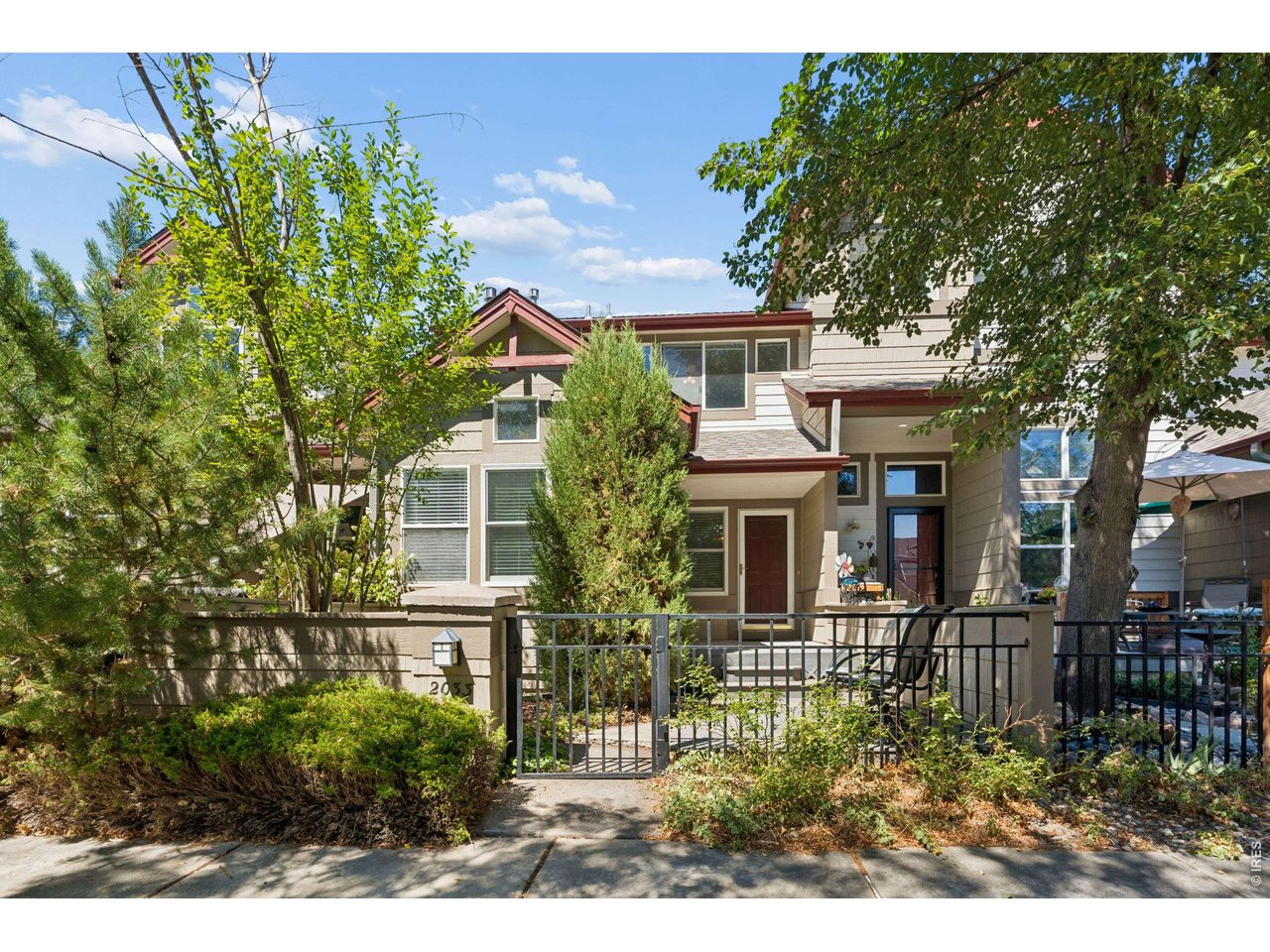
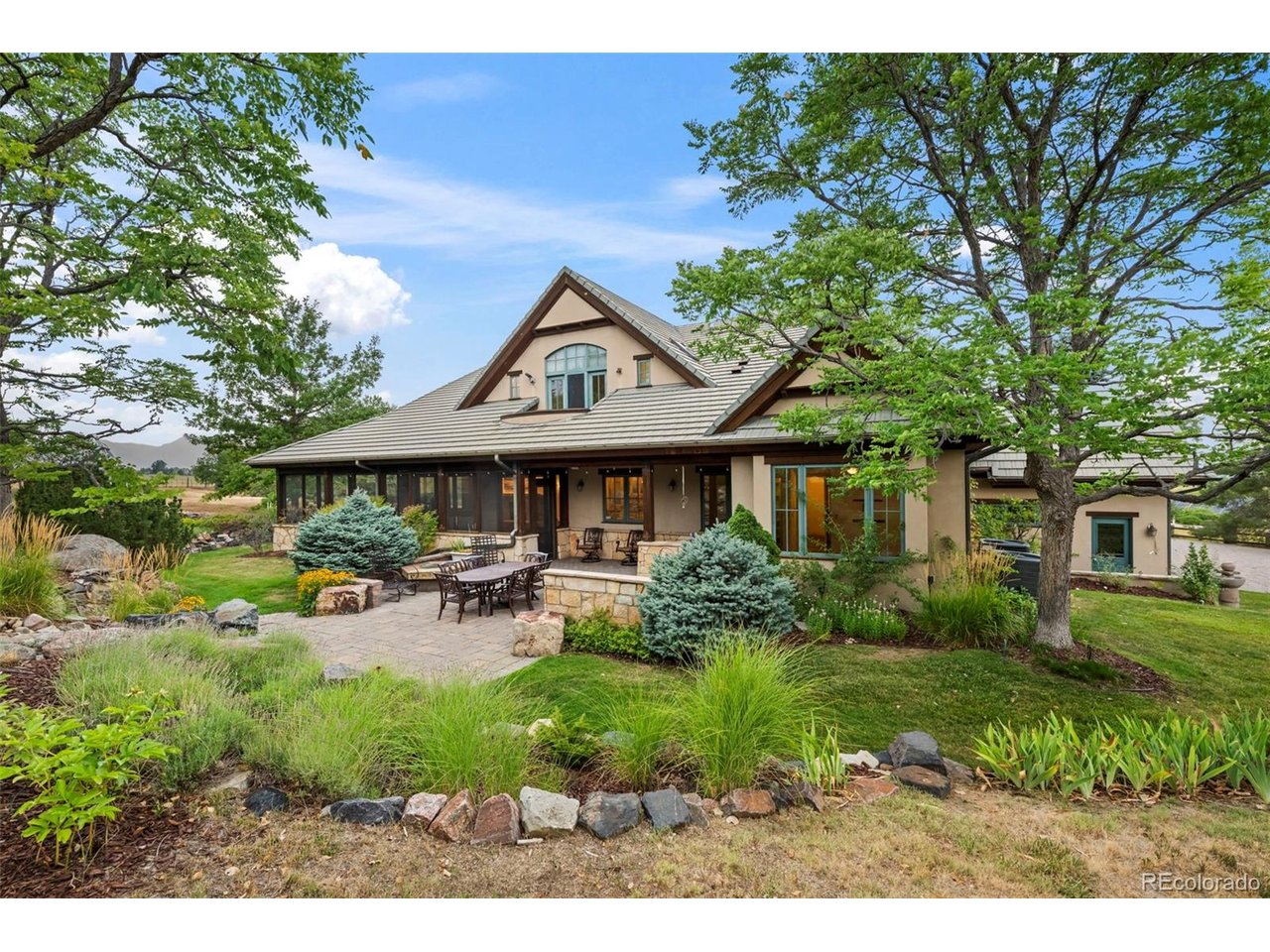
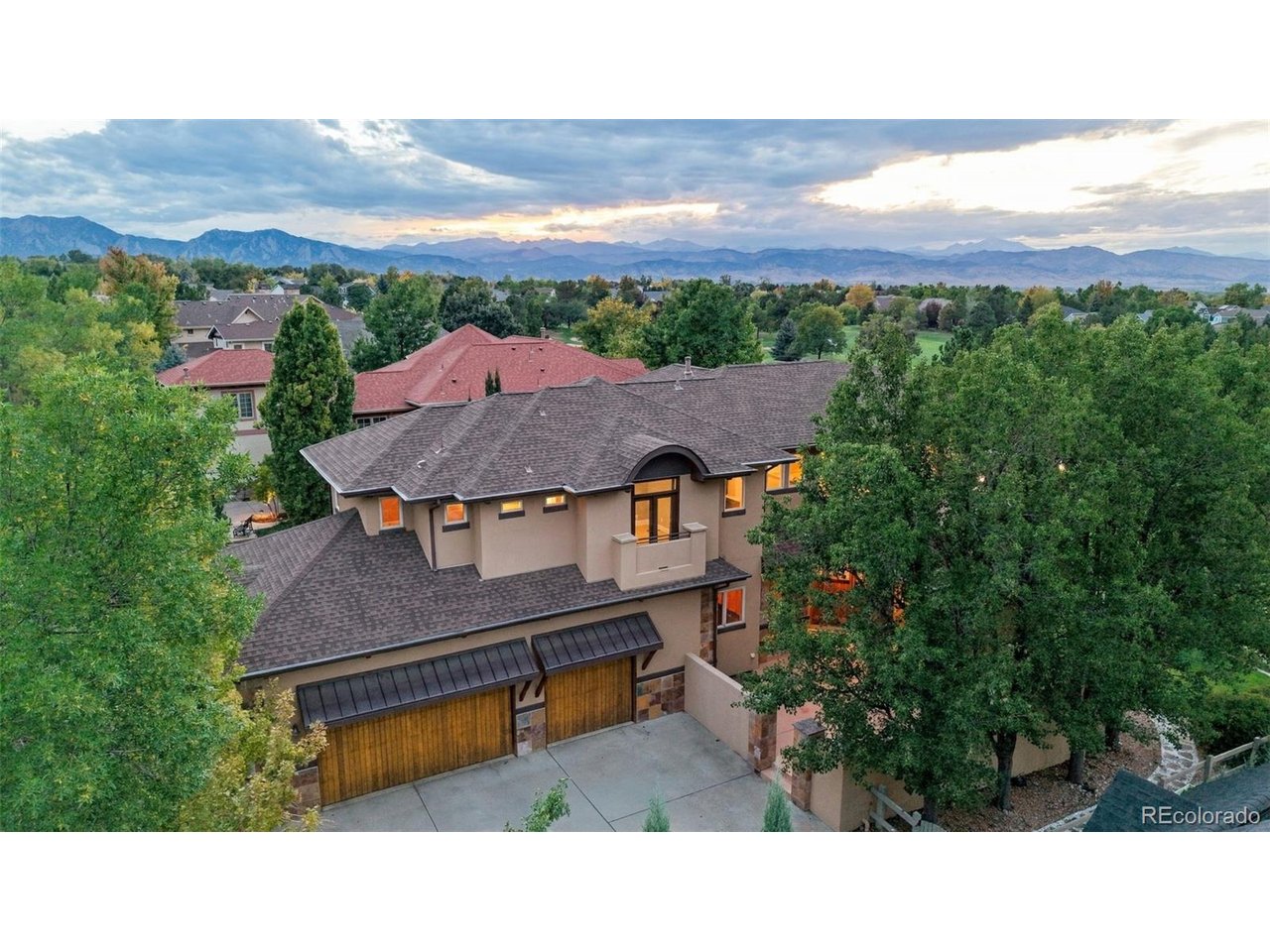
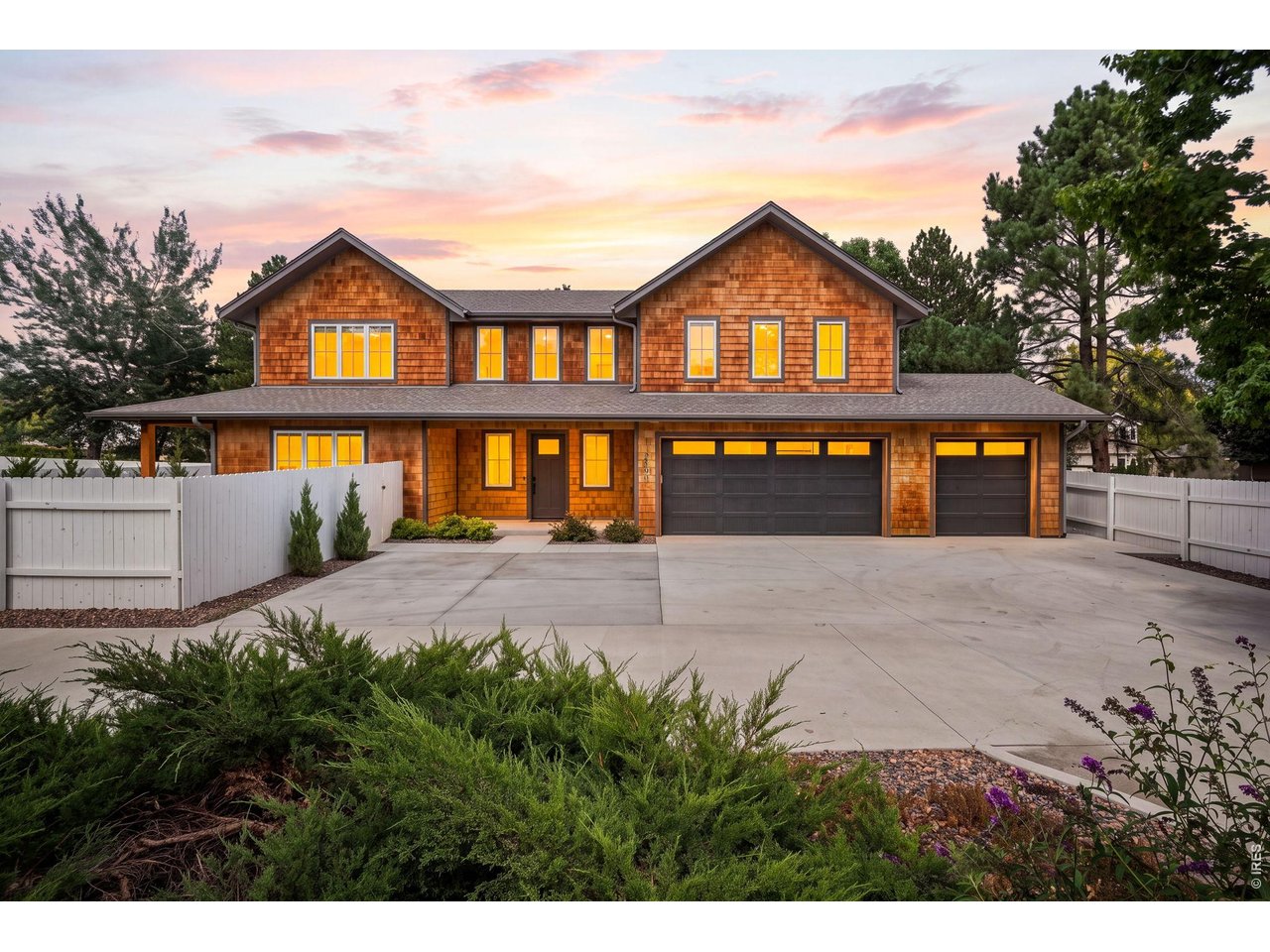
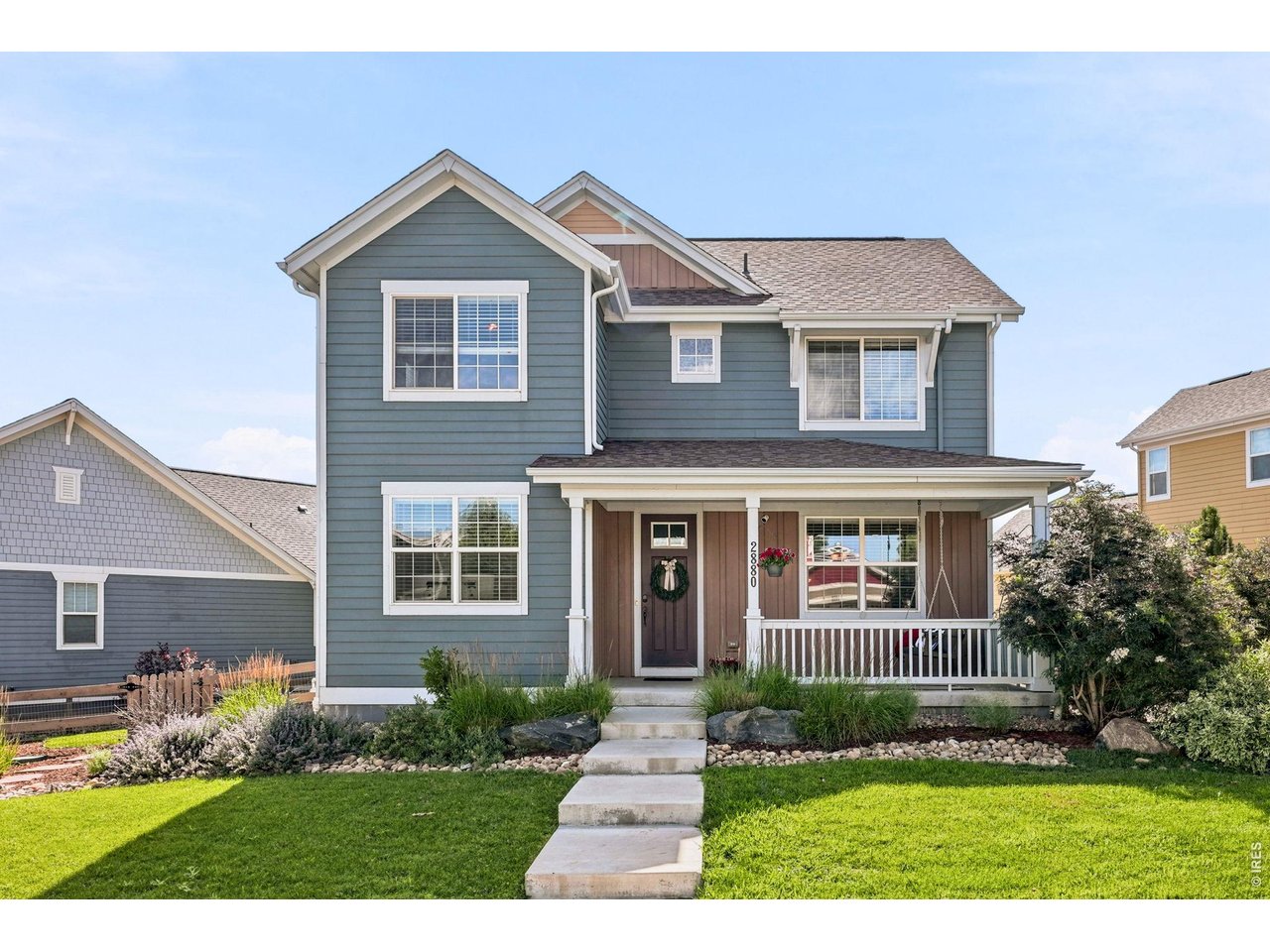
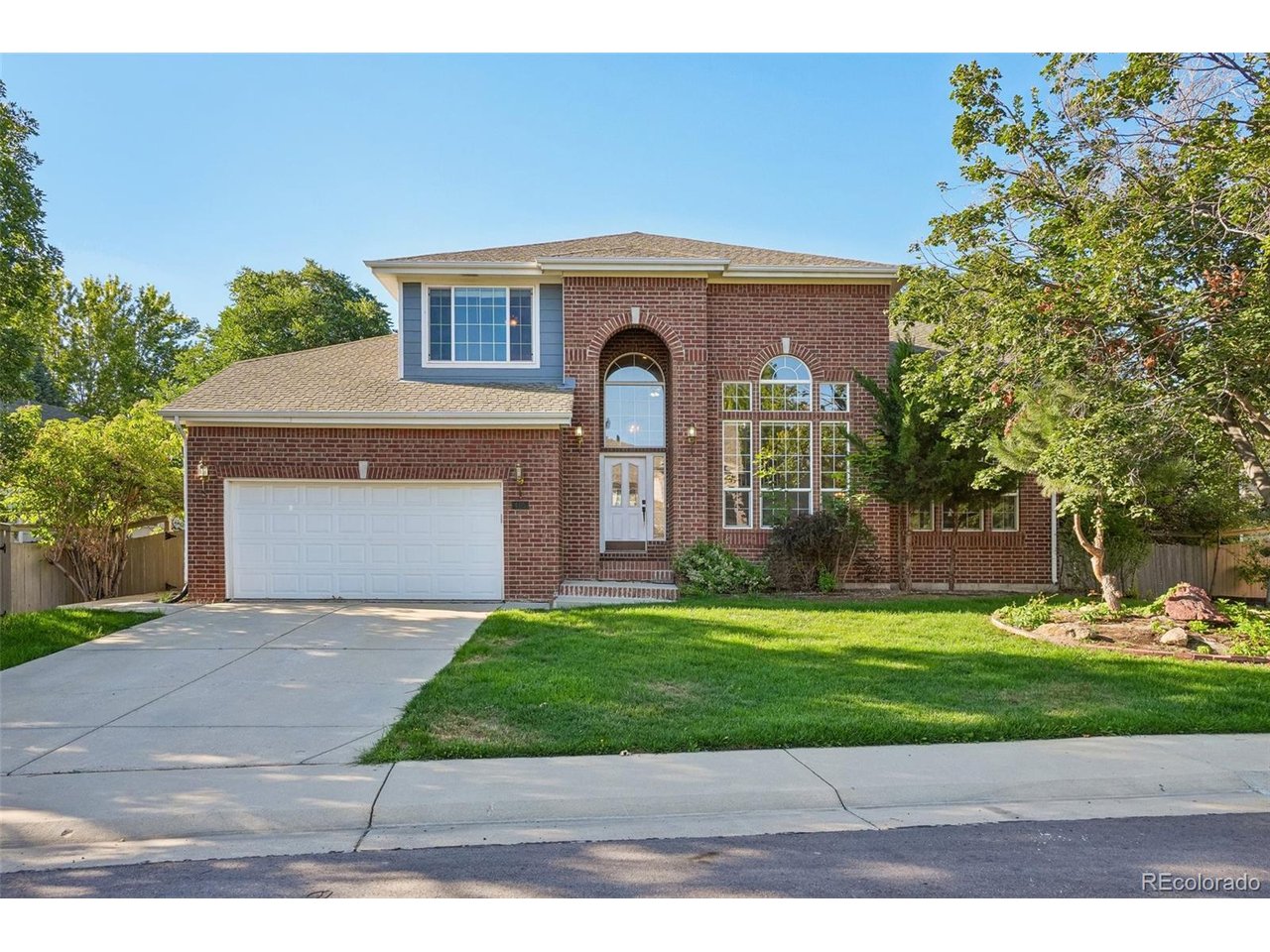
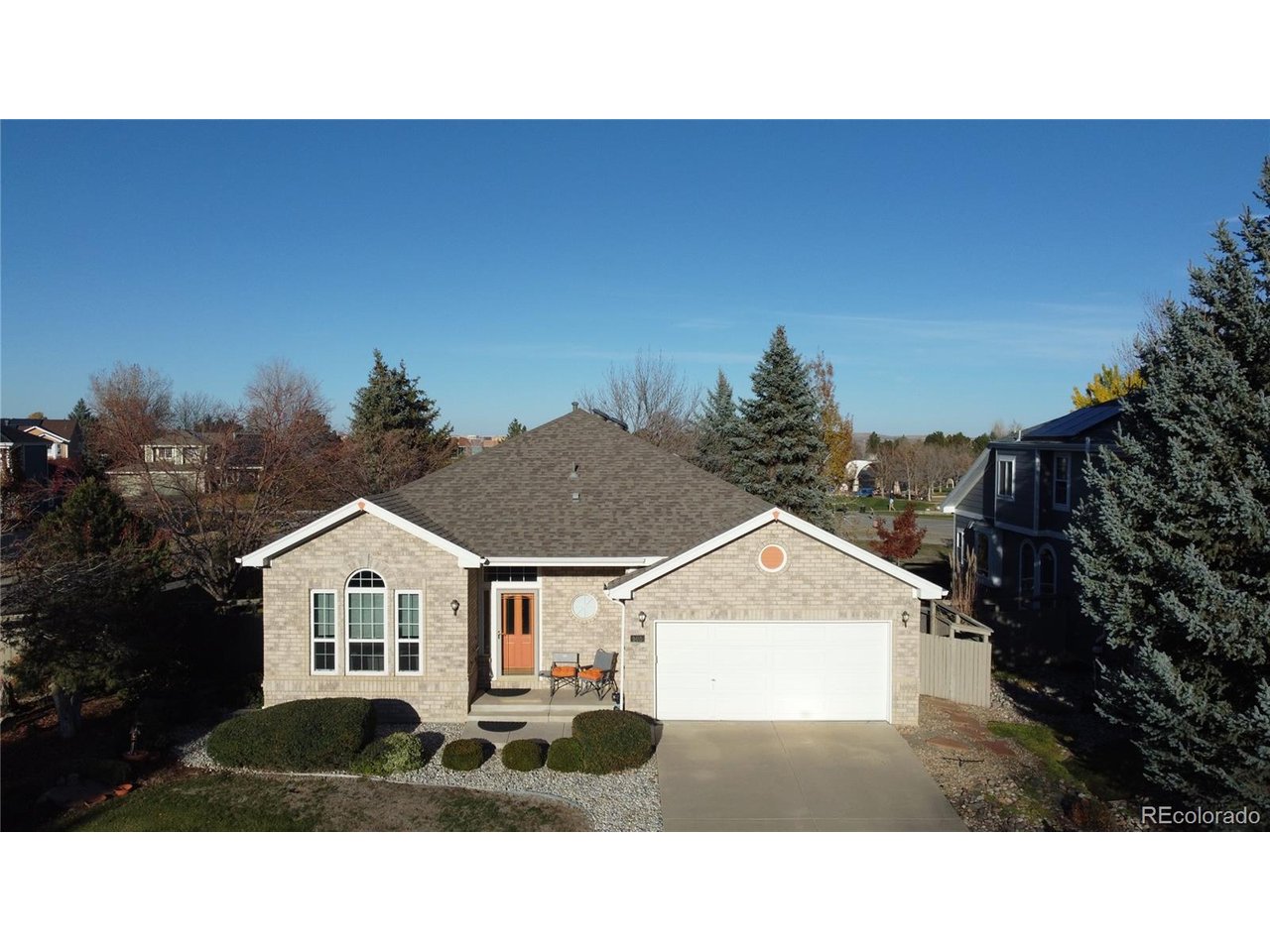
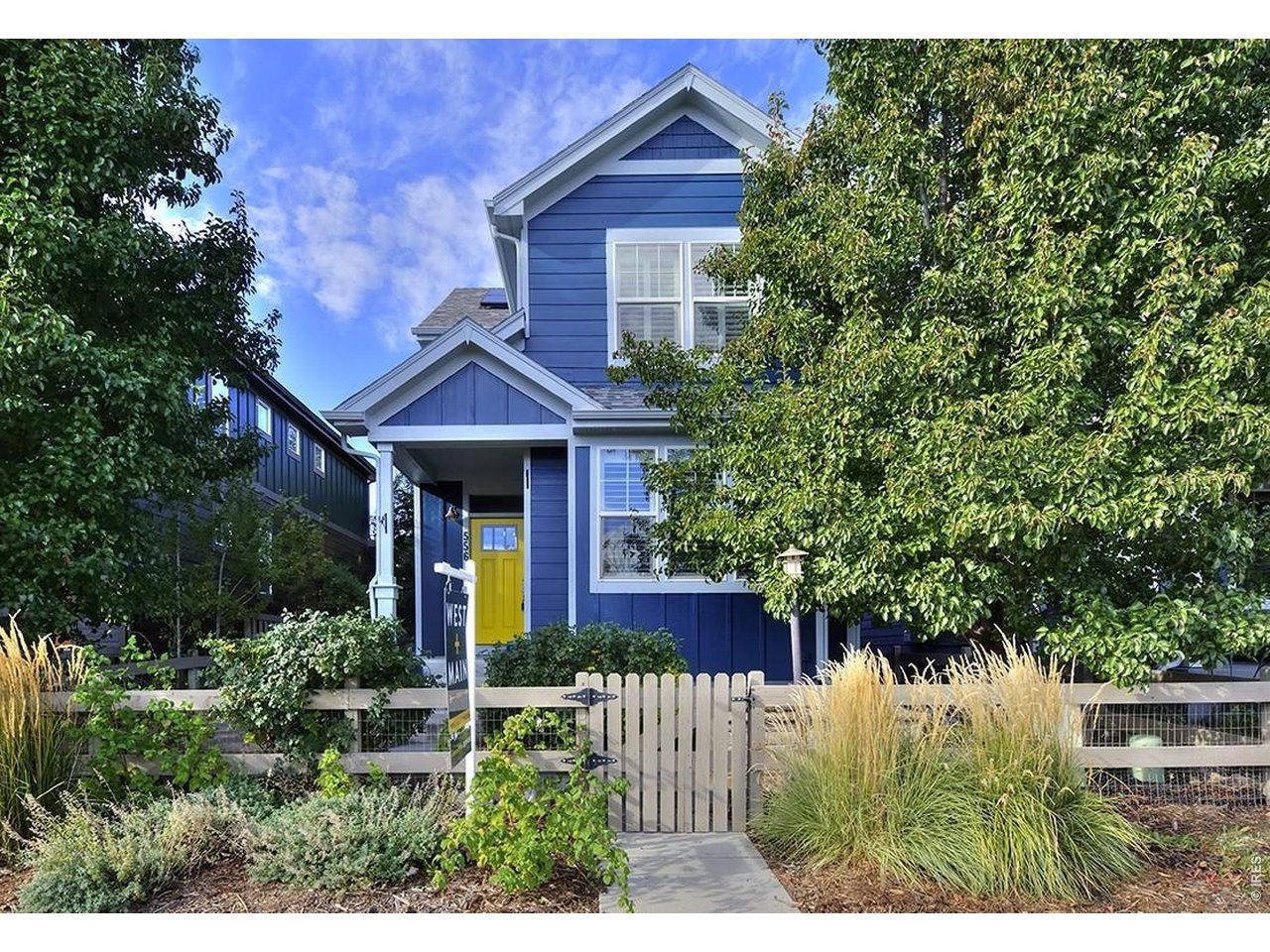
30,602 people live in Lafayette, where the median age is 39.1 and the average individual income is $62,261. Data provided by the U.S. Census Bureau.
Total Population
Median Age
Population Density Population Density This is the number of people per square mile in a neighborhood.
Average individual Income
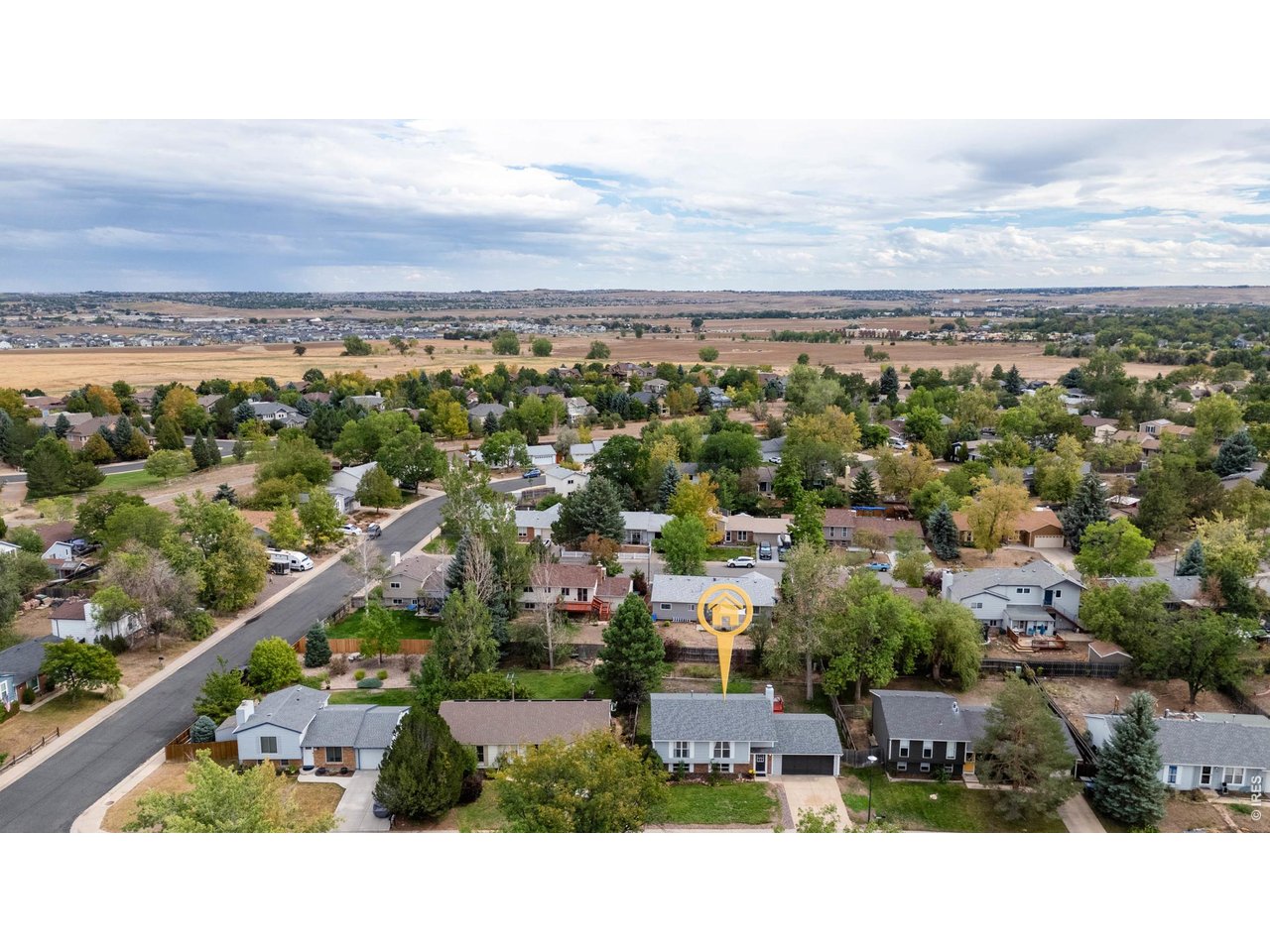
Lafayette sits about 10 miles east of Boulder and roughly 20 miles northwest of Denver, in the eastern half of Boulder County. For many of our buyers, it's the answer to a common question: "How do I get Boulder County schools, open space, and community without paying Boulder prices?" After decades of helping families buy and sell along the Front Range, we've watched Lafayette grow from a quiet former coal town into one of the most sought-after addresses in the Denver-Boulder corridor, while still holding on to the small-town character that makes it feel like home.
This guide covers what it's actually like to live here, how the housing market behaves, which neighborhoods fit which lifestyles, and the trade-offs worth weighing before you make a move.
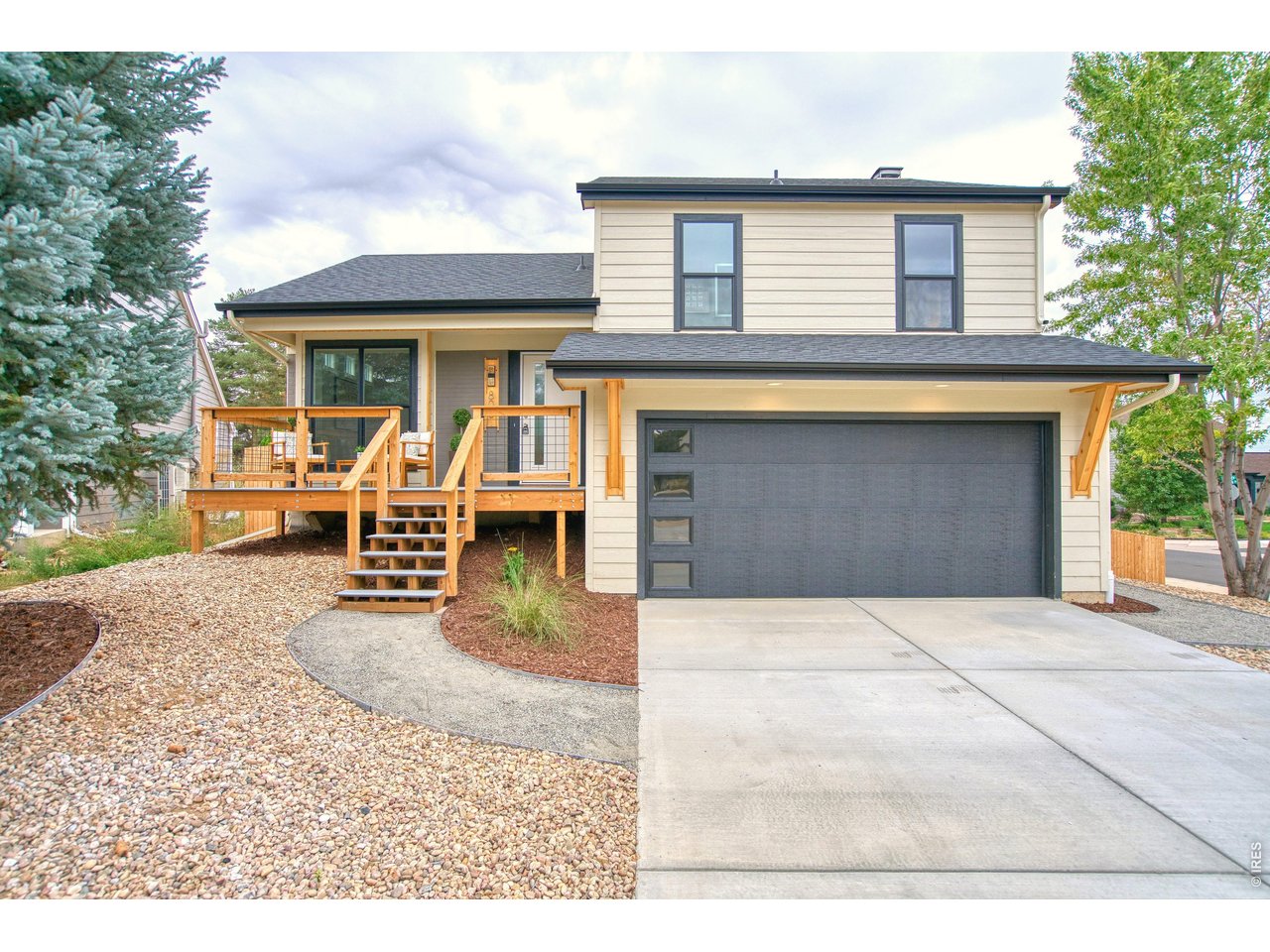
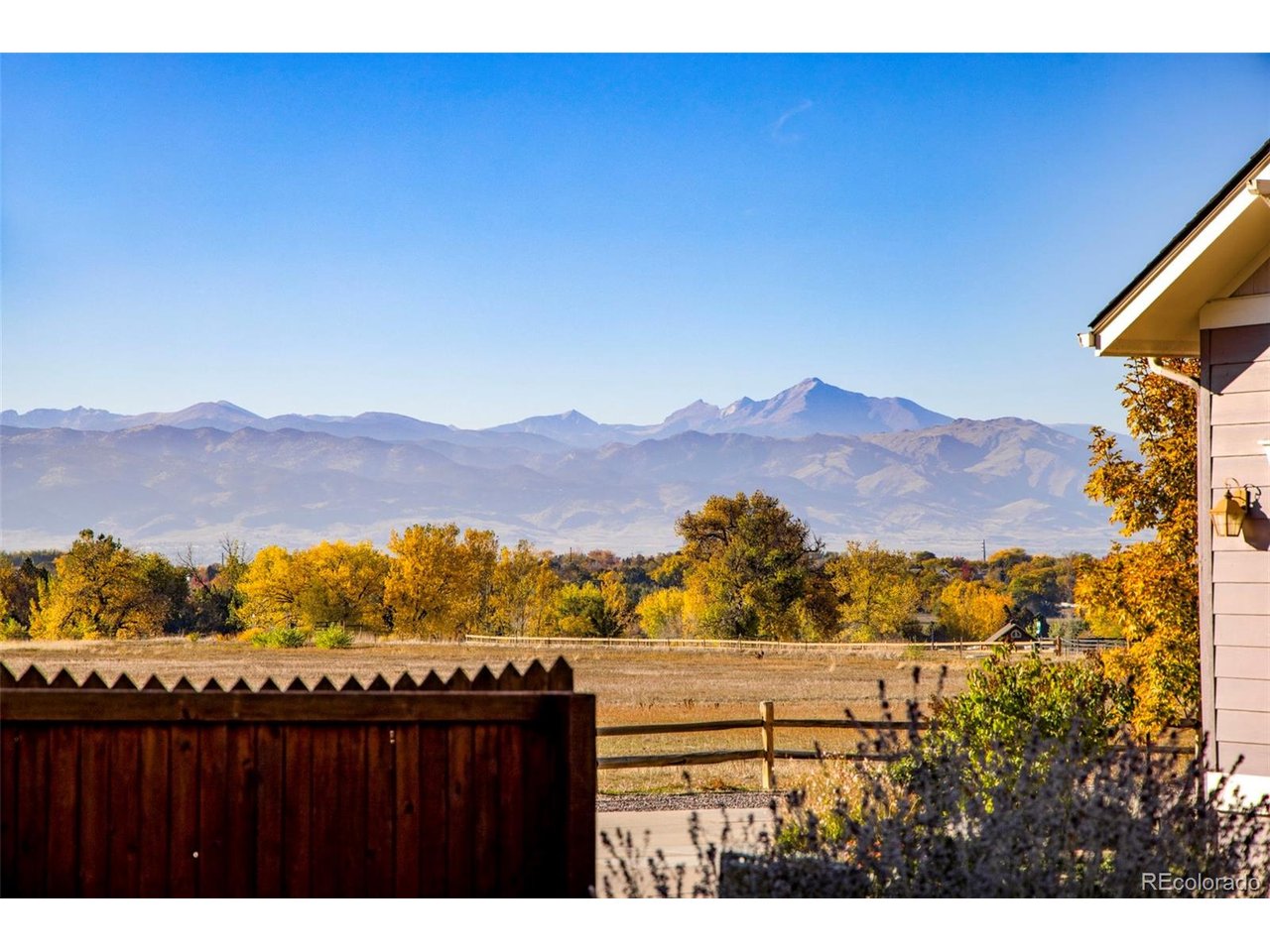
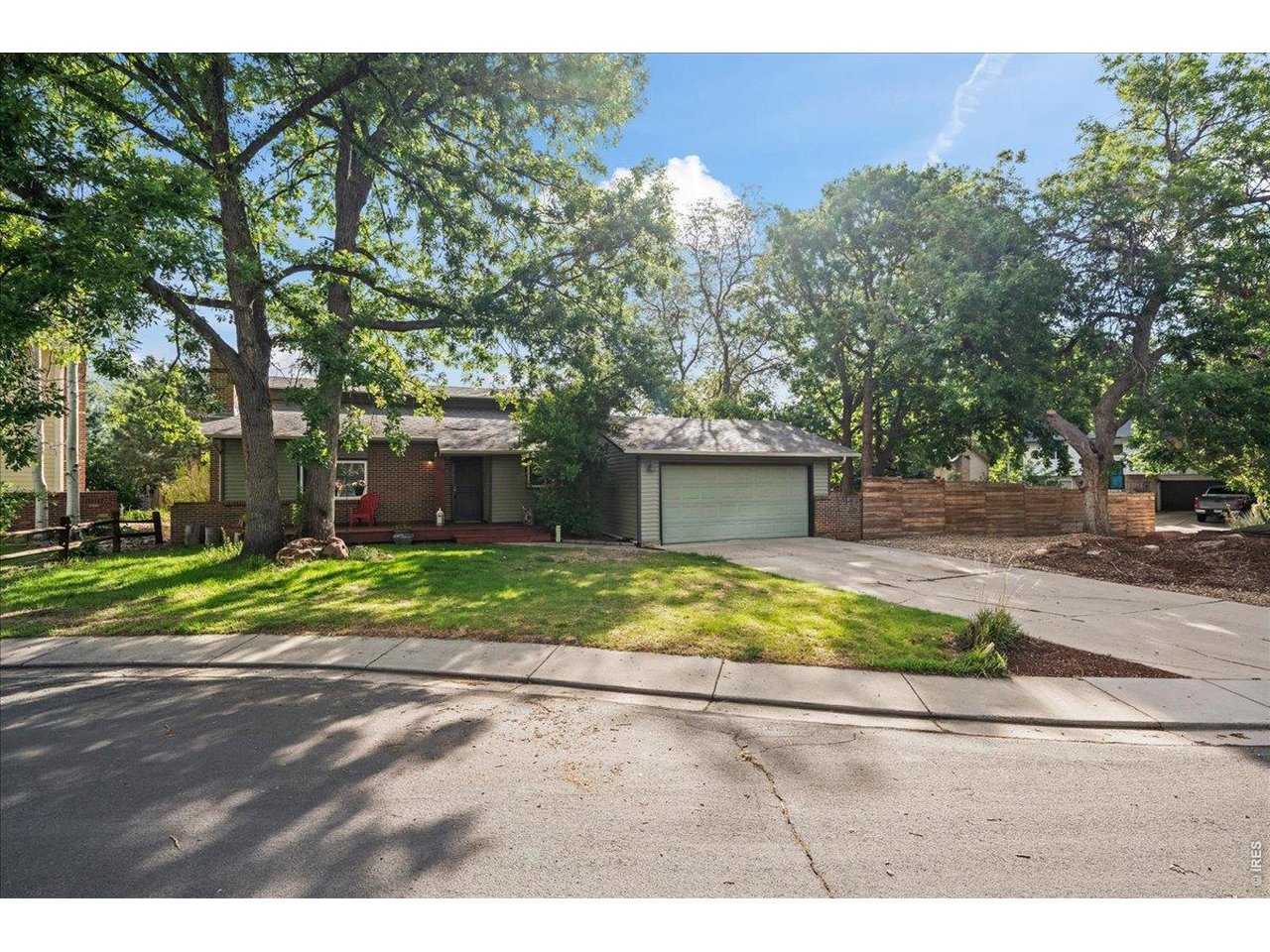
Lafayette is a town with two distinct personalities that work well together. On one side is Old Town, the walkable historic core centered on Public Road, where century-old miners' cottages sit a few blocks from craft breweries, bakeries, galleries, and the plaza where much of the town's community life happens. On the other side are the newer residential neighborhoods spread across the rest of the city, including golf course communities, lake-adjacent subdivisions, and larger-lot estates on the eastern edges with wide-open Front Range views.
What ties it together is a strong sense of community and a deep commitment to open space. Lafayette residents show up for their events, from a January oatmeal festival to monthly summer art nights, and the city has invested heavily in parks, preserves, and trail connections. Waneka Lake Park, the Coal Creek Trail, and the Bob L. Burger Recreation Center are woven into daily life for most households.
Public schools here are part of the Boulder Valley School District, which is one of the biggest reasons families choose Lafayette over communities just across the county line. Add a reasonable commute to Boulder, Broomfield, and Denver, and you have a town that appeals to young families, established professionals, and downsizers alike.
Understanding Lafayette's history helps explain why Old Town looks and feels the way it does, and why historic homes there carry the value they do.
Long before settlers arrived, this land was home to the Northern Arapaho and Cheyenne peoples. In 1863, Lafayette Miller and his wife, Mary Miller, came to Colorado by wagon train from Iowa and homesteaded along what is now Baseline Road, running a farm and stagecoach stop. After Lafayette Miller died in 1878, Mary ran the farm on her own while raising six children.
Everything changed in 1884, when coal was discovered beneath the Miller property. Mary set aside land and platted the original townsite in 1888, naming it after her late husband. The town was incorporated in 1890. Mary was a committed prohibitionist and wrote anti-saloon restrictions into the deeds of the original town lots, which kept parts of Lafayette "dry" for decades. She later founded the Lafayette Bank in 1900, becoming one of the first women in the country to serve as a bank president.
From the late 1880s through the 1930s, Lafayette was a working coal town in Colorado's Northern Coalfield. Mines like the Simpson Mine drew immigrant families from across Europe, and the small cottages they lived in still line streets like Simpson, Chester, and Emma today. Mining was dangerous and poorly paid, and Lafayette miners played a real part in Colorado's labor movement, including the Long Strike of 1910 to 1914 and the 1927 coal strike that led to the deadly confrontation at the nearby Columbine Mine. In the aftermath, Josephine Roche took over the Rocky Mountain Fuel Company and partnered with the United Mine Workers of America to improve conditions for local miners.
As natural gas and oil replaced coal, the mines closed, with the last major mine shutting in 1956. Lafayette leaned on agriculture and small manufacturing for a time, then grew into a residential suburb as the Denver-Boulder corridor expanded. Today, that history is preserved in Old Town's original structures, local historical markers, and the Lafayette Miners Museum.
Lafayette offers one of the more accessible entry points into Boulder County real estate. Buyers typically get more square footage per dollar here than in Boulder or Louisville, while still benefiting from BVSD schools and long-term appreciation tied to the broader Boulder County market.
The market has settled into a more balanced pace than the frenzy of recent years. Well-priced homes in desirable neighborhoods still tend to go under contract within three to four weeks, but buyers now have more room to negotiate on inspection items, closing costs, and timelines. Homes that are overpriced or need significant work are sitting longer, which is where strategy on both sides matters most.
Market Metric | Typical Range |
|---|---|
Average home value | ~$665,000 – $700,000 |
Median days on market | 22 – 50 days, depending on price point and condition |
Sale-to-list price ratio | ~95% – 99% |
Average residential rent | ~$2,190 / month |
Market figures shift month to month. For current pricing on a specific neighborhood or property, contact our team for an up-to-date analysis.
For sellers, steady demand from people working in Boulder's tech, healthcare, and education sectors keeps Lafayette competitive, especially for move-in-ready homes. For buyers, the key is knowing which pockets of town are moving fast and which leave room to negotiate. That micro-level difference can be significant even within the same zip code.
Lafayette's neighborhoods vary widely in age, lot size, and lifestyle. Here's how the most popular areas compare.
Neighborhood | Best For | Typical Homes |
|---|---|---|
Old Town | Walkability, character, no-HOA living | Historic cottages, bungalows, modern infill |
Indian Peaks | Golf, views, established amenities | Single-family homes, executive homes, townhomes |
Waneka Lake area | Families, trail and park access | Traditional single-family homes with mature landscaping |
Blue Heron Estates | Space and privacy | Custom and semi-custom homes on larger lots |
White Hawk Ranch & Spring Creek | Acreage and open views | Custom estates on ¾-acre to multi-acre lots |
Anna's Farm & Centaur Village | First-time buyers and young families | Mid-sized single-family homes and patio homes |
Indian Peaks
Built around the 18-hole Indian Peaks Golf Course, this master-planned community is one of Lafayette's best-known neighborhoods. Many homes enjoy sweeping views of the Front Range and the Indian Peaks Wilderness, and the neighborhood has a mix of single-family homes, larger executive properties, and low-maintenance attached homes. It's a strong fit for buyers who want established amenities and a polished, cohesive neighborhood feel.
Waneka Lake Area
Neighborhoods surrounding Waneka Lake Park are consistently in demand, largely because of direct access to the lake loop, playgrounds, and wildlife areas. Homes here are mostly late-20th-century single-family homes on lots with mature trees. For families who want the park to function as an extension of their backyard, this area is hard to beat.
Old Town Lafayette
Old Town is the historic heart of the city and the most walkable part of Lafayette. It has its own section below because it behaves differently from the rest of the market.
Blue Heron Estates
Blue Heron offers larger custom and semi-custom homes on bigger lots, with community amenities including a neighborhood pool and park space. Buyers who want more room and a quieter setting, without moving out to acreage, often look here.
White Hawk Ranch and Spring Creek
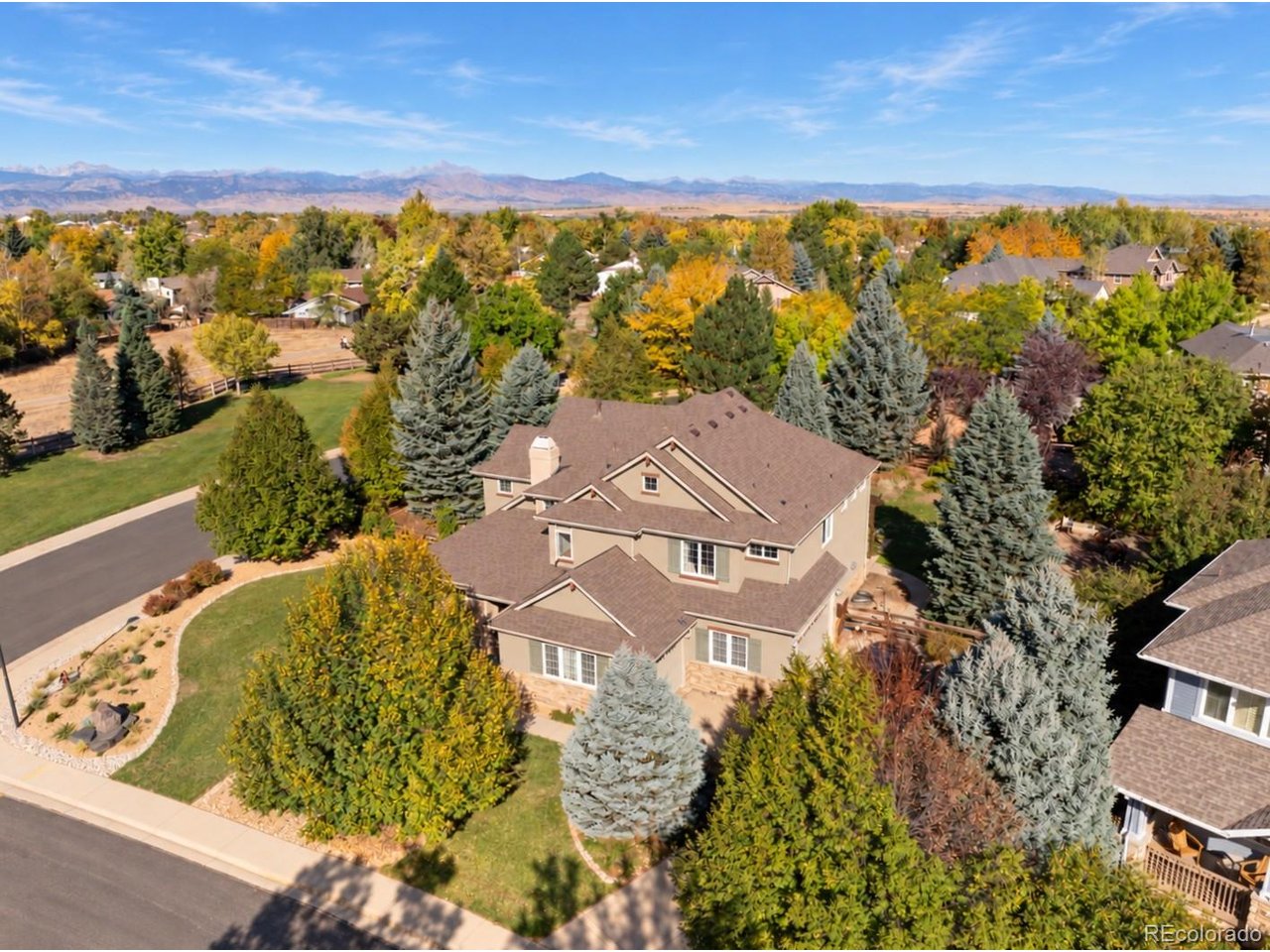
On Lafayette's outer edges, these neighborhoods blend suburban convenience with a semi-rural feel. Expect larger custom homes on generous lots, open pasture surroundings, and big mountain views. These areas appeal to buyers who want space, privacy, and room for outdoor living.
Anna's Farm and Centaur Village
These family-friendly neighborhoods offer some of the more approachable price points in Lafayette, with mid-sized single-family homes and patio homes close to schools, including Centaurus High School, and regional bike paths. They're often where first-time buyers and growing families find their footing in Boulder County.
Old Town is its own submarket. Inventory is limited, homes are tightly held, and no two properties are quite alike. Because of its historic character and proximity to Public Road, Old Town homes often command a premium relative to their square footage.
Single-family homes here generally range from around $550,000 for smaller historic cottages or properties needing work, to $1,000,000 and up for fully restored Victorians, custom infill builds, or multi-unit income properties. Lots follow the original 19th-century town grid, from compact lots around 4,000 square feet to double lots over 8,000 square feet. Alley access, detached garages, mature trees, and covered front porches are common, and many Old Town homes come with no HOA fees or restrictive covenants.
A few things we advise every Old Town buyer to consider:
Lafayette's housing stock reads like a timeline of the town's growth, which gives buyers a wide range of styles and price points to choose from.
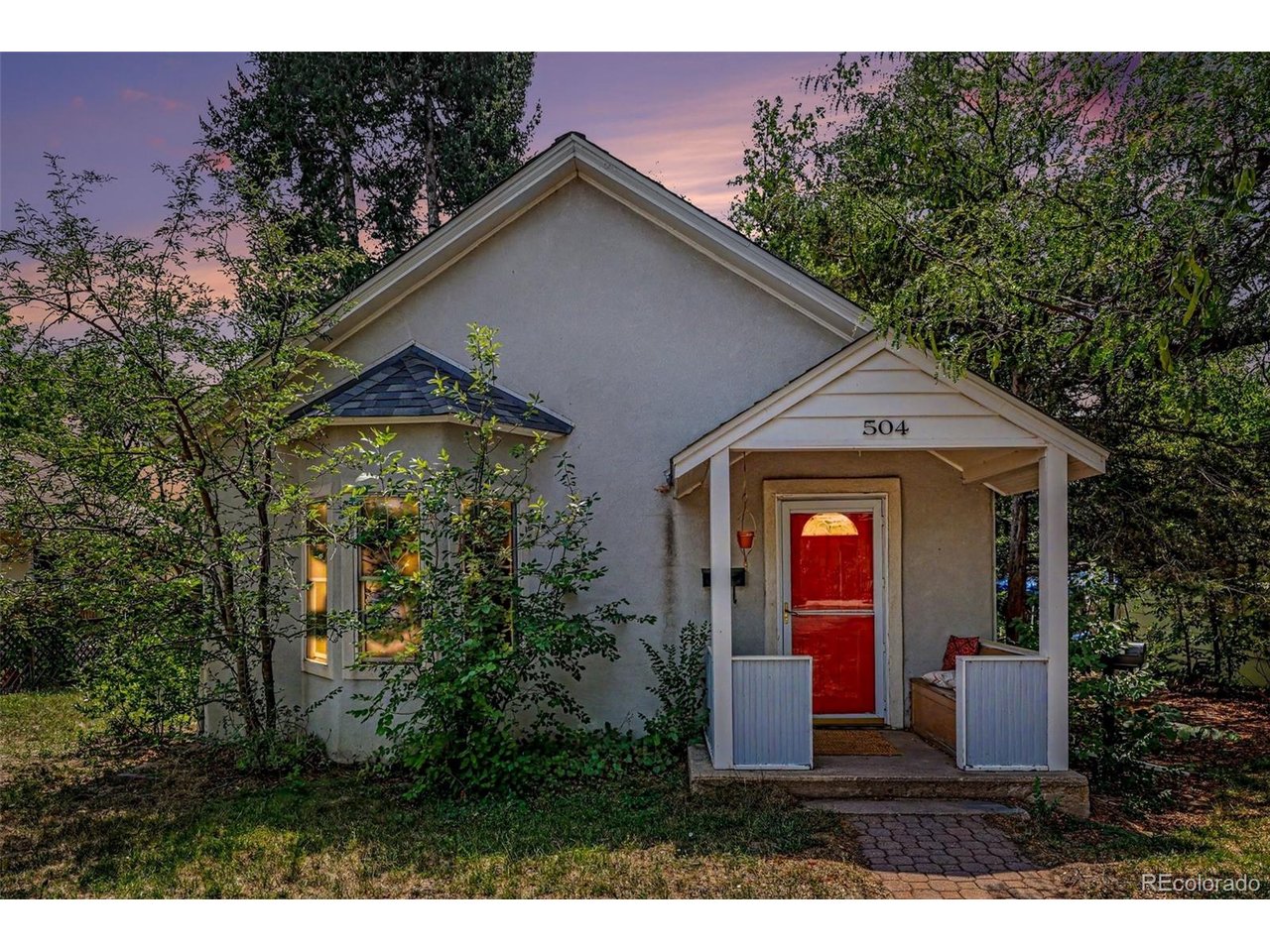
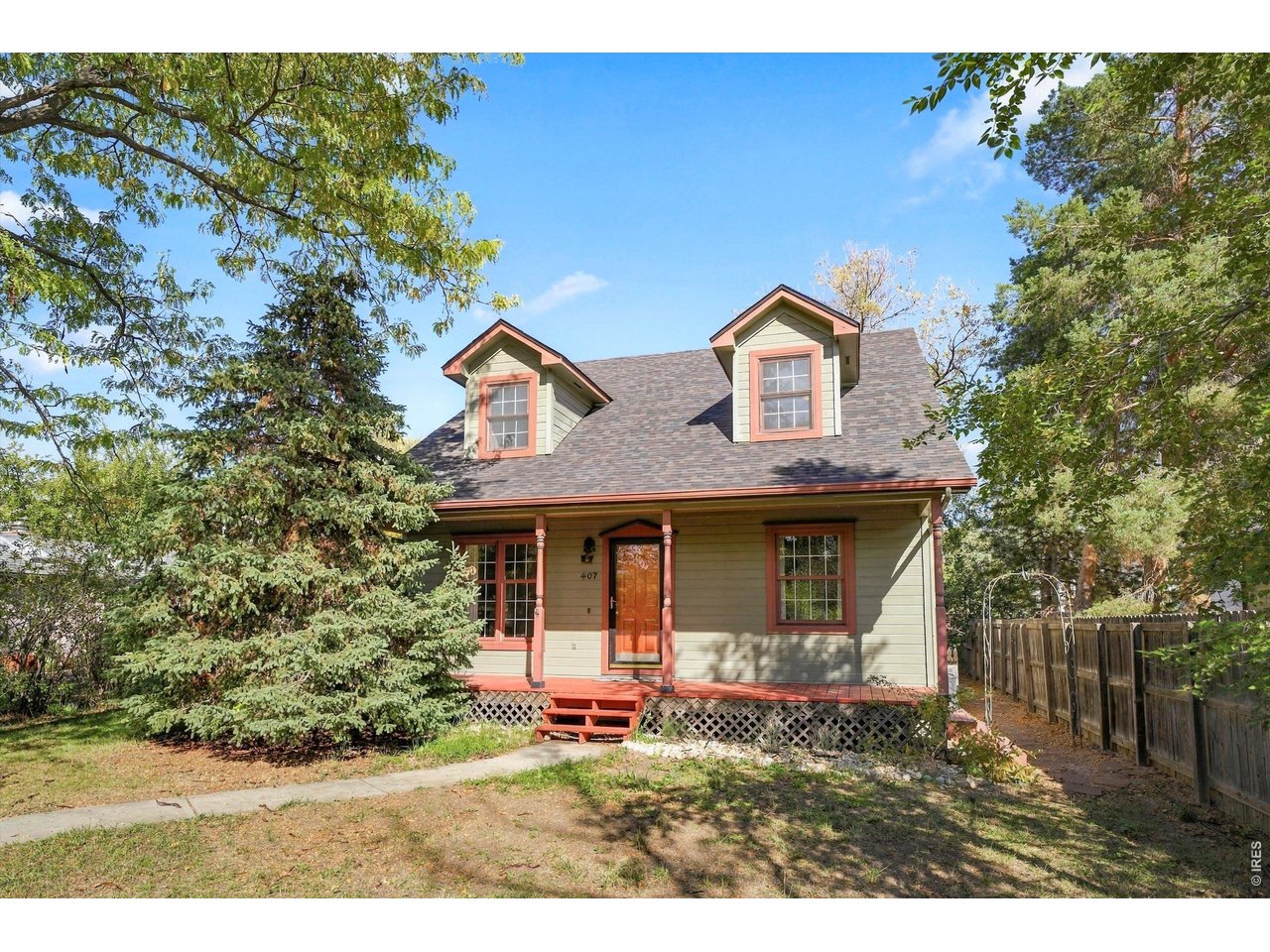
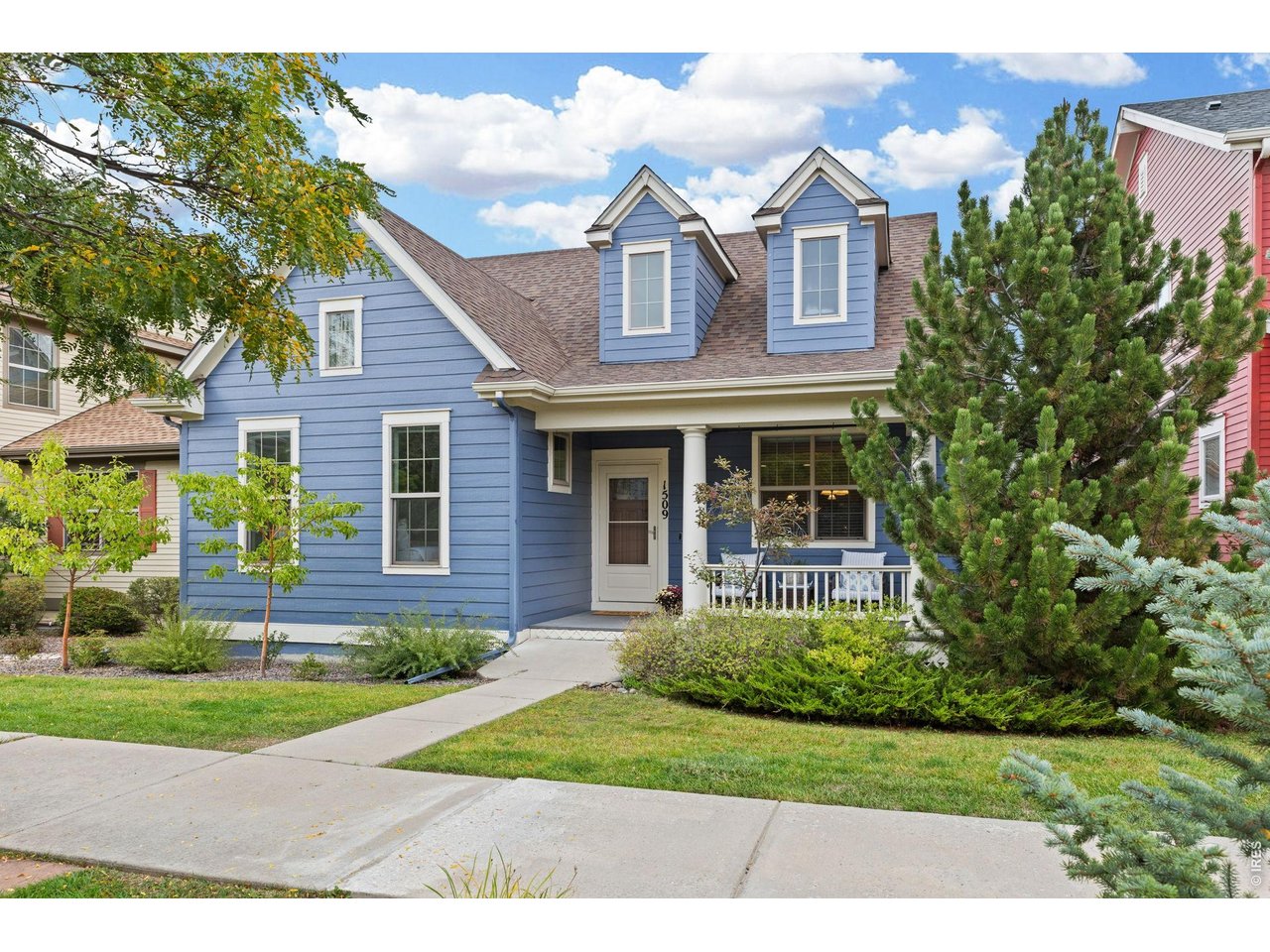
Historic miners' cottages and Victorians (1880s–1920s) are concentrated in Old Town along streets like Simpson, Chester, Emma, and Baseline. These are typically single-story or story-and-a-half homes under 1,500 square feet, with wood or brick exteriors and large front porches. Many have been fully updated inside while keeping their historic curb appeal.
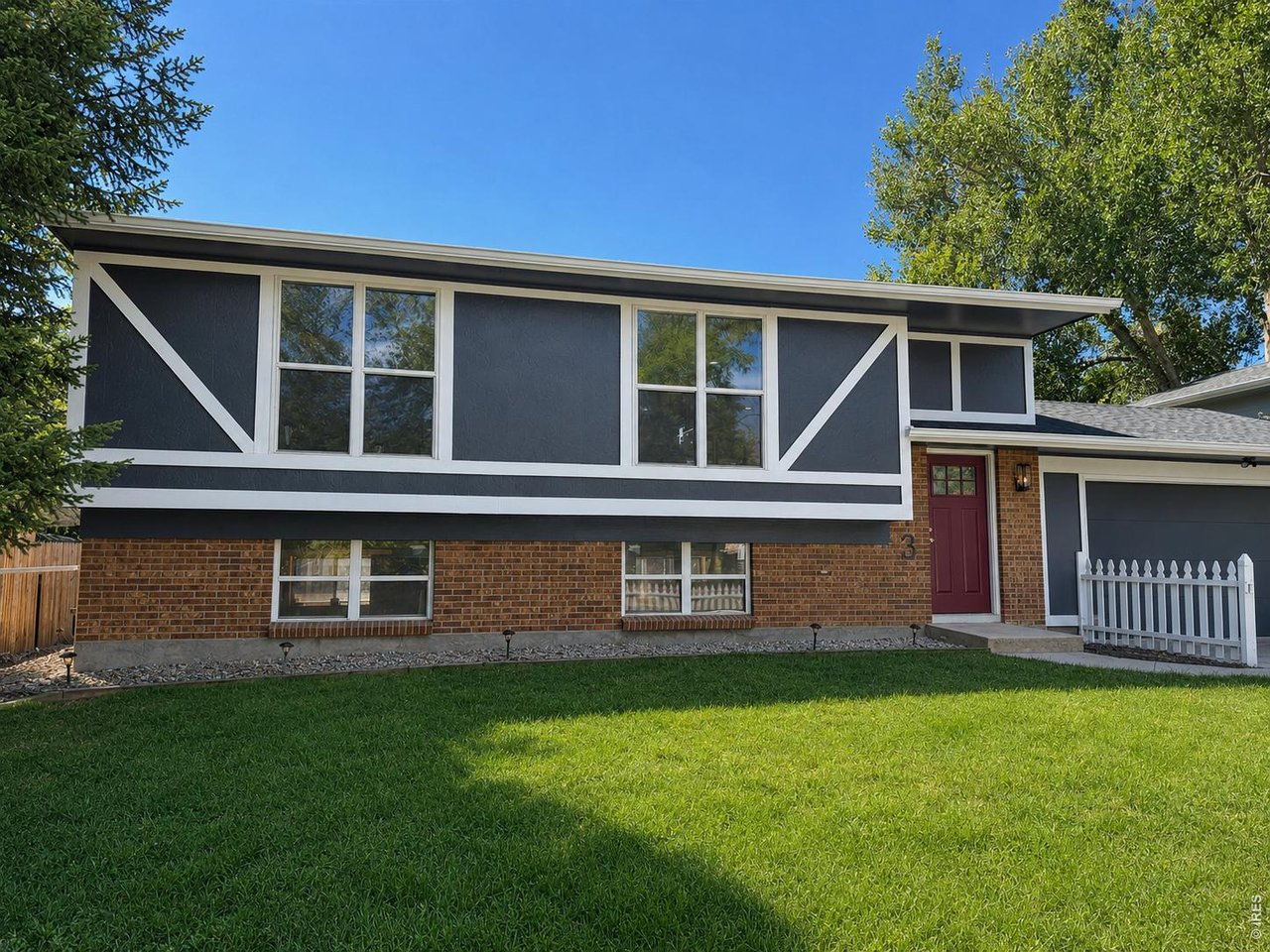
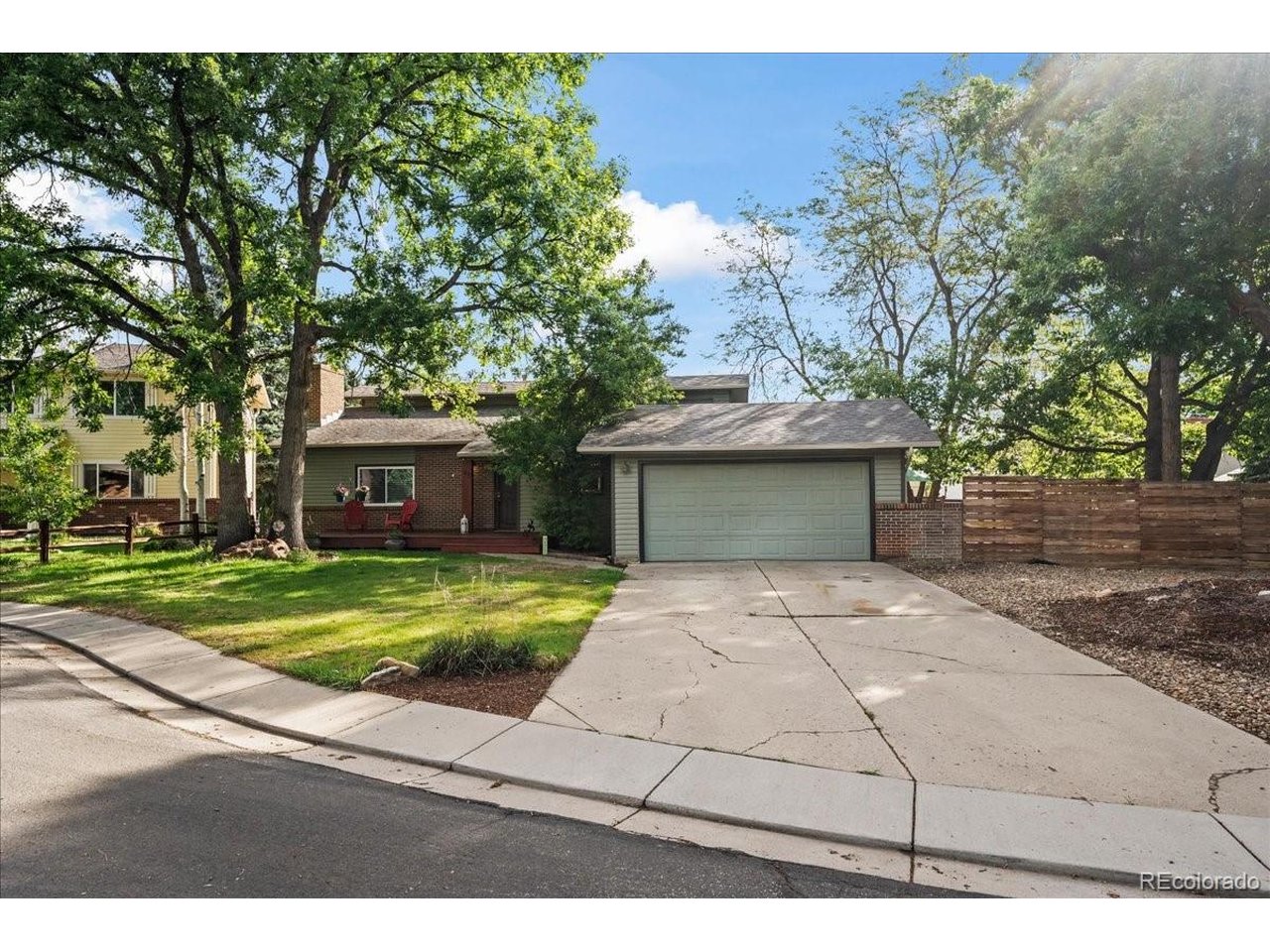
Mid-century ranch and split-level homes (1950s–1970s) are found in neighborhoods like Centaur Village. They offer main-level living, basements, larger lots with mature trees, and solid bones that make them popular with buyers planning renovations.
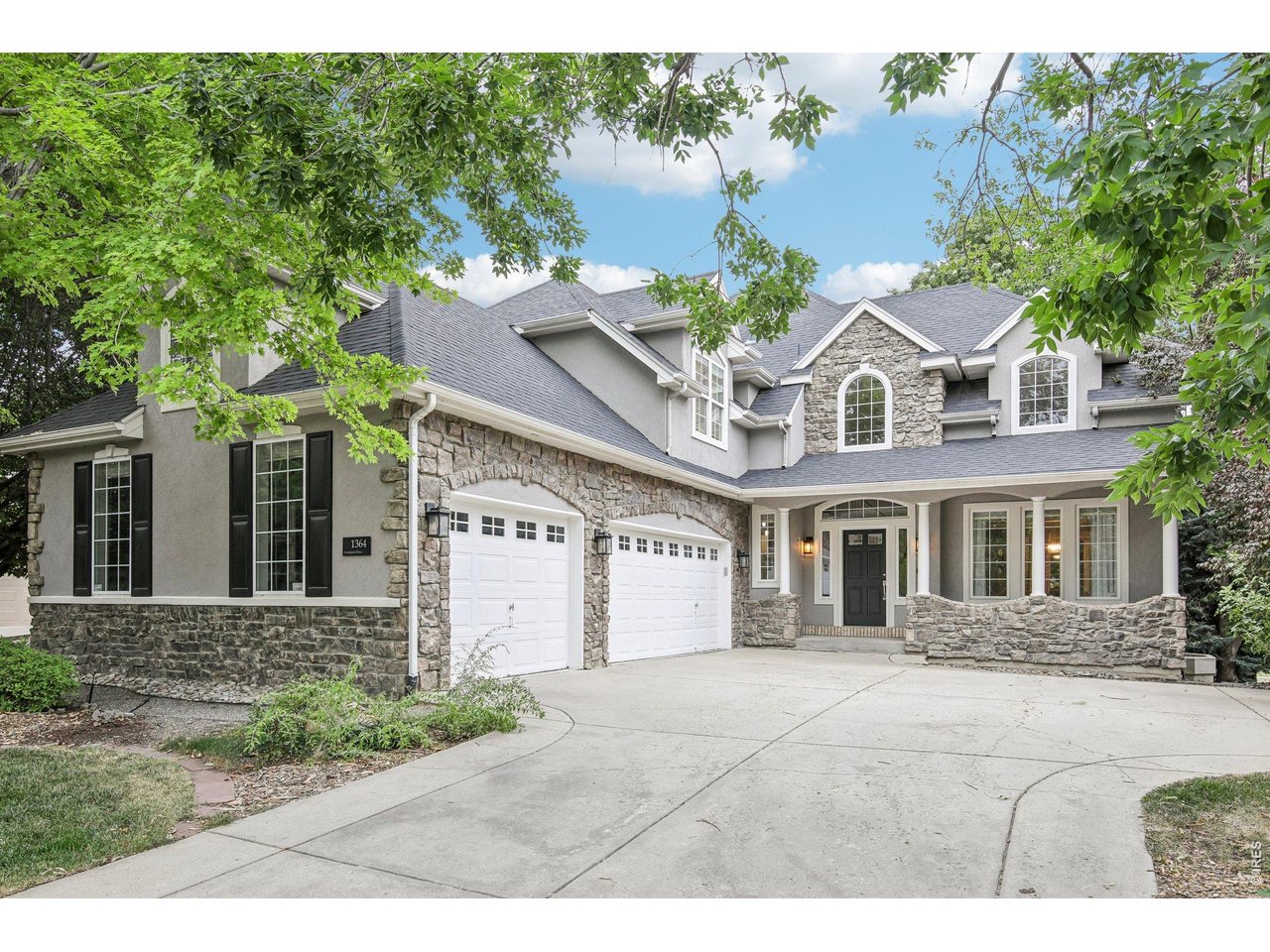
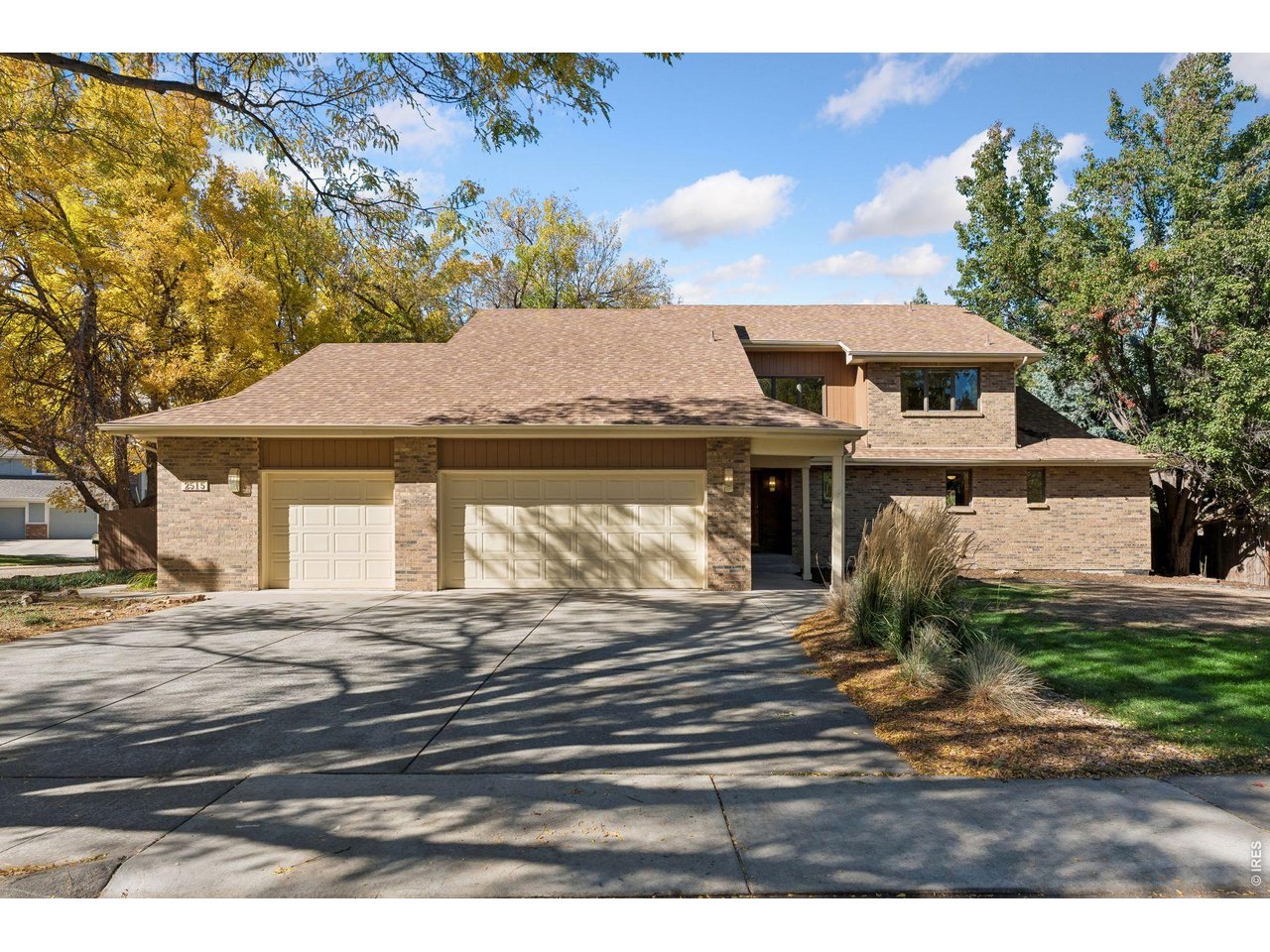
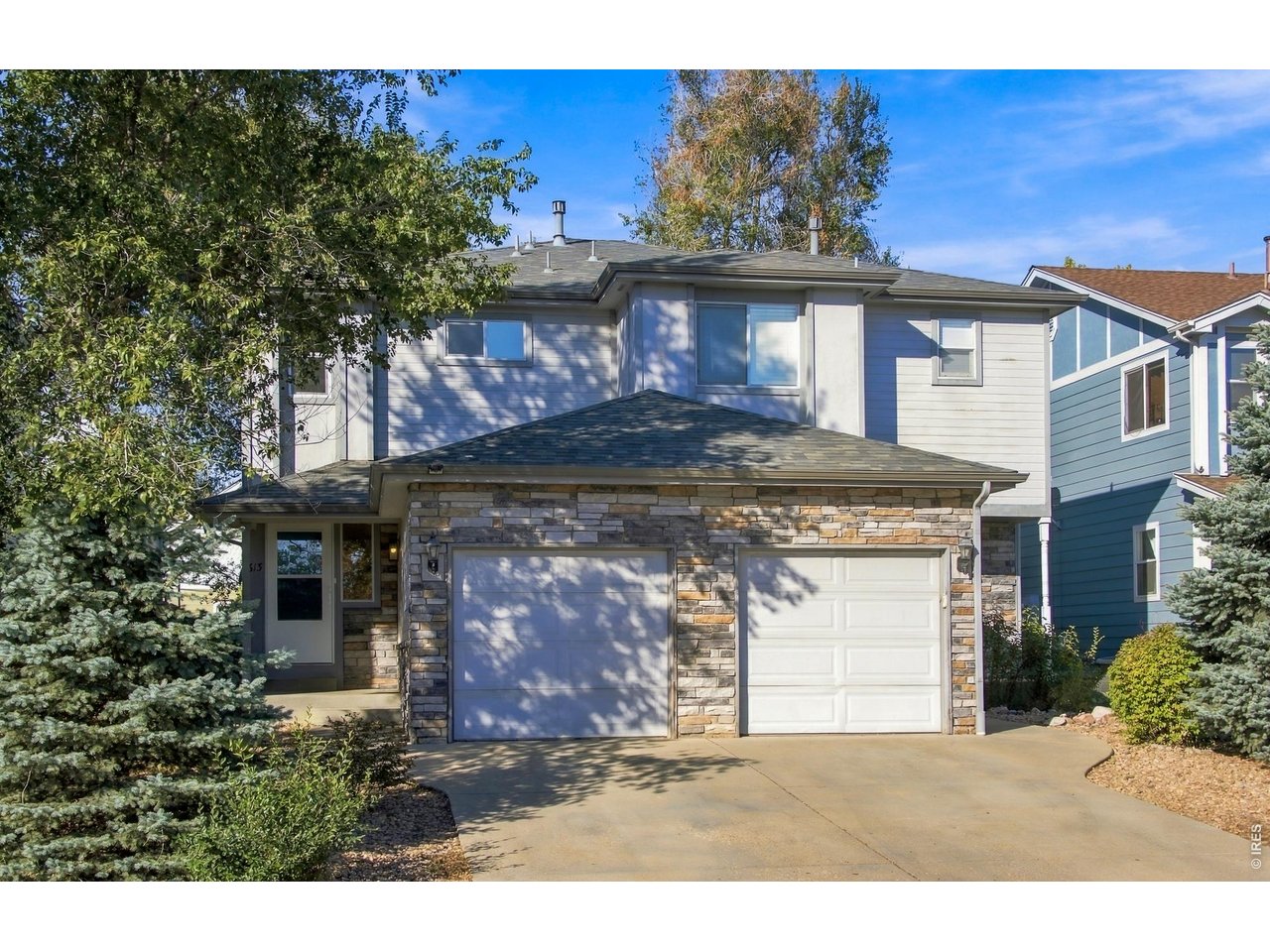
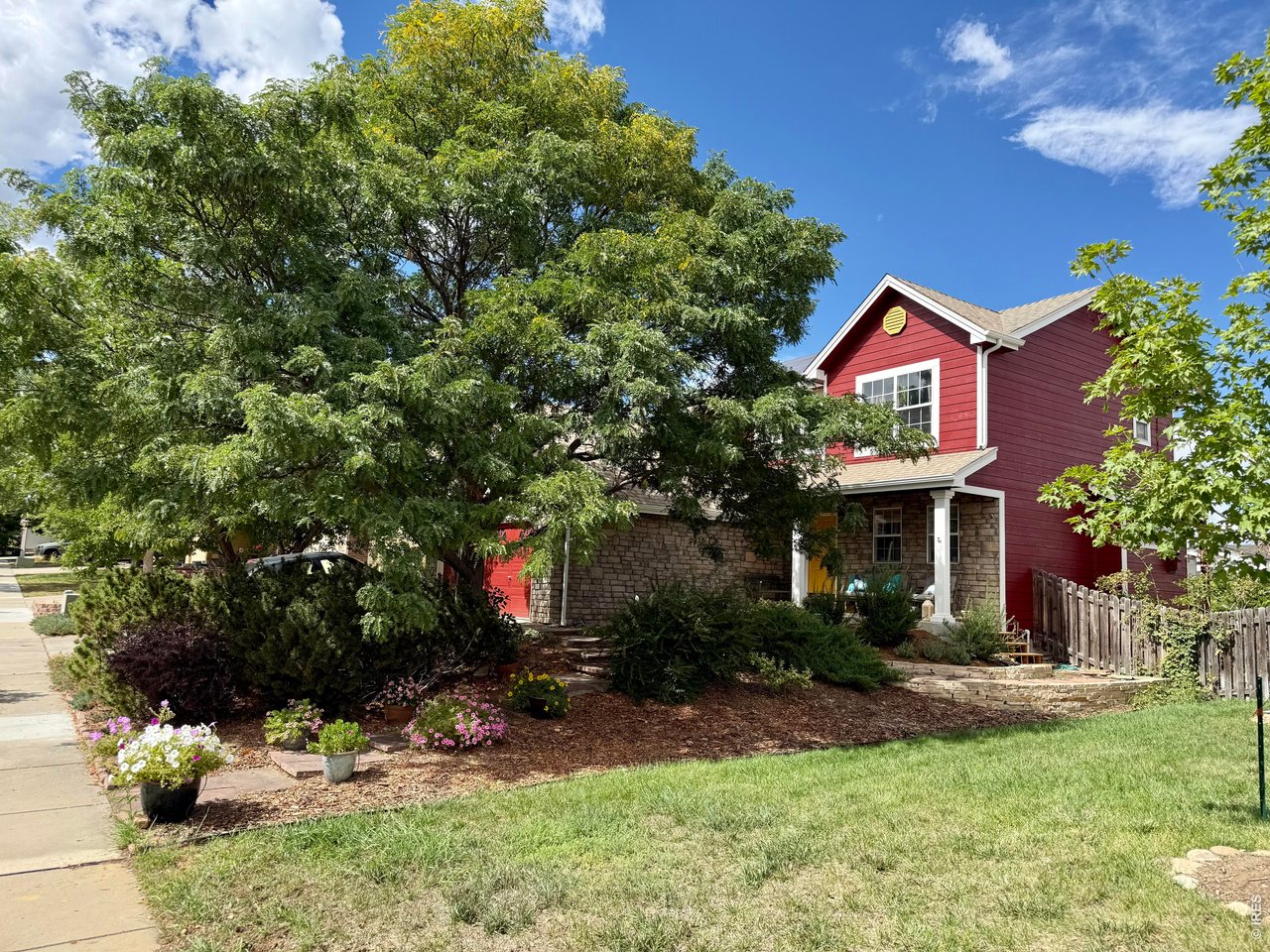
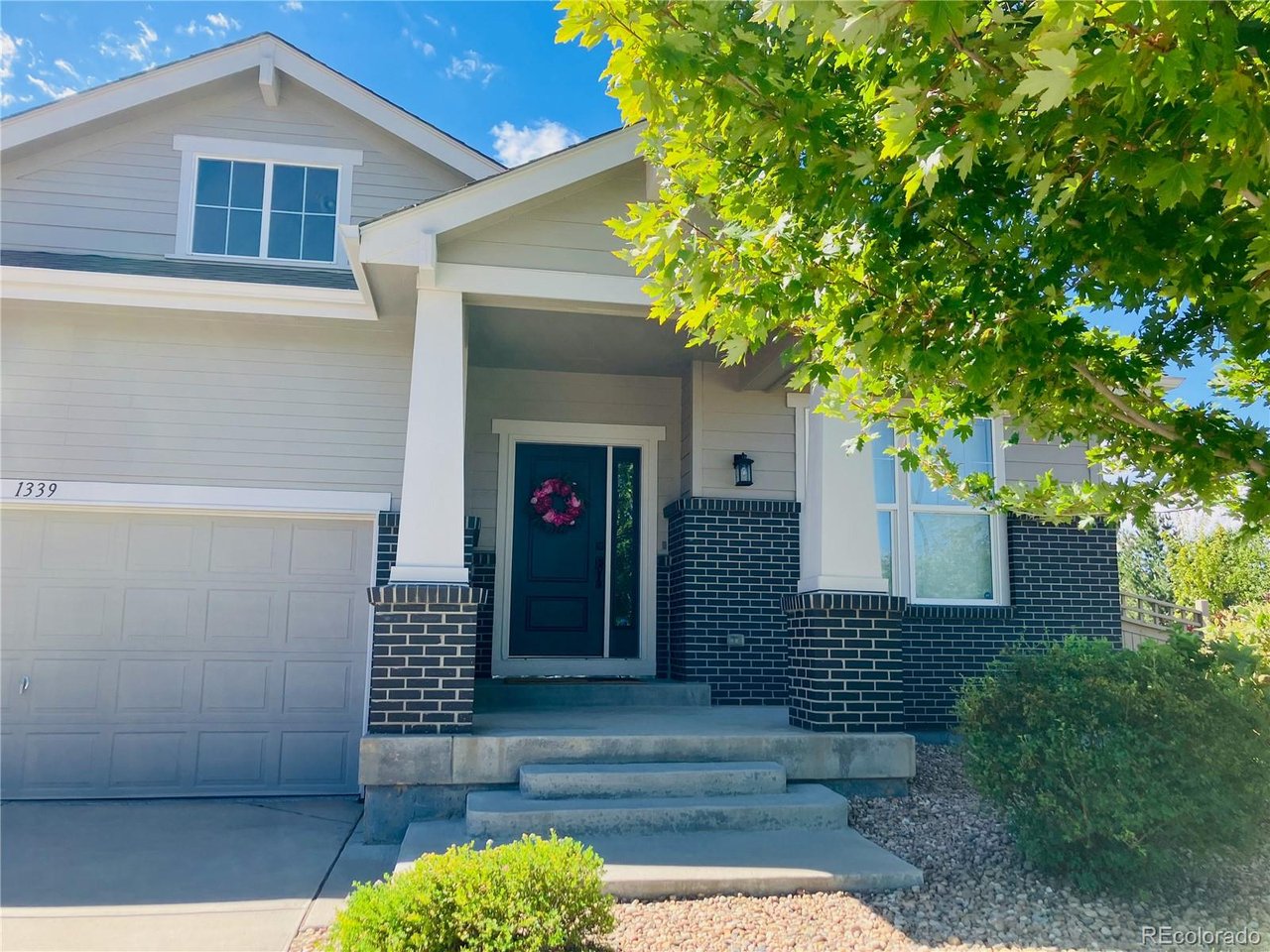
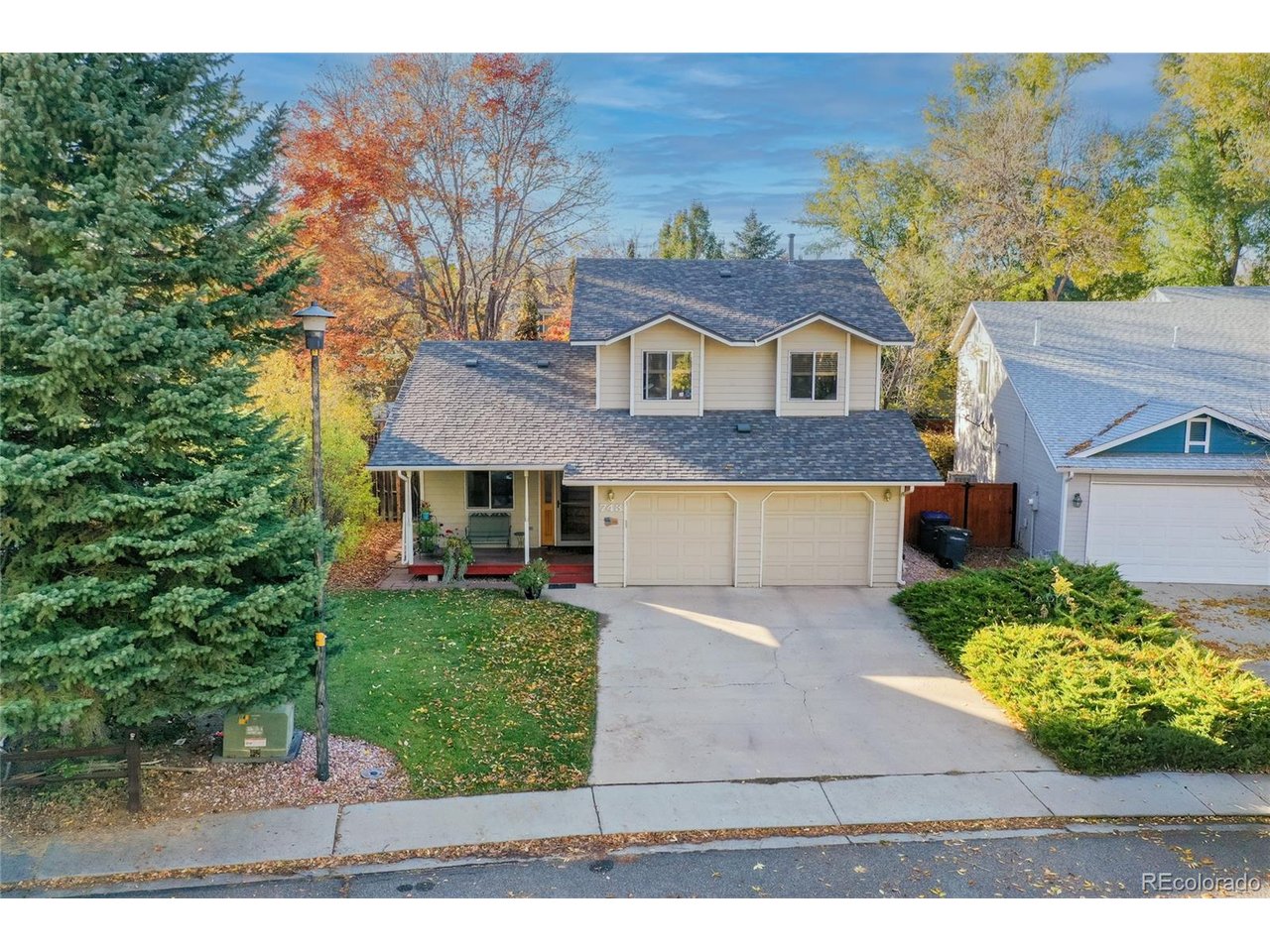
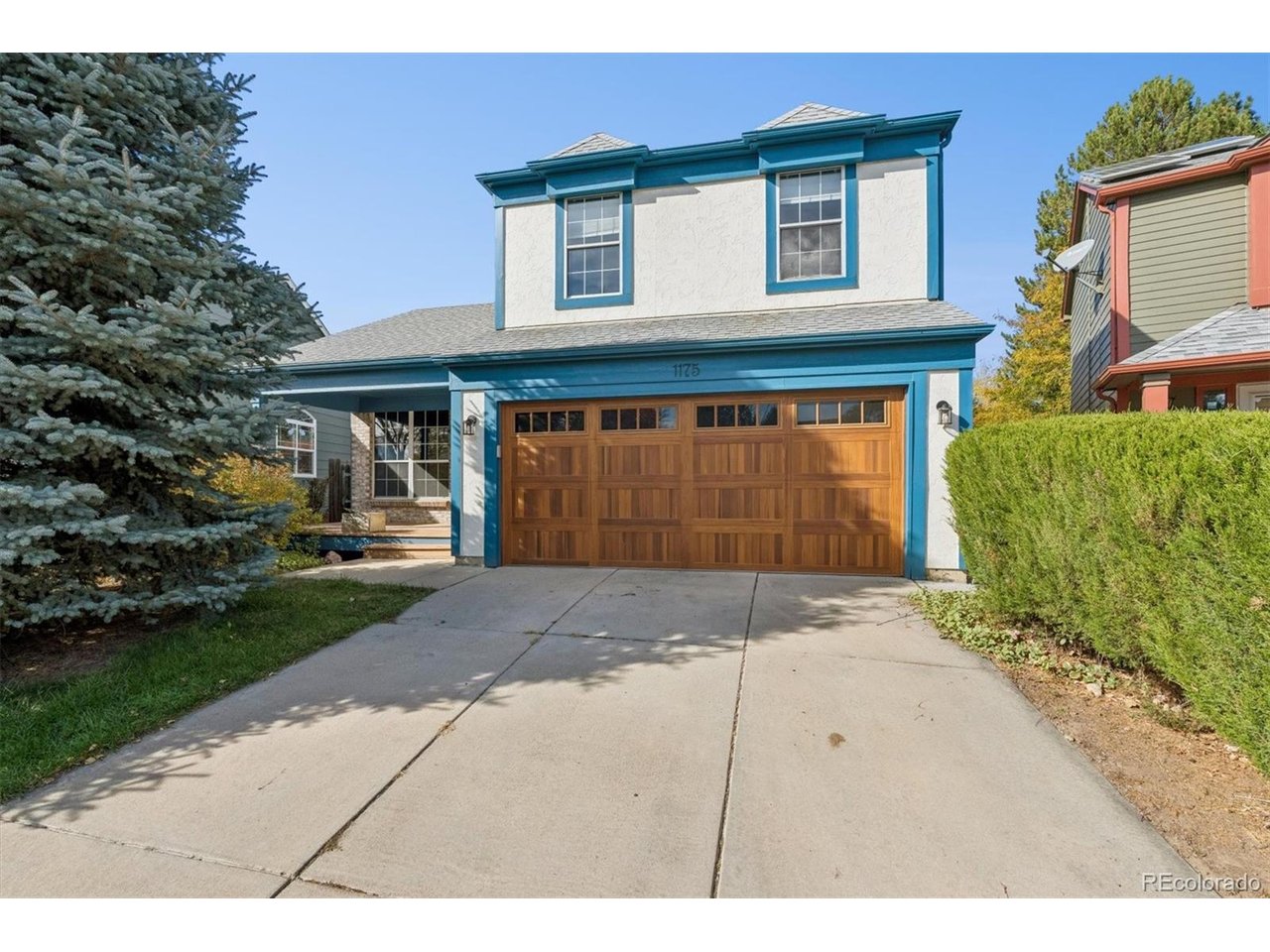
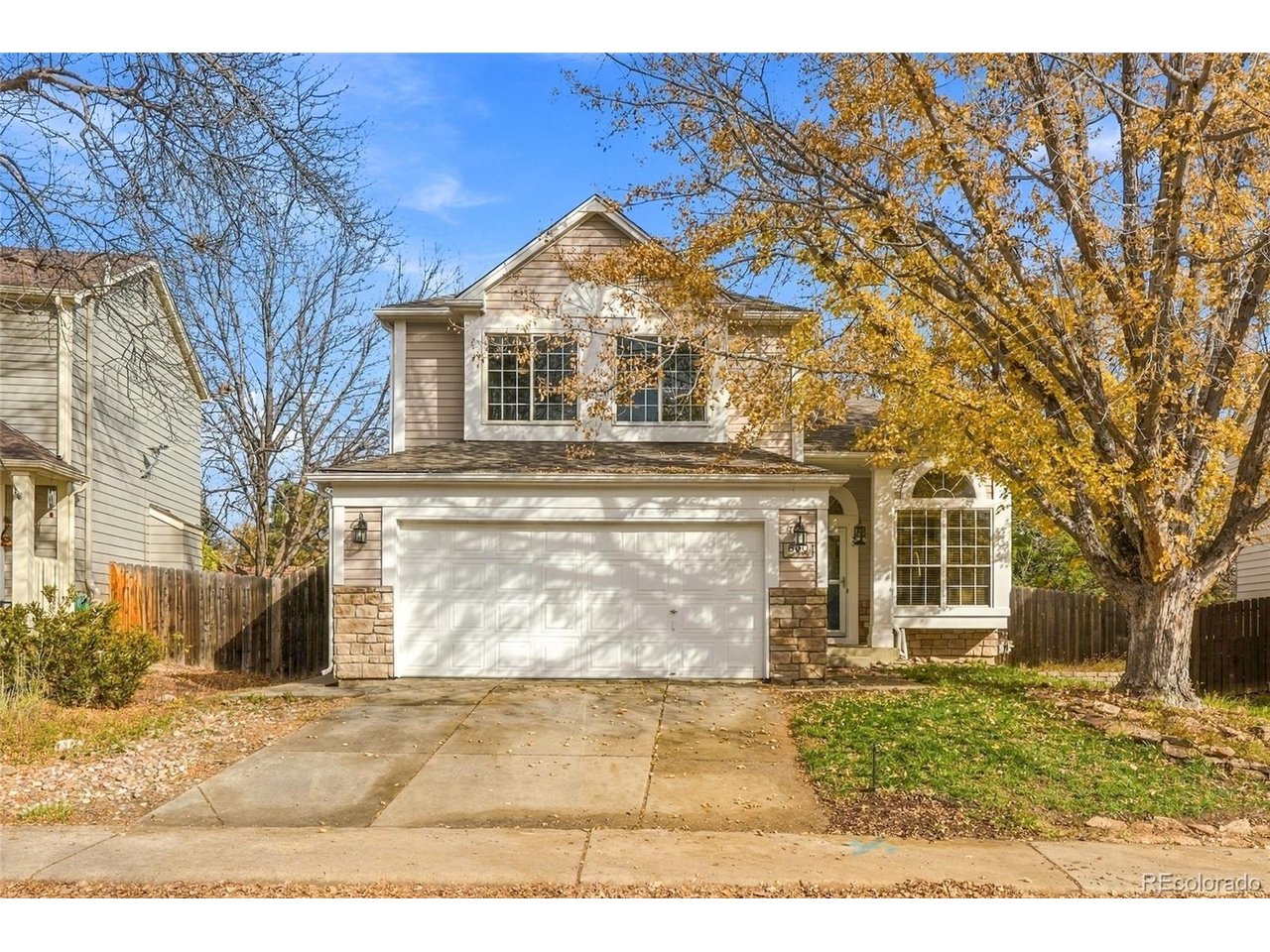
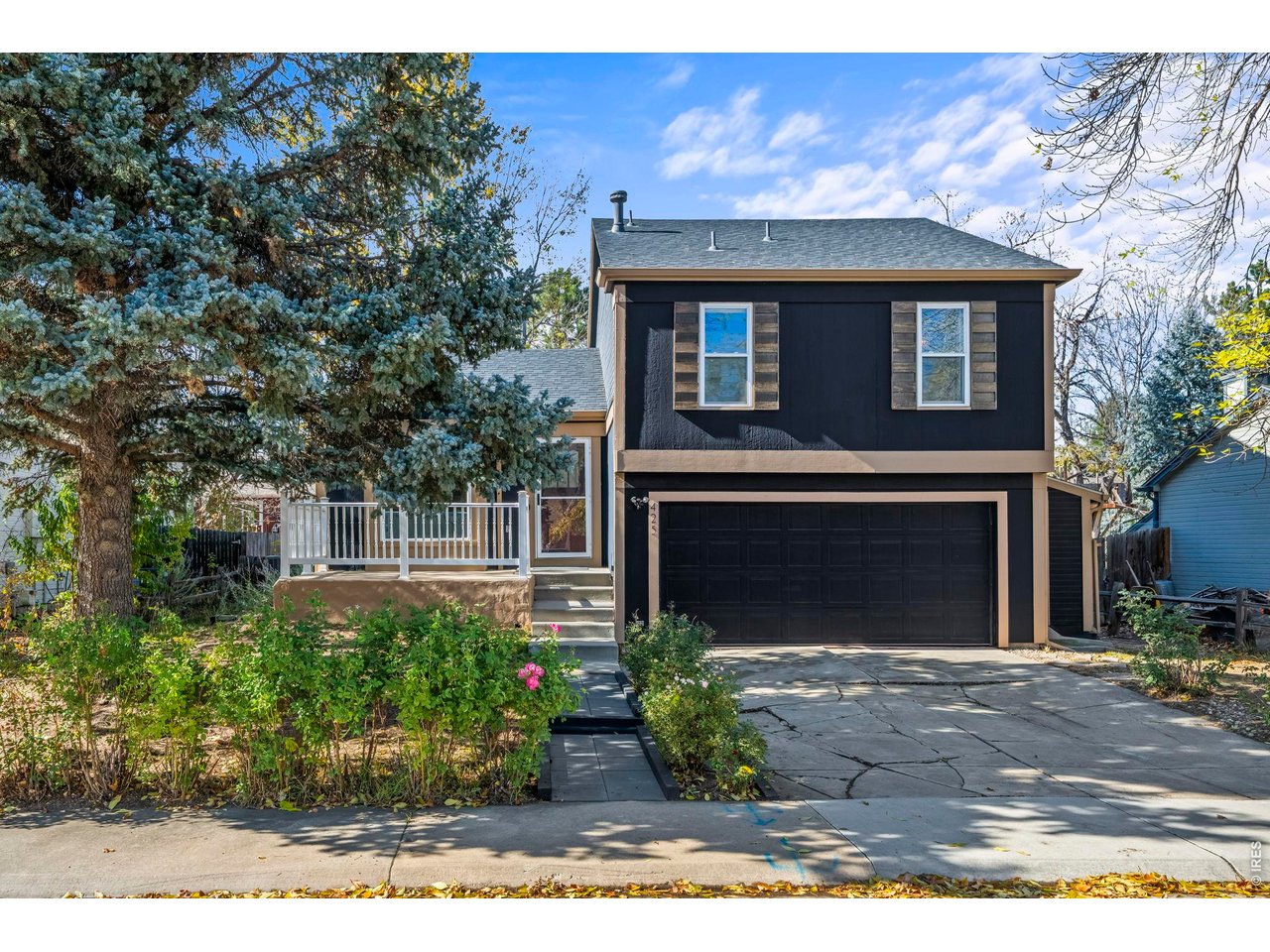
Modern suburban single-family homes (1980s–2000s) make up much of the Waneka Lake area, Indian Peaks, and Spring Creek. Expect two-story layouts, attached two- to three-car garages, open floor plans, and easy access to neighborhood parks and trails.
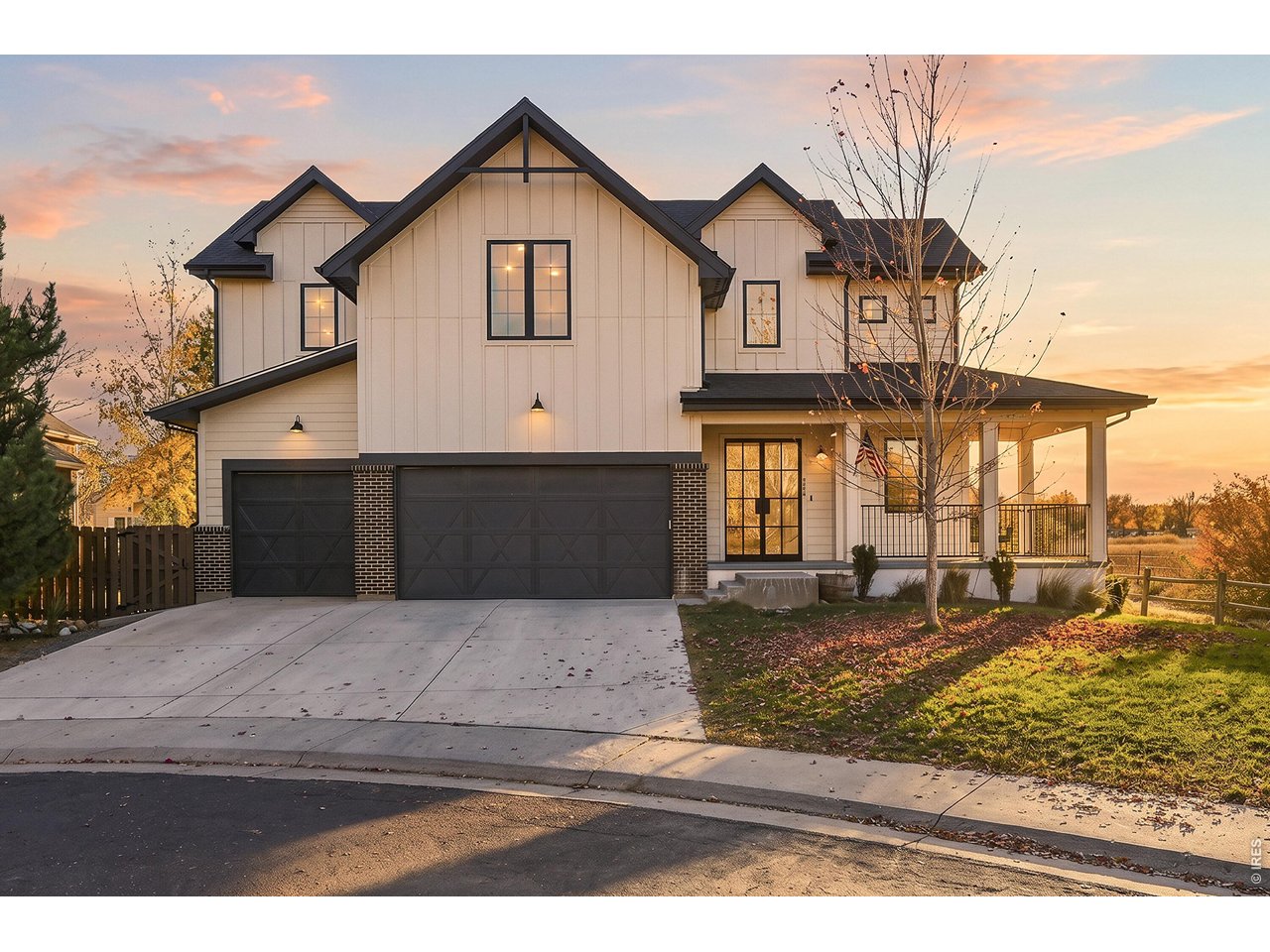
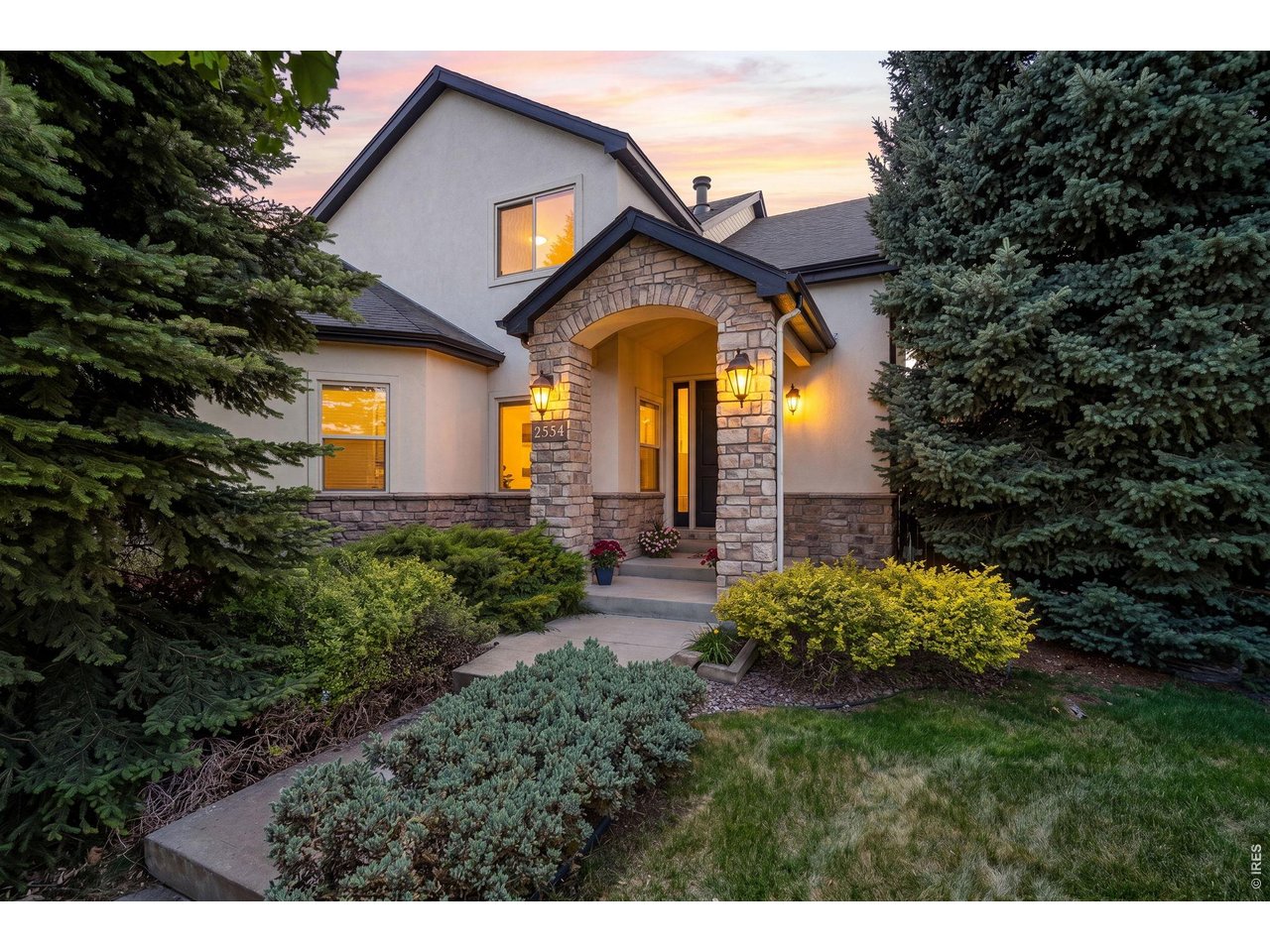
Custom and luxury estates (2000s–present) are found in Blue Heron Estates, White Hawk Ranch, and around Indian Peaks Golf Course. These homes often range from 3,500 to over 6,000 square feet, with chef's kitchens, main-floor primary suites, custom stone and timber exteriors, and sweeping Front Range views.
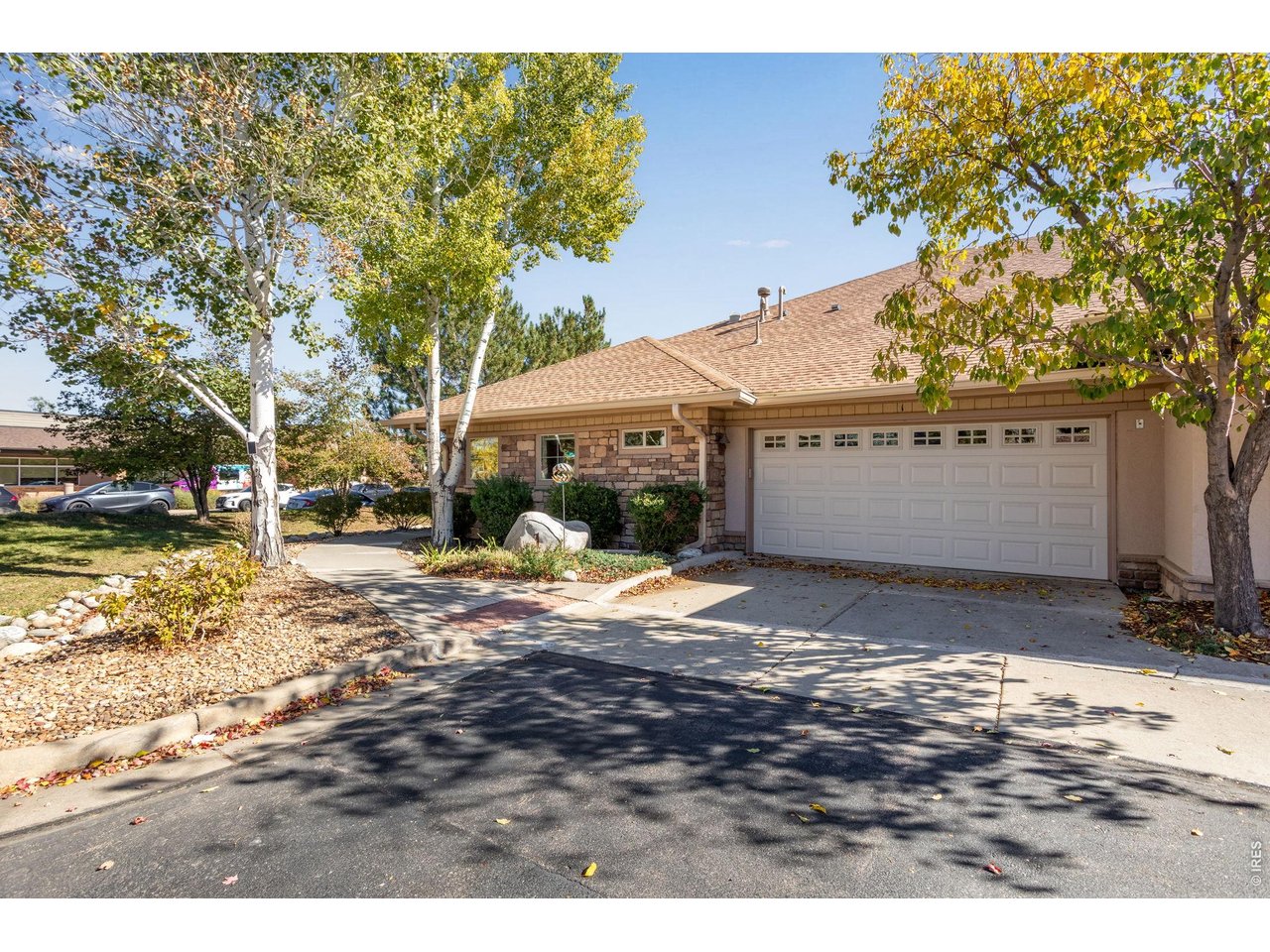
Townhomes, condos, and urban infill (2010s–present) are appearing in Old Town and along the Highway 287 corridor. These low-maintenance homes often feature rooftop decks, attached garages, and energy-efficient construction, and they appeal to first-time buyers, downsizers, and investors.
Lafayette is served by the Boulder Valley School District, one of the main reasons families choose to buy here. BVSD has an open-enrollment policy, so students can apply to schools outside their neighborhood boundary based on capacity. Your home address still determines your neighborhood school, which is why school boundaries often come up early in our conversations with buyers.
At the elementary level, Lafayette is served by schools including Alicia Sanchez Elementary, Pioneer Elementary, known for its bilingual and biliteracy programming, and Ryan Elementary. Students typically continue to Angevine Middle School and then Centaurus High School, which offers an International Baccalaureate (IB) Diploma Programme.
Lafayette is also home to Peak to Peak Charter School, a nationally recognized K–12 public charter school with a college-preparatory focus and a wide range of Advanced Placement courses. Its presence is a draw for many families moving into town.
School boundaries can change. We always recommend verifying a specific address with BVSD before making an offer.
Open space is part of Lafayette's identity, and the city's parks and trails are a daily part of life for residents.
Waneka Lake Park is the centerpiece. Its walking loop around the lake is a favorite for morning runs and evening strolls, and the park offers paddleboat and kayak rentals in season, picnic pavilions, playgrounds, and an outdoor fitness area. On the north side, the Greenlee Wildlife Preserve offers boardwalks and viewing areas that are popular with birders.
Thomas Open Space preserves a historic farm property with walking paths, heritage farm structures, and community garden plots. Rothman Open Space links residential neighborhoods to the city's central amenities through paved and gravel paths. Dog owners have the Great Bark Dog Park, a fenced off-leash area with trail access.
For longer outings, the Coal Creek Trail runs west into Louisville and east toward Erie, serving runners, cyclists, and bike commuters. The Rock Creek Trail connects southern Lafayette toward Superior and Broomfield with wide views of the foothills. Indoors, the Bob L. Burger Recreation Center offers pools, fitness facilities, and programs for all ages, including active adults.
Lafayette punches above its size when it comes to arts and local culture. Its public art collection includes sculptures, murals, and installations scattered through Old Town and along trail connections, which makes even a casual walk feel interesting.
History lovers should visit the Lafayette Miners Museum on East Simpson Street, which houses artifacts and equipment from the town's coal mining and homestead years. Families with young kids will find the WOW! Children's Museum a dependable go-to, with hands-on exhibits focused on science, art, and imaginative play.
Lafayette also has a well-earned reputation for craft beer. Odd13 Brewing on East Simpson Street is a local staple known for its hazy IPAs and comic-book-inspired artwork. Cellar West Artisan Ales specializes in barrel-aged farmhouse ales and lagers, and The Post Chicken & Beer serves fried chicken and house beers in a refurbished former VFW post.
Public Road is the main street of Old Town and the most walkable stretch of Lafayette. It's lined with independent restaurants, coffee shops, bakeries, vintage stores, gift shops, and small boutiques, most of them locally owned. Weekends bring a steady flow of residents grabbing breakfast, browsing shops, or meeting friends on a patio.
Local favorites include Ghost Box Pizza, known for its Detroit-style pies paired with craft beer, and Eats & Sweets, a go-to for ice cream, baked goods, coffee, and lunch. Beyond individual spots, what makes Public Road special is its role as Lafayette's gathering place. It's where festivals take over in summer and fall, where Art Night Out spills into the street, and where living within a few blocks becomes a lifestyle advantage.
Community events are one of Lafayette's strongest selling points, and many residents plan their calendars around them.
The year kicks off with the Lafayette Oatmeal Festival in January, a quirky and beloved tradition centered on a huge community oatmeal breakfast with a staggering lineup of toppings. From May through September, Art Night Out takes place on the second Friday of each month near Festival Plaza, with live music, local artists, food trucks, and a relaxed summer-evening atmosphere.
In August, the Lafayette Peach Festival brings thousands of visitors to Public Road to celebrate Colorado's Palisade peaches with pies, cobblers, local vendors, and live entertainment. Fall brings beer and music events, followed by Día de los Muertos celebrations, winter markets, and community tree lightings that carry the season through the holidays.
Lafayette's location gives residents solid access to both Boulder and Denver, which is a big part of its appeal for working professionals.
To Boulder: The drive is about 10 miles and typically takes 15 to 25 minutes depending on traffic and destination. South Boulder Road leads into East Boulder and toward the University of Colorado, while Baseline Road and Arapahoe Road (CO-7) connect to central Boulder and East Boulder's tech and business parks. Bus commuters can use RTD's DASH route along South Boulder Road or the JUMP route along Arapahoe Road, both running into Boulder.
To Denver: Downtown Denver is about 20 to 22 miles away, usually 30 to 45 minutes outside of rush hour and 45 to 60-plus minutes during peak times. Most commuters reach US-36 via Highway 287 or connect to I-25 and E-470 for north Denver, the Denver Tech Center, or Denver International Airport. US-36 has express toll lanes that help during rush hour, and RTD's Flatiron Flyer express buses run from nearby US-36 Park-n-Ride stations directly to Union Station.
Lafayette's overall cost of living runs roughly 35% to 38% above the national average, driven mainly by Boulder County housing prices. Even so, it remains noticeably more affordable than Boulder and Louisville, which is exactly why many buyers end up here.
Category | Compared to U.S. Average | Typical Local Range |
|---|---|---|
Housing | ~80% – 100% higher | Median home price ~$685,000 – $715,000; median rent ~$1,950 – $2,200 |
Transportation | At or slightly below | Depends heavily on driving vs. transit |
Utilities | ~5% – 10% lower | ~$150 – $200/month for a typical single-family home |
Groceries & goods | ~2% – 5% higher | In line with Denver metro pricing |
Healthcare | Slightly higher | Good Samaritan Medical Center is located in Lafayette |
The practical takeaway is that housing is the major expense, while everyday costs are close to what you'd see elsewhere in the Denver metro. For buyers comparing Boulder County options, Lafayette often delivers the best balance of price, space, and school access.
For most of the buyers we work with, the answer is yes, but it depends on what you value most. Here's an honest look at both sides.
Why people love it:
What to weigh:
Lafayette tends to be the best fit for families who prioritize schools and parks, professionals commuting to Boulder, Broomfield, or Denver, and outdoor-minded buyers who want trail access without paying the premium of living inside Boulder city limits.
Buying or selling in Lafayette comes down to the details: which blocks of Old Town move fastest, which neighborhoods hold their value best, and how to price and position a home in a market that rewards preparation. Led by Karen Bernardi, a Coldwell Banker Realty agent with 35 years of experience and a member of the Coldwell Banker® Society of Excellence, an honor awarded to fewer than 1% of agents globally, The Bernardi Group is ranked #1 among Coldwell Banker Realty teams in Colorado and #6 nationally. Our team has sold more than half a billion dollars in real estate over a three-year period and serves buyers and sellers across Boulder, Jefferson, Larimer, Weld, Broomfield, and Adams counties.
For sellers, we bring professional staging, high-end photography and videography, and Coldwell Banker Realty's marketing tools to help homes sell quickly and for top dollar. For buyers, our internal bridge loan program can give you a real advantage in competitive situations. Whether you're exploring Lafayette for the first time or ready to make a move, call us at (303) 402-6000 or email [email protected] to talk with our team.
There's plenty to do around Lafayette, including shopping, dining, nightlife, parks, and more. Data provided by Walk Score and Yelp.
Explore popular things to do in the area, including Cellar West Brewery, Circle K, and King Soopers.
| Name | Category | Distance | Reviews |
Ratings by
Yelp
|
|---|---|---|---|---|
| Dining · $$ | 0.37 miles | 39 reviews | 4.8/5 stars | |
| Dining | 0.37 miles | 0 reviews | 0/5 stars | |
| Dining | 0.41 miles | 0 reviews | 0/5 stars | |
| Dining · $$ | 0.45 miles | 8 reviews | 3.1/5 stars | |
| Dining | 0.48 miles | 0 reviews | 0/5 stars | |
| Dining | 0.48 miles | 1 review | 1/5 stars | |
| Active | 0.01 miles | 0 reviews | 0/5 stars | |
| Active | 0.03 miles | 0 reviews | 0/5 stars | |
| Active | 0.2 miles | 0 reviews | 0/5 stars | |
| Active | 0.26 miles | 0 reviews | 0/5 stars | |
| Active | 0.28 miles | 0 reviews | 0/5 stars | |
| Active | 0.48 miles | 0 reviews | 0/5 stars | |
| Active | 0.48 miles | 0 reviews | 0/5 stars | |
| Active | 0.48 miles | 0 reviews | 0/5 stars | |
| Beauty | 0.2 miles | 0 reviews | 0/5 stars | |
| Beauty | 0.2 miles | 0 reviews | 0/5 stars | |
| Beauty | 0.34 miles | 0 reviews | 0/5 stars | |
| Beauty | 0.36 miles | 0 reviews | 0/5 stars | |
| Beauty | 0.4 miles | 0 reviews | 0/5 stars | |
| Beauty | 0.45 miles | 0 reviews | 0/5 stars | |
| Beauty | 0.45 miles | 5 reviews | 4.2/5 stars | |
| Beauty | 0.45 miles | 0 reviews | 0/5 stars | |
| Beauty | 0.47 miles | 0 reviews | 0/5 stars | |
| Beauty | 0.48 miles | 3 reviews | 5/5 stars | |
|
|
||||
|
|
||||
|
|
||||
|
|
||||
|
|
||||
|
|
Lafayette has 12,628 households, with an average household size of 2.41. Data provided by the U.S. Census Bureau. Here’s what the people living in Lafayette do for work — and how long it takes them to get there. Data provided by the U.S. Census Bureau. 30,602 people call Lafayette home. The population density is 3,315 and the largest age group is Data provided by the U.S. Census Bureau.
Total Population
Population Density Population Density This is the number of people per square mile in a neighborhood.
Median Age
Men vs Women
Population by Age Group
0-9 Years
10-17 Years
18-24 Years
25-64 Years
65-74 Years
75+ Years
Education Level
Total Households
Average Household Size
Average individual Income
Households with Children
With Children:
Without Children:
Marital Status
Blue vs White Collar Workers
Blue Collar:
White Collar:
Whether you're looking to buy a new home, sell your current home or buy an investment property, the Bernardi Group can help you meet your goal.