3,840 people live in Boulder's Table Mesa, where the median age is 42 and the average individual income is $82,170. Data provided by the U.S. Census Bureau.
Total Population
Median Age
Population Density Population Density This is the number of people per square mile in a neighborhood.
Average individual Income
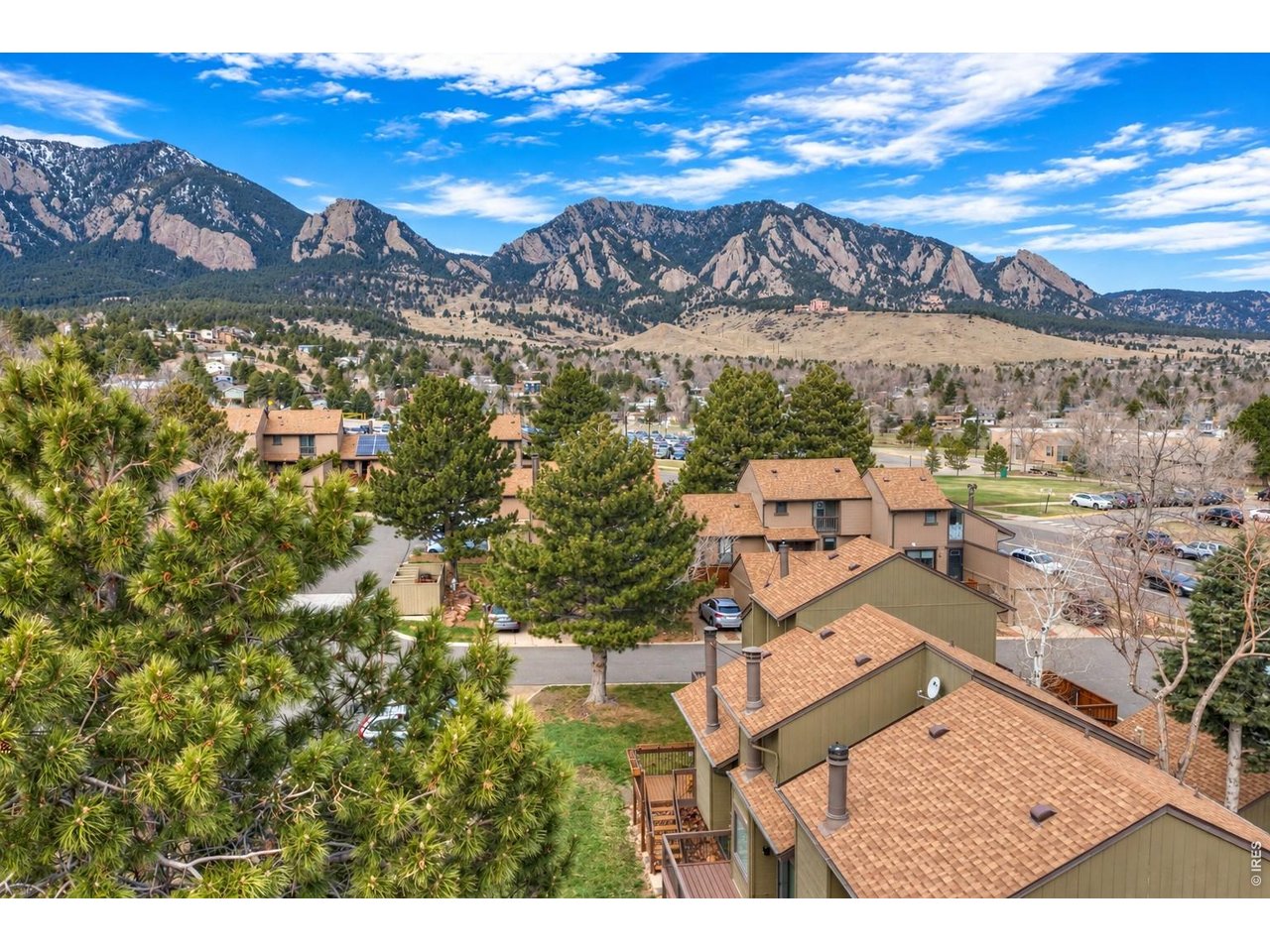
Tucked against the rust-red rise of the Flatirons in South Boulder, Table Mesa is one of the most enduring and beloved neighborhoods in the city. It is a place where mid-century modern architecture meets world-class trail access, where scientists and schoolteachers share the same cul-de-sacs, and where the rhythm of daily life still revolves around walking your kids to school, biking to the grocery store, and watching the alpenglow set fire to the foothills every evening.
Unlike the dense Victorian charm of Mapleton Hill or the rural luxury of Boulder's eastern county, Table Mesa offers something rarer in today's market: a genuine, lived-in neighborhood that has held onto its identity for more than six decades. Bordered by protected open space on one side and the Flatiron Flyer transit corridor on the other, it is simultaneously remote and remarkably connected. For families, outdoor enthusiasts, and anyone drawn to Boulder's quieter, more intellectual side, Table Mesa remains the gold standard.
Before the first ranch home rose along Lehigh Street, the land that became Table Mesa was open ranching country, sloping gently from the Flatirons toward the plains. The post-World War II population boom changed everything. As the University of Colorado expanded and major employers like IBM and the National Bureau of Standards (now NIST) drew engineers and scientists to Boulder, developers turned their attention to the empty pastureland south of Baseline Road. Through the 1960s, Table Mesa was master-planned and built out as a modern, family-oriented community, with the distinctive tri-levels, bi-levels, and ranch homes that still define the streetscape today.
Table Mesa's growth also helped shape one of Boulder's most consequential civic decisions. In 1959, concerned that development was climbing too high into the foothills, Boulder voters passed the "Blue Line" amendment, a charter restriction preventing the city from supplying water above roughly 5,750 feet of elevation. Because Table Mesa sits directly against the base of the Flatirons, the Blue Line effectively drew a permanent western boundary around the neighborhood. Eight years later, Boulder voters approved a first-of-its-kind open space sales tax, creating the South Boulder Greenbelt that still wraps protectively around Table Mesa today.
Two landmark institutions cemented the neighborhood's character. In 1966, the National Center for Atmospheric Research (NCAR) opened its I.M. Pei-designed Mesa Lab on the bluff above the neighborhood, drawing climate scientists and researchers to the area. Around the same time, Fairview High School established itself as one of Colorado's premier public high schools. Together, NCAR and Fairview gave Table Mesa the academic, scientific, and family-centric DNA it still carries today.
Table Mesa occupies the southernmost residential pocket of Boulder, sitting at the precise point where the city's grid meets the wild edge of the Front Range. Its boundaries are generally drawn at Baseline Road to the north, the open space trails sloping toward Eldorado Springs to the south, Broadway and the US-36 corridor to the east, and the Flatirons themselves to the west.
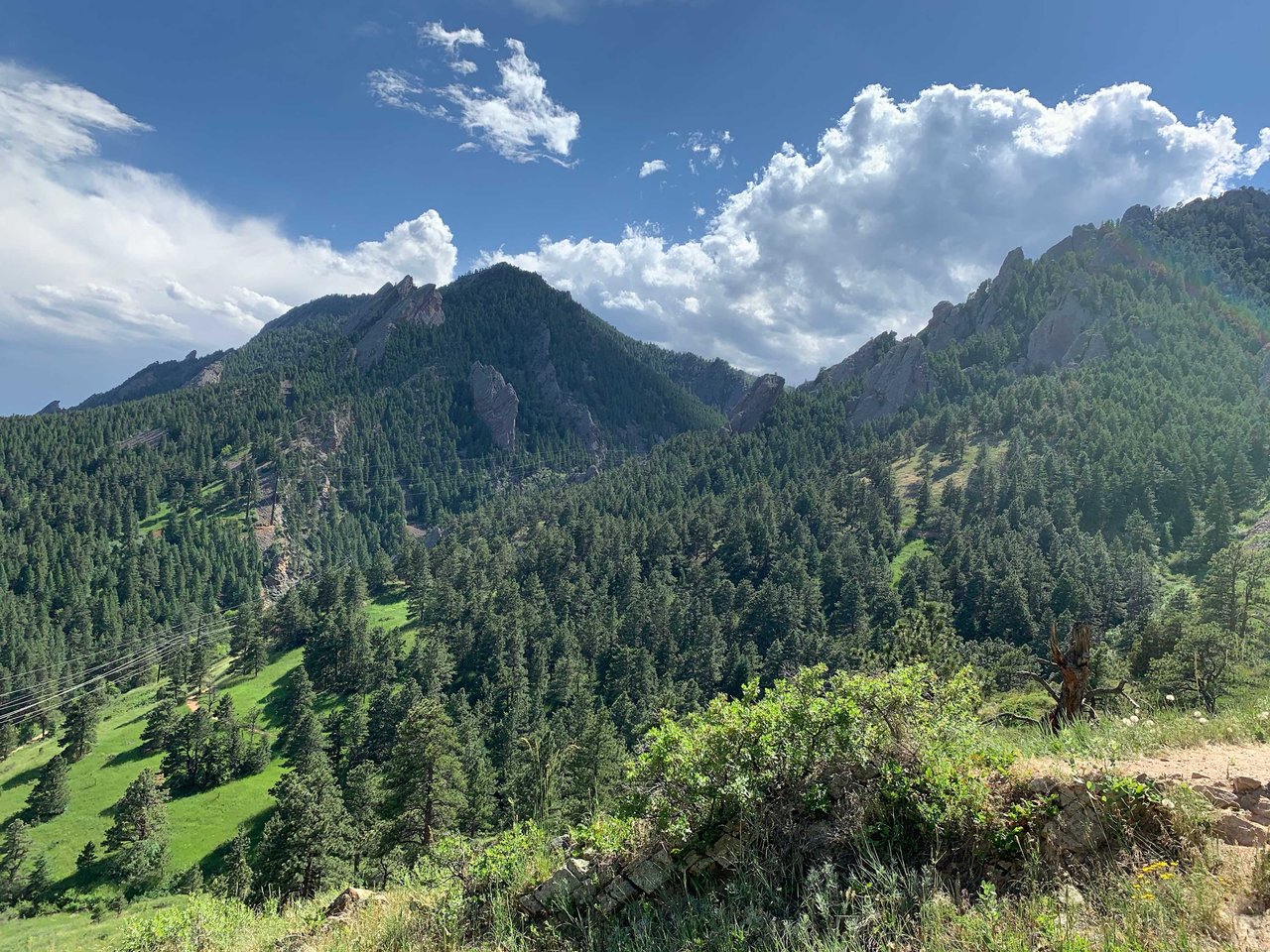
True to its Spanish-derived name, parts of the neighborhood sit atop elevated, flat-topped landforms that give residents some of the most dramatic, unobstructed mountain views in Boulder. Looking west, the Flatirons and Bear Peak rise almost vertically from the property lines. Looking east, the Colorado plains stretch out toward the horizon. At an elevation averaging 5,400 to 5,600 feet and pressed against the foothills, Table Mesa has its own microclimate. Winter storms tend to drop slightly more snow here than in central Boulder, and the famous "downslope" Chinook winds funnel through the neighborhood with distinctive force, keeping the mountain air clear and crisp throughout the year.
Where downtown Boulder reads like a Victorian-era catalog, Table Mesa is unmistakably a product of mid-century modern optimism. Built almost entirely between 1960 and 1975, the neighborhood is one of the most architecturally coherent pockets in the entire region.
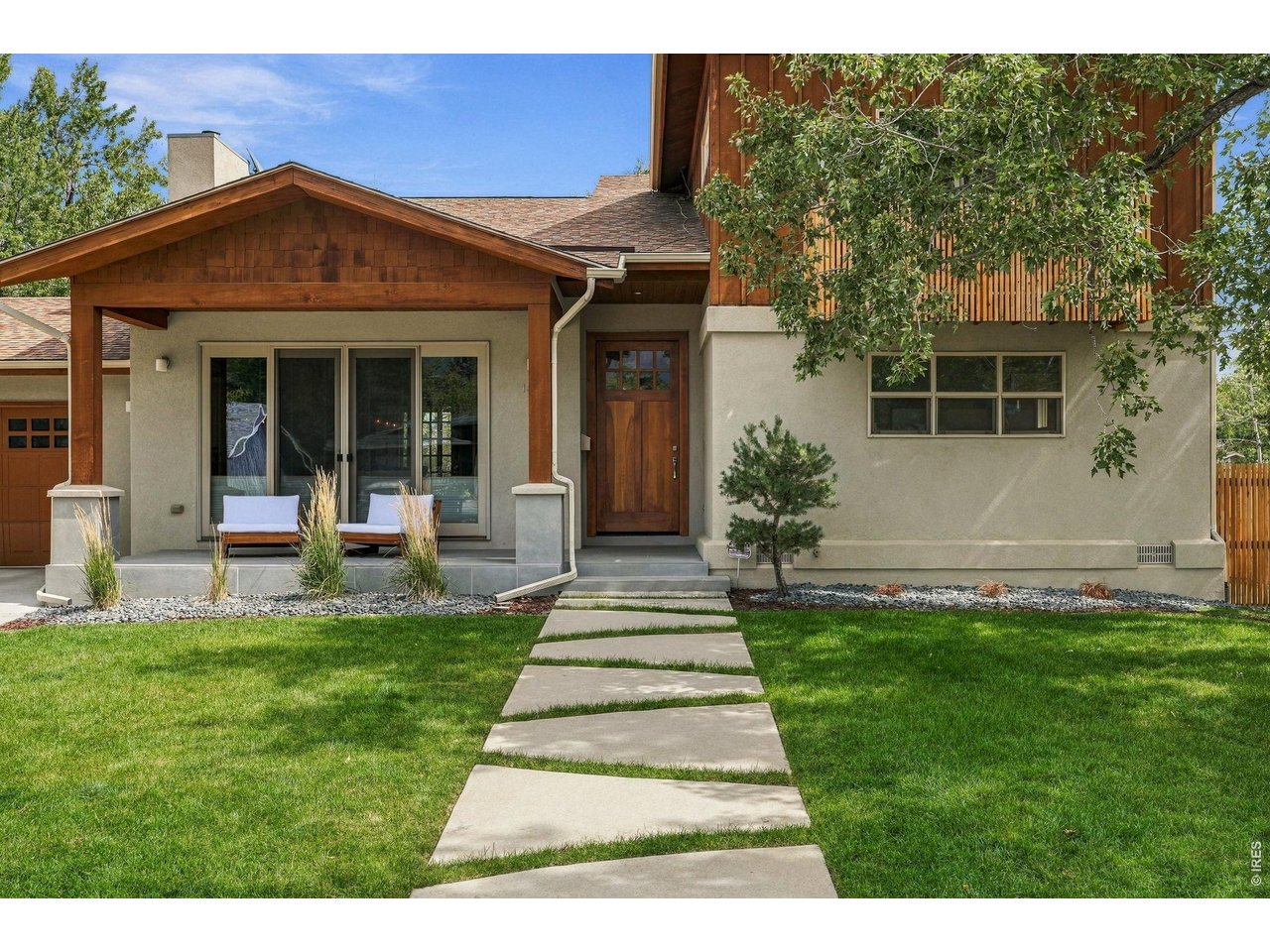
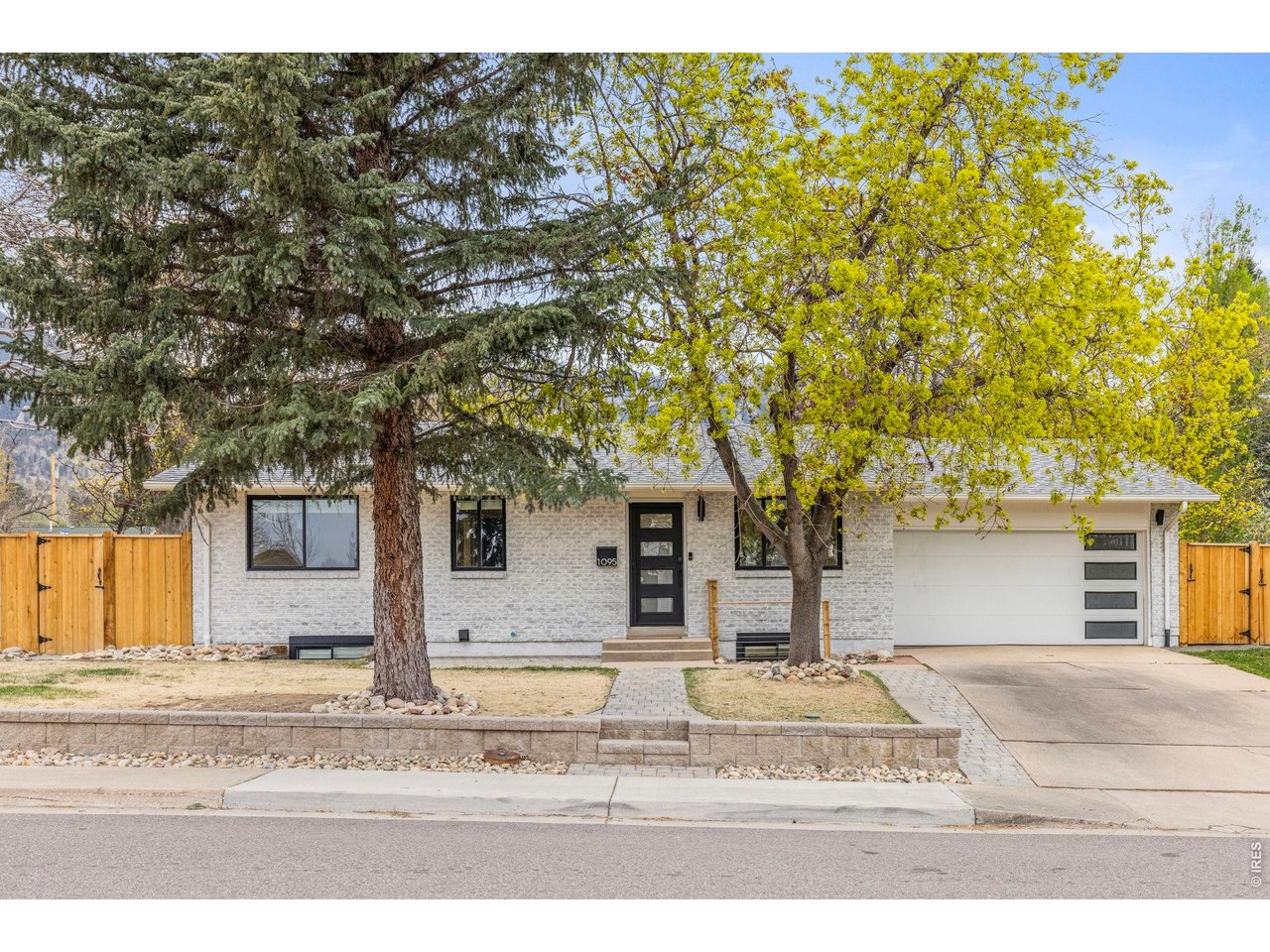
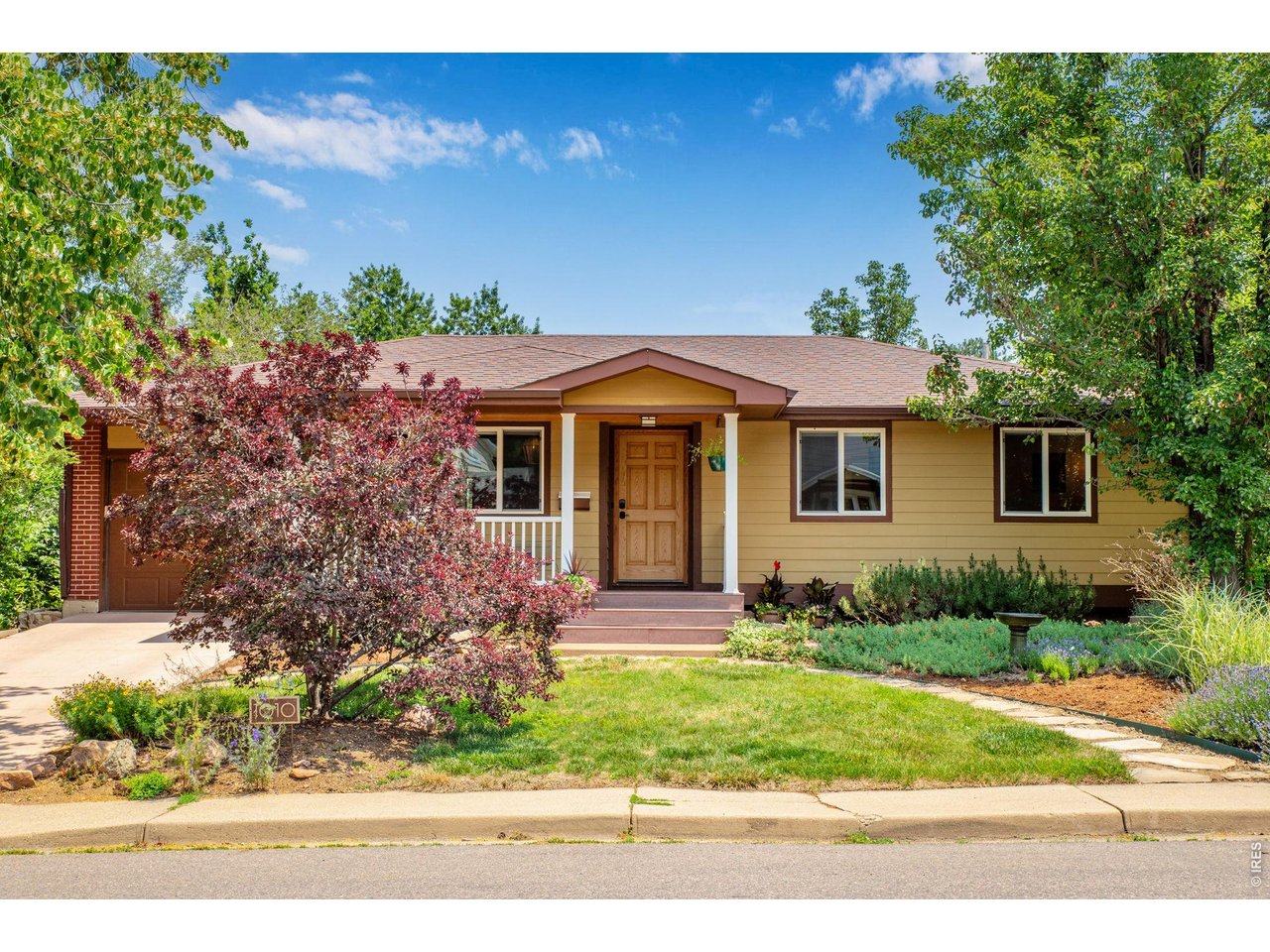
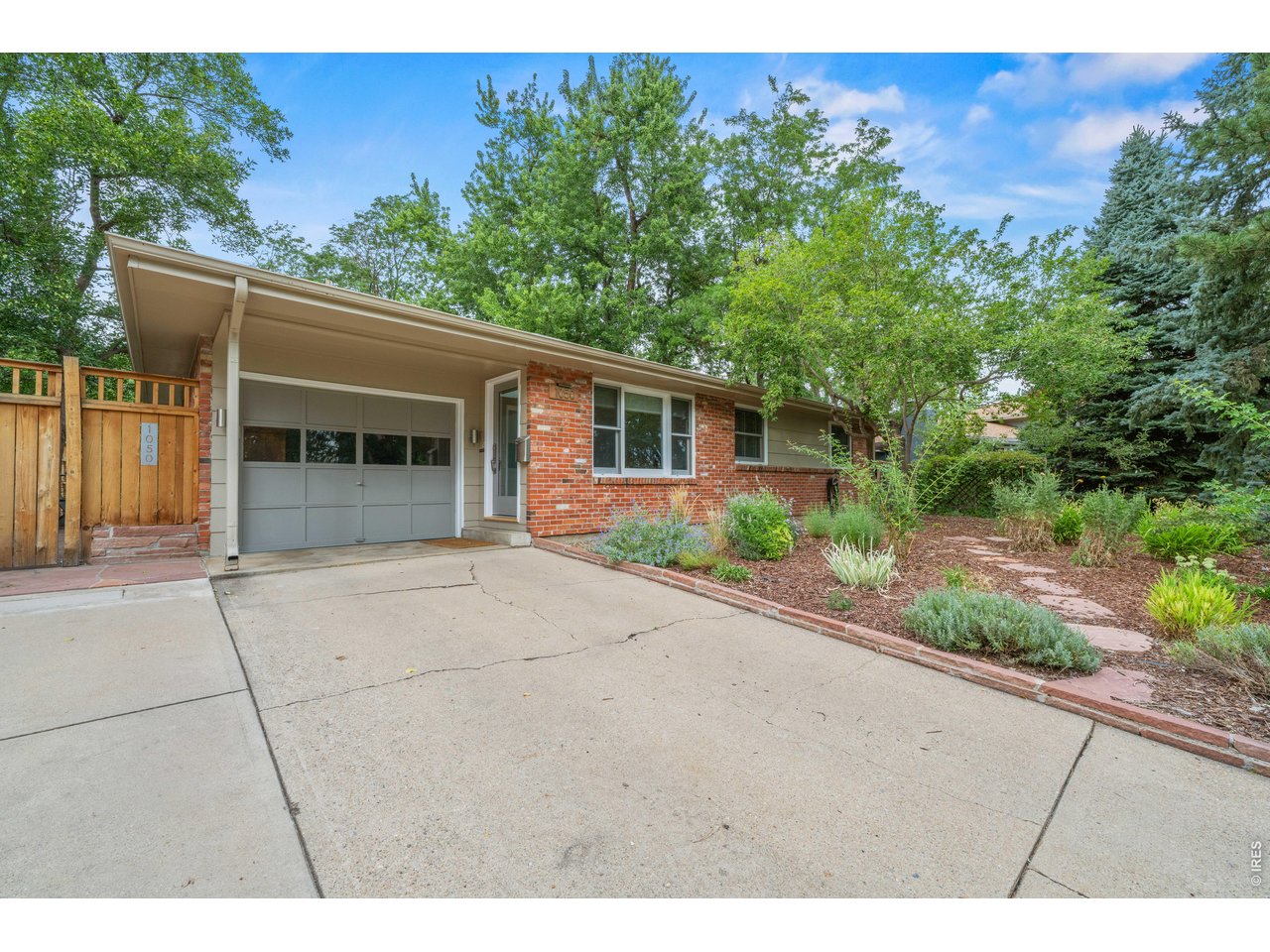
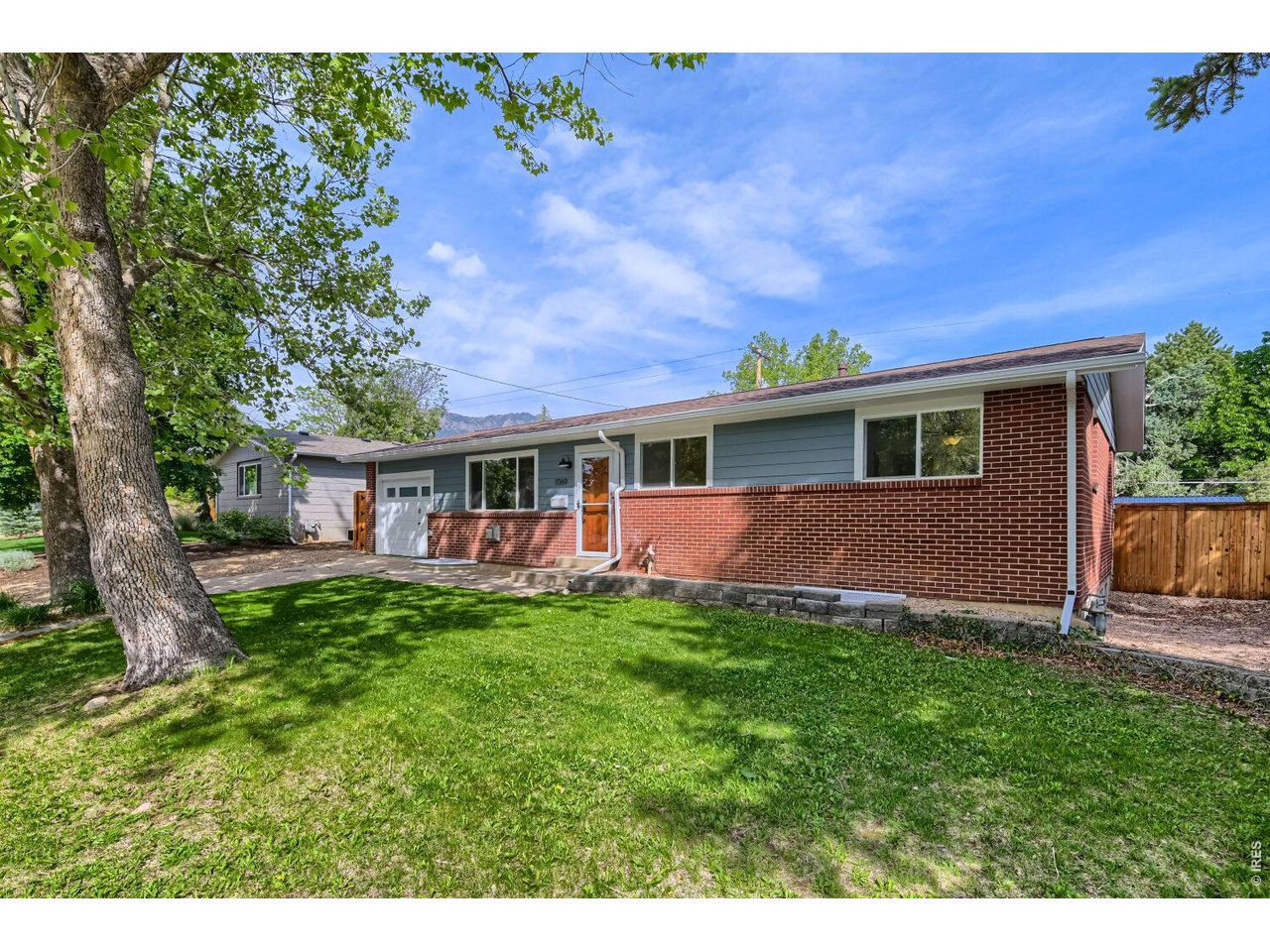
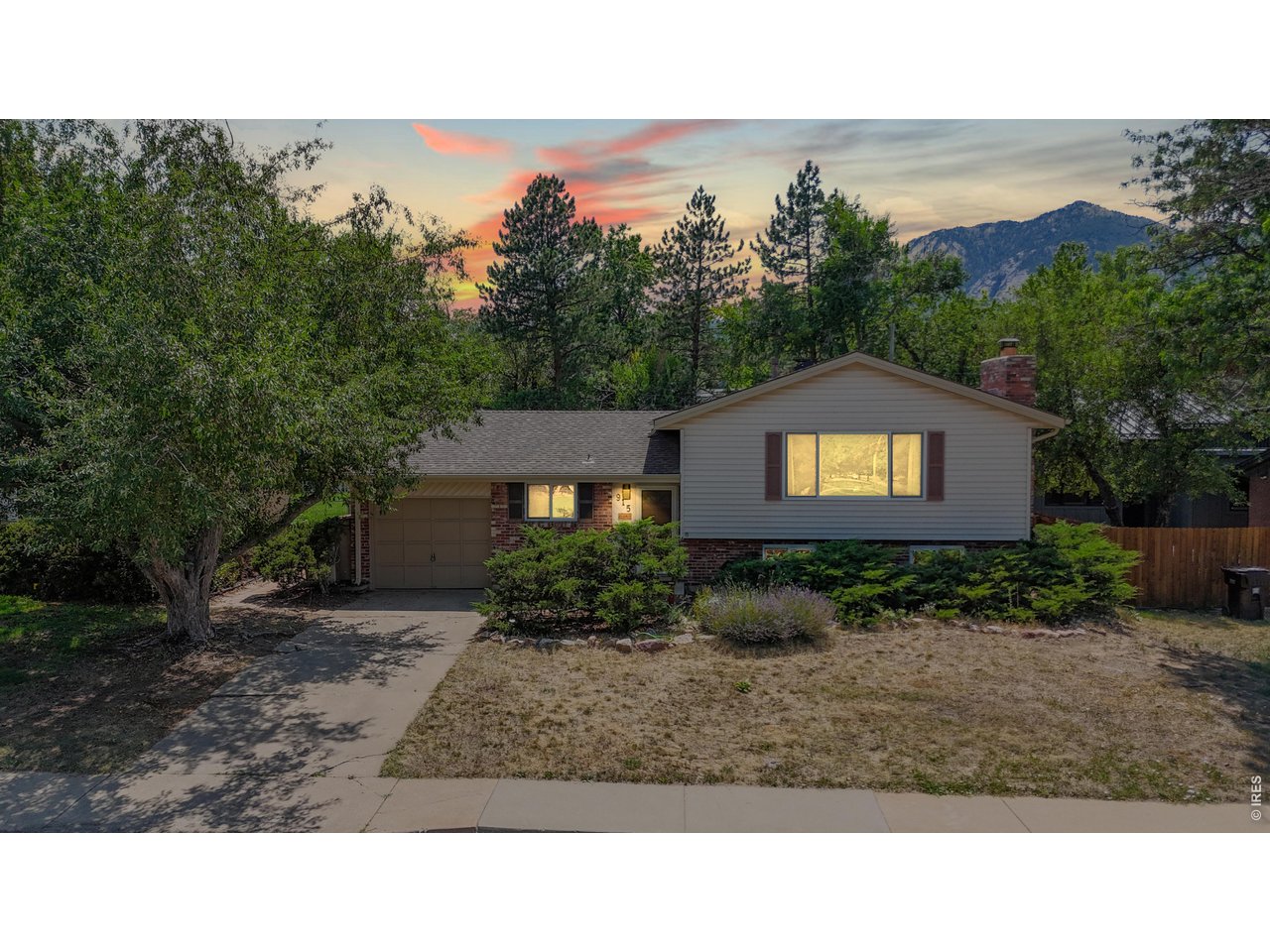
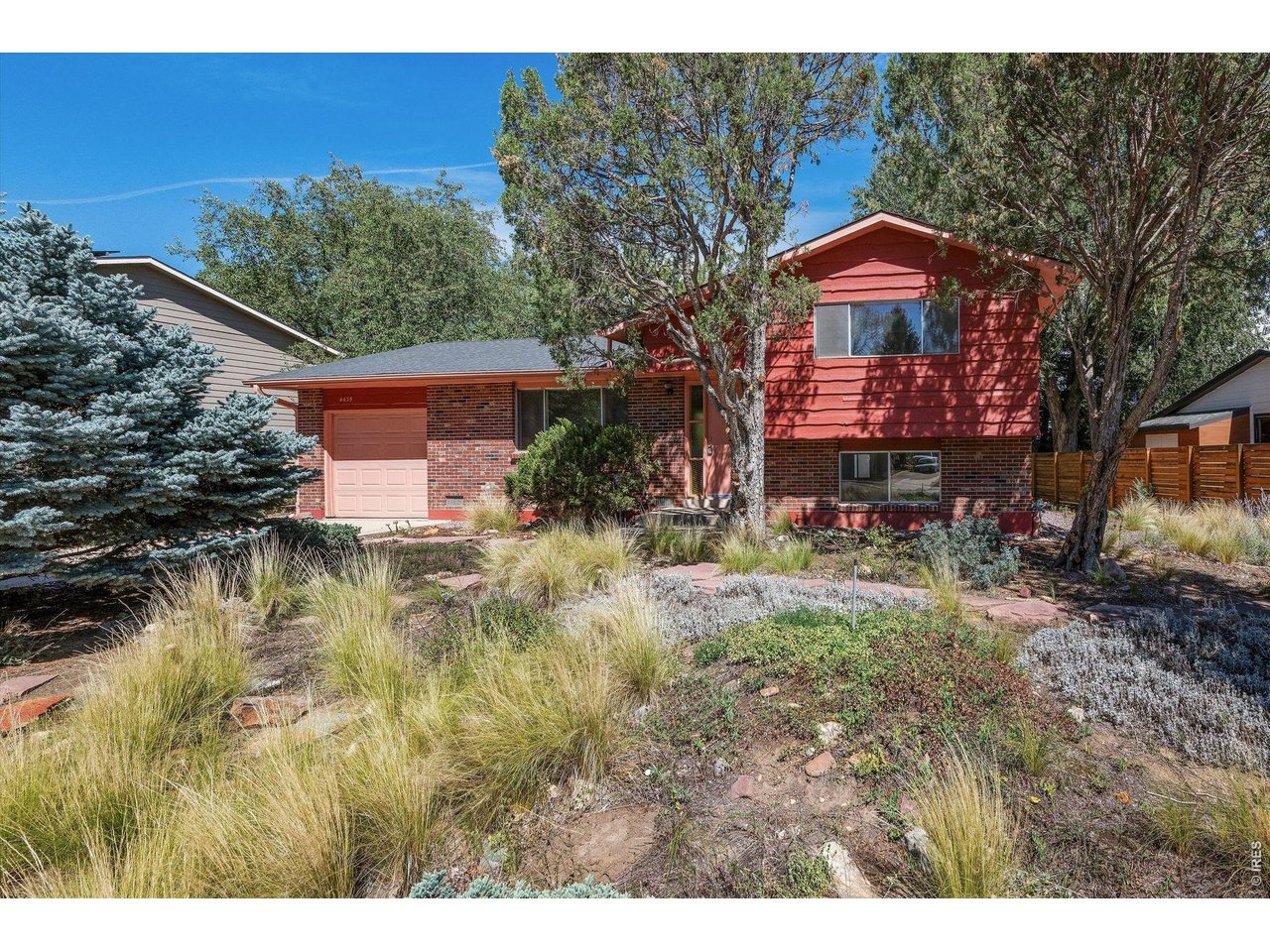
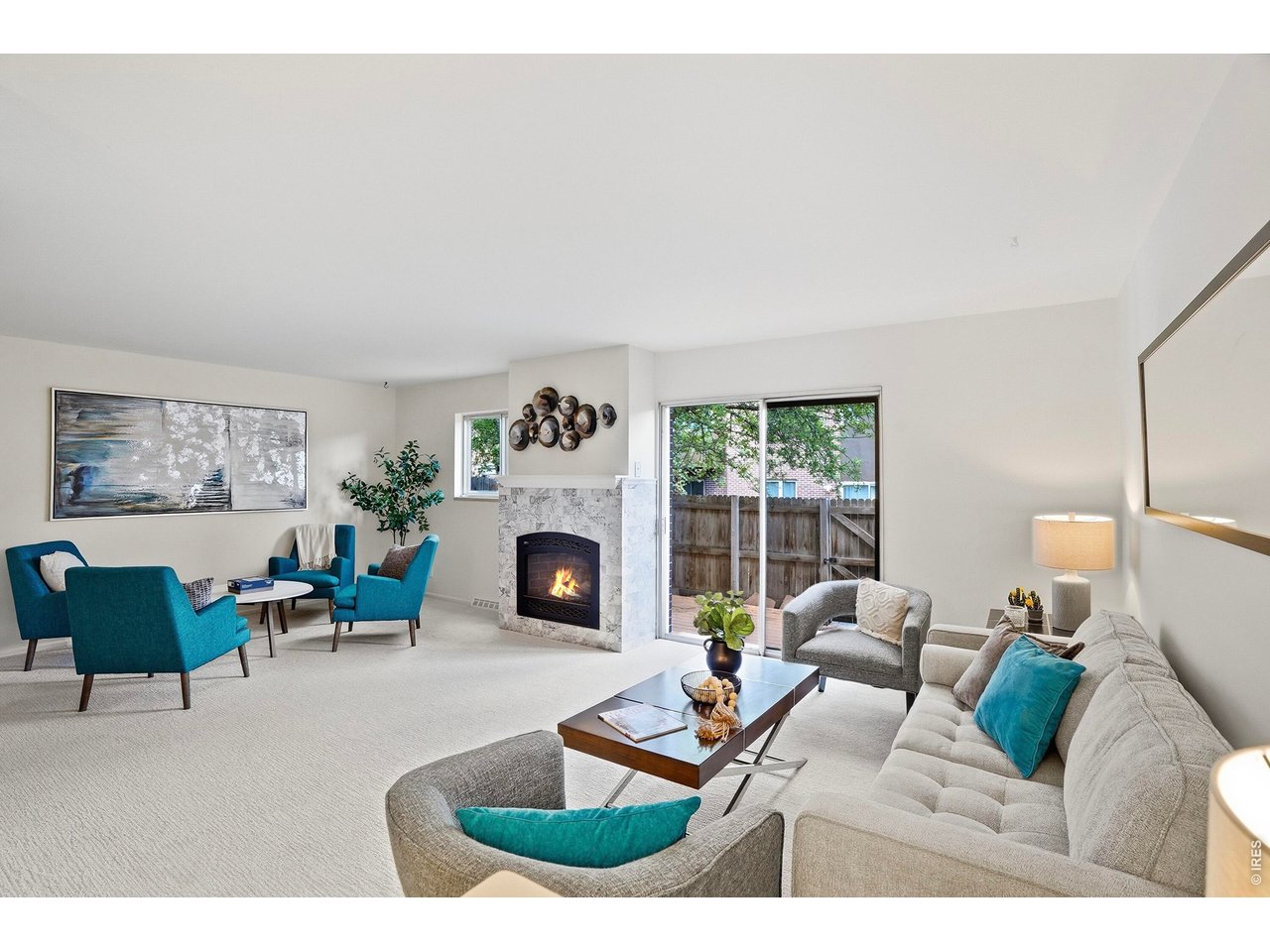
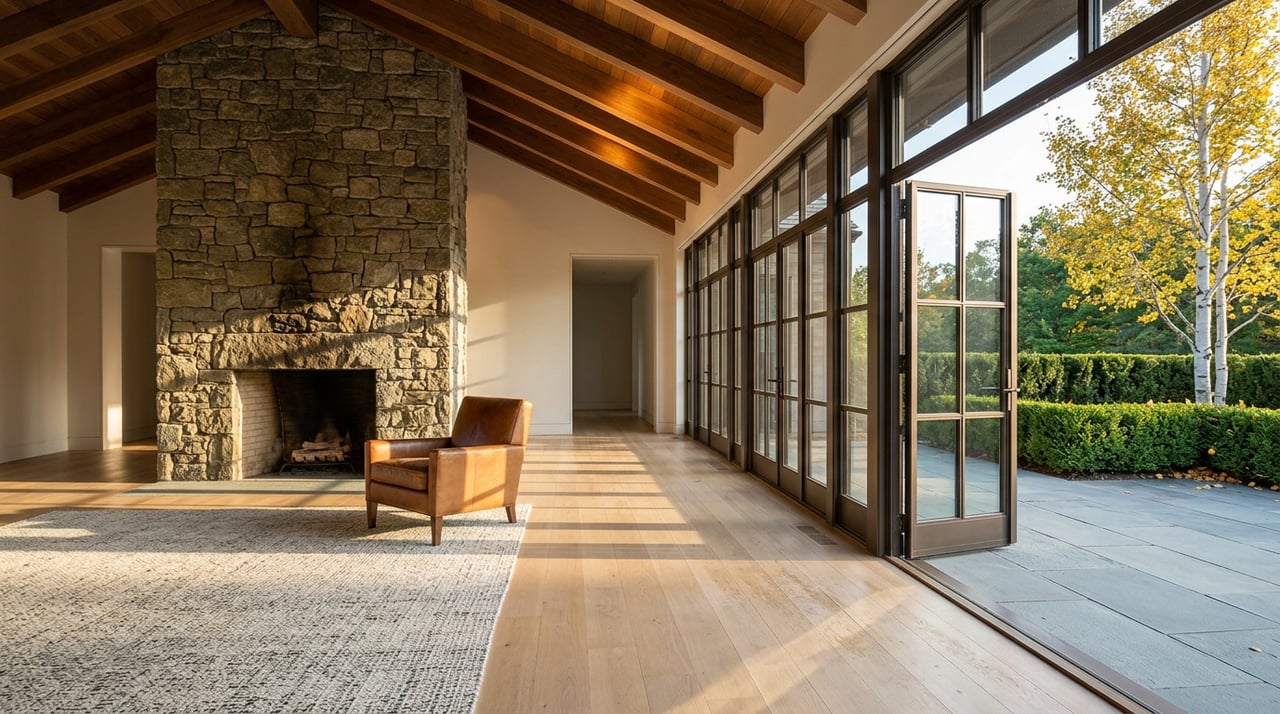
The dominant style is the mid-century modern ranch, with its low-pitched roofs, deep overhanging eaves, open floor plans, and floor-to-ceiling windows positioned to frame the mountains. Split-levels and tri-levels are equally common, designed to maximize livable square footage on the gently sloping terrain. Many of these original homes feature signature mid-century details: exposed post-and-beam ceilings, flagstone fireplaces, brick accent walls, and sliding glass doors that open onto private patios. Notable regional architects like Hobart Wagener and Tasso Papachristou left their fingerprints on the neighborhood, drawing on the same modernist vocabulary as the larger civic landmarks rising nearby.
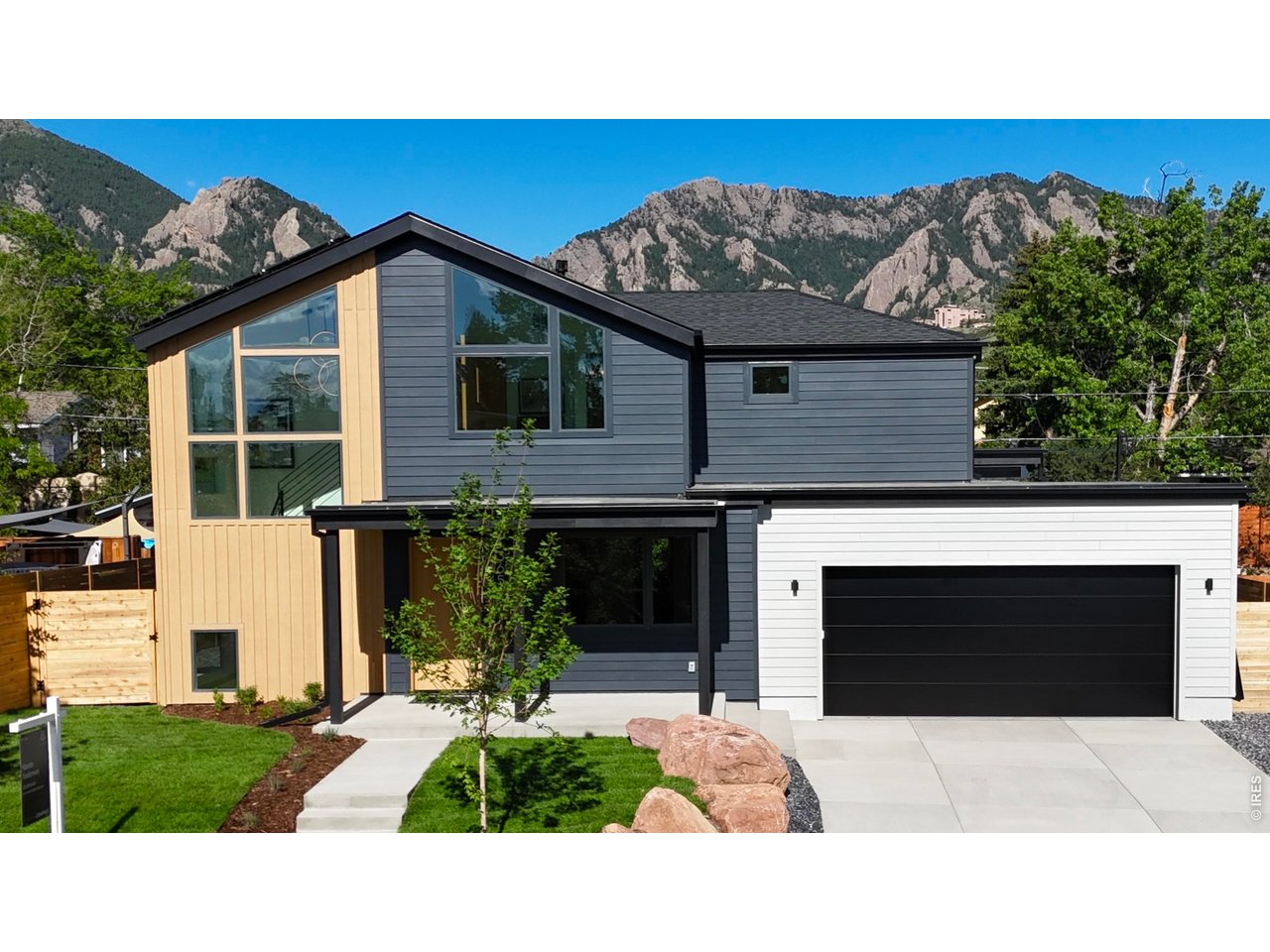
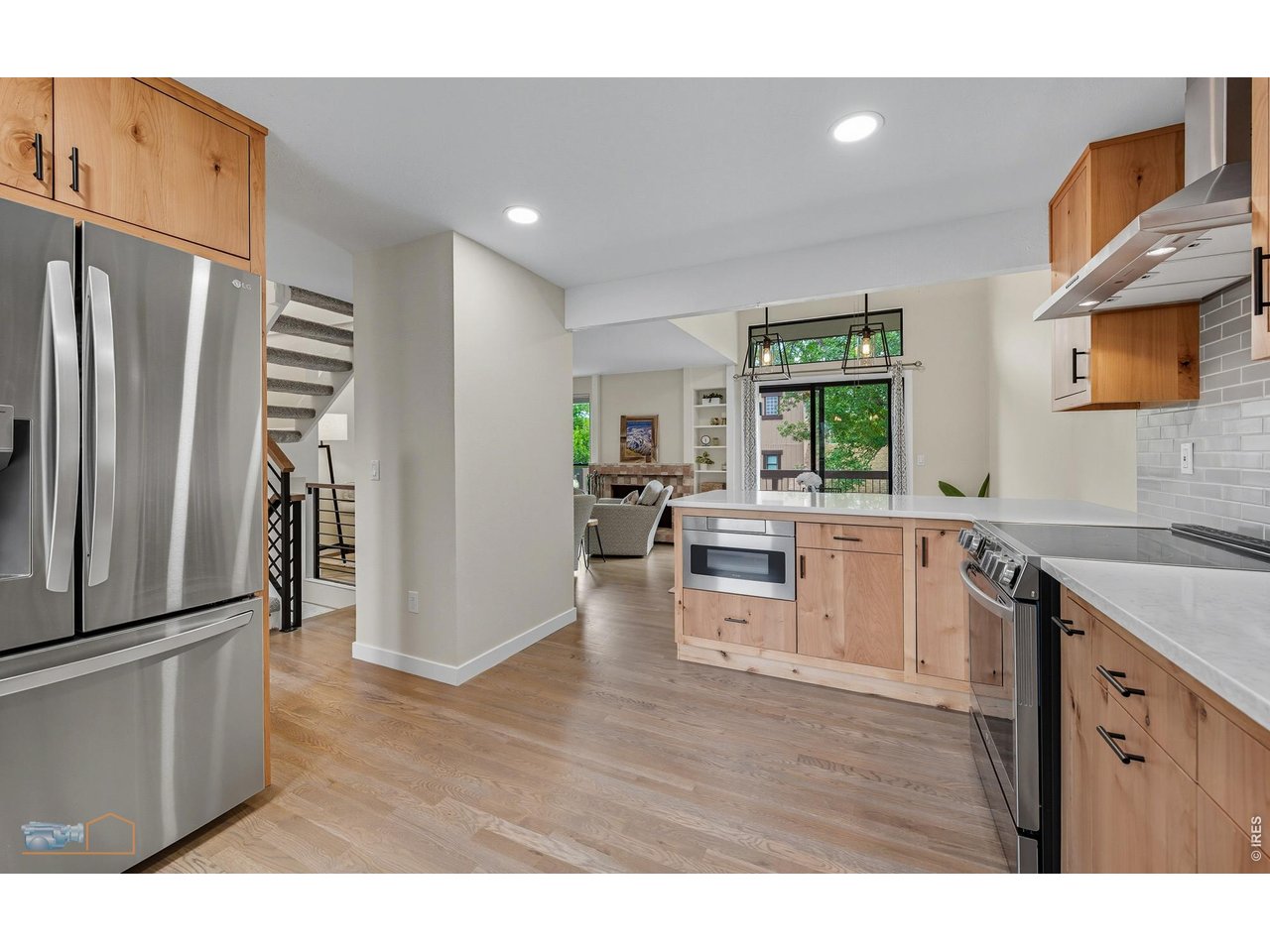
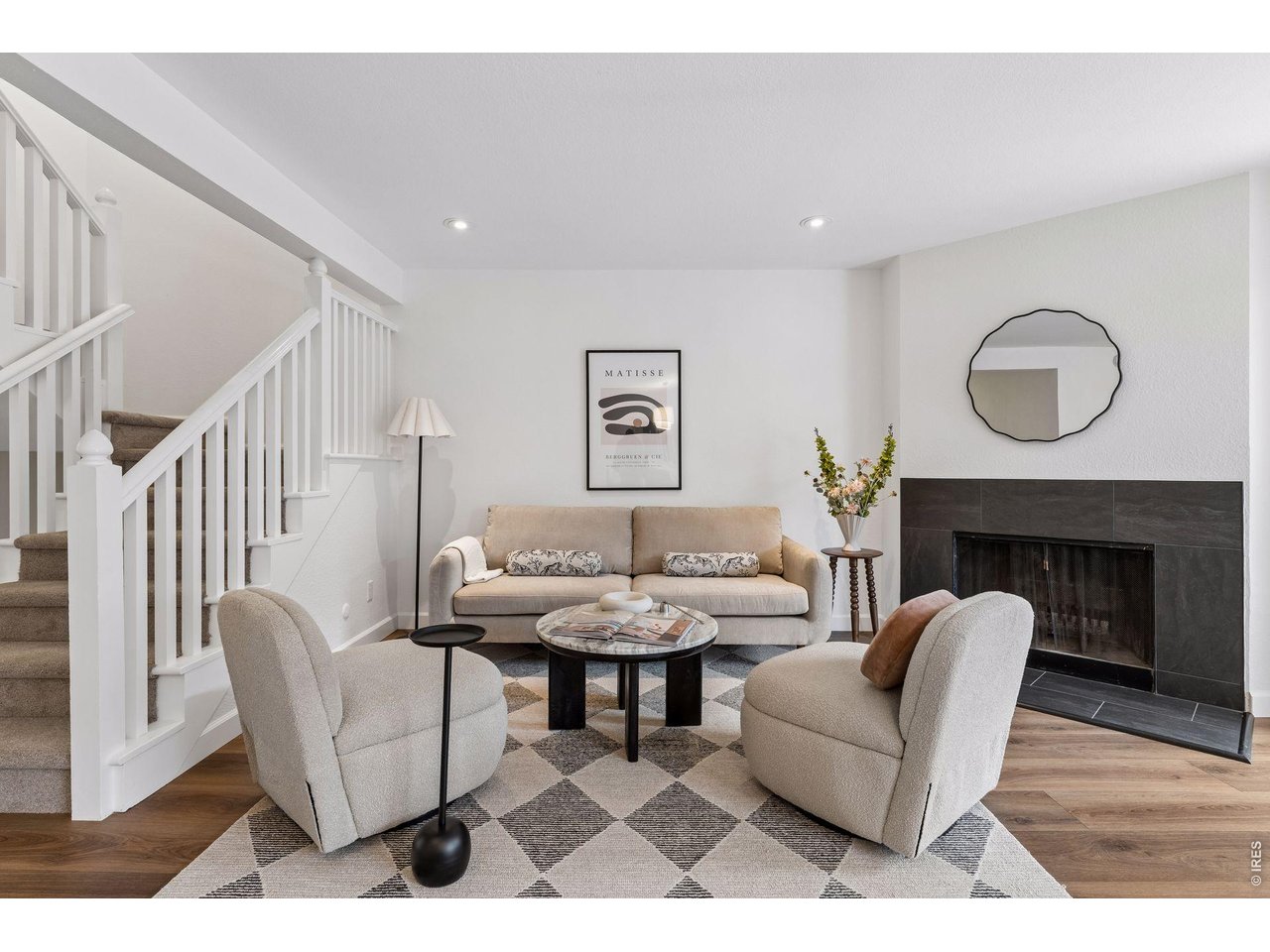
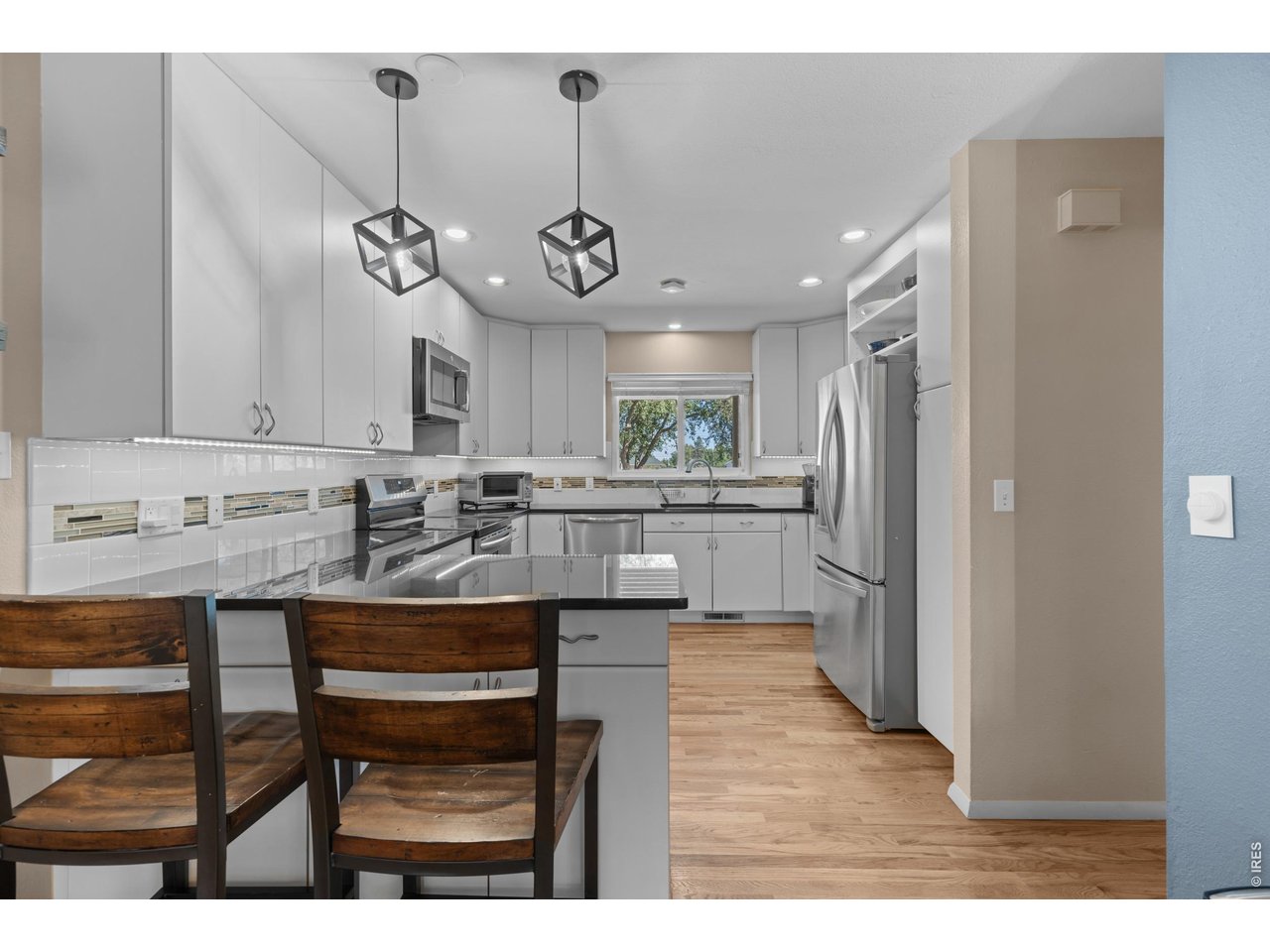
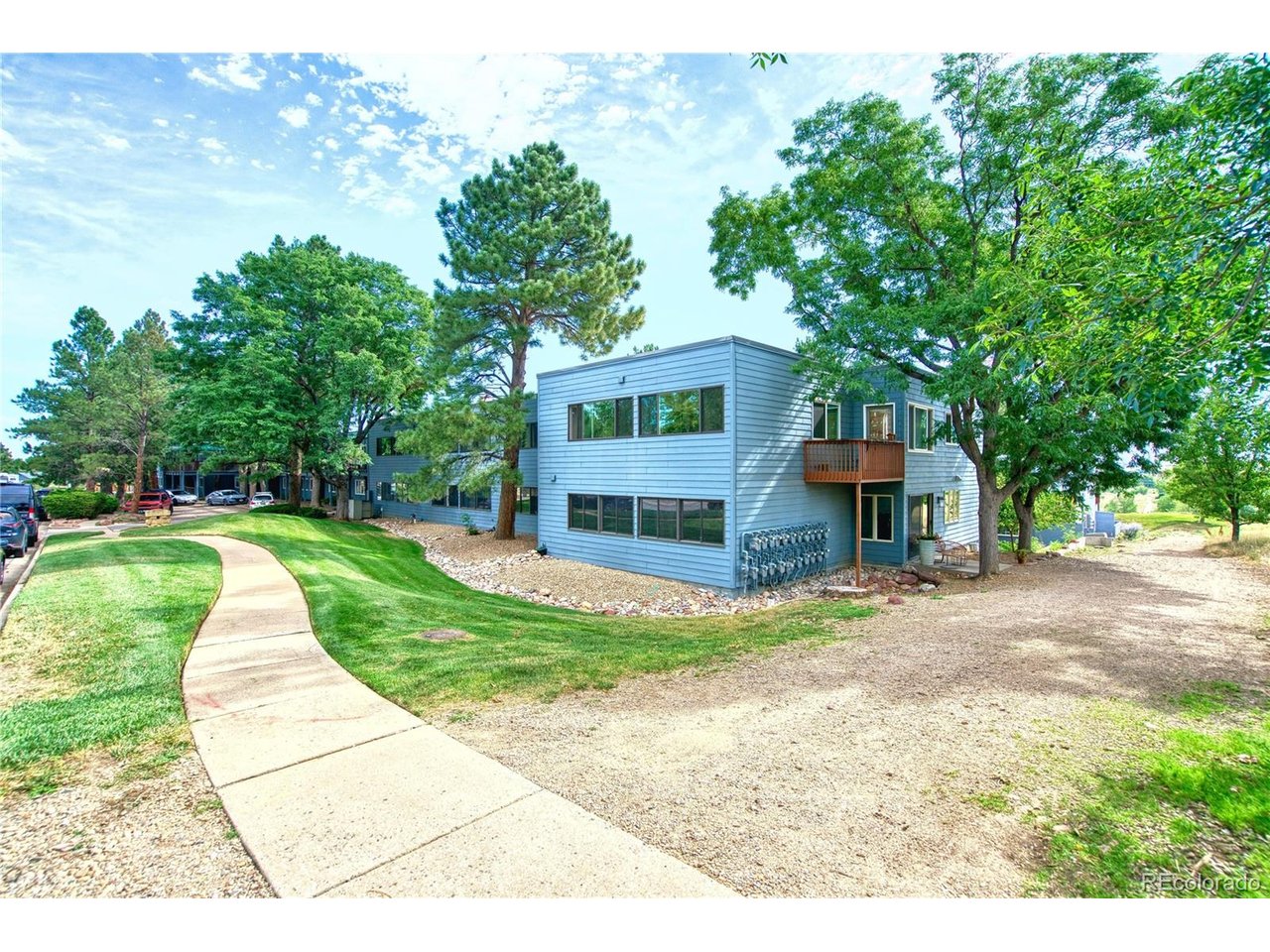
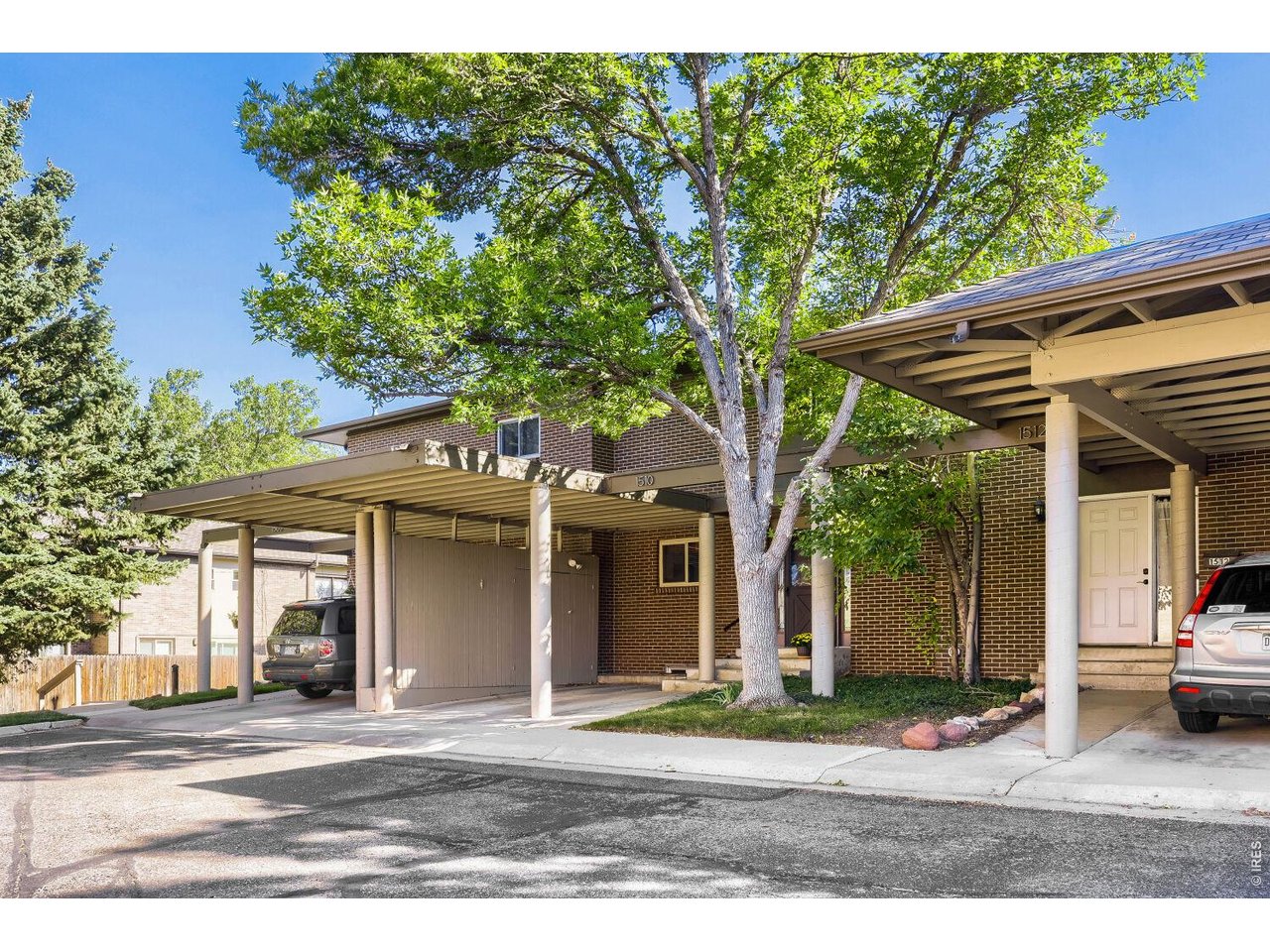
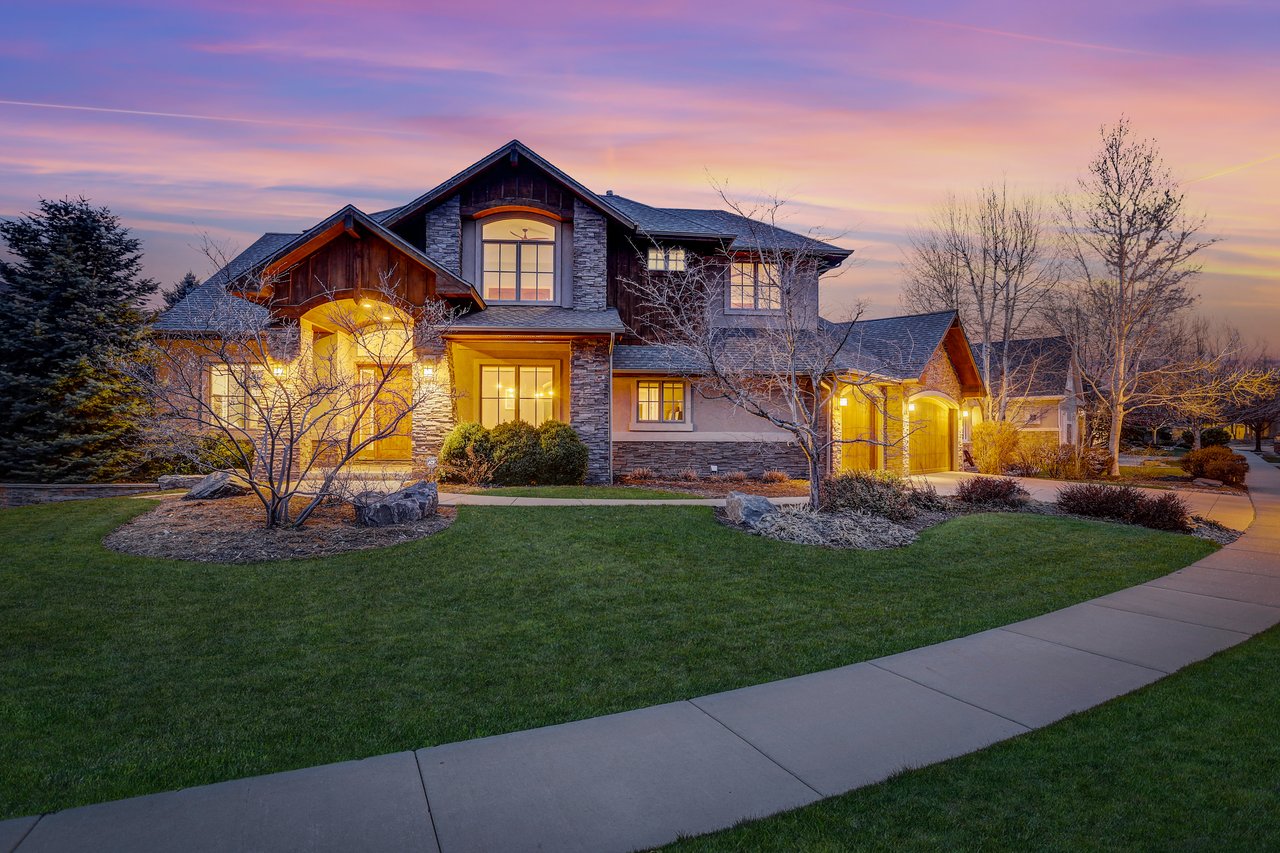
Over the past two decades, a wave of thoughtful renovations has reshaped the neighborhood's housing stock. Pop-tops adding a second story, contemporary geometric expansions, and full-scale custom rebuilds have introduced a new generation of modern luxury homes that still honor the original mid-century proportions. On the eastern edges near the shopping center, pockets of townhomes and condominiums offer more accessible options. What has remained consistent throughout is the neighborhood's defining design philosophy: large lots, wide winding streets, generous indoor-outdoor flow, and a deep respect for the surrounding landscape.
Table Mesa is one of Boulder's most resilient and competitive micro-markets, and the reason is structural. Hemmed in by protected open space and the Blue Line, the neighborhood has no room for outward expansion. Supply is fixed. Demand, driven by the schools, the trails, and the architecture, is not.
As of 2026, the median sales price for a single-family home in Table Mesa sits between $1.25 million and $1.4 million, with significant premiums for homes near the trailheads or those with high-end renovations. Pockets of South Table Mesa, particularly homes backing to open space, regularly push well past that range. Condos and townhomes near the Table Mesa Shopping Center remain a popular and more accessible entry point, generally trading between $500,000 and $800,000.
The pace of the market has rebalanced meaningfully since the frenzy of the early 2020s. Homes now spend a median of 30 to 45 days on market, giving buyers room to conduct thorough inspections and negotiate intelligently. Sale-to-list price ratios still hover near 99 to 100 percent on well-prepared listings, but the era of waiving every contingency and writing escalation clauses on day one has passed. Three factors continue to drive value above all others: walkability to a trailhead, the quality and authenticity of any renovation work, and condition. Original 1960s homes in untouched condition still sell, but at a meaningful discount compared to thoughtfully updated comparables.
For many families, the schools alone are reason enough to buy in Table Mesa. The neighborhood feeds into some of the highest-performing public schools in the Boulder Valley School District, and most of them are within walking or biking distance of home.
At the elementary level, Table Mesa is unusually rich in options. Bear Creek Elementary, located right on Table Mesa Drive, is the neighborhood anchor and is known for its strong academic foundation and active parent community. Mesa Elementary, further south on Lehigh Street, takes full advantage of its proximity to the foothills with a focus on outdoor and environmental learning. Community Montessori, a public choice-enrollment BVSD school on Gillaspie Drive, offers an authentic Montessori program within the public school system.
Southern Hills Middle School serves as the primary middle school for the neighborhood and is widely respected for its STEM programming, music and arts electives, and strong athletics. Fairview High School, located right inside the neighborhood boundary, is the crown jewel. Fairview consistently ranks among Colorado's top public high schools and offers a full International Baccalaureate (IB) diploma program alongside an extensive AP curriculum. It produces an outsized number of National Merit Scholars each year and maintains nationally competitive athletic and arts programs.
It is worth noting that BVSD also operates an Open Enrollment system, which allows Table Mesa residents to apply to alternative focus or charter schools elsewhere in the district. Neighborhood placement, however, is guaranteed.
There are few neighborhoods in the entire American West where the line between suburban street and wilderness is as thin as it is in Table Mesa. You do not drive to the trailhead. You walk to the end of the block.
Within the neighborhood, Viele Lake and the surrounding Harlow Platts Park serve as the unofficial community center. A paved walking loop circles the lake, and the park itself includes a large playground, a disc golf course, sand volleyball courts, and the South Boulder Recreation Center. It is the year-round gathering place for picnics, sledding, dog walking, and after-school play. Bear Creek Park, tucked more quietly into the residential streets, offers a smaller, more passive setting with shade trees and a small creek running through it.
Beyond the neighborhood parks, Table Mesa connects directly into Boulder's Open Space and Mountain Parks (OSMP) system. Shanahan Ridge, at the western edge of the neighborhood, is a beloved network of moderate trails winding through ponderosa pine forest. The Mesa Trail, a roughly seven-mile contiguous path that hugs the base of the Flatirons, is accessible directly from the neighborhood and runs all the way north to Chautauqua Park. For more serious athletes, the trails leading out of Table Mesa connect to the steep, demanding ascents of Bear Peak and South Boulder Peak, both of which reward summit hikers with panoramic views of the Continental Divide.
Perched on the bluff directly above the neighborhood, the National Center for Atmospheric Research (NCAR) Mesa Lab is part research institution, part architectural landmark, and part community treasure. Designed by I.M. Pei, the architect behind the Louvre Pyramid in Paris and the East Building of the National Gallery in Washington, the Mesa Lab opened in 1966 and remains one of the most distinctive modernist buildings in the American West.
Pei drew direct inspiration from the ancestral Puebloan cliff dwellings at Mesa Verde, using locally sourced Colorado buff limestone aggregate and bush-hammering the concrete walls to give them a rough, stone-like texture. The result is a fortress-like cluster of geometric towers that appears to have grown organically out of the surrounding rock. From most points in the neighborhood, the building catches the late afternoon sun and glows a deep terracotta against the foothills.
While the upper floors house atmospheric scientists, climate researchers, and physicists working on global modeling problems, the lower levels are open to the public 363 days a year as a free science learning center. Visitors can interact with a real cloud chamber, steer a simulated hurricane, and explore exhibits on weather, climate, and solar science. The surrounding NCAR trails and the Walter Orr Roberts Weather Trail offer an accessible introduction to local fire ecology and Front Range weather patterns. For Table Mesa residents, NCAR is not just a workplace or a museum. It is the visual anchor of the entire neighborhood.
Daily life in South Boulder revolves around the Table Mesa Shopping Center, an open-air retail hub that has anchored the neighborhood since 1961. Located at the corner of Table Mesa Drive and South Broadway, the center is a model of community-scale commercial design, with walkable layouts, outdoor seating, and mountain views in nearly every direction.
The neighborhood is unusual in that it has two anchor grocery stores in close proximity. King Soopers handles everyday pantry runs and large-scale shopping, while Whole Foods Market serves the high demand for organic, local, and specialty products. Beyond groceries, the center hosts more than 50 long-standing local businesses, including pharmacies, dental and medical offices, dry cleaners, and Table Mesa Barbers, the center's original 1961 tenant. The Boulder Public Library's George Reynolds Branch is just nearby, as is the South Boulder Recreation Center down at Harlow Platts Park. The Table Mesa Park-n-Ride, adjacent to the shopping center, provides high-frequency bus access to downtown Boulder, Denver, and DIA, making the entire shopping district a true civic and transit hub for the south side of the city.
While Pearl Street draws the tourists, Table Mesa quietly maintains one of the most loyal, neighborhood-driven dining scenes in Boulder. The food culture here is unpretentious, high quality, and built around regulars.
Caffe Sole functions as something close to South Boulder's living room, serving excellent espresso during the day and transforming into an intimate live jazz venue by night. Southside Walnut Cafe is the breakfast and lunch institution, beloved for its scrambles, espresso milkshakes, and cheerful Boulder personality. Sweet Cow Ice Cream draws families on warm summer evenings with its small-batch flavors made from locally sourced ingredients.
For dinner, the neighborhood pulls from an impressive global lineup. Tsing Tao has been the reliable, comforting Chinese standard for Table Mesa families for decades. Nepal House serves authentic Nepalese, Tibetan, and Indian cuisine and is regularly voted among Boulder's best. Abo's Pizza handles the casual family pizza night with its signature New York-style slices. More recently, Morso, the new Italian-American kitchen from Top Chef alum and Blackbelly chef Hosea Rosenberg, has elevated the dining scene with sophisticated, locally driven cooking right in the heart of the shopping center.
The Table Mesa dining experience reflects the neighborhood at large. It is relaxed, quality-driven, and full of familiar faces. On any given night, you are as likely to share a dining room with your child's teacher as with a world-renowned climate scientist.
Despite sitting at the southern edge of Boulder, Table Mesa is one of the best-connected neighborhoods in the city, particularly for residents who prefer not to rely on a car.
Cycling is the dominant local mode of transit. A network of dedicated bike lanes, buffered paths, and multi-use trails connects the neighborhood to the University of Colorado and downtown Boulder in 15 to 20 minutes, almost entirely separated from car traffic. Key paths along Moorhead and Broadway, combined with strategically placed pedestrian and bike underpasses at the major intersections, make daily cycling genuinely practical for most residents.
The Table Mesa Park-n-Ride is the regional transit centerpiece. The Flatiron Flyer rapid bus runs on dedicated lanes along US-36 and reaches downtown Denver in roughly 30 to 35 minutes. The AB Line provides direct service from Table Mesa to Denver International Airport in about 45 to 50 minutes, eliminating the need for airport parking entirely. Local routes like the SKIP run up and down Broadway with high frequency, making car-free trips around the city straightforward.
For drivers, Table Mesa offers something central Boulder cannot: a direct shot to the highway. US-36 and State Highway 93 both originate just east of the neighborhood, putting Denver about 35 minutes away and providing a fast, scenic route south toward Golden and the I-70 ski corridor.
Ask longtime residents to describe Table Mesa, and the word that comes up most often is grounded. While other parts of Boulder have shifted toward sleek, ultra-luxury aesthetics, Table Mesa has held onto a warm, community-first identity that feels increasingly rare.
The demographic mix is unique. Proximity to NCAR, NOAA, NIST, and the university has filled the neighborhood with scientists, engineers, researchers, and professors, giving the area a distinctly intellectual undercurrent. Alongside that academic core is a strong family-oriented population. On any given afternoon, the cul-de-sacs are alive with kids riding bikes, walking home from school, and playing street hockey until the streetlights come on.
The neighborhood's physical layout encourages interaction. Front yards are often planted with native xeric landscaping, and neighbors regularly chat across driveways and over fences. Wildlife is part of daily life. Mule deer wander the sidewalks, wild turkeys roam through lawns, and the occasional coyote calls from the greenbelt at dusk. Harlow Platts Park and Viele Lake function as the unofficial community living room, hosting everything from informal dog-walking circles to summer sunset gatherings. Active neighborhood associations organize block parties, fire mitigation efforts, and creek cleanups throughout the year. More than anything, the character of Table Mesa is defined by how much of daily life can happen on foot. School drop-off, a five-mile trail run, an espresso at Caffe Sole, and a grocery run can all unfold without ever turning the car on.
Boulder has no shortage of desirable neighborhoods, and Table Mesa occupies a specific and distinctive position among them.
Just to the north and east, across Broadway, Martin Acres was built around the same mid-century era but offers a different feel. The homes there are generally smaller single-story ranches without the larger tri-levels and pop-top renovations seen in Table Mesa. It serves as a more accessible entry point into the Boulder city limits, but its proximity to the university also gives it a higher density of student rentals and a more transient energy compared to the quieter, family-driven streets of Table Mesa.
Buyers often weigh Table Mesa against the historic central and North Boulder neighborhoods like Chautauqua and the Newlands. Chautauqua offers unmatched Victorian and Craftsman charm with immediate trail access, but homes are tightly packed and tourist congestion is a daily reality during peak season. The Newlands offers premium modern luxury builds, walkable access to North Boulder Park, and proximity to Pearl Street, but it lacks the larger lot sizes, neighborhood schools, and direct OSMP trail integration that Table Mesa delivers. The trade-off comes down to lifestyle. If you want walkable urbanism with historic architecture, central Boulder makes sense. If you want a self-contained neighborhood with bigger lots, top-tier schools, and direct mountain access, Table Mesa is in a category of its own.
Successfully navigating Table Mesa real estate today requires more than just access to the MLS. It requires hyperlocal expertise, a deep understanding of mid-century architecture, and the kind of pricing precision that only comes from decades of working this specific market. Whether you are looking at a Hobart Wagener original near Shanahan Ridge, weighing a pop-top renovation in the heart of the neighborhood, or preparing to list a long-held family home, the strategy has to be tailored to the property and to the moment.
That is where The Bernardi Group comes in. Led by Karen Bernardi, a Coldwell Banker Realty agent with more than 35 years of Boulder real estate experience, The Bernardi Group is ranked number one in Colorado and number nine nationally among Coldwell Banker teams. Karen is a member of the prestigious Coldwell Banker Society of Excellence, awarded to less than one percent of agents globally, and has sold more than half a billion dollars in real estate over a recent three-year period. Her team offers full-service home staging, professional videography and photography, and access to an exclusive internal bridge loan program that gives buyers a meaningful edge in competitive offer situations.
If you are thinking about buying or selling in Table Mesa, we would love to be part of the conversation. Reach out to The Bernardi Group to schedule a consultation, request a home valuation, or simply ask questions about the neighborhood. With decades of experience and a team built around responsiveness, marketing excellence, and sharp negotiation, we are ready to help you make your next move in one of Boulder's most extraordinary neighborhoods.
There's plenty to do around Boulder's Table Mesa, including shopping, dining, nightlife, parks, and more. Data provided by Walk Score and Yelp.
Explore popular things to do in the area, including Sunshine Shave Ice, Sweet Cow, and Whole Foods Market.
| Name | Category | Distance | Reviews |
Ratings by
Yelp
|
|---|---|---|---|---|
| Dining | 0.14 miles | 0 reviews | 0/5 stars | |
| Dining · $$ | 0.46 miles | 68 reviews | 4.4/5 stars | |
| Dining | 0.46 miles | 17 reviews | 2.8/5 stars | |
| Dining · $ | 0.51 miles | 61 reviews | 3.9/5 stars | |
| Dining | 0.58 miles | 0 reviews | 0/5 stars | |
| Active | 0.3 miles | 0 reviews | 0/5 stars | |
| Active | 0.49 miles | 2 reviews | 3/5 stars | |
| Active | 0.52 miles | 0 reviews | 0/5 stars | |
| Active | 0.53 miles | 0 reviews | 0/5 stars | |
| Active | 0.53 miles | 0 reviews | 0/5 stars | |
| Beauty | 0.41 miles | 0 reviews | 0/5 stars | |
| Beauty | 0.42 miles | 0 reviews | 0/5 stars | |
| Beauty | 0.46 miles | 0 reviews | 0/5 stars | |
| Beauty | 0.48 miles | 1 review | 5/5 stars | |
| Beauty | 0.54 miles | 0 reviews | 0/5 stars | |
|
|
||||
|
|
||||
|
|
||||
|
|
||||
|
|
||||
|
|
Boulder's Table Mesa has 1,494 households, with an average household size of 3. Data provided by the U.S. Census Bureau. Here’s what the people living in Boulder's Table Mesa do for work — and how long it takes them to get there. Data provided by the U.S. Census Bureau. 3,840 people call Boulder's Table Mesa home. The population density is 7,409 and the largest age group is Data provided by the U.S. Census Bureau.
Total Population
Population Density Population Density This is the number of people per square mile in a neighborhood.
Median Age
Men vs Women
Population by Age Group
0-9 Years
10-17 Years
18-24 Years
25-64 Years
65-74 Years
75+ Years
Education Level
Total Households
Average Household Size
Average individual Income
Households with Children
With Children:
Without Children:
Marital Status
Blue vs White Collar Workers
Blue Collar:
White Collar:
Whether you're looking to buy a new home, sell your current home or buy an investment property, the Bernardi Group can help you meet your goal.